Search by Blog
Read by Category

Your healing journey continues beyond this blog

Find the right products for better recovery at online store
Cart Image
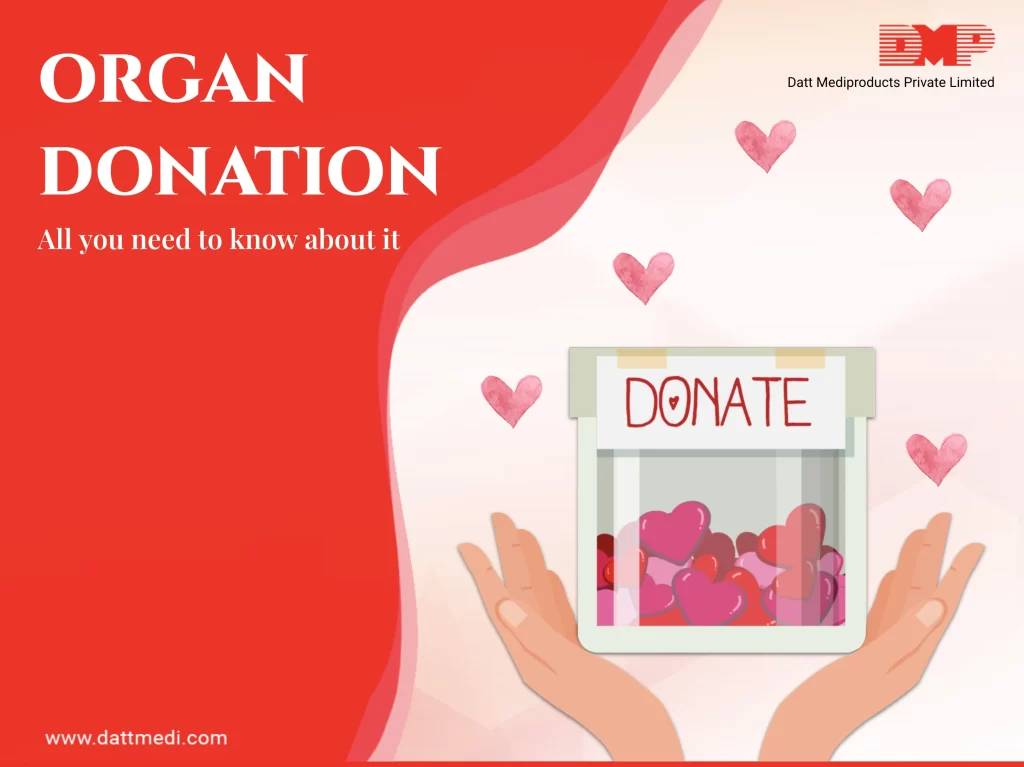
All you need to know about Organ Donation

Organ Donation is the process of removing healthy organs and tissues from a living or deceased person (the DONOR) and transplanting into another person (the RECIPIENT).

Organ Donation is required when the recipient’s organ has stopped working or is severely damaged by any disease or injury.

Which Organs can be Donated?
* Internal organs: Kidneys, Heart, Liver, Pancreas, Intestines, Lungs
* Skin
* Bone and bone marrow
* Cornea
* Apart from these, cartilage, tendons, heart valves, middle ear and veins can  also be donated
* In 2014, hands and faces were also added to the list

Types of Organ Donations

1. LIVING ORGAN DONATION:
When the donor is a healthy living person and the recipient might be suffering from end-stage organ failure. This is most commonly done in the cases involving Liver and Kidneys.
Fact: An individual can live with one kidney and the liver is the only organ which can regenerate again to its original size.

2. DECEASED ORGAN DONATION:
Deceased organ donation involves getting the organ from a person considered as Brain Stem Dead. Donation after cardiac death is more common in the West. Only the viable organs of the deceased can be donated.

Define:A person is said to be brain stem dead when there is an irreversible loss of consciousness, the absence of brain stem reflexes and irreversible loss of the capacity to breathe.

Who can be a Donor?
* People of any age can donate their organs. There are no age limitations. Even newborns and senior citizens can be donors.
* Whether someone is suitable for organ donation after death depends upon the condition of the organ and the medical history at the time of death.
* In some cases where death happens by any accident, injury or murder, the medical examiner has the legal right to decide on organ retrieval.
* There are a few conditions which prevent an individual from being an organ donor:
* HIV infection
* Systemic infection
* Active cancer
* Hepatitis C
* Creutzfeldt-Jakob Disease (CJD)
* Ebola virus disease

Do You Know?

The need for Organ Donation > The number of people who actually donate


The Process of Organ Donation:
* In the case of Living Organ Donation, a donor needs to undergo some clinical evaluations and tests to determine the medical compatibility with the recipient. Some factors including the blood type, body size, severity of the recipient’s medical condition, recipient’s waiting time, are also matched between the donor and the recipient.

After the medical compatibility is confirmed from the doctor, the organs are surgically retrieved from the donor and stored in some special chemicals until the transplantation is done. However, the donor has to remain under medical care until the person is fit to go home.

* The Deceased Organ Donor is generally the person declared brain stem dead by the medical experts or the doctors. After consent is obtained from the donor’s family, suitable recipients are identified from the waiting list. Meanwhile, the donor is kept on the life support system. After retrieval of the specific organs, the body is handed over to the family.
OSCAR: The World’s 1st Full Face Transplant Patient


Oscar was the Spain farmer who accidentally shot himself in the face and was the world’s 1st full face transplant patient. He was operated by a 30-strong medical team and was expected to regain 90% of his facial functions.

The situation in India:
The total no. of brain stem deaths due to accidents is nearly 1.5 lakhs annually. However, there were only 905 deceased donors in the year 2017.

Approximately 5 lakhs organs are needed annually and only 2-3% demand is met.

All those who register as a donor receive an ORGAN DONOR CARD. It can be kept in your purse or a wallet. It’s a great way to show your commitment to saving someone else’s life.

Why should we all Donate?
As per The Organ Receiving & Giving Awareness Network (ORGAN) India, at least 15 patients die every day waiting for organs and every 10 minutes a new name is added to this waiting list. The demand is much more than availability. There are a lot of adults who support this cause but only a few actually sign up as donors.

We @ Datt Mediproducts support and spread the awareness on this noble cause of organ donation. We believe that Life is a Gift, so we should Pass it On. Let us all pledge to save a life. As each one of us has the potential to save up to 8 lives by donating 8 vital organs namely, Heart, 2 Lungs, Liver, Pancreas, 2 Kidneys, Intestines.

Recycle your life, Be an Organ Donor!
Visit www.dattmedi.com for more infomation.
Share:
Recent Blogs

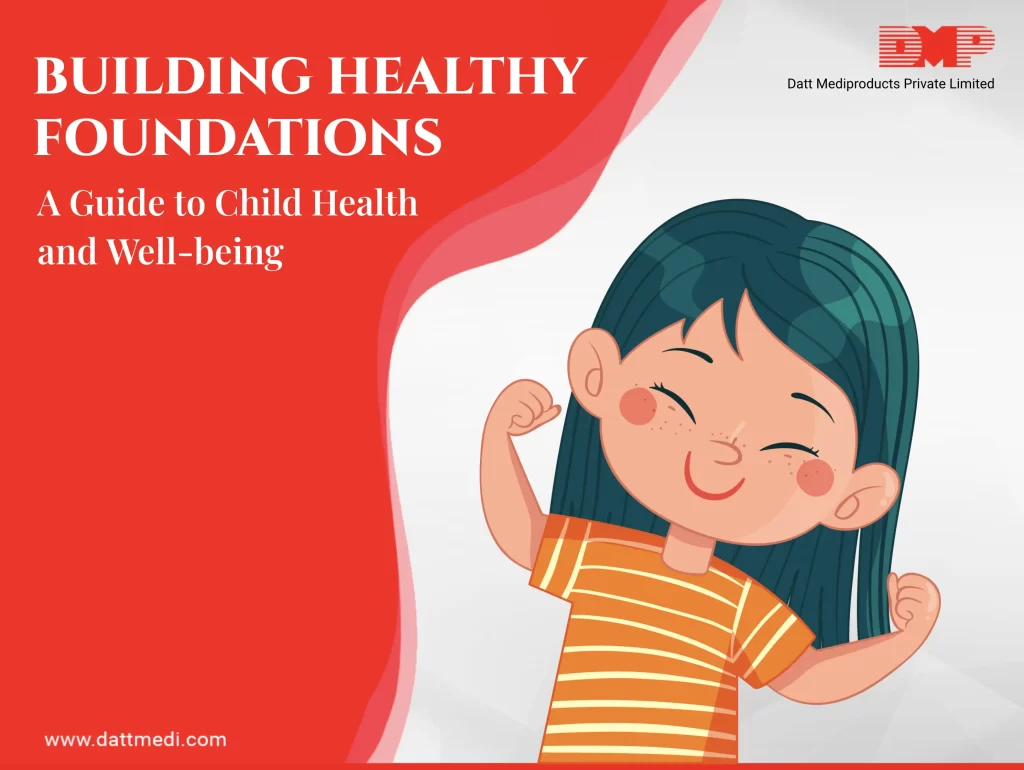
Childhood is a critical phase of development that lays the foundation for a healthy and fulfilling life. As parents, caregivers, and members of society, ensuring the health and well-being of our children is a top priority.

The early years of a child’s life are crucial for their development, setting the stage for their future health and happiness. By understanding the various aspects that contribute to a child’s overall well-being, we can create a solid foundation for their growth and help them thrive. In this blog, we will explore various aspects that contribute to building healthy foundations for children, including early childhood development, nutrition, physical activity, preventive healthcare, mental and emotional health, safe environments, and healthy sleep habits.

Understanding Early Childhood Development:

Early childhood development encompasses the physical, cognitive, social, and emotional growth that occurs from birth to around the age of eight. This period is crucial for brain development, language acquisition, and the formation of social skills. It is essential for parents and caregivers to engage children in stimulating activities, such as reading, playing, and problem-solving, to promote optimal development.

The Power of Nutrition:

Nutrition plays a vital role in a child’s growth and development. Providing a well-balanced diet that includes a variety of fruits, vegetables, whole grains, lean proteins, and dairy products is crucial. Adequate nutrition ensures that children receive the essential nutrients their bodies need to support physical growth, cognitive function, and immune system strength. Limiting sugary snacks and beverages can help prevent the development of unhealthy eating habits and reduce the risk of childhood obesity.

Promoting Physical Activity:

Regular physical activity is crucial for children’s overall health and well-being. It helps build strong bones and muscles, improves cardiovascular fitness, enhances coordination and motor skills, and contributes to a healthy weight. Encourage children to engage in age-appropriate activities such as active play, sports, and outdoor adventures. Limit screen time and promote active hobbies to ensure they maintain an active lifestyle.

Preventive Healthcare and Immunizations:

Preventive healthcare and immunizations are critical to safeguarding children’s health. Regular visits to healthcare providers for well-child check-ups allow for early detection and intervention of potential health concerns. Immunizations protect children from vaccine-preventable diseases, reducing their susceptibility to illnesses and safeguarding the health of the entire community. Staying up-to-date with recommended vaccinations ensures that children have a strong defense against infectious diseases.

Nurturing Mental and Emotional Health:

Promoting mental and emotional well-being is equally important for a child’s overall health. Creating a supportive and nurturing environment at home, school, and within the community helps children develop resilience, self-esteem, and positive coping skills. Encouraging open communication, active listening, and providing emotional support can assist children in navigating their emotions and building healthy relationships. Engaging in activities that promote creativity, self-expression, and mindfulness can also enhance their emotional well-being.

Safe Environments and Injury Prevention:

Creating a safe environment is essential for child health and well-being. Childproof your home by securing cabinets, electrical outlets, and sharp objects. Ensure a safe outdoor play area, free from hazards. Teach children about potential dangers, such as fire, water, and strangers, and how to stay safe in different situations. Supervision and education are crucial in preventing injuries.

Healthy Sleep Habits:

Adequate sleep is vital for children’s physical and cognitive development. Establish a consistent sleep routine and ensure children get the recommended amount of sleep based on their age. Create a calm and comfortable sleep environment, free from distractions. Limit screen time before bedtime, as it can interfere with quality sleep. Encourage relaxation techniques, such as reading or listening to soothing music, to promote better sleep.

Building healthy foundations for children requires a holistic approach that encompasses various aspects of their well-being. By understanding early childhood development, promoting proper nutrition, encouraging physical activity, prioritizing preventive healthcare, nurturing mental and emotional health, ensuring safe environments, and establishing healthy sleep habits, we can set children on a path towards a healthy and fulfilling life.

Together, let us prioritize their health, provide them with the support they need, and empower them to grow into happy, healthy individuals who can thrive and make a positive impact on the world. Let us join hands in creating a healthier future for our children.

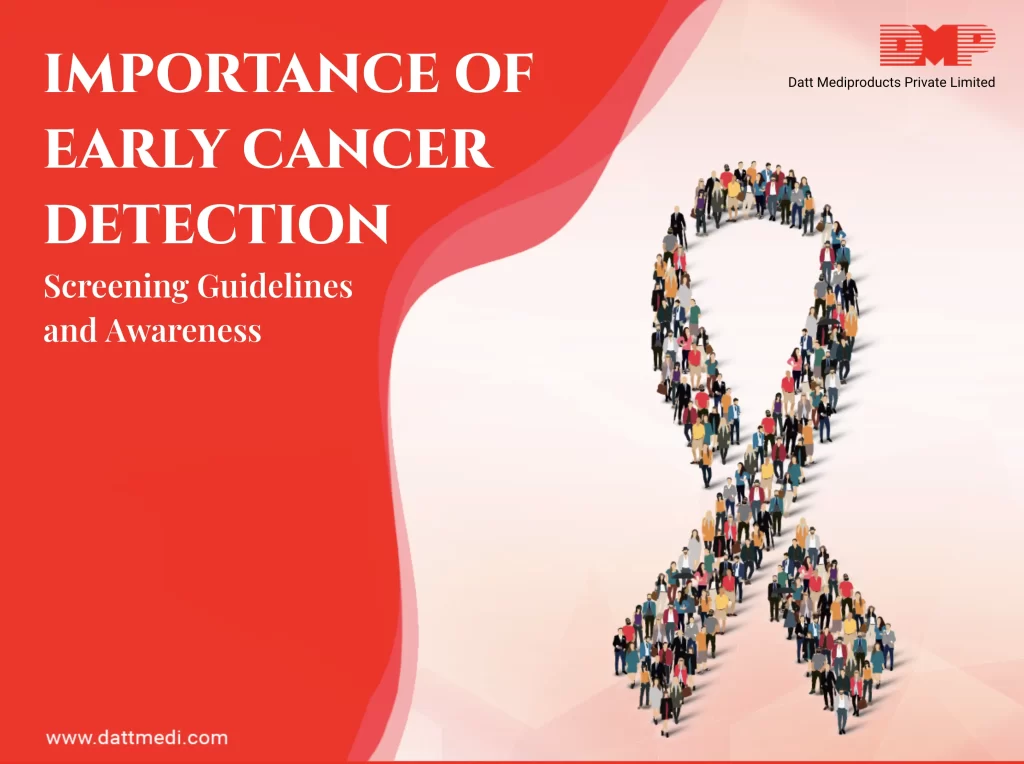
In our fast-paced and demanding modern world, it has become increasingly crucial to prioritize our health and well-being. Among the myriad of health concerns affecting millions worldwide, cancer stands as one of the most significant challenges we face. However, with advances in medical science, early detection has emerged as a powerful tool in the fight against this devastating disease. In this blog, we will explore the importance of early cancer detection, shed light on screening guidelines, and emphasize the necessity of regular screenings for various types of cancer.

The Impact of Early Cancer Detection: Early detection plays a pivotal role in improving cancer outcomes and significantly increasing the chances of successful treatment. When cancer is detected in its early stages, before it has metastasized, treatment options are often less aggressive and more effective. Moreover, early detection significantly enhances survival rates, underscoring the vital importance of regular screenings for individuals.

Screening Guidelines for Different Types of Cancer:

Breast Cancer:

Among women, breast cancer is one of the most prevalent forms of the disease. The American Cancer Society advises that women aged 40 and above should undergo annual mammograms for breast cancer screening. However, individual risk factors may warrant earlier screenings or additional tests.


Colorectal Cancer:

Affecting both men and women, colorectal cancer ranks as the third most common cancer globally. Screening for colorectal cancer typically begins at the age of 45. Methods such as colonoscopy, sigmoidoscopy, and stool-based tests are employed to detect abnormal growths or cancerous cells in the colon or rectum.

Cervical Cancer:

Regular screenings and human papillomavirus (HPV) vaccination can prevent cervical cancer. The American Cancer Society recommends cervical cancer screening for individuals with a cervix starting at the age of 25. This can be achieved through a Pap test, an HPV test, or a combination of both.

Lung Cancer:

As the leading cause of cancer-related deaths worldwide, lung cancer poses a significant threat. For individuals at high risk, such as current or former smokers, low-dose computed tomography (LDCT) scans are recommended. Screening should commence at the age of 50 and continue until age 80, or as long as the individual is in good health.


Prostate Cancer:

Primarily affecting men, prostate cancer typically develops in older individuals. The American Cancer Society advises men to discuss the potential benefits and risks of prostate cancer screening with their healthcare provider. Screening options include prostate-specific antigen (PSA) blood tests and digital rectal exams.

Early cancer detection can save lives by enabling more effective treatment options and improving survival rates. By adhering to the recommended screening guidelines for different types of cancer, individuals can take proactive steps towards their health and potentially detect cancer in its early stages.

Through raising awareness, educating the public, and advocating for regular screenings, we can work together to alleviate the burden of cancer and enhance overall healthcare outcomes. Remember, prevention and early detection are the keys to triumphing over cancer. This strategic stance promises extended lives, improved outcomes, and a brighter future for all, underscoring the vital role of early cancer detection as a beacon of hope in a world where health is paramount.

Logo

Datt Mediproducts Private Limited

Loading