
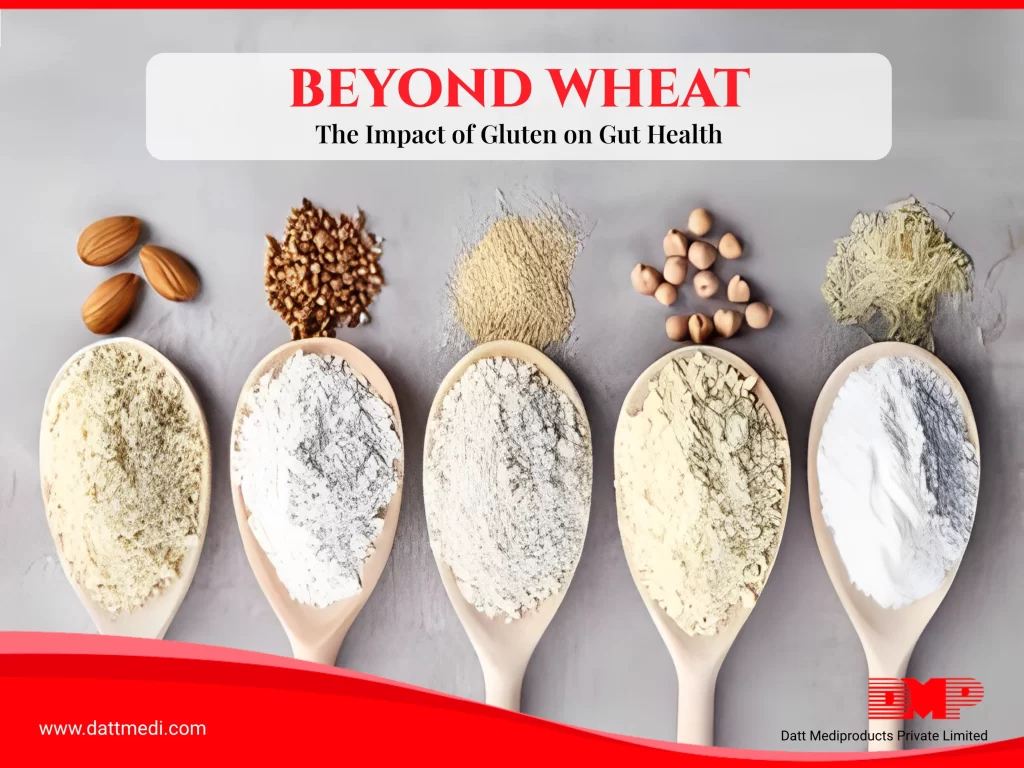
Beyond Wheat: The Impact of Gluten on Gut Health
In recent years, there has been a growing awareness of gluten and its impact on gut health. For individuals with gluten allergies, navigating the intricacies of a gluten-free lifestyle is crucial. In this blog, we delve into the nuances of gluten allergy, common sources of gluten, the basics of a gluten-free diet, and the myriad health benefits associated with making this dietary shift.
Understanding Gluten Allergy: Unravelling the Mystery
Gluten allergy, also referred to as gluten sensitivity or intolerance, is characterized by the immune system’s adverse reaction to the ingestion of gluten. Gluten, a protein present in wheat, barley, and rye, triggers various symptoms in affected individuals.
These symptoms encompass not only digestive issues, fatigue, and skin problems but also extend to a broader array of health concerns associated with gluten intolerance.
Digestive Issues:
Individuals with gluten allergies commonly experience digestive problems, including bloating, gas, abdominal pain, and diarrhea. The inflammatory response triggered by gluten can lead to disruptions in the digestive system.
Fatigue:
Gluten sensitivity may contribute to fatigue and lethargy. The body’s immune response to gluten can result in systemic inflammation, leading to feelings of tiredness and low energy levels.
Skin Problems:
Beyond the commonly recognized symptoms, gluten allergy can manifest in skin-related issues. Dermatitis herpetiformis is a specific skin condition linked to gluten intolerance, presenting as a blistering, itchy rash.
Neurological Symptoms:
Some individuals may experience neurological symptoms, including headaches, dizziness, and difficulty concentrating. These manifestations highlight the systemic impact of gluten on various bodily functions.
Joint Pain:
Gluten sensitivity has been associated with joint pain and inflammation. This connection underscores the need for a comprehensive understanding of gluten-related symptoms beyond the digestive system.
Gluten-Free Diet Basics: Nourishing Your Body Without Compromise
Adopting a gluten-free diet involves more than just eliminating specific grains. It requires a comprehensive understanding of naturally gluten-free foods. Fruits, vegetables, meat, fish, and dairy are safe choices.
Gluten-Free Alternatives: Deliciously Diverse Options
Fortunately, the market is brimming with gluten-free alternatives that make the transition seamless. From gluten-free bread and pasta to snacks and baking ingredients, there are numerous choices available. Brands have gained popularity for their commitment to producing quality gluten-free products.
Medical Perspective: Navigating Gluten-Related Conditions with Expertise
To gain deeper insights into gluten-related conditions, it’s valuable to consult medical professionals or experts in the field. The latest research, treatment options, and advancements in managing gluten-related conditions should be discussed. Integrating medical perspectives enhances the credibility of the information provided.
Going beyond wheat and understanding the impact of gluten on gut health is a journey towards overall well-being. From recognizing symptoms to embracing a gluten-free lifestyle, individuals can navigate this path with knowledge and confidence, supported by the latest insights from medical professionals and the exciting array of gluten-free products in the market.
Stay informed, stay healthy!