

Search by Blog
Read by Category

Your healing journey continues beyond this blog

Find the right products for better recovery at online store
Cart Image
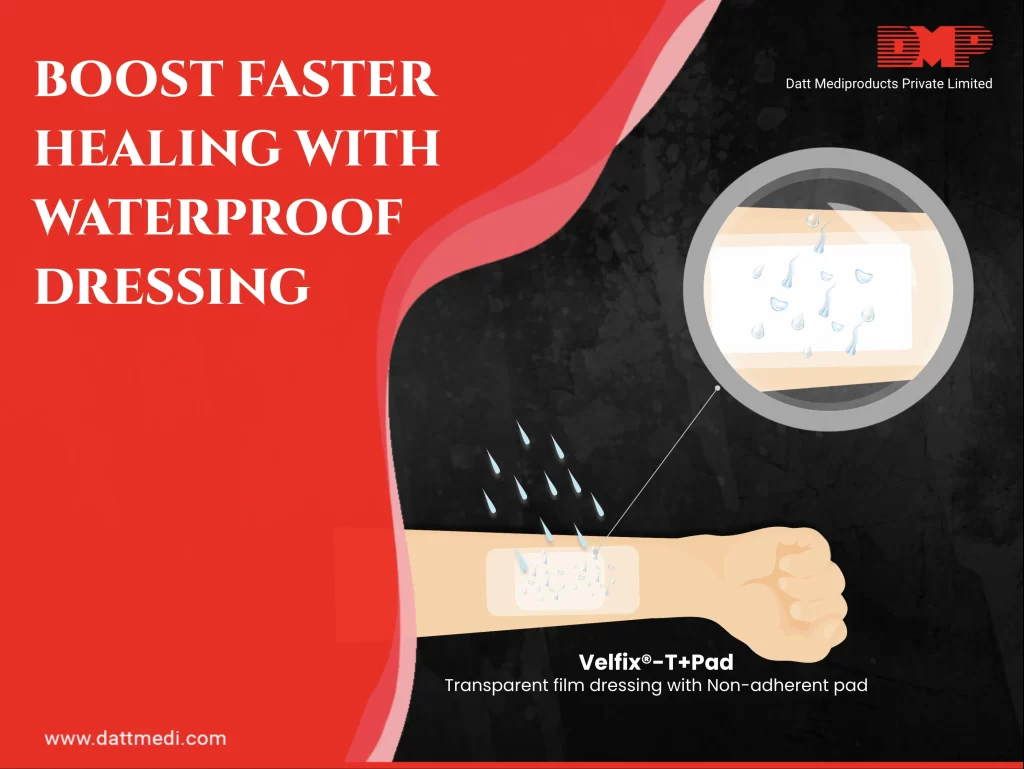
Boost Faster Healing with Waterproof Dressing

Waterproof dressings are transparent film dressings comprised of Polyurethane (PU) film coated with adhesive. They offer a transparent, waterproof film layer that serves as a bacterial barrier.

Although the dressings do repel water they are still porous and thus breathable. This aids in providing an environment that is moist, leading to faster healing. They are ideal for the protection of wounds as they seal out water, dirt and germs; therefore decreasing the chances of infection.

Being very flexible, they act as a second skin. Protecting the wound from bacterial invasion and abrasions, even in uncomfortable bony areas, of the body, like the elbow or the knee.

Let’s find out the areas where they can be beneficial:
– Post-operative wounds
– Acute wounds (Abrasions & Laceration)
– Small or medium exudate level chronic wounds
– Sterile I.V dressing in cannula fixation

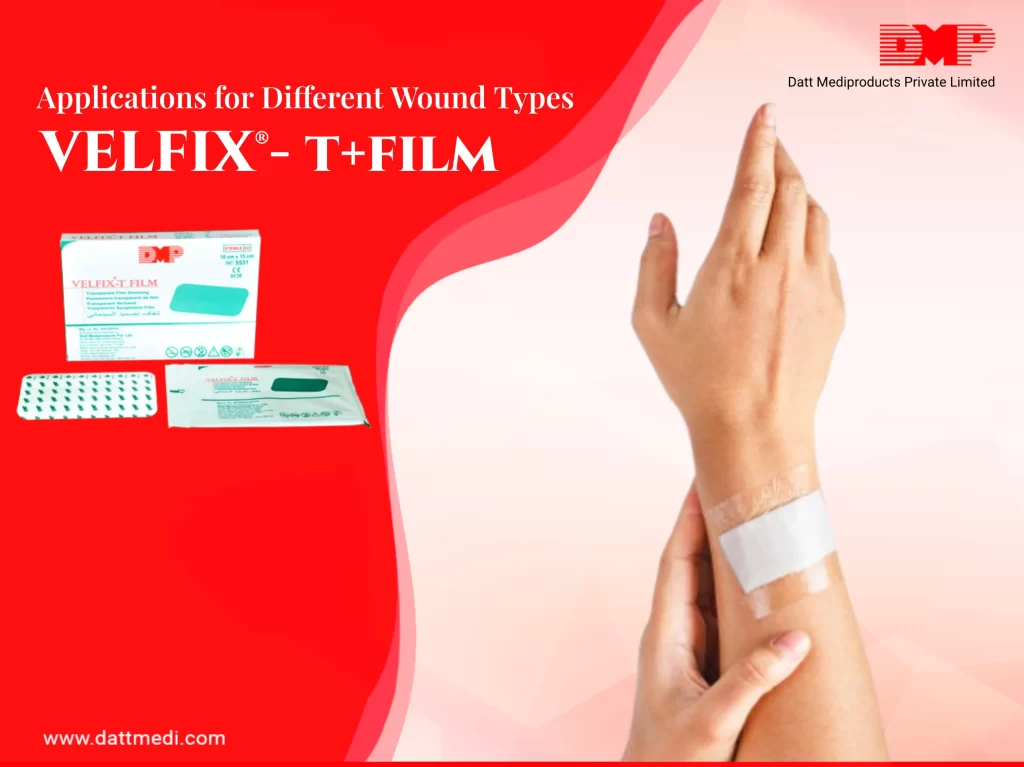
Datt Mediproducts manufactures a range of waterproof dressings under the brand name of Velfix. One of our dressings is Velfix- Edge, providing an effective way to secure and stabilize the cannula fixation.

It has numerous advantages such as:

– Its design allows for continuous observation of the site and reduces the risk of catheter dislodgement.

– The Unique Coat technology with patterned adhesive delivers a high and constant strength, while being gentle to the fragile skin.

– The dressing is Latex free & hypoallergenic acrylic adhesive that gently, yet securely adheres to the skin.

– It’s easy to mould around corners of the body allowing for easy movement.

– The 30 μ thick PU film ensures increased breathability & softness.

Let’s find out the essential usage information

At the time of applying the dressing, it should be smoothed or stretched out, so that it exceeds the wound area by about an inch on all sides. The removal of the dressing should be done carefully and slowly starting from the edges first and then towards the centre to prevent skin tear.

Normally these dressings should be changed within 3 to 5 days, but they can also be left on upto seven days, if the wound does not have excessive exudate. If there is any irritation or any leakage or the film loosens, it should be changed immediately.

 Here are some things to consider before using waterproof dressings:

Even though the dressing can be used in most cases, there are a few cases where it is advised not to use them or to talk to your physician before applying.

Waterproof dressings should not be used on patients that have heavy exudates such as massive burns, fungal infection, active or suspected infection or herpetic lesions.

Certain waterproof dressings can also lead to periwound maceration (breaking down of the skin surrounding the wound).

Thin-skinned patients, like old people or people undertaking steroids, should not use the waterproof dressings as at the time of removal of dressing it may cause skin tears or epidermal stripping.

Still thinking why waterproof or transparent dressings
Because the transparency makes it easy to visualize the wound bed. For more information visit www.dattmedi.com or contact us at info@dattmedi.com
Visit www.dattmedi.com for more infomation.
Share:
Recent Blogs

In the realm of healthcare, attention to detail is paramount, especially when it comes to catering to the needs of sensitive patients. One often overlooked aspect is the choice of medical tapes for securing dressings, tubes, and medical devices.

For individuals with delicate or sensitive skin, such as pediatric patients, the elderly, and those with skin conditions, the selection of appropriate tapes can make a significant difference in their comfort and recovery process. This blog will cover the importance of skin-friendly tapes like Minipore™, Velpore™, and Velsilk™ in enhancing patient care and promoting healing.

Understanding the Sensitivity

Sensitive skin can be a result of various factors, such as age, skin conditions, or prolonged exposure to medical treatments. Patients undergoing chemotherapy, individuals with dermatitis, or those with compromised immune systems require extra care to prevent skin damage. Traditional medical tapes, while effective in securing medical devices, can sometimes cause irritation, allergic reactions, or damage to fragile skin. This is precisely where the importance of skin-friendly tapes becomes conspicuous

Introducing Minipore™, Velpore™, and Velsilk™ Tapes

Minipore™, Velpore™, and Velsilk™ are revolutionary medical tapes designed to address the unique needs of sensitive patients. These tapes stand out for their skin-friendly properties and their contribution to patient comfort.

Minipore™:

Minipore™ tape is a hypoallergenic paper tape that offers gentle adhesion, making it suitable for patients with sensitive or fragile skin. It allows for breathability, reducing the risk of skin maceration while securely holding dressings in place.
Read more about products visit https://dattmedi.com/minipore.html

Velpore™:

Velpore™ surgical paper tape possesses hypoallergenic qualities, making it ideal for individuals with sensitive skin or allergies. Its gentle nature ensures it is kind to the skin. The microporous structure of Velpore enables exceptional breathability, facilitating airflow and minimizing the likelihood of maceration.This tape is frequently utilized for securing wound dressings, delivering dependable fixation while enabling freedom of movement and flexibility. Its mild adhesive properties allow for painless and damage-free removal from the skin.
Read more about products visit https://www.dattmedi.com/velpore.html

Velsilk™:

Velsilk™ tape is a silk-like cloth tape that combines excellent adhesion with gentle removal. It adheres securely to the skin while minimizing discomfort during tape removal. It is particularly useful in situations where frequent dressing changes are required, as it allows for easy application and removal.
Read more about products visit https://www.dattmedi.com/velsilk.html

Advantages of Skin-Friendly Tapes

The importance of using skin-friendly tapes like Minipore™, Velpore™, and Velsilk™ cannot be overstated. Here are some key advantages they offer:

  • Reduced Skin Irritation: The hypoallergenic adhesive and soft materials minimize the risk of skin irritation or allergic reactions, promoting patient comfort during the healing process.
  • Enhanced Healing: Breathable materials enable proper air circulation around wounds, supporting the body’s natural healing mechanisms.
  • Painless Removal: The gentle adhesive used in these tapes ensures painless removal, reducing the potential for skin trauma.
  • Versatility: Skin-friendly tapes are versatile in their applications, suitable for various medical scenarios, from wound dressings to tubing fixation.
  • Patient Confidence: Patients experience enhanced comfort and security, which can have a positive impact on their overall well-being and recovery.

When it comes to healthcare, the focus should always be on patient well-being and comfort. The use of skin-friendly tapes like Minipore™, Velpore™, and Velsilk™ exemplifies this commitment. These tapes not only provide reliable adhesion for medical devices but also prioritize patient comfort and skin health

Medical tapes play a crucial role in the healthcare industry, providing essential support in wound care management and ensuring patient comfort and safety. These adhesive products are designed to secure dressings, medical devices, and other materials to the skin, facilitating the healing process and protecting patients from infections. In this blog post, we will explore the importance of medical tapes in healthcare, discuss the different types commonly used, delve into their role in wound care management, address patient comfort and safety concerns, and provide guidelines for their proper application and removal.

Importance of Medical Tapes in the Healthcare Industry:

Medical tapes are indispensable tools in the healthcare industry, offering numerous benefits for both healthcare professionals and patients. These tapes serve as an effective means of securing wound dressings, surgical incisions, and medical devices, such as catheters or IV lines. By keeping these materials in place, medical tapes promote proper healing, prevent contamination, and reduce the risk of infection. Moreover, they provide support to the injured area, minimizing movement and potential damage. The versatility and ease of use of medical tapes make them an essential component of any healthcare setting.

There is a wide range of medical tapes available, each designed to suit specific applications and patient needs. Some commonly used types include:

Minipore™:

Minipore™ tape is a hypoallergenic paper tape that offers gentle adhesion, making it suitable for patients with sensitive or fragile skin. It allows for breathability, reducing the risk of skin maceration while securely holding dressings in place. Read more about products visit https://dattmedi.com/minipore.html

Velpore™:

Velpore surgical paper tape possesses hypoallergenic qualities, making it ideal for individuals with sensitive skin or allergies. Its gentle nature ensures it is kind to the skin. The microporous structure of Velpore enables exceptional breathability, facilitating airflow and minimizing the likelihood of maceration.This tape is frequently utilized for securing wound dressings, delivering dependable fixation while enabling freedom of movement and flexibility. Its mild adhesive properties allow for painless and damage-free removal from the skin. Read more about products visit https://www.dattmedi.com/velpore.html

Velsilk™:

Velsilk tape is a silk-like cloth tape that combines excellent adhesion with gentle removal. It adheres securely to the skin while minimizing discomfort during tape removal. It is particularly useful in situations where frequent dressing changes are required, as it allows for easy application and removal. Read more about products visit https://www.dattmedi.com/velsilk.html

Role of Tapes in Wound Care Management:

Medical tapes play a vital role in wound care management. They help to secure dressings and keep them in place, preventing contamination and facilitating the healing process. Tapes also provide stability and support to the wound, reducing movement and minimizing the risk of further injury.

Additionally, they create a barrier against external pathogens, protecting the wound from infection. Properly applied medical tapes promote optimal wound healing and can contribute to positive patient outcomes.

Significance of Patient Comfort and Safety:

Patient comfort and safety are of utmost importance in healthcare. When using medical tapes, it is essential to consider the comfort and specific needs of each patient. The choice of tape should be based on factors such as skin sensitivity, wound location, and duration of use. It is crucial to select tapes that are hypoallergenic, breathable, and gentle on the skin to minimize the risk of adverse reactions. Regular monitoring of the taped area is necessary to ensure that the tape is not causing any discomfort or skin irritation. Moreover, proper tape removal techniques should be employed to avoid skin damage or pain.
Guidelines and Best Practices for Application and Removal:

To ensure the effective and safe use of medical tapes, the following guidelines should be followed:

  • Clean and dry the area before applying the tape.
  • Select an appropriate tape based on the patient’s needs and skin sensitivity.
  • Avoid excessive tension when applying the tape to prevent skin irritation.
  • Cut the tape to the desired length and shape, considering the wound size and location.
  • Ensure that the tape is firmly but comfortably secured, avoiding any wrinkles or folds.
  • Regularly assess the taped area for signs of skin irritation or discomfort.
  • When removing the tape, gently lift one corner and slowly peel it back, following the direction of hair growth to minimize pain and skin damage.
  • Apply the tape smoothly, avoiding excessive tension or wrinkling.
  • Periodically assess the tape’s integrity and reapply if necessary.
  • When removing the tape, gently lift the edges parallel to the skin while supporting the wound area to minimize pain and skin trauma.
  • If the tape is stubborn or adhered tightly, consider using a medical adhesive remover to aid in its removal.
  • After tape removal, clean the skin and assess for any signs of irritation or redness.

When properly applied and removed, medical tapes contribute to effective wound healing, prevent infection, and enhance patient comfort. By following guidelines for their proper application and removal, healthcare providers can maximize the benefits of medical tapes while minimizing the risk of complications.


Logo

Datt Mediproducts Private Limited

Loading
