
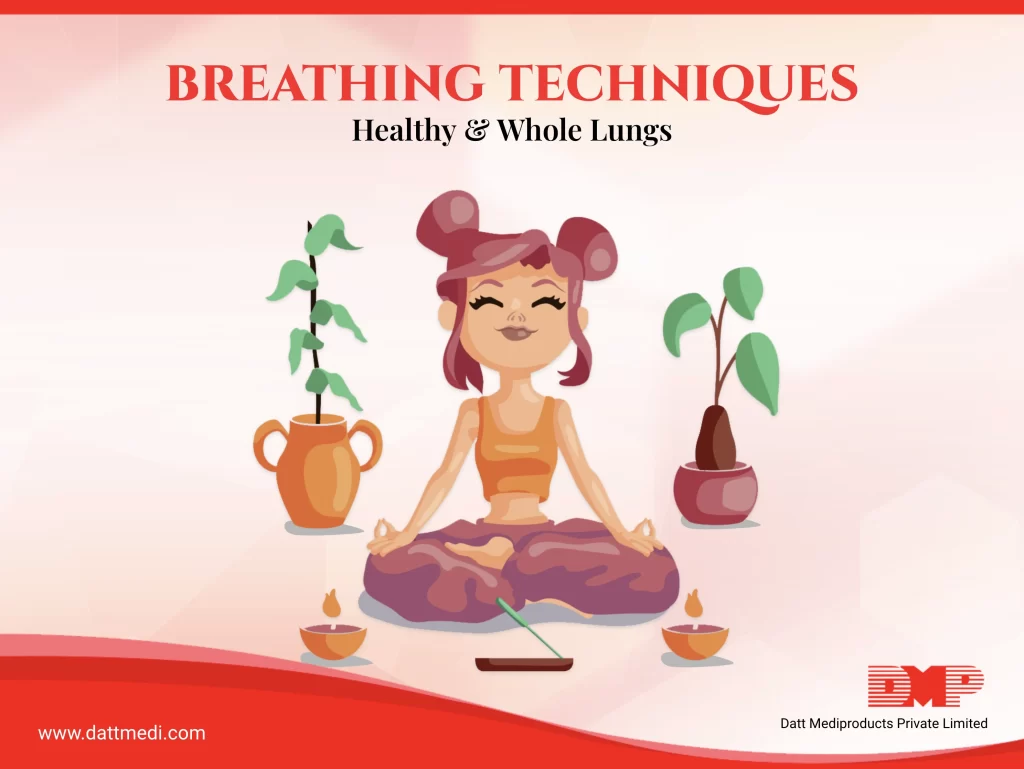
Lungs are an integral part of our respiratory system. Along with other organs and tissues present in the respiratory system, they move fresh air into your body while removing waste gases.
We might often ignore the crucial role our lungs play in our daily lives, until we start experiencing some sort of breathing issues. Just like our other body parts, our lungs need a daily care too.
For instance, aerobic exercises help improve heart function and strengthen the muscles, breathing exercises can make your lungs more efficient. With healthy lungs, breathing becomes natural and easy.
We bring certain effective techniques for healthy lungs and keep these going strong for life:
Pursed Lip Breathing
Inflamed airways in certain chronic conditions, such as bronchitis and asthma, prevent air from circulating through the lungs, leading to stale air trapped inside them. It thereby becomes difficult for the lungs to absorb fresh air or oxygen. The Pursed Lip Breathing exercise reduces the number of breaths you take and keeps your airways open for a longer time period, so stale air can be expelled and more fresh air can be absorbed.
In order to practice this technique, inhale through your nose and exhale at least twice as long through your mouth, with pursed lips.
Diaphragmatic Breathing
Diaphragm is a sheet of muscle which sits between the chest and abdomen. It helps the lungs fill with air by moving down and then push air out of the lungs as it moves back up. In this type of breathing exercise, the abdomen rises and falls with each breath.
To practice Diaphragmatic Breathing Aka Belly Breathing, you need to breathe from your belly. Just like pursed lip breathing, start breathing in through your nose. Breathe out through your mouth for at least two to three times as long as your inhale while pressing down on your abdomen to make sure you’re engaging your diaphragm muscle.
Diaphragmatic breathing helps strengthen the diaphragm muscle and, in turn increase lung capacity.
Rib Stretch
Rib stretch involves stretching or expanding the ribs, in order to help your lungs, take in as much air as possible. To practice, make sure you stand in upright position with your hands on your hips. Slowly inhale air to full lung capacity, followed by holding your breath for 20 seconds or as much comfortable and then exhale slowly. Relax and then repeat three more times. Practicing Rib Stretch regularly helps you take more air into your lungs and breath out fully thereby preventing stale air build up in the lungs.
‘Counting’ your breaths
Lung capacity can be increased by increasing the length of your inhalations and exhalations. Start by counting how long a natural breath takes on an average and then add one more count to each inhale and exhale cycle until you can comfortably extend the length of time it takes to fill and empty your lungs.
Laughing and Singing
Laughing and Singing are two activities which work the abdominal muscles and hence the lungs. Laughing forces stale air out of the lungs so more fresh air can be absorbed. Singing works on the diaphragm muscle, which in turn helps increase lung capacity.
We @dattmediproducts recommend consulting a doctor before starting any breathing exercise regime, especially if you are suffering from any kind of chronic lung disease. Always listen to your body and exercise at a pace that doesn’t overtax your condition. Follow the mantra of being more active in your lifestyle. More you are active, the better the outcome.