
Search by Blog
Read by Category

Your healing journey continues beyond this blog

Find the right products for better recovery at online store
Cart Image
Top Misconceptions About Compression Therapy

Top Misconceptions About Compression Therapy

Compression therapy is a widely used treatment method that helps improve circulation, reduce swelling & pain, and support faster healing. However, many people hesitate to use it due to common misconceptions. Let’s clear up these myths and highlight the true benefits of compression therapy.

What Is Compression Therapy?

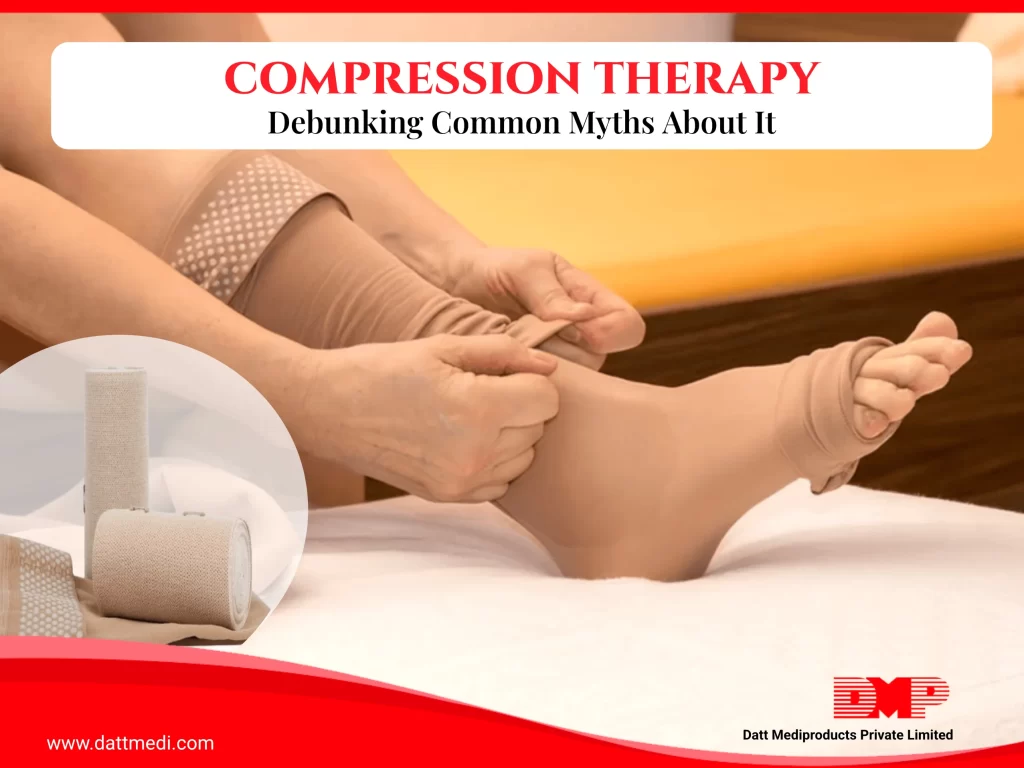
Compression therapy involves wearing specially designed garments, such as stockings, wraps or bandages, that apply gentle pressure to the legs or other affected areas. This pressure promotes blood flow, prevents fluid buildup, and supports overall vascular health. It is commonly used for conditions arising due to chronic venous insufficiency such as varicose veins, venous varicosities/ leg ulcers, lymphedema or in cases of deep vein thrombosis (DVT) and post surgery recovery

Myth 1: Compression Therapy Is Only for the Elderly

Fact: While older adults commonly use compression therapy to manage venous disorders, it benefits people of all ages. Athletes use compression garments for muscle recovery, travelers wear them to prevent blood clots, and individuals with jobs requiring prolonged standing or sitting rely on them to reduce leg fatigue.

Myth 2: Compression Therapy Causes Discomfort

Fact: Properly fitted compression garments should feel snug but not painful. Modern compression products are designed for comfort, with breathable materials and graduated pressure to provide support without restricting movement. If discomfort occurs, it often means the compression level or size is incorrect.

Myth 3: Compression Therapy Is Only for Post-Surgery Recovery

Fact: While it is beneficial post-surgery to reduce swelling and promote faster healing, compression therapy is also widely used for the management of chronic conditions like varicose veins, lymphedema, and even general leg fatigue. It can also be used as a  preventive measure for individuals at risk of circulation problems. It can prevent leg swelling in people with sedentary lifestyles or situations like long flights; prevention of venous thromboembolism in immobile patients, and recurrence of venous leg ulcers in older adults.

Myth 4: Compression Therapy Will Make Your Legs Look Bulky

Fact: Compression garments have evolved significantly. Modern designs are sleek, lightweight, and available in different styles and colors, making them easy to wear under clothing without appearing bulky.

Myth 5: Compression Therapy Can Lead to Blood Clots

Fact: When used correctly, compression therapy actually helps prevent blood clots by promoting healthy circulation. Medical professionals often recommend it for people at risk of DVT, especially during long flights or post-surgery recovery.

Myth 6: Compression Therapy Is Only for People With Varicose Veins

Fact: While varicose veins are a common reason for using compression therapy, it is also beneficial for individuals with chronic venous insufficiency, lymphedema, post-exercise recovery, chronic pain, poor circulation, athletes and even pregnancy-related swelling.

Myth 7: Compression Therapy Is a Short-Term Solution

Fact: Compression therapy can be used for both short-term and long-term management of symptoms & to prevent further complications depending on the condition. Many individuals with chronic venous conditions or circulation issues incorporate it into their daily routines for continuous benefits.

The Truth About Compression Therapy

Compression therapy is a versatile and effective treatment that goes beyond age or specific medical conditions. By dispelling these myths, we can appreciate how compression bandages and garments enhance circulation, reduce swelling, and promote healing across all age groups and lifestyles.

Looking for reliable compression solutions?

Explore our range of high-quality compression solutions for effective support, enhanced comfort, and improved circulation in daily life.
Visit www.dattmedi.com for more infomation.
Share:
Recent Blogs
Post-Surgery Wound Care Supporting Recovery

Post-Surgery Wound Care Supporting Recovery 

Post-surgery wound care is a critical component in the journey towards a smooth recovery, minimizing complications, and promoting effective healing. This blog post seeks to offer comprehensive insights for both patients and healthcare providers, emphasizing key aspects of post-surgery wound care.

Understanding the Healing Process:

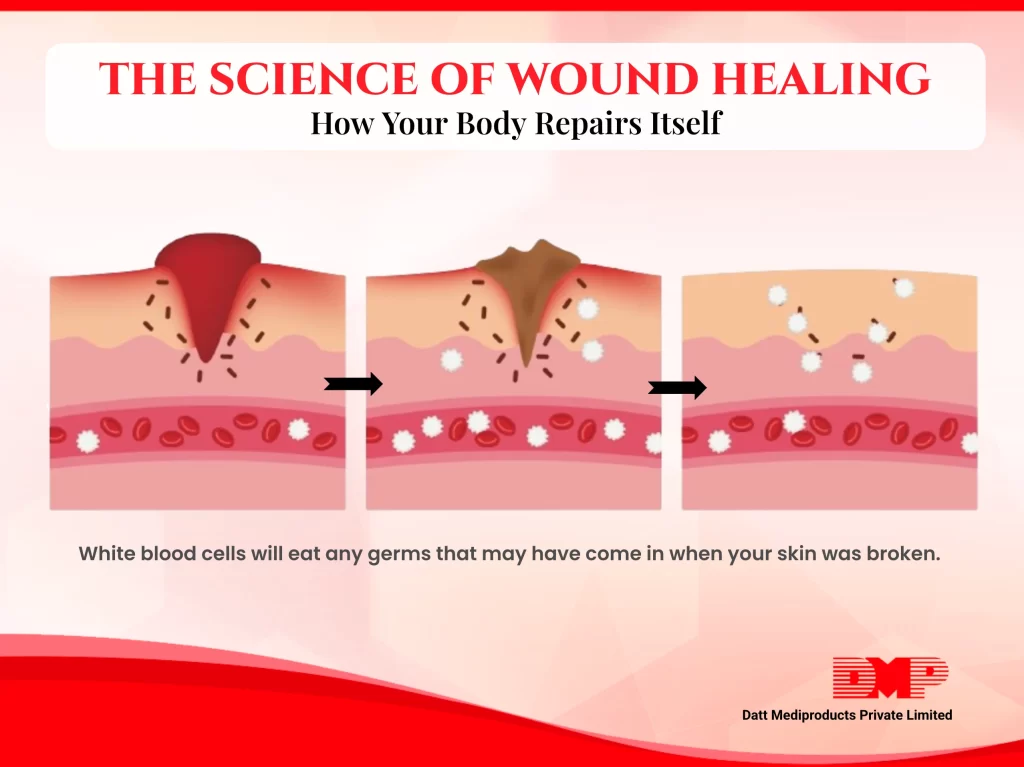
To navigate the recovery journey successfully, it’s essential to grasp the intricacies of the body’s natural healing process. From the initial inflammatory response to tissue remodeling, patients should be aware of these stages to set realistic expectations for the recovery timeline. 

Preparation Before Surgery: 

A proactive approach to wound care begins before the surgical procedure. Adequate preparation involves thorough consultation with healthcare professionals, understanding the surgery specifics, and adhering to pre-surgery instructions. This groundwork sets the stage for a more seamless recovery. 

Maintaining a Sterile Environment: 

Fundamental to effective wound care is the maintenance of a clean and sterile environment. This includes keeping the surgical site and surrounding areas free from contaminants. Proper wound hygiene significantly reduces the risk of infections, a common concern post-surgery. 

Nutrition and Hydration for Optimal Healing: 

Supporting the body’s healing mechanisms requires a well-balanced diet rich in essential nutrients. Proper nutrition promotes tissue repair and helps prevent complications. Adequate hydration is equally crucial, supporting overall bodily functions and facilitating nutrient transportation to the wound site. 

Monitoring and Recognizing Warning Signs: 

Vigilance is key during the recovery phase. Patients should be educated on monitoring wounds for warning signs like increased redness, swelling, or discharge.

Recognizing these signs early enables prompt intervention, minimizing the risk of serious complications. 

Introducing Our Innovative Solution: 

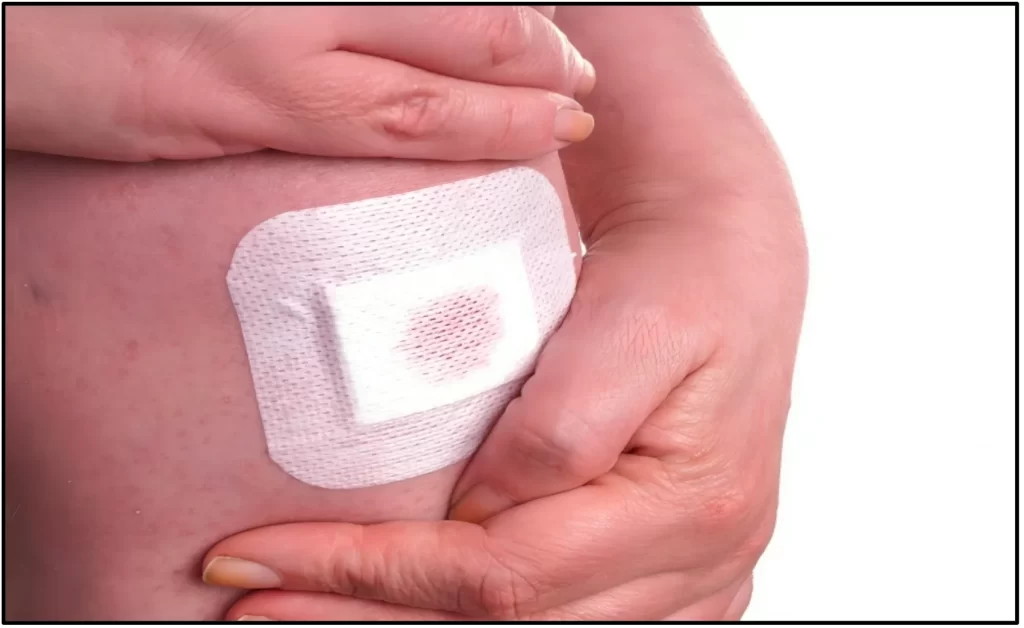
Elevating the standards of patient recovery involves introducing innovative products like Velfix® -Edge. This exceptional dressing goes beyond traditional solutions with its non-woven bordered design, frame delivery system, and deep notched barrier against infections. The latex-free adhesive ensures compatibility with diverse patients, while the window-framed delivery system simplifies application. Incorporating Velfix® -Edge into post-surgery wound care routines prioritizes precision, patient comfort, and infection prevention, contributing to an enhanced and smoother recovery journey for every patient.

Therefore, post-surgery wound care is a collaborative effort between healthcare providers and patients. Empowering individuals with knowledge about the healing process, preparing adequately before surgery, maintaining a sterile environment, prioritizing nutrition and hydration, and being vigilant for warning signs actively contribute to a successful recovery journey. 

Choosing Velfix® -Edge for optimal post-surgery care is a conscious decision towards improved recovery outcomes, ensuring a holistic and effective approach to the healing process.

Daily Wound Care Routine

Daily Wound Care Routines: Simple Practices for Healing

When it comes to wound care, establishing a daily wound care routine is crucial for ensuring optimal healing and preventing complications. Daily wound inspection is the cornerstone of this routine, as it allows individuals to monitor changes and identify potential signs of infection early on. Gentle cleaning is another fundamental aspect, and using mild soap and water or a saline solution can effectively remove debris without causing further harm. This step not only promotes cleanliness but also prepares the wound for the next crucial element in the routine – dressing selection.

The choice of dressing plays a pivotal role in the healing process:

Understanding the wound type and condition is essential for selecting the appropriate dressing. Different wounds require different approaches, and the right dressing helps maintain a moist environment, creating an ideal setting for the healing to progress.

Regular changing of dressings is equally important:

This practice not only prevents infections but also promotes a conducive environment for the wound to heal efficiently. Alongside changing dressings, ensuring that the wound is adequately protected from external contaminants is vital.

Pain management is a common concern during the healing process:

Strategies for managing pain and ensuring comfort should be part of the daily routine. This can include over-the-counter pain relievers or prescribed medications, tailored to individual needs and the severity of the wound.

Nutrition and hydration play a significant role in supporting the body’s natural healing process:

A well-balanced diet with emphasis on proper nutrition provides the necessary nutrients for tissue repair and regeneration. Additionally, staying hydrated is key to optimal recovery.

Avoiding irritants and risk factors is a proactive measure in the daily wound care routine:

Activities or substances that can irritate the wound should be strictly avoided. Smoking and excessive alcohol consumption can hinder the healing process, making it crucial to steer clear of these risk factors.

Regular follow-ups with healthcare professionals are essential for ongoing evaluation:

Consulting healthcare providers ensures that any signs of complications are addressed promptly, contributing to the overall success of the wound care routine.

A well-rounded daily wound care routine involves daily inspection and cleaning, appropriate dressing selection, regular changing of dressings, pain management, proper nutrition and hydration, avoidance of irritants and risk factors, and consistent consultation with healthcare professionals. By incorporating these practices into daily life, individuals can contribute significantly to the effective healing of wounds.

Stay healthy!

Logo

Datt Mediproducts Private Limited

Loading