

Search by Blog
Read by Category

Your healing journey continues beyond this blog

Find the right products for better recovery at online store
Cart Image
DEHYDRATION Some quick Facts & Tips to avoid it!

We may agree that we all need to drink an average of 8 glasses of water per day. But we all may not be aware that it depends upon various factors like our gender, age, activity levels, and external environment.

When we exercise, more water is excreted through perspiration. Hence, water requirement increases. On the other hand, requirement decreases as we age. Water is vital to the body’s normal functioning.

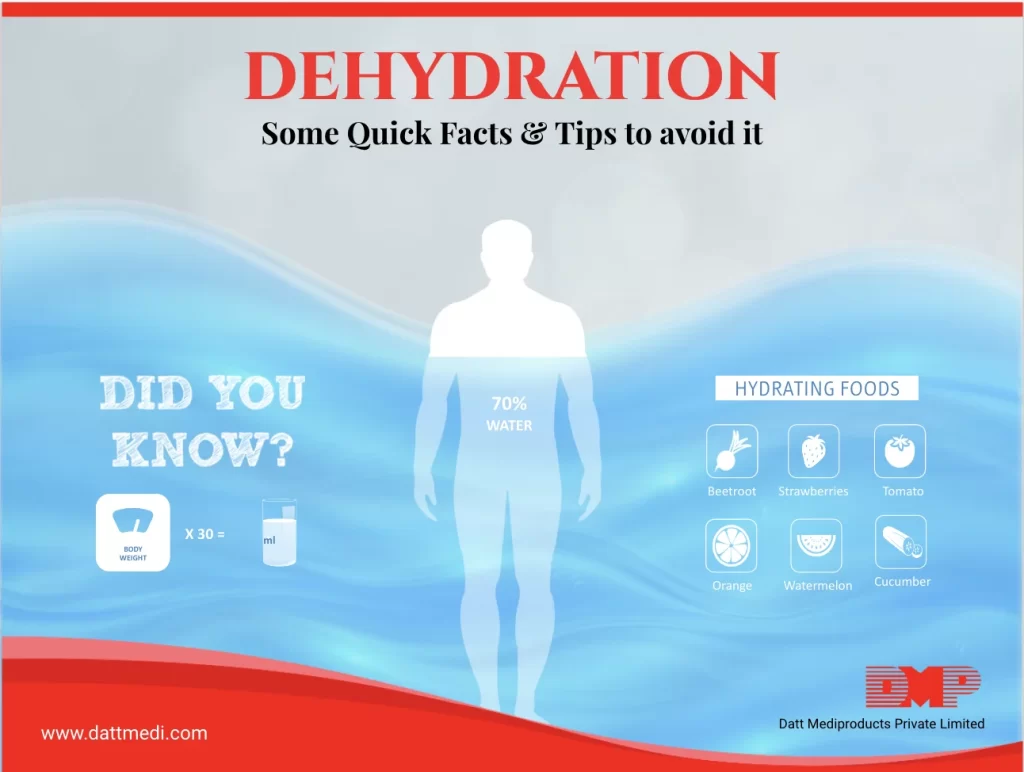
Adequate water intake of 30 ml/kg body weight is recommended in a person with normal functioning kidneys and heart, as documented in the Indian Journal of Clinical Practice, Vol. 22, No. 12, May 2012.

We lose water when we sweat, pass urine or exhale. Water may also be lost in a few pathological conditions like diarrhea and vomiting. When this loss water is not compensated, it leads to dehydration. Dorland’s Illustrated Medical Dictionary defines “Dehydration as the condition that results from excessive loss of body water”.

Dehydration can become serious if not treated. When water between 10-15% of the body weight is lost, it can also lead to seizures and unconsciousness. Untreated dehydration causing water loss of >15% of body weight might result in brain damage and ultimately death.

Some Quick Facts:
1. 75% of the human body is water.

2. Dehydration results when water intake is less than water loss.

3. Dehydration may be caused by diarrhea, vomiting, high fever, excessive sweating, increased sweating or heat waves.

4. Dry mouth, lethargy, tiredness, dizziness, dark-colored & strong-smelling urine may be the early signs of dehydration.

5. Babies, infants, old age people, athletes are more susceptible to dehydration.

6. While severe dehydration needs immediate medical treatment, mild to moderate dehydration may be reversed by drinking more fluids.

Symptoms:

Thirst is a reliable indicator that your body needs water. There are other important and distinctive symptoms of dehydration which may differ as per your age group.

Below are some of these symptoms:

Infants & Babies

Adults

Dry mouth and tongue

Few or no tears when crying

No wet diapers for three hours

Sunken eyes & cheeks

Sunken soft spot (fontanelle)
on top of the skull

Irritability

Extreme thirst

Less frequent urination

Dark-colored urine

Fatigue

Lightheaded & Dizziness

Confusion

Palpitation & Rapid Heartbeat

In case of severe malnutrition, dehydration may be caused by an untreated diarrheal disease leading to loss of water, fluids, and electrolytes. It may be difficult to identify dehydration in such cases because the indicators like skin elasticity may not be reliable. Others symptoms might include thirst, tiredness, weak radial pulse, and reduced or absent urine flow.

Few Tips to reduce the risk of Dehydration:
– Increase fluids intake when you sense any symptom of dehydration. It should be done gradually.
– Drink more fluids during the day time.
– Infants and Babies should be fed with a spoon making it easier to swallow the fluids.
– A pale clear pee color is an indicator of enough fluid consumption.
– People who are at high risk of dehydrating, like athletes and people who work outdoors, should drink more fluids.
– ORS may be consumed if you have diarrhea and your body is losing a lot of fluids.
– Fruit juices and fizzy drinks must be avoided for children. It may worsen diarrhea and vomiting.

It’s important to drink water and other fluids, eat seasonal juicy vegetables; especially during hot summer days and during illness. We understand that most occurrences of dehydration may be reversed by increasing fluids consumption, but severe dehydration needs immediate medical attention.

We @ Datt Mediproducts understand the Dehydration has an easy antidote but is potentially life-threatening if left untreated. So take good care!
Visit www.dattmedi.com for more infomation.
Share:
Recent Blogs

As we age, our bodies undergo several changes that can affect our overall health. These changes include a decrease in muscle mass and bone density, a slower metabolism, and a decline in cognitive function. Additionally, our immune system may weaken, making us more susceptible to infections and illnesses.

However, it’s important to remember that aging doesn’t necessarily mean poor health. By taking care of our bodies and adopting healthy habits, we can age gracefully and maintain our health and independence.

Issues Faced with Aging:

There are several issues that can arise as we age. Some of the most common include:

1. Chronic conditions:

As we age, we are more likely to develop chronic health conditions such as diabetes, arthritis, and heart disease.

2. Mobility issues:

Muscles and joints can become stiff and less flexible with age, which can make it harder to move around.

3. Cognitive decline:

Memory loss and other cognitive changes can occur with age.

4. Social isolation:

Older adults may experience social isolation and loneliness, which can lead to depression and other health problems.

5. Caregiver burden:

Family members or other caregivers may experience stress and burnout when caring for an older adult.

Ways to Overcome in a Healthy Way:

A. Stay active:

Regular exercise can help maintain muscle strength, flexibility, and balance. Try to engage in physical activity for at least 30 minutes a day, five days a week. This could be as simple as taking a walk or doing some light stretching.

B. Eat a healthy diet:

A balanced diet with plenty of fruits, vegetables, whole grains, and lean protein can help maintain overall health. It’s also important to stay hydrated by drinking plenty of water.

C. Keep your mind active:

Engage in activities that challenge your brain, such as reading, doing puzzles, or learning a new skill. This can help maintain cognitive function and prevent memory loss.

D. Stay socially engaged:

Join clubs or groups that interest you, volunteer in your community, or spend time with family and friends. Staying socially engaged can help prevent loneliness and depression.

E. Be proactive about healthcare:

Regular check-ups with your healthcare provider can help detect and treat health problems early on. It’s also important to follow recommended screening guidelines for conditions such as cancer and heart disease.

While it’s important to take care of ourselves as we age, it’s also important to take precautions to prevent falls and other accidents.

Some ways to do this include:

  • Keep your home well-lit and free of clutter.
  • Install grab bars in the bathroom and other areas where you may need extra support.
  • Use assistive devices such as a cane or walker if needed.
  • Wear proper footwear with good support and non-slip soles.
  • Be aware of potential hazards such as uneven sidewalks or slippery floors.

Healthy aging is achievable with the right mindset and healthy habits. By staying active, eating a healthy diet, keeping our minds active, staying socially engaged, and being proactive about healthcare, we can maintain our health and independence as we age.

We advice to take precautions to prevent falls and other accidents, and don’t be afraid to ask for help when needed. With these tips and strategies, we can age gracefully and enjoy a healthy and fulfilling life.

The Link Between Nutrition and Mental Health

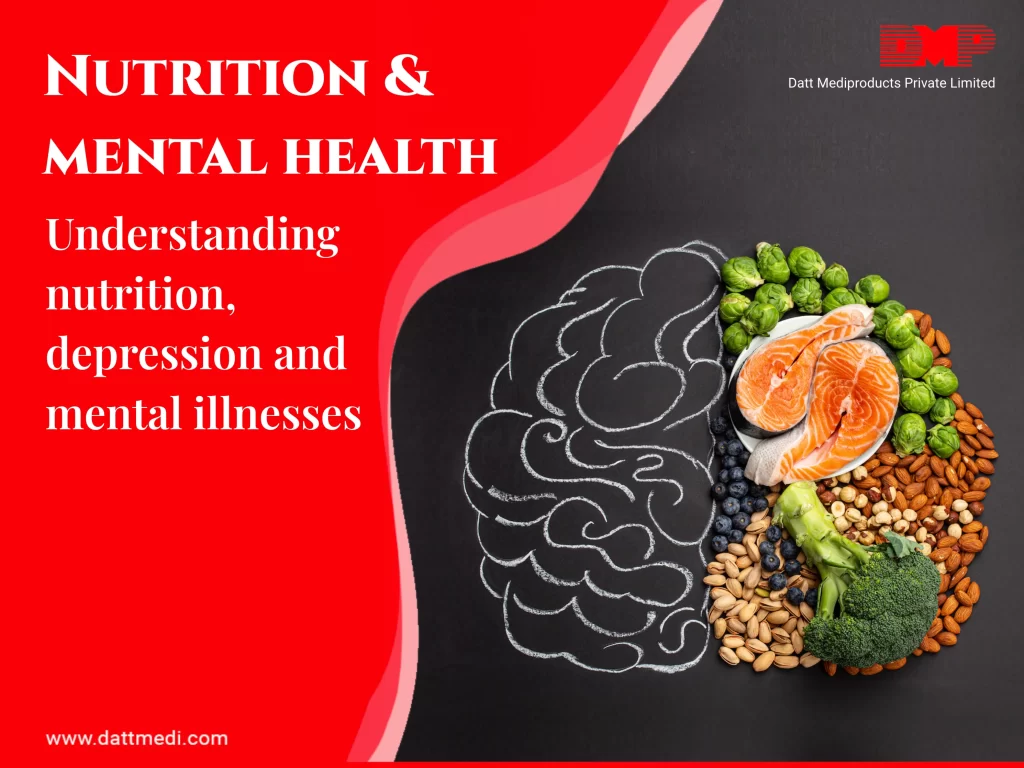
Good nutrition is essential for our physical health, but did you know it can also have a significant impact on our mental health? In recent years, researchers have discovered a strong link between what we eat and our mood, emotions, and overall mental well-being. In this blog, we’ll explore this connection in more depth and provide practical tips for how to balance both nutrition and mental health for optimal overall health.

(more…)
Logo

Datt Mediproducts Private Limited

Loading