

Search by Blog
Read by Category

Your healing journey continues beyond this blog

Find the right products for better recovery at online store
Cart Image
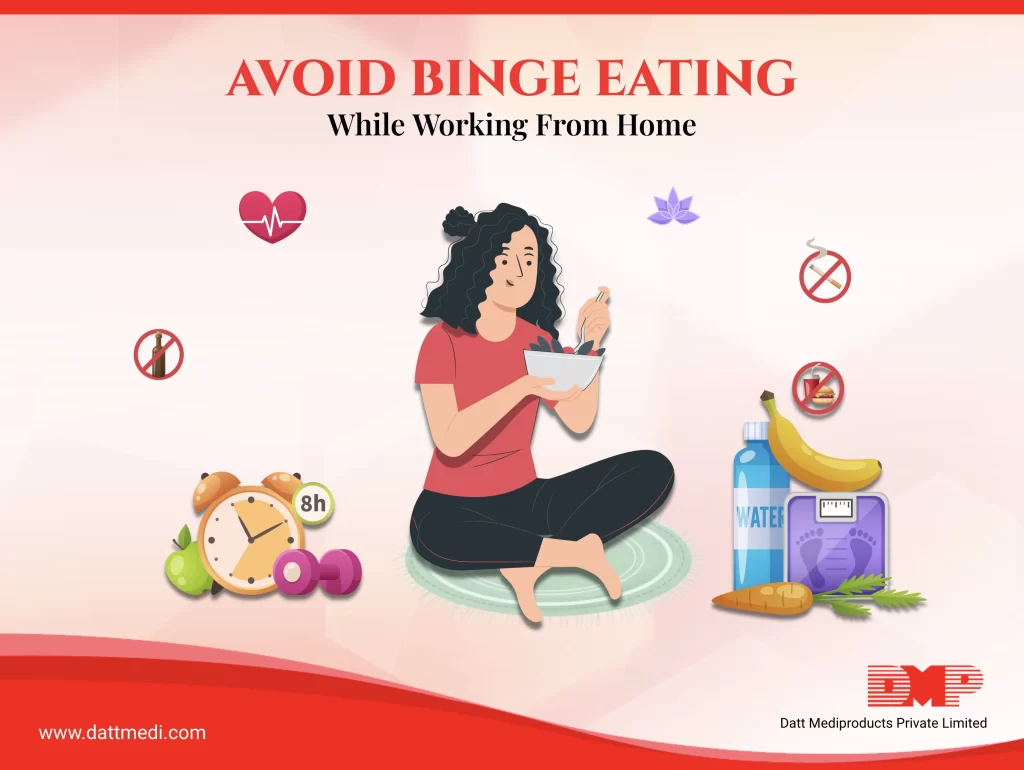
Eating Mindfully while working from Home

The ongoing covid-19 global pandemic is affecting our lives in a number of ways. Most of us have been spending a majority of our time at home. It can sometimes be hard to keep a balance on all aspects when working from home.

The easiest thing to give into, while stuck at home, is finding ways to satisfy our taste buds. It may be by cooking more sweets at home or snacking quite frequently. 

Keeping a check on daily nutrition intake can be a tough job for some. Eating just because there is plenty of food available or because you are bored can sabotage your weight loss dreams and slow down your productivity. When you frequently consume large quantities of food and face barriers to stop eating, this could lead to what is known as “Binge-eating disorder”.

Everyone indulges in overeating once in a while but when it starts to become more frequent it can lead to the disorder. Sometimes when we are working from home, we’re not fully aware of what we’re eating because our mind is primarily focusing on the work we are doing. To keep a check on binge eating and save yourself from obesity, be mindful while eating. It is easier to overeat when you’re distracted so put away all other distractions when eating and concentrate on your meal. 

Mindful eating encompasses you being fully attentive towards your food when you buy, prepare, serve and consume it.

We bring to you some healthy ways towards mindful eating and avoid binge eating.

HEALTHY PANTRY:
Don’t stock your pantry like a grocery market rack or a vending machine. This way you will eat more because you have an option to do so. Try to replace junk food with healthy options whether snack foods or a complete cereal meal. Consider the health/ nutrition value of every item you have on your grocery list.

EAT MEALS AT REGULAR INTERVALS:
Even though your work hours have changed, plan set times for your meals. With intervals of 4-5 hours, planning the main meals during same time of each day helps to control hunger and subsides the urge to snack all day long.

LIMIT YOUR PORTION SIZE:
Make sure that you don’t eat straight out of the bag or original snack pack. If you do so, you may find it really hard to control portions intake. The Healthy Plate Method may be followed for main meals of the day. This encompasses filling a 9-inch plate with non-starchy vegetables, one-fourth the plate with a lean protein and one-fourth the plate with a high fiber carbohydrate.

TAKE SMALL BITES & CHEW THOROUGHLY:
Take small bites while eating as it’s easier to taste & enjoy your food when mouth isn’t full. Chew thoroughly to taste the essence and be surprised at all the flavours released. It is recommended to chew your food between 20-40 times.

KEEP WORK AREA & FOOD SEPARATELY:
Try and keep your work area away from the kitchen. If your fridge or pantry area is in your line of vision, you would be more frequently tempted to go and check out what’s available for binging.

STAY HYDRATED:
Dehydration can make you fatigue and cause headaches, in turn affecting productivity. Just keep a water bottle handy near your work area like you do in your office. 

We understand that mindful eating takes practice. In a nutshell, you can strive to eat more slowly, chew thoroughly, detach yourself from distractions, and stop eating when you’re almost full.


Visit www.dattmedi.com for more infomation.
Share:
Recent Blogs
Global Obesity Epidemi

The Global Obesity Epidemic: How Lifestyle Changes Can Help

Obesity is a growing global health crisis, affecting millions worldwide and leading to severe health, economic, and social consequences. However, adopting sustainable lifestyle changes—such as balanced nutrition, regular exercise, and better sleep habits—can significantly improve health and aid in weight management.

Understanding the Scope of Obesity

According to the World Health Organization (WHO), over 1.9 billion adults were overweight in 2016, with 650 million classified as obese. Obesity affects both high-income and developing nations, driven by factors such as sedentary lifestyles, urbanization, increased consumption of highly processed foods, and genetic predisposition.

Obesity also significantly increases the risk of chronic diseases, including type 2 diabetes, hypertension, and cardiovascular conditions. Additionally, it negatively impacts mental health, contributing to anxiety, depression, and low self-esteem. Healthcare systems worldwide face immense economic burdens due to obesity-related illnesses, emphasizing the need for effective preventive measures.

Nutrition: The Foundation of Healthy Weight Management

A balanced, nutrient-rich diet is essential for maintaining a healthy weight. Ideally, meals should consist of:

  • 50% vegetables,
  • 25% lean proteins,
  • 25% whole grains

This combination ensures optimal nutrition and satiety.

Key Diet Tips to Improve Your Lifestyle

  • Prioritize Whole, Unprocessed Foods: Opt for fresh vegetables, lean meats, whole grains, and healthy fats instead of ultra-processed foods that contain added sugars and preservatives.
  • Eat Protein at Every Meal: Helps with muscle retention, metabolism, and satiety.
  • Hydration is Key: Drinking enough water aids digestion, boosts metabolism, and prevents overeating.
  • Reduce Sugary Drinks and Alcohol: These contribute significantly to weight gain and metabolic issues.

Foods to Avoid for Better Health

  • Highly Processed Foods – Chips, instant noodles, sugary cereals
  • Excess Sugar – Soda, candy, high-sugar yogurts
  • Trans Fats & Hydrogenated Oils – Found in fried and packaged foods
  • Artificial Sweeteners & Additives – May disrupt gut health and increase cravings
Pro Tip: Eating fiber and protein before carbohydrates can significantly reduce post-meal blood sugar spikes, improving metabolic health.

Small Changes, Big Impact

Regular physical activity is essential for maintaining a healthy weight and improving overall well-being. The WHO recommends: 150 minutes of moderate-intensity exercise per week OR 75 minutes of vigorous-intensity exercise per week.

Many believe cardio is the best way to lose weight, but strength training (resistance training) is just as—if not more—important.

Here’s why:

  • Increases Muscle Mass – More muscle = higher metabolism = more calories burned even at rest.
  • Strength training leads to increased fat oxidation and improved insulin sensitivity.
  • Essential for long-term weight management and overall strength.
  • Reduces the risk of osteoporosis.

Simple Strength Training Exercises:

Squats, lunges, push-ups, and resistance band workouts (2-3 times per week) can significantly improve health and weight management. Lack of sleep is a major contributor to obesity that many overlook.

Studies show that adults who sleep less than 6 hours per night are more likely to experience weight gain.

How Sleep Affects Weight Loss

  • Poor sleep increases ghrelin (hunger hormone) and decreases leptin (satiety hormone), leading to overeating.
  • Sleep deprivation slows down calorie-burning efficiency.
  • Strength training and exercise require proper rest for optimal results.
  • Poor sleep leads to more cravings and unhealthy food choices.

Tips for Better Sleep

  • Aim for 7-9 hours per night
  • Maintain a consistent sleep schedule
  • Limit screen time before bed
  • Avoid caffeine or heavy meals before bedtime

Sustainable weight management requires gradual lifestyle adjustments, including:

  • Setting realistic goals
  • Maintaining consistent meal times
  • Improving sleep quality
  • Managing stress effectively

Stress often triggers emotional eating, leading to weight gain. Learning effective stress-management techniques, such as mindfulness and relaxation exercises, can prevent this.

Even small changes—like swapping one sugary snack for a fruit or adding a 15-minute walk—can lead to significant improvements over time. 

Public health initiatives must continue raising awareness of obesity risks and healthy habits. Educational programs, health apps, and campaigns help, but relying on verified medical sources is essential for accurate information.

For some, medical support may be necessary. Conditions such as thyroid disorders or hormonal imbalances can make weight management difficult. Consulting a nutritionist, dietitian, or healthcare provider can provide personalized strategies for success.

Take Charge of Your Health Today!

Making lifestyle changes may seem challenging, but small actions lead to big results. At Datt Mediproducts, we are committed to empowering individuals with the right tools for informed health decisions. Explore our innovative solutions and take a step toward a healthier future!

Chronic Pain Living Better Every Day

Chronic pain is a pervasive issue that affects millions of individuals worldwide, significantly altering their daily lives and overall well-being. Unlike acute pain, which serves as a signal of injury or illness and typically subsides with treatment, chronic pain persists for weeks, months, or even years. This relentless discomfort can arise from various conditions such as arthritis, fibromyalgia, and nerve damage. The impact of chronic pain extends beyond the physical realm, often leading to emotional distress and reduced quality of life.

In this blog, we will delve into effective strategies for managing chronic pain, focusing on coping techniques, nutrition, emotional well-being, and lifestyle adaptations. By understanding and addressing the multifaceted nature of chronic pain, individuals can improve their daily lives and enhance their overall health.

Coping Strategies and Techniques:

Managing chronic pain involves various coping mechanisms. Mindfulness and relaxation techniques, such as meditation and progressive muscle relaxation, can help reduce pain perception. Breathing exercises, like deep breathing or diaphragmatic breathing, also provide relief. Regular physical activity, tailored to your condition, can improve flexibility and strength, reducing pain over time. Activities such as swimming, walking, and yoga are often recommended for their low-impact benefits.

Nutrition and Diet:

Nutrition plays a vital role in managing inflammation and pain. Anti-inflammatory foods, such as leafy greens, fatty fish, nuts, seeds, and berries, can help alleviate symptoms. Omega-3 fatty acids, found in fish and flaxseeds, are particularly beneficial. Conversely, avoiding processed foods, sugary snacks, and excessive caffeine is crucial as they can exacerbate inflammation and pain. Staying hydrated and maintaining a balanced diet support overall health and pain management.

Emotional Well-being:

Chronic pain takes an emotional toll, often leading to anxiety, depression, and stress. Supporting mental health through therapy, such as cognitive-behavioral therapy (CBT), can be effective. CBT helps in changing negative thought patterns and developing coping strategies. Seeking social support from friends, family, or support groups can provide comfort and understanding. Engaging in hobbies, practicing mindfulness, and using relaxation techniques can help manage stress and improve emotional resilience.

Adapting Daily Life:

Adapting daily routines can enhance quality of life. Using assistive devices like ergonomic furniture, mobility aids, and adaptive tools can make daily tasks easier and more comfortable. Prioritizing rest and pacing activities throughout the day can prevent flare-ups and manage energy levels. Organizing your environment to minimize unnecessary strain and setting realistic goals for activities can help maintain a balance between activity and rest.

By understanding chronic pain and implementing these strategies, you can live a more fulfilling life despite the challenges. Managing chronic pain requires a holistic approach that addresses physical, emotional, and lifestyle factors, empowering you to live better every day.

Logo

Datt Mediproducts Private Limited

Loading