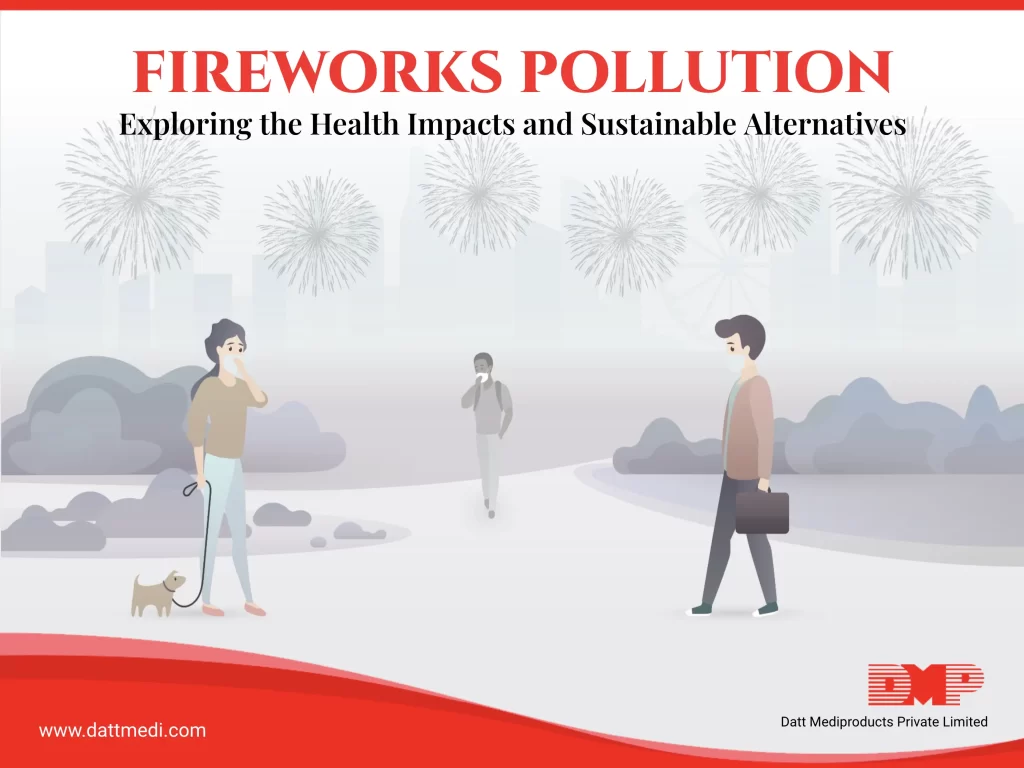
Fireworks are a traditional part of celebrations worldwide, captivating us with their vibrant colors and mesmerizing displays. However, behind their beauty lies a darker side – fireworks contribute significantly to air and noise pollution, posing potential health risks. In this blog, we will delve into the environmental and health impacts of fireworks and explore sustainable alternatives that can help us celebrate responsibly.
The Environmental Toll of Fireworks
Fireworks emit a plethora of pollutants that harm the environment. The combustion of fireworks releases toxic substances such as sulphur dioxide, heavy metals (lead, copper, and zinc), and fine particulate matter. These pollutants have deleterious effects on air quality and can contribute to respiratory issues, cardiovascular problems, and even cancer.
Moreover, the colourful explosions generate a considerable amount of waste, including plastic debris and chemical residues that contaminate water bodies. Understanding the environmental toll of fireworks emphasizes the urgency of adopting eco-friendly alternatives.
Health Impacts of Fireworks Pollution:
Fireworks pollution affects both the physical and mental well-being of individuals. The fine particulate matter released during fireworks displays can penetrate deep into the lungs, triggering respiratory conditions such as asthma and chronic obstructive pulmonary disease (COPD). For people with pre-existing respiratory conditions, exposure to fireworks pollution can exacerbate symptoms and lead to hospitalizations. Additionally, the loud noise produced by fireworks can cause hearing damage, especially in children and individuals with sensory sensitivities.
Furthermore, the chemical compounds found in fireworks, such as perchlorates, can contaminate water sources and affect aquatic life, posing a threat to ecosystems. Fireworks pollution has also been linked to adverse effects on wildlife, including birds, insects, and marine organisms.
Sustainable Alternatives for Celebrations:
In light of the harmful effects of fireworks pollution, it is essential to consider sustainable alternatives that allow us to celebrate while minimizing environmental impact.
Here are some eco-friendly options:
Laser Light Shows:
Laser displays can create stunning visual effects without the release of pollutants or noise. They offer a safer alternative for sensitive individuals and reduce the risk of accidental fires.
Biodegradable Confetti:
Replace traditional confetti with biodegradable alternatives made from recycled paper or plant-based materials. These options decompose quickly and do not contribute to pollution.
LED Decorations:
Use LED lights to illuminate events and create a festive atmosphere. LED lights are energy-efficient and have a longer lifespan, reducing both energy consumption and waste.
Nature-Inspired Celebrations:
Organize outdoor events in natural settings, such as parks or gardens, and incorporate nature-inspired themes. Emphasizing the beauty of the natural environment encourages a deeper connection with nature while reducing the need for artificial displays.
Community Activities:
Organize community events focused on art, music, and cultural performances rather than fireworks. These activities foster a sense of togetherness and can be just as enjoyable, if not more, without the negative environmental impact.
As we celebrate special occasions, it is crucial to be mindful of the environmental and health impacts of fireworks pollution. By adopting sustainable alternatives, we can preserve the beauty of our planet, protect our health, and create a more eco-conscious society. Let us embrace responsible celebrations that leave a positive and lasting impact on both our lives and the environment.