

Search by Blog
Read by Category

Your healing journey continues beyond this blog

Find the right products for better recovery at online store
Cart Image

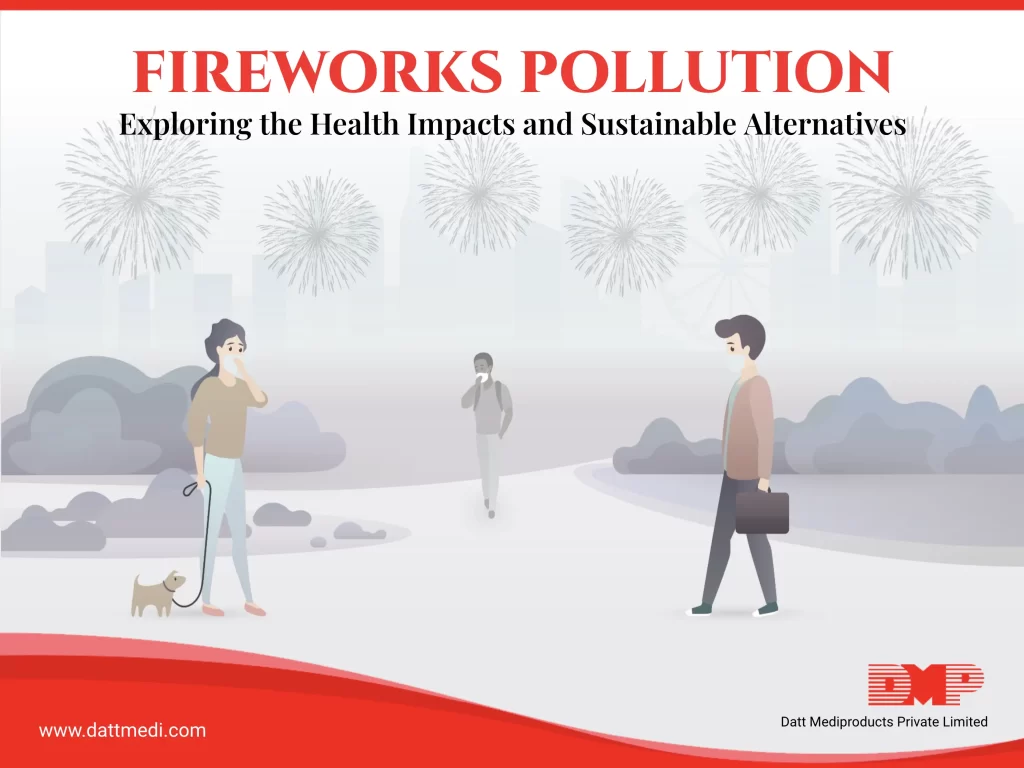
Fireworks are a traditional part of celebrations worldwide, captivating us with their vibrant colors and mesmerizing displays. However, behind their beauty lies a darker side – fireworks contribute significantly to air and noise pollution, posing potential health risks. In this blog, we will delve into the environmental and health impacts of fireworks and explore sustainable alternatives that can help us celebrate responsibly.

The Environmental Toll of Fireworks

Fireworks emit a plethora of pollutants that harm the environment. The combustion of fireworks releases toxic substances such as sulphur dioxide, heavy metals (lead, copper, and zinc), and fine particulate matter. These pollutants have deleterious effects on air quality and can contribute to respiratory issues, cardiovascular problems, and even cancer.

Moreover, the colourful explosions generate a considerable amount of waste, including plastic debris and chemical residues that contaminate water bodies. Understanding the environmental toll of fireworks emphasizes the urgency of adopting eco-friendly alternatives.

Health Impacts of Fireworks Pollution:

Fireworks pollution affects both the physical and mental well-being of individuals. The fine particulate matter released during fireworks displays can penetrate deep into the lungs, triggering respiratory conditions such as asthma and chronic obstructive pulmonary disease (COPD). For people with pre-existing respiratory conditions, exposure to fireworks pollution can exacerbate symptoms and lead to hospitalizations. Additionally, the loud noise produced by fireworks can cause hearing damage, especially in children and individuals with sensory sensitivities.

Furthermore, the chemical compounds found in fireworks, such as perchlorates, can contaminate water sources and affect aquatic life, posing a threat to ecosystems. Fireworks pollution has also been linked to adverse effects on wildlife, including birds, insects, and marine organisms.

Sustainable Alternatives for Celebrations:

In light of the harmful effects of fireworks pollution, it is essential to consider sustainable alternatives that allow us to celebrate while minimizing environmental impact.
Here are some eco-friendly options:

Laser Light Shows:

Laser displays can create stunning visual effects without the release of pollutants or noise. They offer a safer alternative for sensitive individuals and reduce the risk of accidental fires.

Biodegradable Confetti:

Replace traditional confetti with biodegradable alternatives made from recycled paper or plant-based materials. These options decompose quickly and do not contribute to pollution.

LED Decorations:

Use LED lights to illuminate events and create a festive atmosphere. LED lights are energy-efficient and have a longer lifespan, reducing both energy consumption and waste.

Nature-Inspired Celebrations:

Organize outdoor events in natural settings, such as parks or gardens, and incorporate nature-inspired themes. Emphasizing the beauty of the natural environment encourages a deeper connection with nature while reducing the need for artificial displays.

Community Activities:

Organize community events focused on art, music, and cultural performances rather than fireworks. These activities foster a sense of togetherness and can be just as enjoyable, if not more, without the negative environmental impact.

As we celebrate special occasions, it is crucial to be mindful of the environmental and health impacts of fireworks pollution. By adopting sustainable alternatives, we can preserve the beauty of our planet, protect our health, and create a more eco-conscious society. Let us embrace responsible celebrations that leave a positive and lasting impact on both our lives and the environment.
Visit www.dattmedi.com for more infomation.
Share:
Recent Blogs

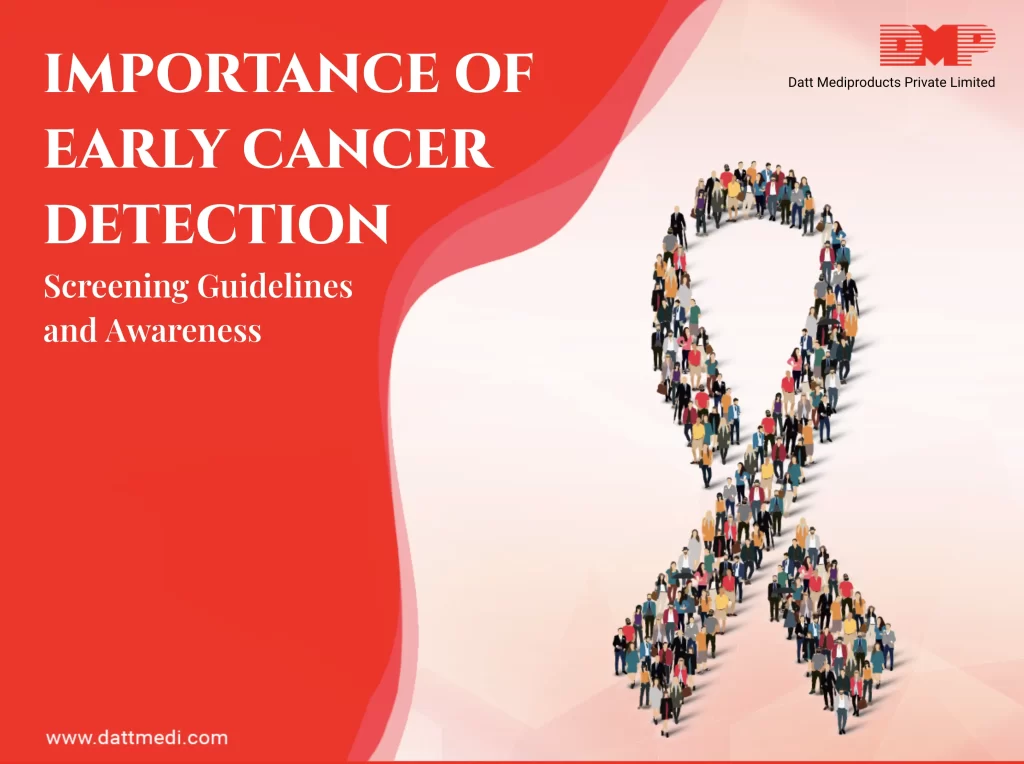
In our fast-paced and demanding modern world, it has become increasingly crucial to prioritize our health and well-being. Among the myriad of health concerns affecting millions worldwide, cancer stands as one of the most significant challenges we face. However, with advances in medical science, early detection has emerged as a powerful tool in the fight against this devastating disease. In this blog, we will explore the importance of early cancer detection, shed light on screening guidelines, and emphasize the necessity of regular screenings for various types of cancer.

The Impact of Early Cancer Detection: Early detection plays a pivotal role in improving cancer outcomes and significantly increasing the chances of successful treatment. When cancer is detected in its early stages, before it has metastasized, treatment options are often less aggressive and more effective. Moreover, early detection significantly enhances survival rates, underscoring the vital importance of regular screenings for individuals.

Screening Guidelines for Different Types of Cancer:

Breast Cancer:

Among women, breast cancer is one of the most prevalent forms of the disease. The American Cancer Society advises that women aged 40 and above should undergo annual mammograms for breast cancer screening. However, individual risk factors may warrant earlier screenings or additional tests.


Colorectal Cancer:

Affecting both men and women, colorectal cancer ranks as the third most common cancer globally. Screening for colorectal cancer typically begins at the age of 45. Methods such as colonoscopy, sigmoidoscopy, and stool-based tests are employed to detect abnormal growths or cancerous cells in the colon or rectum.

Cervical Cancer:

Regular screenings and human papillomavirus (HPV) vaccination can prevent cervical cancer. The American Cancer Society recommends cervical cancer screening for individuals with a cervix starting at the age of 25. This can be achieved through a Pap test, an HPV test, or a combination of both.

Lung Cancer:

As the leading cause of cancer-related deaths worldwide, lung cancer poses a significant threat. For individuals at high risk, such as current or former smokers, low-dose computed tomography (LDCT) scans are recommended. Screening should commence at the age of 50 and continue until age 80, or as long as the individual is in good health.


Prostate Cancer:

Primarily affecting men, prostate cancer typically develops in older individuals. The American Cancer Society advises men to discuss the potential benefits and risks of prostate cancer screening with their healthcare provider. Screening options include prostate-specific antigen (PSA) blood tests and digital rectal exams.

Early cancer detection can save lives by enabling more effective treatment options and improving survival rates. By adhering to the recommended screening guidelines for different types of cancer, individuals can take proactive steps towards their health and potentially detect cancer in its early stages.

Through raising awareness, educating the public, and advocating for regular screenings, we can work together to alleviate the burden of cancer and enhance overall healthcare outcomes. Remember, prevention and early detection are the keys to triumphing over cancer. This strategic stance promises extended lives, improved outcomes, and a brighter future for all, underscoring the vital role of early cancer detection as a beacon of hope in a world where health is paramount.

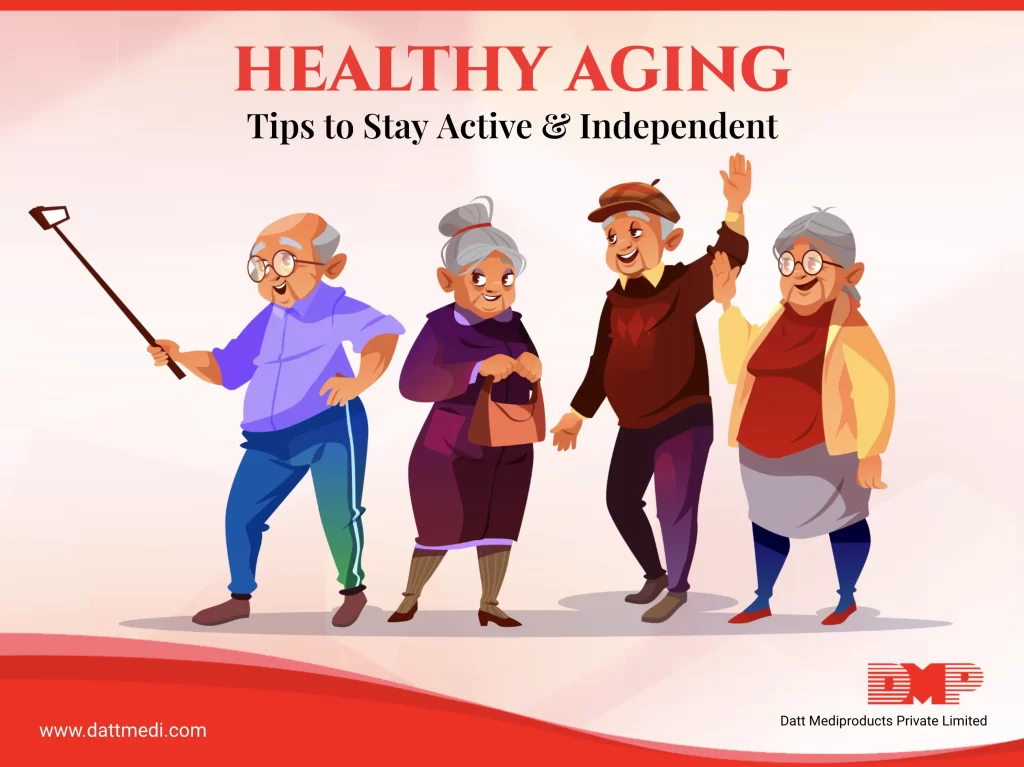
As we age, our bodies undergo several changes that can affect our overall health. These changes include a decrease in muscle mass and bone density, a slower metabolism, and a decline in cognitive function. Additionally, our immune system may weaken, making us more susceptible to infections and illnesses.

However, it’s important to remember that aging doesn’t necessarily mean poor health. By taking care of our bodies and adopting healthy habits, we can age gracefully and maintain our health and independence.

Issues Faced with Aging:

There are several issues that can arise as we age. Some of the most common include:

1. Chronic conditions:

As we age, we are more likely to develop chronic health conditions such as diabetes, arthritis, and heart disease.

2. Mobility issues:

Muscles and joints can become stiff and less flexible with age, which can make it harder to move around.

3. Cognitive decline:

Memory loss and other cognitive changes can occur with age.

4. Social isolation:

Older adults may experience social isolation and loneliness, which can lead to depression and other health problems.

5. Caregiver burden:

Family members or other caregivers may experience stress and burnout when caring for an older adult.

Ways to Overcome in a Healthy Way:

A. Stay active:

Regular exercise can help maintain muscle strength, flexibility, and balance. Try to engage in physical activity for at least 30 minutes a day, five days a week. This could be as simple as taking a walk or doing some light stretching.

B. Eat a healthy diet:

A balanced diet with plenty of fruits, vegetables, whole grains, and lean protein can help maintain overall health. It’s also important to stay hydrated by drinking plenty of water.

C. Keep your mind active:

Engage in activities that challenge your brain, such as reading, doing puzzles, or learning a new skill. This can help maintain cognitive function and prevent memory loss.

D. Stay socially engaged:

Join clubs or groups that interest you, volunteer in your community, or spend time with family and friends. Staying socially engaged can help prevent loneliness and depression.

E. Be proactive about healthcare:

Regular check-ups with your healthcare provider can help detect and treat health problems early on. It’s also important to follow recommended screening guidelines for conditions such as cancer and heart disease.

While it’s important to take care of ourselves as we age, it’s also important to take precautions to prevent falls and other accidents.

Some ways to do this include:

  • Keep your home well-lit and free of clutter.
  • Install grab bars in the bathroom and other areas where you may need extra support.
  • Use assistive devices such as a cane or walker if needed.
  • Wear proper footwear with good support and non-slip soles.
  • Be aware of potential hazards such as uneven sidewalks or slippery floors.

Healthy aging is achievable with the right mindset and healthy habits. By staying active, eating a healthy diet, keeping our minds active, staying socially engaged, and being proactive about healthcare, we can maintain our health and independence as we age.

We advice to take precautions to prevent falls and other accidents, and don’t be afraid to ask for help when needed. With these tips and strategies, we can age gracefully and enjoy a healthy and fulfilling life.

Logo

Datt Mediproducts Private Limited

Loading