

The power of the human brain is limitless and can’t be determined. The brain is the control center of the human body and commands all bodily functions and systems.
The American Brain Society says that the human brain is an energy-intensive organ and requires a lot of good food and nutrients to stay healthy.
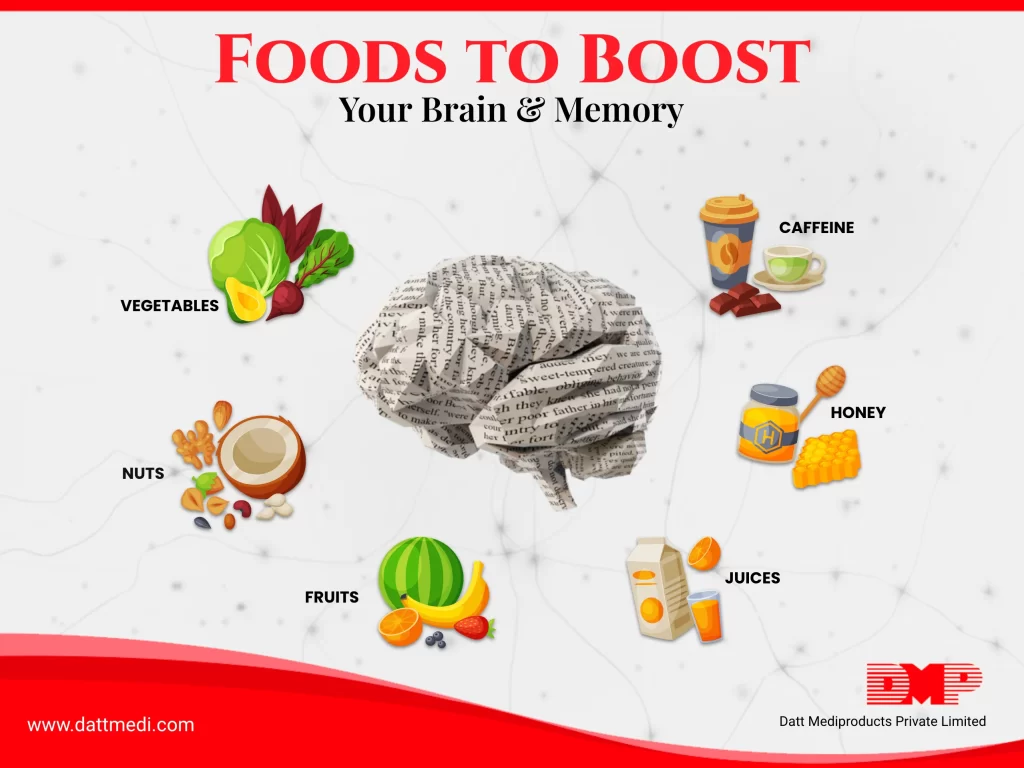
We have come up with a list of some of the super brainy foods for your memory and cognitive health.
HONEY: The study published in the Medical Sciences journal, “Potential Role of Honey in Learning and Memory”, shows that Honey helps to improves morphology of memory-related brain areas, decrease the brain oxidative stress, increase brain-derived neurotrophic factor (BDNF) and acetylcholine (ACh) concentrations, and also lowers acetylcholinesterase (AChE) in the brain homogenates. Thus improving learning and memory functions.
COFFEE: A cup of coffee is more than just a short term energy and concentration boost. It enhances cognitive function even helps to solidify memories, as published in a 2014 study in The Journal of Nutrition.
NUTS: Nuts are a magnificent source of proteins & vitamin E and help protect healthy brain function. As per a study published in the American Journal of Epidemiology, “Association of antioxidants with memory in a multiethnic elderly sample using the Third National Health and Nutrition Examination Survey”, an adequate intake of vitamin E helps to avert cognitive decline.
BERRIES: Berries contain natural plant pigments called flavonoids that help to improve memory. It is evident from data collected at the Tufts University (U.S.) that blueberries contain protective compounds called anthocyanins and their consumption may be effective in improving or delaying short-term memory loss.
VEGETABLES WITH ANTIOXIDANTS: The human brain is highly susceptible to damage from oxidative stress. Certain micronutrients such as “Alpha-lipoic acid” found in meats like kidney, heart, and liver, and some vegetables like spinach, broccoli, and potatoes, is shown to influence cognitive function.
CURCUMIN: Curcumin or Turmeric is a strong antioxidant and relatively non-toxic. It protects the human brain from lipid peroxidation and lipid oxide-based radicals. Curcumin has been shown to reduce memory deficits in animal models of Alzheimer’s disease and brain trauma, as documented in the Experimental Neurology journal.
SEAFOOD WITH OMEGA-3 FATTY ACIDS: A study published in the American Journal of Clinical Nutrition, “Is docosahexaenoic acid, an n-3 long-chain polyunsaturated fatty acid, required for the development of normal brain function? An overview of evidence from cognitive and behavioral tests in humans and animals”, a diet rich in omega-3 fatty acids supports cognitive processes. Fatty fish such as salmon, cod, canned light tuna, and pollack have been linked to reducing blood levels of beta-amyloid protein that forms damaging clumps in the brains of Alzheimer’s disease patients.
In contrast to this list of brain foods for cognitive function, it is also documented in the journal Neurobiology of Aging in a study titled, “High-fat diets, insulin resistance, and declining cognitive function”, diets rich in saturated fats reduce the molecular substrates which support cognitive processing, thereby escalating the risk of neurological dysfunction.
Stay tuned for more on some unique health facts and foods in our next blog on “Anti-inflammatory foods” @dattmediproducts or visit our website www.dattmedi.com to know more.