
Search by Blog
Read by Category

Your healing journey continues beyond this blog

Find the right products for better recovery at online store
Cart Image
Managing Orthopedic Injury

From the Field to Recovery: Orthopedic Injury Essentials for Athletes

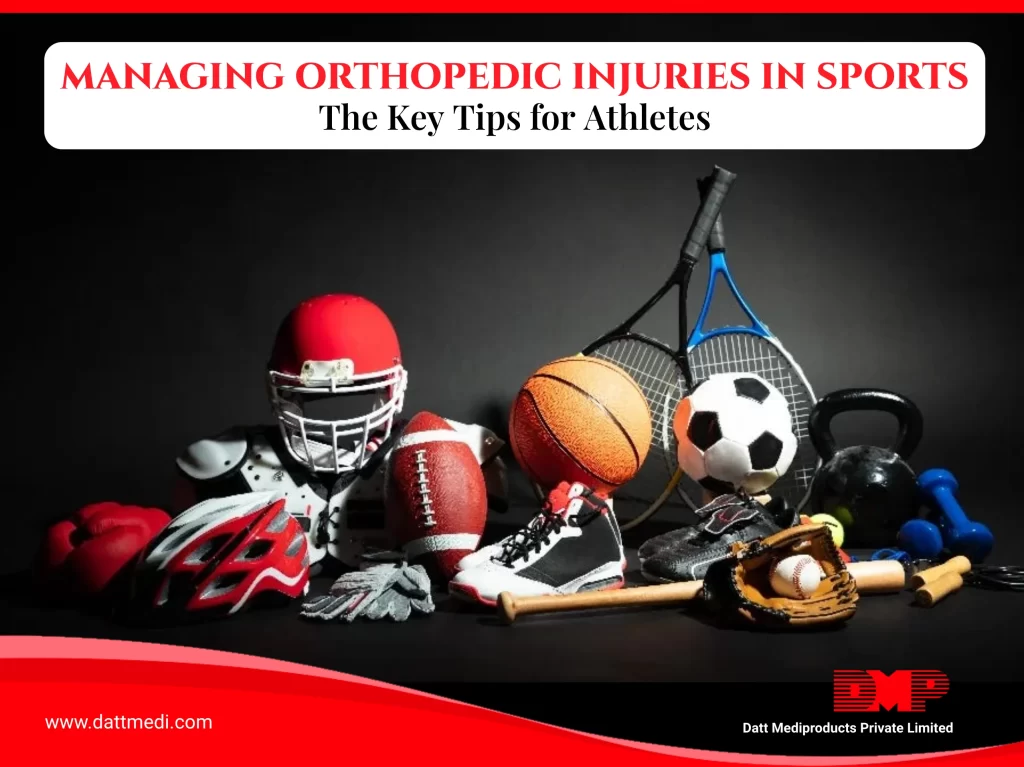
Sports seasons bring excitement and competition, but they also increase the risk of orthopedic injuries. Athletes must adopt preventive measures and utilize effective orthopedic injury management strategies to ensure peak performance and long-term health.

This guide explores common injuries, prevention strategies, and the role of orthopedic products in recovery.

Common Orthopedic Injuries in Athletes

Athletes often face various orthopedic injury, including:

1. Sprains, Strains, and Fractures

Sprains: A sprain occurs when ligaments (the tissue connecting bones) are stretched or torn, often caused by sudden twisting or rolling of a joint.
Example: A soccer player might twist their ankle while changing direction quickly on the field, resulting in an ankle sprain.

Strains: A strain is an injury to muscles or tendons caused by overuse, overstretching, or excessive force.
Example: A weightlifter lifting a heavy load with improper form might experience a strain in their lower back muscles.

Fractures: A fracture refers to a break in a bone, which can occur due to high-impact collisions or falls.
Example: A cyclist who crashes and lands on their arm might suffer a wrist fracture.

2. Tendon Injuries

Tendons are the fibrous tissues connecting muscles to bones, and they can become inflamed or torn due to overuse or repetitive movements.

Example: 
A tennis player might develop tennis elbow, a condition caused by repetitive strain on the tendons of the forearm. Similarly, a runner could experience Achilles tendonitis from frequent uphill running or poor footwear.

3. Overuse Injuries

Overuse injuries result from repetitive stress on bones, muscles, or joints without adequate rest or recovery time.
Example: A marathon runner who increases mileage too quickly might develop a stress fracture in their foot.

Stress Fractures: Tiny cracks in bones caused by repetitive impact activities like running or jumping.

Shin Splints: Pain along the shin bone caused by overuse of lower leg muscles.
Example: A basketball player who practices on hard courts for extended periods might develop shin splints due to the repetitive impact.

Prevention Strategies for Athletes

Preventing injuries requires a proactive approach that combines preparation, proper equipment, and targeted training:

1. Warm-Up and Cool-Down Routines:

Dynamic stretching and gradually increasing activity levels prepare muscles for exertion, improving flexibility and blood flow. Post-activity stretching helps reduce muscle stiffness and aids in recovery.

2. Proper Gear:

Using well-fitted shoes and sport-specific protective equipment minimizes the risk of injuries caused by poor support or inadequate protection.

3. Strength and Flexibility Training:

Incorporating targeted exercises strengthens muscles, enhances joint stability, and improves range of motion, reducing the likelihood of injury.

Example: 
A sprinter who performs a comprehensive warm-up involving dynamic stretches (such as leg swings and high knees) and wears track-specific, cushioned running shoes is less likely to experience a hamstring strain compared to an athlete who skips these steps and runs in ill-fitted or non-specialized shoes.

Innovative Orthopedic Solutions

Orthopedic products such as Cokomp™ Compression Bandage, Velsoft® Adhesive Bandage, and Velfour®-Plus are designed to provide tailored support and recovery solutions. From managing swelling with targeted compression to providing flexible and lightweight joint support, these products address a variety of athletic needs effectively.

When to Seek Professional Help
Certain signs indicate the need for medical attention to prevent further complications:

  • Severe swelling or bruising that doesn’t subside.
  • Inability to bear weight on the affected limb.
  • Persistent pain or visible deformities.

Physical therapy often plays a key role in recovery, helping athletes regain strength and mobility post-injury.

Building a Safe Sports Culture
Fostering a safe sports environment involves education and awareness:

  • Educating Athletes: Emphasize the importance of injury prevention, recognizing symptoms, and administering first aid.
  • Role of Coaches and Trainers: Encourage proper technique, regular rest, and adherence to safety protocols to minimize injury risks.

Fostering a safe sports environment requires a holistic strategy that emphasizes education, preparation, and recovery. By integrating preventive measures, timely intervention, and the right orthopedic solutions, athletes can minimize the impact of injuries while optimizing performance.

Our advanced orthopedic solutions provide tailored support and comfort, helping athletes recover faster and maintain mobility. Whether it’s targeted compression or flexible support, our products are designed with athletes’ unique needs in mind.

Equip yourself for a safer, healthier sports season with Datt Mediproducts. Our innovative range of orthopedic injury solutions, including high-quality compression bandages and supportive products, is designed to meet the unique needs of athletes. Discover how our products can enhance recovery and performance at Datt Mediproducts.
Visit www.dattmedi.com for more infomation.
Share:
Recent Blogs
Choosing the Right Compression Stocking for Varicose Veins

Varicose Veins are enlarged, twisted veins that bulge under your skin. They normally develop when blood flow is obstructed and are more than just a cosmetic concern; they can cause discomfort and, if untreated, lead to more serious health issues. Medical compression stockings and wraps, such as the Velcare® range from us, provide an effective solution for managing varicose veins. Understanding their benefits and features can help you make an informed choice.

Velcare® -Varicose Veins Stocking: Support Where You Need It

Designed to offer Class 2 Compression (23-32mmHg), Velcare® -Varicose Veins Stocking are ideal for promoting circulation and reducing varicose vein symptoms. The graduated compression applies gentle pressure from the ankle upwards, aiding blood flow back to the heart.

Key Features of Velcare® -Varicose Veins Stocking:

  • Effective Compression: Reduces swelling and discomfort associated with varicose veins.
  • Comfortable Wear: Soft, breathable, latex-free materials ensure all-day comfort.
  • Durable Construction: Four-way stretchability enhances flexibility and durability for long-term use.
  • Medical Grade Quality: Designed to meet medical standards for effective varicose vein management.


Velcare® -Inelastic Wrap: Customizable Compression

For those preferring an alternative to traditional stockings, Velcare® -Inelastic Wrap provides targeted calf compression without constant adjustment. Adjustable straps offer a customized fit for optimal compression therapy tailored to individual needs.

Key Features of Velcare® -Inelastic Wrap:

  • Targeted Compression: Focuses on calf muscles for effective circulation support.
  • Adjustable Fit: Velcro straps ensure a secure fit and ease of adjustment.
  • Ease of Use: Simple application and removal for convenient daily wear.
  • Breathable Material: Allows the skin to breathe, suitable for extended use.

Choosing the Right Option for You

When deciding between Velcare® -Varicose Veins Stocking and Velcare® -Inelastic Wrap, consider your lifestyle, comfort preferences, and specific medical needs. Both options offer effective relief for varicose veins, with the stockings providing graduated compression and the wrap offering targeted support and ease of use.

Whether you choose the graduated compression of Velcare® -Varicose Veins Stocking or the targeted support of Velcare® -Inelastic Wrap, we as Datt Mediproducts, ensures you receive high-quality products designed to improve circulation and alleviate varicose vein symptoms. Explore more about Velcare® products and find the right solution for managing your varicose veins with us.

Addressing Wound Care Challenges

Peripheral artery disease (PAD) presents significant challenges to wound healing, affecting millions globally. This condition, characterized by narrowed arteries that reduce blood flow to the limbs, particularly the legs, not only causes discomfort and mobility issues but also complicates the natural healing process for wounds.

The Impact of PAD on Wound Healing

PAD restricts blood flow to tissues, depriving them of essential oxygen and nutrients necessary for healing. When individuals with PAD sustain wounds, reduced circulation delays the body’s healing mechanisms. Even minor cuts or abrasions can become chronic wounds, prone to infection and slow to heal. The diminished circulation also hinders the body’s ability to deliver immune cells and growth factors to the wound site, further complicating recovery.

Challenges Faced by Patients with PAD often experience:

  • Delayed Healing: Wounds take longer to heal, increasing the risk of infection and complications.
  • Chronic Wounds: Persistent wounds that do not heal properly, requiring prolonged treatment and care.
  • Risk of Amputation: Severe cases may lead to tissue death (gangrene), necessitating amputation.

Specialized Wound Care Approaches:

Managing wounds in PAD patients requires a specialized approach that addresses both the wound and underlying circulatory issues:

  • Improving Blood Flow: Medical interventions like angioplasty or bypass surgery may restore blood flow to the affected area, enhancing wound healing.
  • Advanced Dressings: Specialized dressings that promote moisture balance and provide infection barriers are crucial. For instance, alginate dressings for exuding wounds or hydrocolloid dressings for maintaining a moist environment can aid healing.
  • Compression Therapy: Controlled compression helps improve leg circulation, reduce swelling, and promote better blood flow, facilitating wound healing.
  • Patient Education: Empowering PAD patients to understand the importance of regular foot care, proper hygiene, and recognizing signs of infection can prevent complications and support healing efforts.

Peripheral artery disease significantly affects wound healing, necessitating a multidisciplinary approach involving vascular specialists, wound care nurses, and patient education. Addressing both vascular issues and wound management strategies can enhance outcomes for PAD patients, improving their quality of life and reducing complications. Understanding these challenges and implementing specialized wound care approaches tailored to PAD patients is crucial for effective treatment and support.

Logo

Datt Mediproducts Private Limited

Loading