How Hand Sanitization defends the transmission of harmful germs?
Research studies** done by experts have shown that thousands of people across the globe die due to germ infections transferred through hands. In our daily life, hands come in contact with lots of environmental factors leading to transmission from one to another.
Hence, hand hygiene is the prime factor to prevent the spread of diseases from germs. It should be the first step to good health, protecting the body against infections.
Hand Hygiene is a Prime Concern in Our nation
“According to recognized organization UNICEF, the people of India are not habituated to washing hands using soaps. The statistics say that 53% of population washes hands after defecation, 38% before eating and 30% before preparing food.” *
If we compare the percentage to the population in the country, then the number of people that have awareness seems very poor. It is a challenge to transform the mindset of people towards washing their hands automatically during their daily routines.
Do you know – October 15 is Global Handwashing Day
When should you wash your hands? Handwashing with soap is a “do-it-yourself vaccine” that prevents infections and saves lives.
In our day-to-day life, we tend to do a lot of activities that lead us to come into contact with germs that we are not aware of.
Before and after food preparation
Every time you eat food items
Treating cut wounds
After treating a sick person
After changing diapers of a baby
After nose blowing/coughing or sneezing
After using the toilet
After touching an animal, animal feed or waste
After touching garbage bag
Above mentioned are a few daily activities in which you have a higher chance of coming in contact with germs and only proper care can shield you from widespread diseases.
What to do if you don’t have soap and clean water? There are times that soap and clean water are not readily available. In such circumstances, a hand sanitizer that contains 60% of alcohol, moisturizer, and a cleaning agent, can be used to kill 99.9% of germs. But handwashing is necessary when hands are visibly dirty or greasy.
Stop Germs Spread Smiles To save yourself from the diseases spread through germs it is important to follow preventive steps. During cold and flu season it is crucial to stay hydrated and take plenty of rest. This helps give your immune system a boost and gives you strength to fight against the diseases.
Hand Hygiene is considered as the prime indicator to maintain good health in the healthcare system. The golden rule is to follow – Wash your hands frequently, to reduce the risk of developing gastrointestinal, i.e. stomach and respiratory infection.
Make it a good practice, wash hands regularly and timely to spread SMILES, not GERMS.
Advanced Wound Care for the Elderly: Addressing Unique Challenges and Solutions
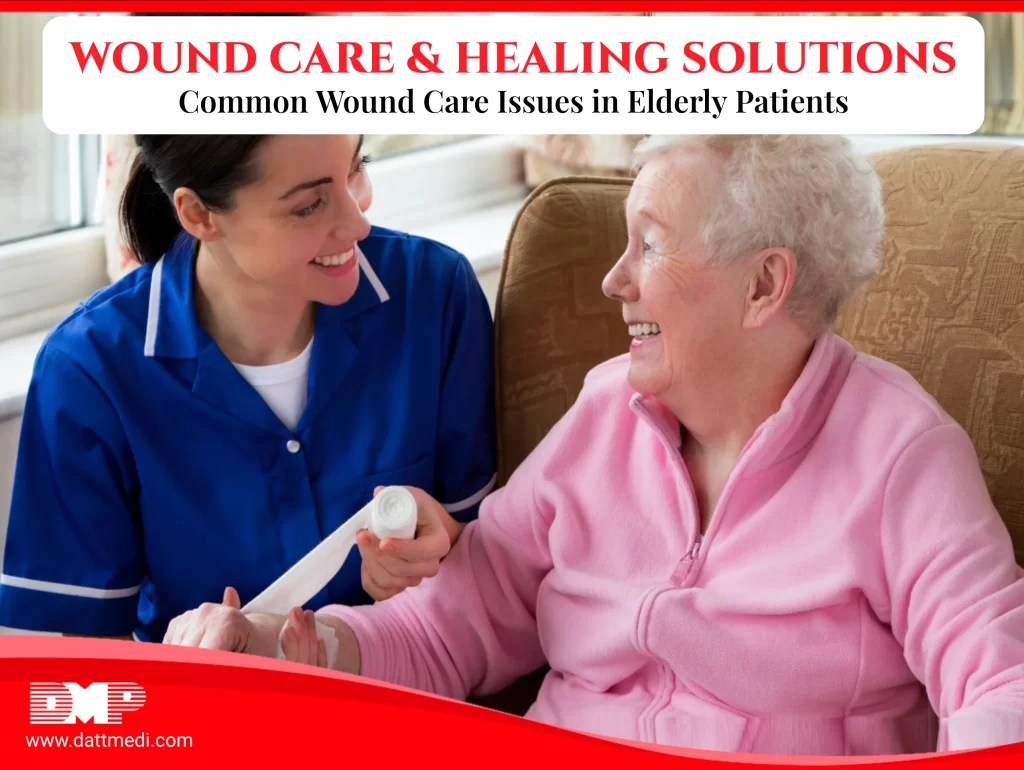
World Health Day reminds us of the importance of addressing health concerns across all age groups, particularly for the elderly. As people age, they often face unique challenges, including skin fragility and reduced mobility, which make wound care a crucial aspect of their health management. Advanced wound care tailored to elderly needs ensures better healing outcomes and improved quality of life.
Common Wound Issues in Elderly Patients
Skin Fragility & Chronic Wounds
Aging skin becomes thinner, less elastic, and more prone to damage. Studies indicate that skin tears affect up to 20-25% of elderly patients in long-term care facilities globally, highlighting the need for specialized wound management. Source
Elderly individuals are particularly susceptible to:
Tears: Even minor trauma can cause significant skin injuries.
Pressure Sores: Prolonged immobility leads to pressure ulcers, especially in bedridden patients. A study in India reported that pressure ulcers affect nearly 8.3% of hospitalized elderly patients. Source
Diabetic Ulcers: Poor circulation and nerve damage increase the risk of chronic wounds, with diabetic foot ulcers affecting nearly 25% of diabetes patients in India at some point in their lives. Source
Limited Mobility & Circulation

Reduced physical activity affects blood flow, leading to slower wound healing. A study published in the Indian Journal of Plastic Surgery found that elderly patients with limited mobility take 30-50% longer to heal from wounds. Mobility limitations can also make it challenging to provide adequate care, increasing the risk of infections and complications.  Source
Specialized Dressings for Effective Care
1. Moisture-Retentive and Antimicrobial Dressings
These dressings maintain an optimal healing environment while preventing infections. Products like Velvert® Secure provide antimicrobial protection and promote faster recovery.
2. Non-Adhesive & Waterproof Options
Delicate aging skin requires gentle care. Non-adhesive dressings minimize trauma during changes, while waterproof options allow patients to maintain daily hygiene without compromising wound protection.
Orthopedic Support Products for Recovery
1. Compression Bandages/Stockings
For conditions like venous leg ulcers or swelling, compression products improve circulation and reduce edema, facilitating better healing.
2. Support Braces & Pads
Braces and padding prevent pressure sores and provide stability, especially for patients with mobility challenges.
Tips for Caregivers in Elderly Wound Management
Daily Monitoring: Regularly inspect wounds for changes or signs of infection.
Hydration, Nutrition & Hygiene: Ensure patients stay hydrated, eat a balanced diet, and maintain clean skin to support healing.
Gentle Mobility: Encourage safe physical activity to improve circulation and prevent stiffness.
Collaborate with Professionals: Work closely with healthcare providers to develop and follow a tailored care plan.
Advanced wound care plays a vital role in elderly health and well-being. By addressing their unique challenges with specialized solutions and caregiver support, we can improve healing outcomes and enhance their quality of life.
In this World Health Month, let’s advocate for proactive care and ensure our elderly population receives the attention they deserve.
Choosing the Right Dressing for Chronic Wounds
Chronic wounds, such as diabetic ulcers, pressure sores, and venous leg ulcers, present unique challenges in wound care management. These wounds often resist healing due to underlying conditions such as poor circulation, increased infection risks, prolonged or excessive inflammation, and other patient-specific factors.
Selecting appropriate dressings tailored to the needs of chronic wounds is essential to promote healing and prevent complications.
Chronic wounds develop due to systemic issues that delay natural healing. Common types include:
Diabetic Ulcers: These ulcers result from reduced blood flow and nerve damage, often occurring on the feet. Proper care involves maintaining a balance between moisture and dryness, ensuring the wound does not become too dry or overly moist.
Stat Spotlight

In India, diabetic foot ulcers account for approximately 20% of all diabetes‑related hospitalizations.  ~ Source
Pressure Sores: Caused by prolonged pressure on the skin, these wounds are common among bedridden or immobile patients. Managing pressure and ensuring the wound stays clean and protected are vital.
Stat Spotlight

In India, point‑prevalence studies report that approximately 5% of hospitalized patients have pressure ulcers, underscoring the importance of preventive care.  ~Source
Venous Leg Ulcers: These ulcers result from chronic venous insufficiency, in which impaired venous return causes fluid to accumulate in the lower legs, increasing tissue pressure and leading to skin breakdown. Effective management typically centers on graduated compression therapy to improve circulation, alongside advanced dressings to control exudate, leg elevation, and skin care to protect the periwound area.
Managing these wounds involves addressing infection risks, ensuring patient comfort, and promoting effective healing using evidence-based dressing solutions. Selecting the appropriate dressing depends on the type of wound, its condition, and the specific challenges it presents.
Below are some general guidelines:
Diabetic Ulcers
Dressings should maintain moisture balance and provide effective infection control. Non-adhesive dressings are preferred to minimize skin damage during dressing changes. Velvert®, with its strong antimicrobial properties and excellent moisture management, is ideal for diabetic ulcers and wounds at high risk of infection.
Pressure Sores
These wounds require dressings that redistribute pressure and effectively manage exudate to prevent further tissue damage and support healing. Velfix®-S offers both cushioning and absorption, making it a reliable choice for pressure sores and wounds requiring enhanced comfort and protection.
Venous Leg Ulcers
Advanced dressings used in combination with compression therapy are essential for managing exudate and improving circulation. Velfour®, with its high absorption capacity, is well-suited for heavily exuding wounds, including venous leg ulcers.
Infected Wounds
Antimicrobial dressings are effective in managing bacterial growth and reducing the risk of complications. Silvel™ with its strong silver based antimicrobial action and Velvert™ with their strong silver-based antimicrobial action, are suitable for infected or high-risk wounds such as second-degree burns, necrotizing fasciitis, and traumatic wounds.
Here are some types of advanced dressings that address specific wound care needs:
Antimicrobial Dressings
Designed to manage infection risks, these dressings often contain agents like silver to inhibit bacterial growth. Silvel™ and Velvert™ are widely used for diabetic ulcers and pressure sores prone to infection, owing to their strong antimicrobial properties.
Foam Dressings
Highly absorbent, these dressings are ideal for wounds with significant exudate, such as venous leg ulcers. They also offer cushioning to enhance patient comfort. Velsap™ and Velfix®-S are designed for moderate to heavily exuding wounds, ensuring effective fluid management and reduced dressing change frequency.
Multi-Layer Dressings
These dressings provide both absorption and protection, making them effective for managing pressure sores and heavily exuding wounds. Velfour® is an excellent example, offering essential support for such wound types.
Real-Life Example

A 60-year-old diabetic patient in India developed a non-healing foot ulcer. Initially, traditional gauze dressings were used, leading to frequent infections. After switching to Velvert™ antimicrobial dressing, the wound showed significant improvement within four weeks, with reduced exudate and no further infections. This case highlights the importance of selecting the right dressing for chronic wounds.
Practical Tips for Managing Chronic Wounds
Effective wound care goes beyond dressing selection. Here are additional strategies to optimize healing:
Proper Cleaning and Debridement: Regularly cleaning the wound and removing dead tissue helps create an optimal environment for healing.
Adjunctive Therapies: Techniques like compression therapy for venous ulcers and offloading for diabetic foot ulcers can significantly improve outcomes.
Regular Monitoring: Chronic wounds require consistent evaluation to identify changes in size, depth, or signs of infection, allowing timely adjustments in care.
Consulting Professionals: Work with healthcare providers to ensure the care plan addresses the wound’s unique needs and aligns with the patient’s overall health condition.
Selecting the right dressing for chronic wounds can significantly improve healing outcomes and enhance patient comfort. By understanding wound characteristics and tailoring treatments accordingly, healthcare professionals can address even the most challenging cases effectively.