Search by Blog
Read by Category

Your healing journey continues beyond this blog

Find the right products for better recovery at online store
Cart Image
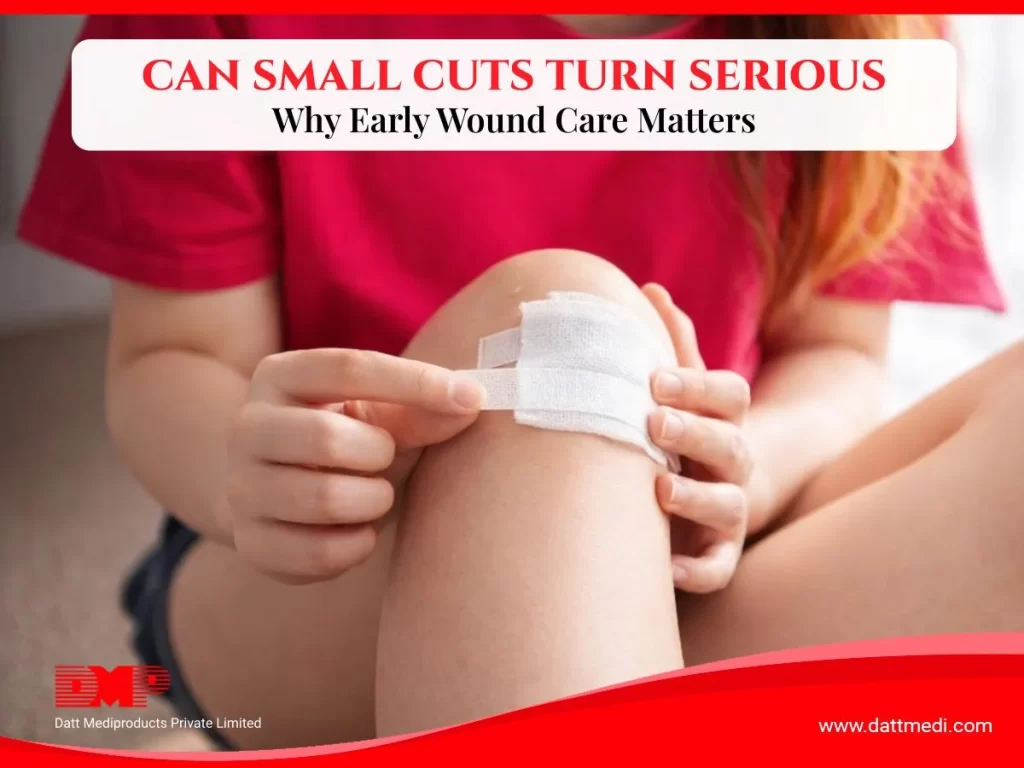
Minor cut being cleaned with antiseptic solution

Yes, even a small cut can become infected if it isn’t cleaned and protected properly. Most minor cuts heal without complications, but bacteria can enter through broken skin and, in some cases, cause infection or deeper tissue problems.

Cuts and scratches are part of daily life, from cooking and gardening to shaving and minor accidents. The good news is that simple first aid can help protect a minor wound and support normal healing.

This blog explains why early wound care matters, the five basic first-aid steps, what to avoid, and the signs that mean a cut needs medical attention.

Why Does Early Wound Care Matter?

Cleaning and protecting a cut early helps remove dirt and reduce exposure to bacteria, friction and further injury.

When the skin breaks, the body’s protective barrier is. Prompt wound care can help reduce contamination and give the skin a cleaner environment to repair itself.

Delayed or inadequate care can contribute to:

  • Increased risk of infection
  • Slower healing
  • Increasing redness or swelling
  • Further irritation or injury
  • In some cases, a deeper infection

How Does a Small Cut Become Infected?

A cut can become infected when bacteria enter through broken skin and multiply in the wound or surrounding tissue.

Common sources of contamination include:

  • Dirt, dust or soil
  • Unwashed hands
  • Contaminated surfaces
  • Dirty tools or objects
  • Animal or human bites

The risk is higher when a wound is deep, contaminated or difficult to clean.

Normal Healing or Infection? How Can You Tell?

Mild redness, tenderness and a small amount of clear fluid can occur during normal healing. Increasing redness, swelling, warmth, pain or pus indicate infection.

SignNormal HealingPossible Infection
RednessMild and limited around the woundSpreads outward or becomes increasingly pronounced
PainGradually improvesBecomes worse or increases 
SwellingMild and gradually settlesIncreases or becomes increasingly warm/tender
DischargeSmall amount of clear or pale fluidPus or cloudy/foul-smelling discharge
OtherGradual improvementFever, red streaks or feeling unwell

The direction of change matters. A wound that is gradually improving is generally less concerning than one that becomes increasingly painful, red or swollen.

How Does Early Protection Help a Wound Heal?

A clean, appropriately covered wound is protected from dirt, friction and further injury while the body’s natural repair process takes place.

Early protection can:

  • Reduce exposure to dirt and contamination
  • Protect the wound from friction
  • Reduce repeated touching or picking
  • Help maintain an appropriate healing environment
  • Protect newly forming tissue from further injury
The dressing should be kept clean and changed according to the needs of the wound and the dressing being used.

How to Treat a Small Cut: 5 First Aid Steps

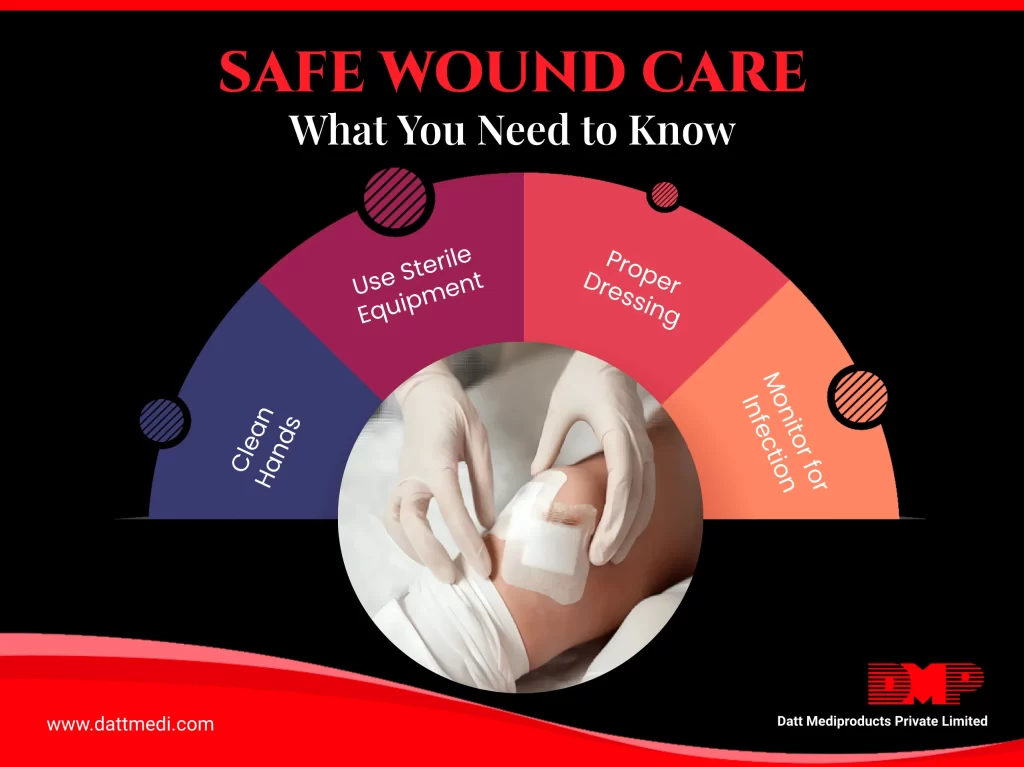
For a minor cut, wash your hands, control the bleeding with direct pressure, rinse the wound with clean running water, cover it with an appropriate dressing, and monitor it for changes.

1. Wash Your Hands

Clean your hands before touching the wound or dressing.

This helps reduce the chance of introducing additional bacteria.

2. Stop the Bleeding

Apply firm, continuous pressure with sterile gauze or a clean cloth until the bleeding stops.

If blood soaks through the first layer, add more gauze or cloth without removing the original layer.

Seek urgent medical care if heavy bleeding does not stop with firm, continuous pressure or if the wound is deep or severe.

3. Rinse the Wound

Rinse a minor cut with clean running water to remove dirt and debris.

Avoid aggressively scrubbing the wound. Harsh substances can irritate healing tissue.

4. Cover the Cut

Cover the wound with a clean, appropriate dressing to protect it from contamination and friction.

Sterile gauze-based dressings can be useful for many minor wounds, while suitable tapes and adhesives can help secure a dressing.

Choose a dressing large enough to cover the wound and the surrounding area.

5. Check the Wound Regularly

Monitor the wound for increasing redness, swelling, warmth, pain or discharge.

Change the dressing when it becomes wet, dirty or loose, and follow the instructions for the particular dressing.

Tip: Avoid placing loose fibres directly onto an open wound, as they can stick to the healing tissue.

What Should You Avoid Putting on a Small Cut?

Avoid harsh substances, aggressive cleaning and unnecessary handling that can irritate the wound or interfere with healing.

  • Don’t scrub the wound aggressively.
  • Don’t repeatedly disturb the healing tissue.
  • Don’t pick at scabs.
  • Don’t use household chemicals on an open wound.
  • Don’t apply irritating substances unless specifically recommended.
  • Don’t place dirty or loose materials directly onto the wound.

For most minor cuts, gentle cleaning with clean running water and appropriate protection is a better approach than repeatedly applying harsh products.

When Is a Small Cut No Longer a Minor Wound?

A cut needs medical assessment when it is deep, gaping, heavily contaminated, continues bleeding, was caused by a bite or puncture, or develops signs of infection.

Seek medical advice if:

  • Bleeding does not stop with firm pressure
  • The wound is deep or gaping
  • Dirt or debris remains embedded in the wound
  • The injury was caused by an animal or human bite
  • The wound is a puncture injury
  • Redness or swelling continues to spread
  • Pus or unusual discharge develops
  • Pain becomes increasingly severe
  • You develop fever or red streaks near the wound
  • The wound is not improving after several days
  • You are unsure whether your tetanus vaccination is up to date

People with diabetes, poor circulation or a weakened immune system may need earlier medical advice because these conditions can affect wound healing and elevate the infection risk.

When Should You See a Doctor for a Cut?

See a healthcare professional when a wound is deep, difficult to clean, won’t stop bleeding, shows signs of infection, or occurs in someone with a condition that can delay healing.

Prompt medical assessment is particularly important when a wound is caused by a bite, puncture or contaminated object.

Tetanus protection also depends on the type of wound and vaccination history. The CDC’s wound-management guidance provides further information about tetanus prevention after injuries.

If a wound requires specialised care, a healthcare professional may recommend appropriate options such as antimicrobial dressings or products from our advanced wound care range.

Can Small Cuts Become Serious in People with Diabetes?

Yes. A small wound can require closer attention in people with diabetes because reduced sensation or circulation can delay detection and healing.

Check the wound regularly and seek medical advice if it is not improving, becomes increasingly red or swollen, develops discharge, or shows other signs of infection.

This is especially important when reduced sensation makes it difficult to notice pain or injury.

Early Care Can Prevent Bigger Problems

A small cut does not usually become a serious problem, but early cleaning, appropriate protection and regular monitoring can help reduce complications.

The basic approach is simple:

  • Clean the wound
  • Control bleeding
  • Protect it with an appropriate dressing
  • Keep the dressing clean
  • Monitor for changes
  • Seek medical advice when warning signs appear

For additional information on wound care, explore the DMP wound care range.
Visit www.dattmedi.com for more infomation.
Share:

Frequnently Asked Questions

Yes. Bacteria can enter through broken skin and cause an infection. Cleaning and protecting the wound early can help reduce contamination.

Wash your hands, stop the bleeding with direct pressure, rinse the wound with clean running water, cover it with an appropriate dressing and monitor it for changes.

Often, covering a minor cut helps protect it from dirt, friction and further injury. Keep the dressing clean and change it when it becomes wet, dirty or loose.

Increasing redness, swelling, warmth, pain and discharge can indicate infection. Fever, red streaks or feeling unwell can indicate a more significant infection.

Change a dressing when it becomes wet, dirty or loose, and follow the instructions for the particular dressing. Some dressings are designed to remain in place longer than others.

Recent Blogs
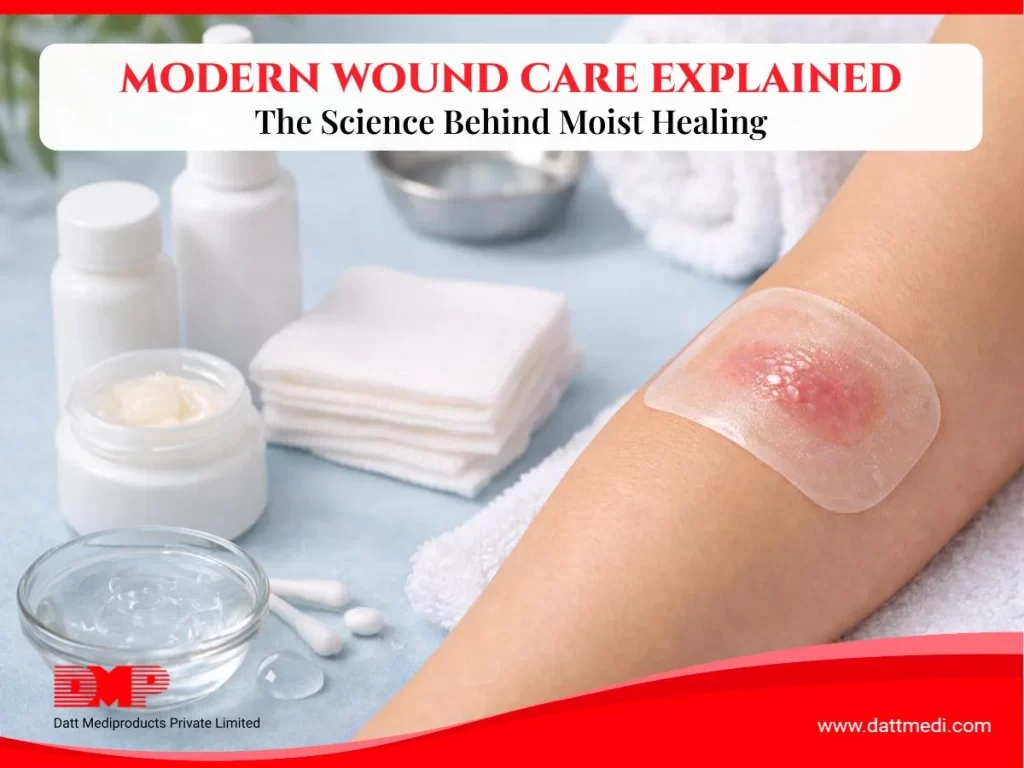
Moist wound environment supporting tissue regeneration

For many years, people believed that allowing a wound to dry out and form a scab was the best way to promote healing. Modern wound care science has shown that maintaining a moist healing environment can support faster tissue repair, reduce discomfort, and improve skin recovery.

Since its clinical adoption in the 1960s, moist wound healing has become a cornerstone of modern wound care in hospitals and home care settings worldwide. By protecting the wound and supporting the body’s natural repair process, this method helps improve healing outcomes and patient comfort.

What Is Moist Wound Healing?

Moist wound healing involves covering a wound with an advanced wound care dressing that maintains optimal moisture while protecting it from contaminants and bacteria.

Dry Healing Approach

  • Allows a hard scab to form
  • Can slow skin cell movement
  • May delay tissue repair

Moist Healing Approach

  • Keeps the wound hydrated
  • Enables faster cell migration
  • Supports efficient tissue regeneration
This balanced environment helps the body heal more effectively.

Moist Wound Healing vs Dry Healing: Key Differences

FeatureMoist HealingDry Healing
Healing SpeedFasterSlower
Pain LevelReducedOften higher
Infection ProtectionBarrier protectionExposure risk
ScarringLess visibleMore likely
Tissue RepairContinuousInterrupted by scab

Why Moist Wound Healing Is Beneficial

1. Faster Healing

A moist environment allows skin cells to move easily across the wound surface.

  • No hard scab blocking repair
  • Continuous tissue rebuilding
  • Shorter recovery time

This is especially beneficial for surgical wounds, burns, and chronic ulcers.

2. Reduced Pain and Discomfort

Dry wounds can expose nerve endings, increasing sensitivity and pain.

Moist dressings:

  • Protect delicate tissue
  • Reduce irritation
  • Provide cushioning comfort

They are commonly used to soothe painful wounds and burns.

3. Lower Risk of Infection

Advanced wound dressings create a protective barrier against dirt and bacteria.

When combined with antimicrobial protection, they:

  • Reduce contamination risk
  • Support safer healing
  • Assist infection prevention in wound care

This is particularly important for post-surgical and chronic wounds. 

Ensuring Safe Wound Care Practices

In addition to moisture balance, adopting safe wound care practices to prevent infections further enhances healing outcomes.

4. Less Scarring and Better Skin Repair

When tissue dries out, scarring may become more noticeable.

Moist wound healing:

  • Maintains tissue flexibility
  • Supports smoother skin regeneration
  • Improves cosmetic outcomes

This is beneficial for both medical recovery and aesthetic healing.

5. Natural Removal of Dead Tissue (Autolytic Debridement)

Moisture supports the body’s natural ability to break down and remove dead tissue.

This process:

  • Promotes healthy tissue growth
  • Reduces the need for manual cleaning
  • Supports chronic wound management

How Moist Wound Healing Supports Recovery

Moisture-retentive dressings create an ideal healing environment by:

  • Maintaining stable temperature
  • Supporting new tissue formation
  • Encouraging healthy blood circulation
  • Preserving growth factors and healing proteins

This environment aligns with global medical wound management protocols and modern clinical practices supported by organizations such as the World Health Organization.

Choosing the Right Dressing for Moist Wound Healing

Selecting the best dressing for wound healing depends on wound type, exudate level, and skin condition.

Hydrocolloid Dressings

  • Maintain moisture balance
  • Suitable for minor burns and light drainage wounds

Foam Dressings

  • Absorb excess fluid
  • Keep the wound moist
  • Ideal for moderate to heavily draining wounds 

Hydrogel Dressings

  • Hydrate dry wounds
  • Provide cooling relief
  • Reduce pain and discomfort 

Alginate Dressings

  • Highly absorbent
  • Suitable for heavy exudate wounds

Film Dressings

  • Thin and transparent
  • Protect superficial wounds and abrasions (Velfix T Film)

Wounds That Benefit from Moist Healing

1. Chronic Wounds

2. Acute Wounds

3. Fragile Skin Conditions

  • Pediatric wounds
  • Elderly skin injuries
Moist healing protects delicate skin and reduces friction damage.

Common Misbeliefs About Moist Wound Healing

  • Myth: Moist wounds cause infections.
  • Fact: Proper wound dressings create a protective barrier that helps prevent contamination.
  • Myth: Scabs help wounds heal faster.
  • Fact: Scabs can slow healing by blocking new cell growth.

Tips for Effective Moist Wound Healing

  • Choose dressings based on wound size and fluid level
  • Change dressings as recommended
  • Avoid excessive moisture around wound edges
  • Monitor for redness, swelling, or unusual discharge
  • Seek medical care for deep or chronic wounds
Wound care dos and don’ts guide.

For more detailed guidance on wound care best practices — including cleaning, dressing changes, and monitoring — see our Best wound care practices for faster healing.

Challenges to Consider

Moist healing is highly effective, but improper use may cause complications:

  • Excessive moisture may cause skin maceration
  • Incorrect dressing selection can delay healing
  • Increased susceptibility to infections and further damage

Guidance from healthcare professionals helps ensure safe and effective wound care and regular monitoring ensures optimal results

Evidence Supporting Moist Wound Healing

Clinical research shows moist wound environments can:

  • Accelerate healing rates
  • Reduce complications
  • Improve skin regeneration
  • Lower overall treatment costs

These benefits have made moist wound care a globally accepted standard supported by organizations such as the National Institute for Health and Care Excellence.

Studies indicate that wounds maintained in a moist environment may heal up to 40% faster compared to dry healing methods.

Moist wound healing has transformed modern wound care by enabling faster recovery, reducing discomfort, minimizing scarring, and improving overall healing outcomes. Using advanced wound care dressings helps maintain optimal moisture balance while protecting wounds from external contaminants.

For safe and effective healing, wound care decisions should always be guided by qualified healthcare professionals.

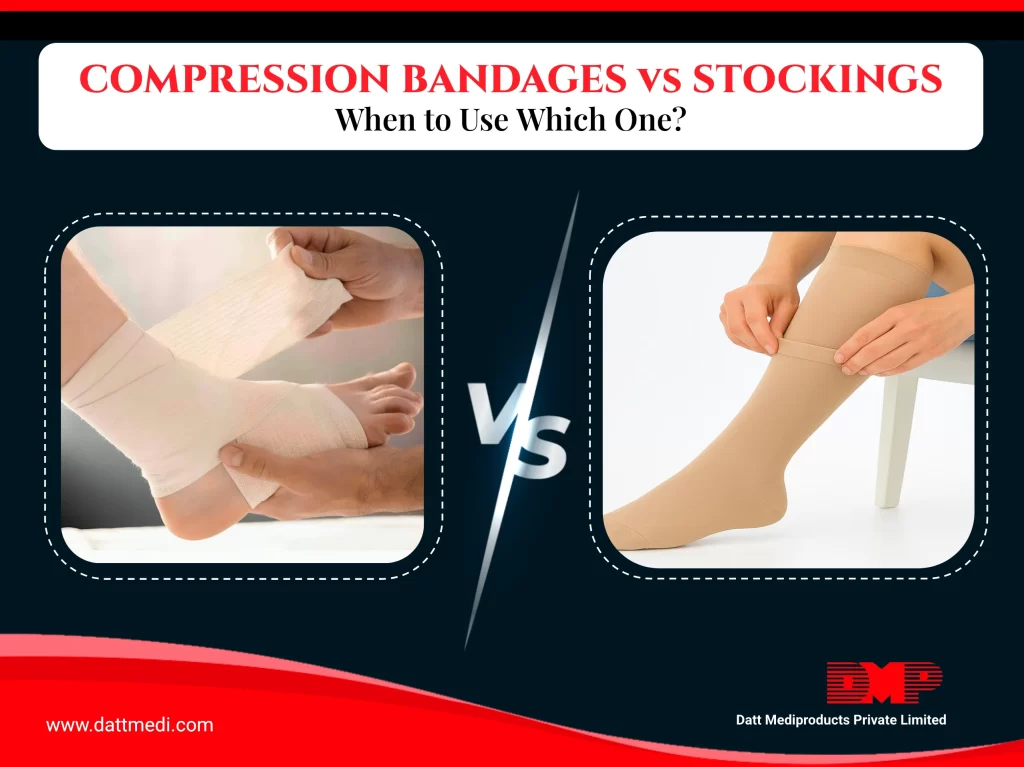
Compression bandage and stocking placed side by side

Introduction

Swelling in the legs or arms is more than a temporary discomfort. Persistent swelling can slow wound healing, limit mobility, and increase the risk of complications such as skin damage or venous ulcers.

Compression therapy is a widely recommended medical approach used to support circulation and control fluid buildup in affected limbs. Among the most commonly used solutions are compression bandages and compression stockings. While both deliver controlled pressure to improve circulation, they serve different roles in treatment depending on the stage of recovery and the patient’s condition.

What Is Compression Therapy and Why Is It Important?

Compression therapy works by applying graduated pressure to a limb, helping blood and lymphatic fluid move back toward the heart. This controlled pressure reduces fluid accumulation in tissues and improves overall circulation.

Healthcare professionals commonly recommend compression therapy for conditions such as:

  • Venous leg ulcers
  • Varicose veins
  • Lymphedema
  • Post-surgical swelling
  • Chronic venous insufficiency
  • Injury-related edema
  • Deep Vein Thrombosis
  • Phlebitis

When used correctly, compression therapy helps reduce swelling, protect skin integrity, and support faster recovery.

Compression Bandages: Flexible Support for Changing Conditions

Compression bandages are stretchable wraps applied around the affected limb to provide controlled pressure. Because they can be adjusted during application, they are particularly useful when swelling levels change or when wounds require regular monitoring.

Types of Compression Bandages

  • Short-Stretch Bandages : Short-stretch bandages provide limited elasticity and generate higher pressure when muscles move. This makes them suitable for patients who remain active, as muscle movement enhances the compression effect and supports venous return.
  • Long-Stretch Bandages : Long-stretch bandages offer greater elasticity and maintain consistent pressure even when the limb is at rest. They are often used for patients with limited mobility or those recovering from surgery.

When Compression Bandages Are Commonly Used

Compression bandages are commonly recommended when treatment needs to adapt to changing conditions, including:

  • Sudden or severe swelling
  • Open wounds requiring wound dressings
  • Post-surgical swelling management
  • Limbs with irregular or changing shape
Their adjustability allows healthcare providers to modify pressure levels as swelling decreases and healing progresses.

Looking for reliable and adjustable compression bandages for effective therapy?

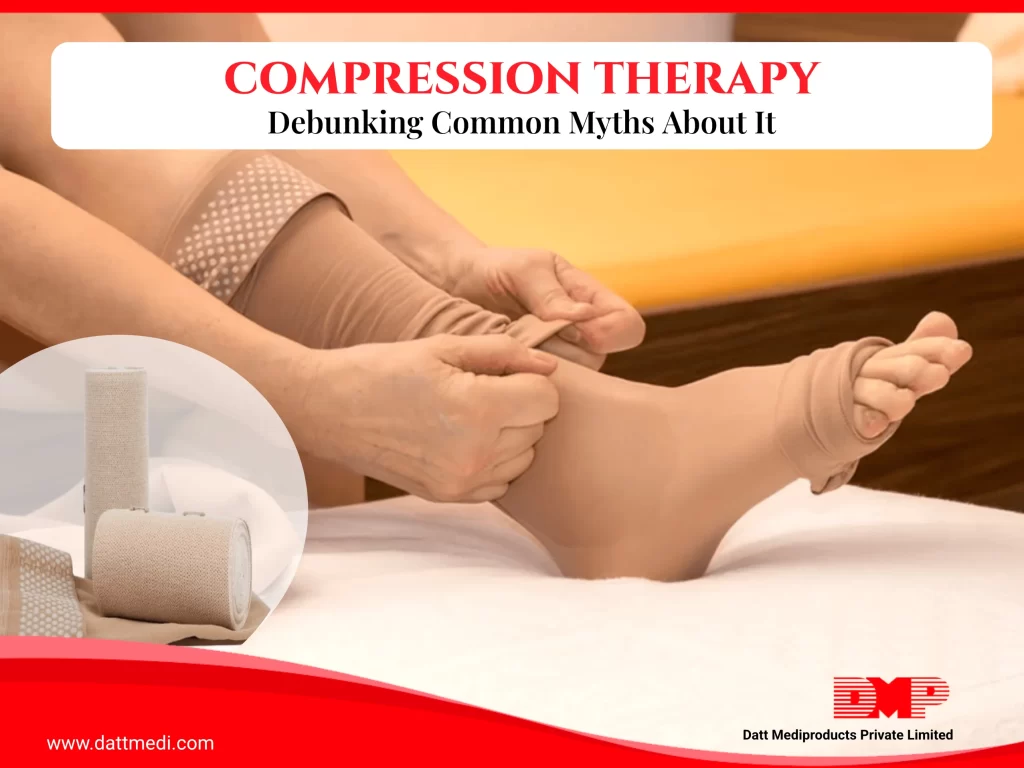
Top Misconceptions About Compression Therapy

Explore our Compression Bandage here: View Product

Compression Stockings: Consistent Support for Long-Term Care

Compression stockings are specially designed medical garments worn like socks or sleeves. They apply graduated compression, with the highest pressure at the ankle that gradually decreases toward the calf or thigh.

This pressure pattern supports natural blood flow and helps prevent fluid from collecting in the lower limbs.

Compression Levels in Stockings

Medical compression stockings are available in different pressure strengths depending on treatment needs:

  • Mild compression – Helps prevent early swelling and leg fatigue
  • Moderate compression – Supports varicose veins and mild circulation problems
  • Higher compression levels– Used for chronic venous conditions or post-ulcer management

When Compression Stockings Are Typically Used

Compression stockings are typically introduced after swelling has stabilized and the limb size becomes consistent.

They are commonly used for:

  • Long-term swelling management
  • Ongoing support for circulation disorders
  • Prevention of venous ulcer recurrence
  • Daily compression therapy for chronic conditions
Because they are easier to wear independently, stockings often improve treatment adherence for long-term care.
Compression Therapy for Wound Healing: Critical Facts You Need

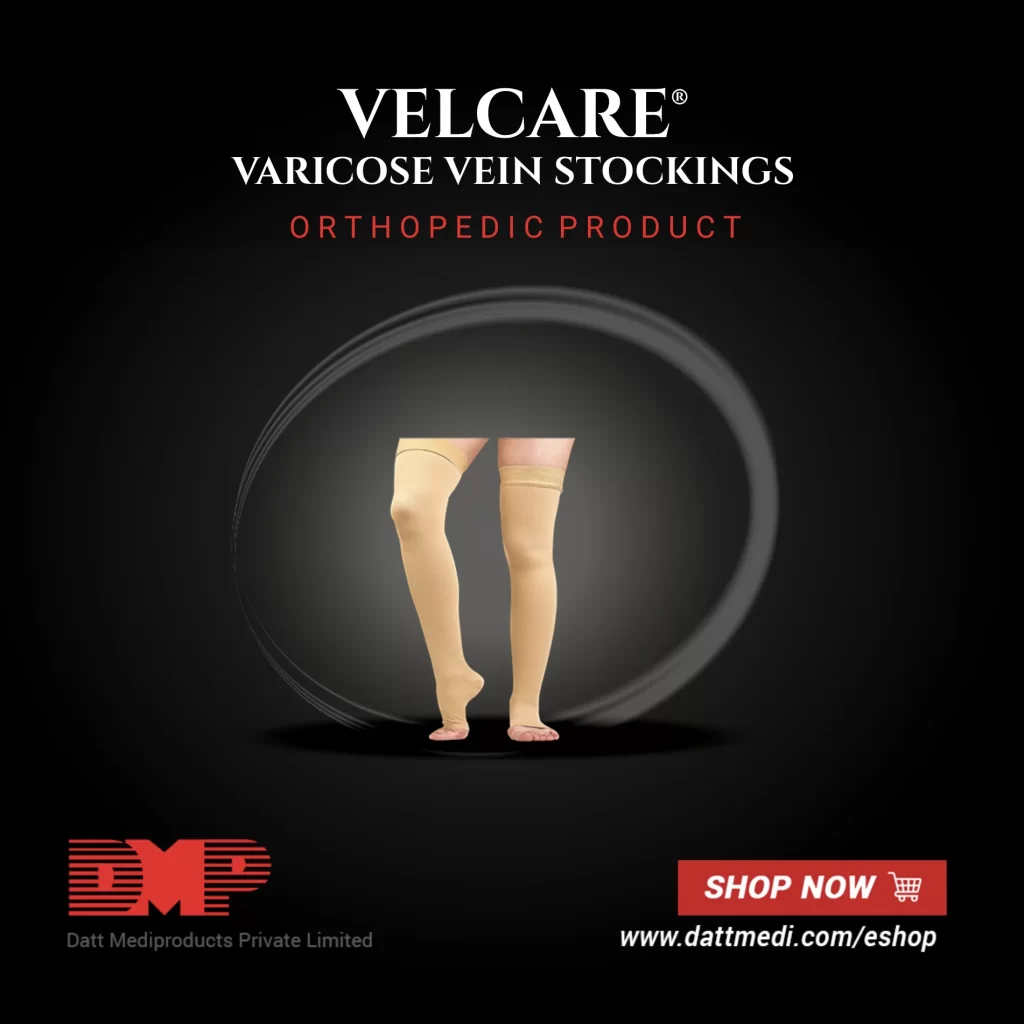
Explore our medical-grade Velcare Varicose Vein Stockings designed for effective compression therapy: View Product

Comparing Compression Bandages and Compression Stockings

FeatureCompression BandagesCompression Stockings
FlexibilityHighly adjustableFixed compression level
Best Stage of TreatmentEarly or active treatmentLong-term maintenance
Ease of UseRequires trained applicationEasy for self-use
Wound CompatibilitySuitable for wound dressingsUsually used after wounds heal
Comfort for Daily WearModerateHigh
Adaptability to SwellingExcellentLimited

When Are Compression Bandages the Better Choice?

Compression bandages Compression bandages are generally recommended during the initial stage of treatment, especially when swelling is unstable or wounds are present.

They are most suitable when:

  • Swelling changes frequently
  • Limb shape is uneven
  • Wound dressings require regular replacement
  • Compression pressure must be adjusted
Because they can be re-applied and modified, bandages allow clinicians to closely manage swelling while protecting healing tissues.

When Are Compression Stockings More Suitable?

Compression stockings are commonly used after the treatment phase once swelling has been reduced and limb size stabilizes.

They are ideal for:

  • Long-term compression therapy
  • Preventing recurrence of swelling
  • Supporting circulation in chronic venous disorders
  • Providing comfortable daily compression support
Regular use of properly fitted stockings helps maintain results achieved during earlier treatment.

Why Professional Guidance Matters

Selecting the right compression therapy requires careful assessment of several factors, including circulation health, wound condition, skin sensitivity, and patient mobility.

Incorrect compression levels or poorly fitted products can reduce treatment effectiveness and cause discomfort. Healthcare professionals ensure the correct compression type, pressure level, and fitting method are used for each patient.

Medical compression products manufactured under internationally recognized standards such as ISO and CE certifications further support safety, performance, and reliability in clinical and home care environments.

Compression therapy plays an important role in managing swelling, supporting circulation, and improving wound healing outcomes.

Compression bandages offer flexibility during the active treatment stage, allowing healthcare professionals to adjust pressure as swelling changes. Compression stockings provide consistent and convenient compression for long-term management, helping patients maintain recovery and prevent future complications.

Understanding the differences between compression bandages and compression stockings enables more effective treatment decisions and supports better long-term vascular and wound care management.

Logo

Datt Mediproducts Private Limited

Loading
Buy Now Contact Us