
Search by Blog
Read by Category

Your healing journey continues beyond this blog

Find the right products for better recovery at online store
Cart Image
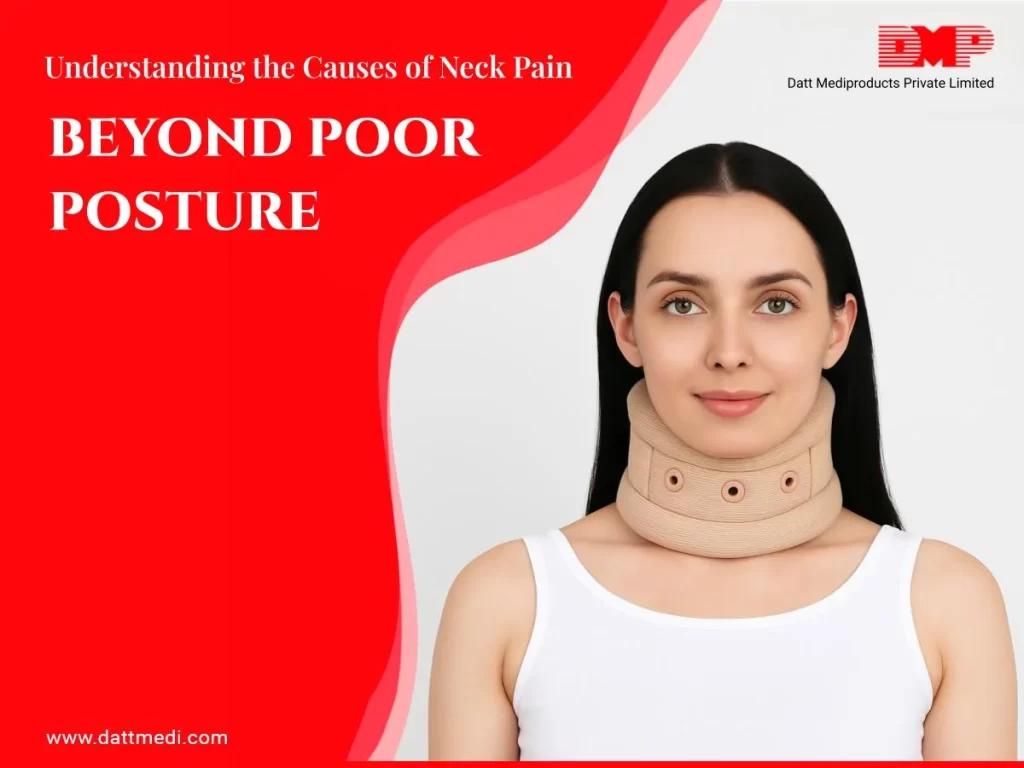
Person using a soft cervical collar for neck support

A stiff or painful neck can make even the simplest movements uncomfortable — turning to check traffic, looking up at a screen, or sleeping without waking. In some cases, a soft cervical collar provides the temporary support the neck needs to recover. However, in other cases, it offers little benefit and may even delay healing if used incorrectly.

This blog covers the clinical situations where a soft cervical collar is genuinely useful, how the Cervical Collar Soft® from Datt Mediproducts is designed, and how to use it safely.

What Is a Soft Cervical Collar?

A cervical collar is a supportive brace worn around the neck to limit excessive movement and allow muscles, ligaments, and joints to rest during recovery. Soft cervical collars provide light, cushioned support — enough to reduce strain and act as a reminder to avoid sudden movement, without fully immobilising the neck.

The Cervical Collar Soft® is made from soft-density PU foam covered in a smooth cotton stockinette, with a hook-and-loop closure for a secure, adjustable fit. It is available in four sizes (S, M, L, XL) and is designed for both short-term recovery and longer-term comfort use.

When Is a Soft Cervical Collar Recommended?

A soft cervical collar may be advised across a range of conditions. The following are the primary clinical indications.

1. Neck Pain and Muscle Strain

Sudden neck pain from poor posture, sleeping awkwardly, or overexertion can strain the surrounding muscles. A collar provides gentle support and reduces the load on strained tissue during the early recovery phase.

2. Whiplash Recovery

Whiplash — most commonly caused by rear-end car accidents — forces the head to move suddenly forward and backward, stretching and sometimes tearing neck muscles and ligaments. Doctors often recommend a soft cervical collar in the early days after whiplash to reduce discomfort and limit aggravating movement while initial healing begins.

3. Cervical Trauma

Minor cervical trauma from falls, sports injuries, or sudden impacts may involve bruised or strained neck structures. A collar helps limit movement that could worsen the injury while the neck recovers.

4. Excessive Neck Mobility

Some individuals have hypermobility in the cervical spine — where the joints move beyond their normal range. A soft collar can provide a gentle boundary that reduces the risk of strain from over-movement during daily activity.

5. Rheumatoid Arthritis

Rheumatoid arthritis can affect the cervical spine, causing instability and pain. A soft collar may be used during flares to provide support and reduce the load on inflamed joints, typically alongside medical management.

6. Degenerative Disc Disease

Wear and tear on the cervical discs can lead to chronic neck pain, stiffness, and nerve irritation. A soft collar offers intermittent support — particularly during activities that aggravate symptoms — as part of a broader management plan.

7. Post-Surgical Support

Following certain neck or upper spine procedures, surgeons may recommend a cervical collar to protect the surgical site and limit motion during the initial healing period. The surgeon determines the collar type and duration based on the procedure. based on the procedure.

Rigid vs. Soft Cervical Collar: Which Is Needed?

Not all cervical collars are the same. The choice depends on how much movement restriction is required.

FeatureSoft Cervical CollarRigid Cervical Collar
MaterialPU foam with cotton stockinetteFirm plastic with padding
Support LevelLight, cushioned supportStrong, firm support
Movement ControlAllows some movementSignificantly limits movement
Typical UseMild strain, whiplash early stage, arthritis, disc diseaseSerious injury, unstable fractures, post-surgery
For most everyday neck conditions — strain, stiffness, mild whiplash, and chronic disc or joint discomfort — a soft cervical collar is the appropriate choice. Rigid collars are typically reserved for more severe injuries where strict immobilisation is medically necessary.

Soft Cervical Collar by Datt Mediproducts: Design & Features

The Cervical Collar Soft® is built for comfort during wear, with materials selected to minimise skin irritation even with extended use.

  • Soft-density PU foam core — provides cushioned support without rigid restriction
  • Smooth cotton stockinette cover — reduces skin friction and absorbs moisture
  • Hook-and-loop closure — allows a personalised, secure fit without tools
  • Four available sizes (S, M, L, XL) — sized by neck circumference in inches and centimetres
  • Durable construction — designed for longer-term use without losing shape or support

Sizing is based on neck circumference: S (7.5–8.75 cm), M (8.75–10 cm), L (10–11.25 cm), XL (11.25–12.5 cm). Measuring before ordering ensures the collar sits correctly and delivers effective support.

How to Use a Soft Cervical Collar Safely

A cervical collar is most effective when used correctly and for the right duration.

Getting the Fit Right

The collar should sit snugly around the neck — supportive without pressing on the throat or creating difficulty breathing. Hook-and-loop closure makes adjustment straightforward. A collar that is too loose provides little support; one that is too tight can cause pressure and discomfort.

Duration of Use

This depends entirely on the condition. Minor muscle strain may only require a collar for a few days. Whiplash or post-surgical recovery may require longer use under medical guidance. Extended, unsupervised use should be avoided. This is because prolonged reliance on a collar can reduce the neck muscles’ ability to support the head. independently.

Skin Care Under the Collar

The cotton stockinette lining helps manage moisture, but the skin beneath should still be checked regularly for any redness or irritation. Keep the area clean and dry, particularly in warm conditions.

When to Remove It

If the collar causes increased pain, numbness, or pins and needles pricking sensation, remove it and consult a healthcare professional. These may indicate an incorrect fit or that the collar is not appropriate for the specific condition.

What a Soft Cervical Collar Cannot Do

A collar supports recovery — it does not treat the underlying cause of neck pain. It does not replace physiotherapy, medical diagnosis, or specific treatment for conditions like arthritis or disc disease. Used alone without addressing the root cause, it provides temporary comfort relief only.

For best outcomes, a cervical collar is typically one part of a broader recovery plan that includes appropriate exercise, manual therapy, or medical management depending on the diagnosis.

The Right Support, Used the Right Way

A soft cervical collar works best when it matches the condition, fits correctly, and is used for an appropriate duration. For mild to moderate neck conditions — strain, whiplash, arthritis flares, disc discomfort, or post-surgical support — it provides a practical, comfortable solution that allows the neck to rest while daily life continues.The Cervical Collar Soft® is designed with both comfort and durability in mind. If you are managing a neck condition and considering whether a cervical collar is right for you, consult your healthcare provider for guidance tailored to your situation.
Visit www.dattmedi.com for more infomation.
Share:

Frequnently Asked Questions

It depends on the advice of your healthcare provider. Some people are advised to wear the collar at night after acute injuries to limit movement during sleep; others are told to remove it to allow the neck muscles to stay active. Follow specific medical guidance on this.

Measure your neck circumference and match it to the sizing guide: S (7.5–8.75 cm), M (8.75–10 cm), L (10–11.25 cm), XL (11.25–12.5 cm). If you are between sizes, the larger size generally provides a more comfortable fit.

A soft cervical collar may be recommended during flares of rheumatoid arthritis affecting the neck to reduce joint load and discomfort. However, it should be used under rheumatology guidance, as cervical involvement in RA can sometimes require more specific management.

The cotton stockinette cover can typically be wiped clean with a damp cloth. Submerging foam collars in water can damage the foam structure. Check product-specific care instructions, or keep a spare collar to alternate if hygiene is a concern during extended use.

Extended, unsupervised use can reduce muscle activation over time. This is why collars are generally used short-term and often combined with targeted neck exercises or physiotherapy to maintain strength during and after recovery.

Recent Blogs
Measuring leg circumference for compression garment sizing

A well-fitted compression garment supports movement, reduces swelling, and improves overall comfort during recovery. Even small measurement errors can affect its effectiveness. Whether you are a patient, caregiver, clinician, or distributor, understanding how to measure compression garments correctly ensures safe therapy and reliable results.

For suitable options, check our Compression Stockings Collection.

1. Why the Right Measurement and Fit Matters

Compression garments apply controlled pressure along the limb. The correct size ensures even pressure distribution and therapeutic effectiveness.

Benefits of Proper Fit:

  • Reduces swelling and discomfort
  • Improves blood and lymph circulation
  • Supports healing after injury, surgery, or chronic conditions
  • Makes daily activities like walking, standing, or sitting more comfortable
Example: Someone managing mild swelling or early varicose veins often feels lighter and more supported when using a properly sized garment, following a reliable compression stocking size guide.

2. Tools You Need for Accurate Measurement

Accurate sizing doesn’t require advanced tools.

You need:

  • A soft measuring tape
  • Manufacturer’s compression measurement chart or sizing guide
  • Notebook or phone to record values
  • Mirror or assistance for hard-to-reach areas
  • Good lighting for accurate readings
These simple tools help follow a medical compression garment sizing guide and reduce measurement errors.

3. Step-by-Step Guide: How to Measure Correctly

i) Ankle: Measure the narrowest point above the ankle bone.

ii) Calf: Measure the widest part of the calf for proper fit and support, including wide-calf users.

iii) Thigh (for thigh-high garments): Measure the thickest part of the thigh to avoid rolling and ensure secure fit.

Leg Length:

  • Knee-high: heel to just below the knee crease
  • Thigh-high: heel to the top of the thigh

iv) Arms (for sleeves/supports): Measure wrist, forearm, upper arm, and arm length. This ensures smooth, even compression from wrist to shoulder.

Quick Tips: 

  • Measure early in the morning when swelling is minimal.
  • Sit comfortably, keep tape snug, measure twice, and avoid measuring over clothes.

4. Common Fitting Mistakes to Avoid

  • Too Tight: Can cause numbness, tingling, or deep marks.
  • Too Loose: Slipping or wrinkling reduces effectiveness.
  • Incorrect Length: Too short rolls or digs in; too long bunches or slides down.
  • Not Rechecking: Limb size changes due to swelling, healing, or weight changes—regular measurement is important.

For reference, see our Compression Stockings Size Chart India.

5. When to Consult a Healthcare Professional

Specialists can confirm the correct compression level and ensure measurements match your condition, especially after surgery or for vascular issues.

Consult if you notice:

  • Persistent or increasing swelling
  • Discomfort while wearing the garment
  • Size falling between two chart options
  • Post-surgical changes
  • Conditions like diabetes or vascular disorders

Professional guidance ensures safe and effective therapy, particularly when using compression garments for varicose veins.

Accurate measurements are the foundation of effective compression therapy. Using simple tools, careful technique, and a trusted compression stocking size guide ensures your garment fits comfortably and supports healing. When unsure, consulting a healthcare professional provides confidence and safer results.

Compression therapy applied to the lower limb to support wound healing

Wound healing is often slowed when the body cannot efficiently move blood and excess fluid away from the affected area. This causes low blood flow which leads to reduced oxygen & nutrient supply, both are critical for cell repair. This is frequently seen in chronic venous ulcers, lymphedema, diabetic wounds, and post-surgical swelling.

Compression therapy is one of the most effective clinical methods to improve circulation, support healing, and enhance overall wound management.

By applying controlled and consistent pressure, compression therapy reduces fluid buildup, improves oxygen delivery, and creates a stable environment that promotes faster tissue repair.

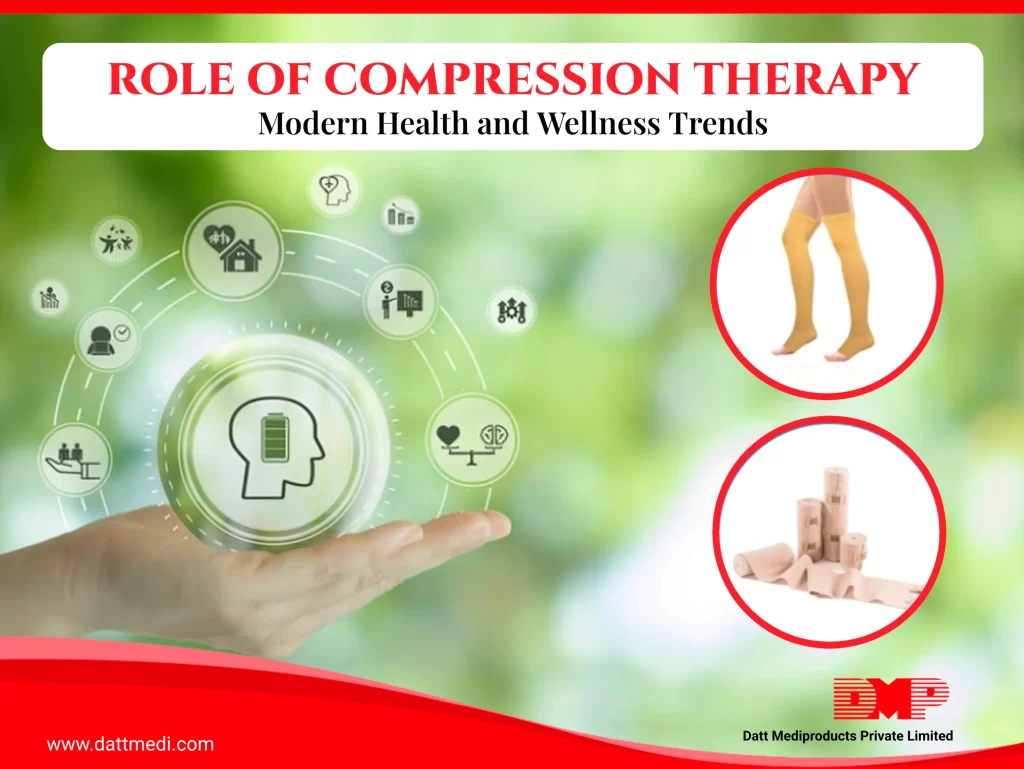
What Is Compression Therapy? How It Works

Compression therapy uses medical tools such as compression bandages, garments, or dressings to apply even pressure to a limb or wound site. This helps to:

  • Redirect blood flow toward the heart
  • Reduce fluid accumulation under the skin
  • Improve oxygen supply to damaged tissues
  • Support formation of healthier new tissue
This controlled pressure creates a stable, balanced healing environment and reduces strain on surrounding skin.

Types of Compression Therapy

1. Elastic Compression Bandages

Widely used for venous ulcers and chronic wounds because they allow adjustable pressure and support daily wound care.
Related Product: Compression Bandages – Wound Care Range

2. Compression Garments

Ideal for long-term swelling, lymphedema care, and post-surgical recovery. They offer uniform pressure and help maintain inflammation control. Velcare® Varicose Vein Stockings– Compression Garments

Know More About – Velcare® Varicose Vein Stockings- Compression Garments

3. Dressings With Built-In Mild Compression

Foam and hydrocolloid dressings provide gentle compression while maintaining moisture balance. Recommended options:

How Compression Therapy Supports Wound Healing

  1. Improved Blood Flow – Prevents blood pooling and delivers oxygen and nutrients for efficient tissue repair.
  2. Swelling Control (Edema Management) – Removes trapped fluid, reducing discomfort and creating a stable environment.
  3. Enhanced New Tissue Formation – Supports orderly tissue repair and faster wound closure.
  4. Reduced Risk of Raised Scars – Mild compression after surgery or burns helps prevent thick or raised scars.

When Compression Therapy Is Recommended

  • Chronic Venous Ulcers – Supports circulation and long-term healing.
  • Lymphedema Care – Manages fluid buildup, heaviness, and infection risk.
  • Post-Surgical Recovery – Controls inflammation, stabilizes the wound area, and supports smoother healing.
  • Diabetic Foot Ulcers – Can support healthy circulation under clinical guidance.
Top Misconceptions About Compression Therapy

Read more about Compression Therapy

Benefits of Compression Therapy

  • Faster wound healing through improved circulation
  • Reduced risk of recurrence, especially in venous ulcers
  • Lower pain and discomfort due to decreased swelling
  • Better mobility and overall patient comfort

How to Use Compression Therapy Safely

  1. Ensure Proper Fit – Pressure must match clinical needs; too little is ineffective, too much can cause skin damage.
  2. Monitor the Skin Regularly – Watch for numbness, tingling, coldness, or unusual pain.
  3. Increase Pressure Gradually – Start with lower compression levels and increase slowly under clinical supervision.

When Compression Therapy Should NOT Be Used:

Avoid compression unless recommended by a clinician if the patient has:

  • Poor arterial circulation
  • Active infection at wound site
  • Acute heart failure
  • Severe peripheral arterial disease (ABI)

Always consult a healthcare professional before beginning or modifying compression therapy.

Best Practices for Better Healing

Compression works best when combined with:

  • Gentle wound cleansing
  • Moisture-balancing dressings (foam, antimicrobial)
  • Adequate nutrition (protein, vitamins, minerals)
  • Regular assessments by wound-care specialists

Together, these steps create a complete, supportive healing environment.

Compression therapy is vital for accelerated wound healing, edema control, venous ulcer management, lymphedema care, and post-surgical recovery. When combined with appropriate dressings and monitored safely, it offers faster healing, improved patient comfort, and reduced risk of complications or recurrence.

Explore Professional Wound-Care Solutions – Wound Care Category

Logo

Datt Mediproducts Private Limited

Loading