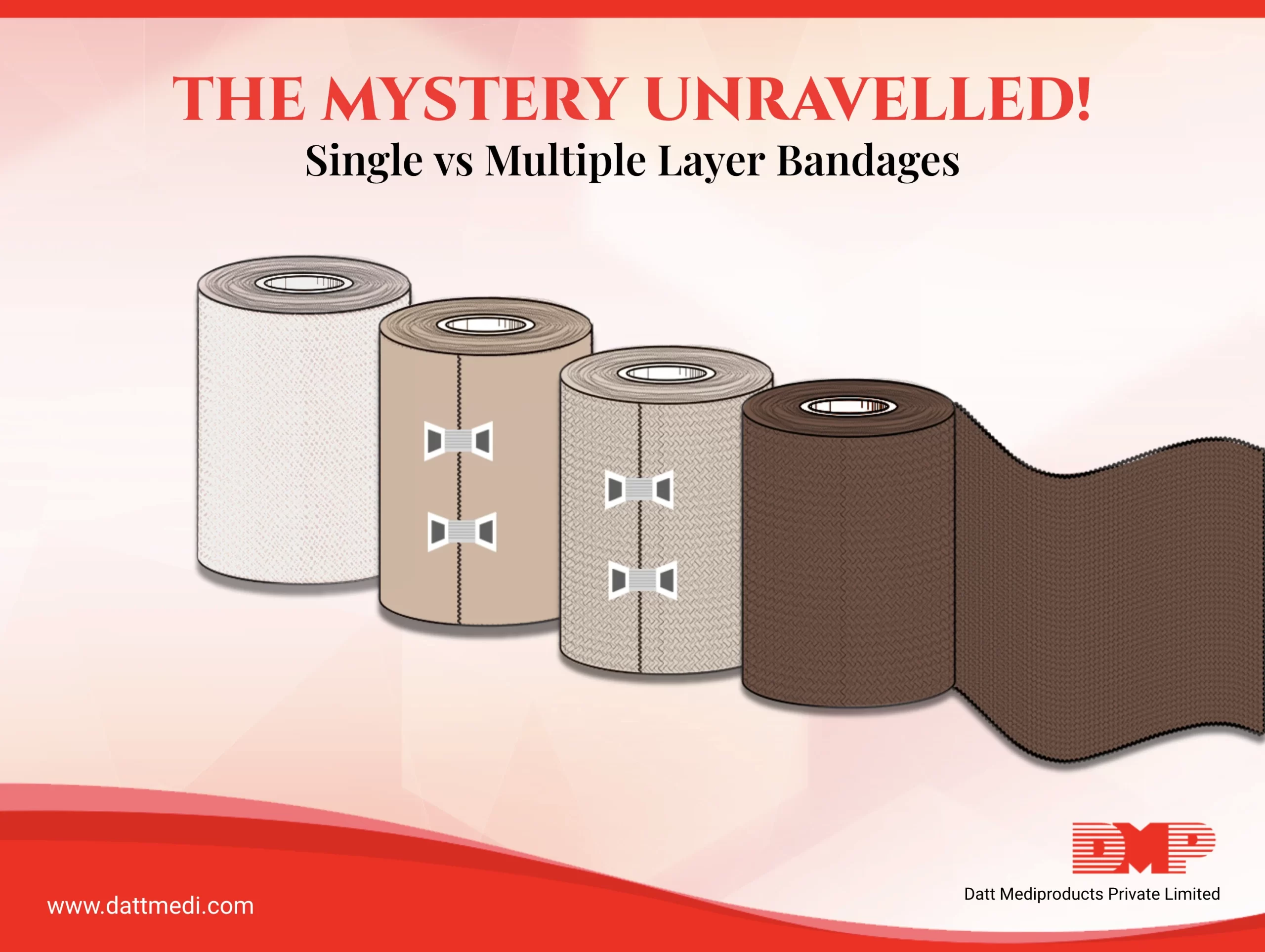
Have you always wondered, what is the difference in a single layer or multiple layer bandage?
What are Single Layer Bandages? Single layer bandages, as the name suggests, are made up of one layer. They are normally used for treating superficial wounds. Cuts and burns can be treated properly with the help of single layer bandages.
Properties of Single Layer Bandages Single layer bandages are highly effective for wounds that are less serious in nature. These bandages need to be changed frequently and reapplied every day or a couple of times every week. They are washable in nature so single layer compression bandages are reusable. Consisting of one simple layer they are comparatively easier to apply.
What are Multiple Layer Bandages? Multiple layer bandages are 3-4 layers of bandages, which are needed for the treatment of venous leg ulcers, as well as the various conditions that are associated with it. The set of different types of bandages is applied, in layers, to deliver a desired pressure on the leg.
Properties of Multilayer Bandages They are known to provide a sustained and graduated pressure of approximately 40 mm Hg at the ankle, which gradually reduces to around 17 mmHg at the knee. The presence of orthopedic wool is known to pad and protect any bony prominences.
These kits can maintain proper pressure levels for one full week, thus reducing the overall cost required for the treatment. With a high absorption capacity to manage exudates for up to a week, the dressingmanages to reduce the nursing time needed. Amazing features, aren’t they?
Bandages of both types of bandages are manufactured by Datt Mediproducts under strict quality control mechanisms and circulated worldwide. For further information regarding any of the above items please visit www.dattmedi.com.
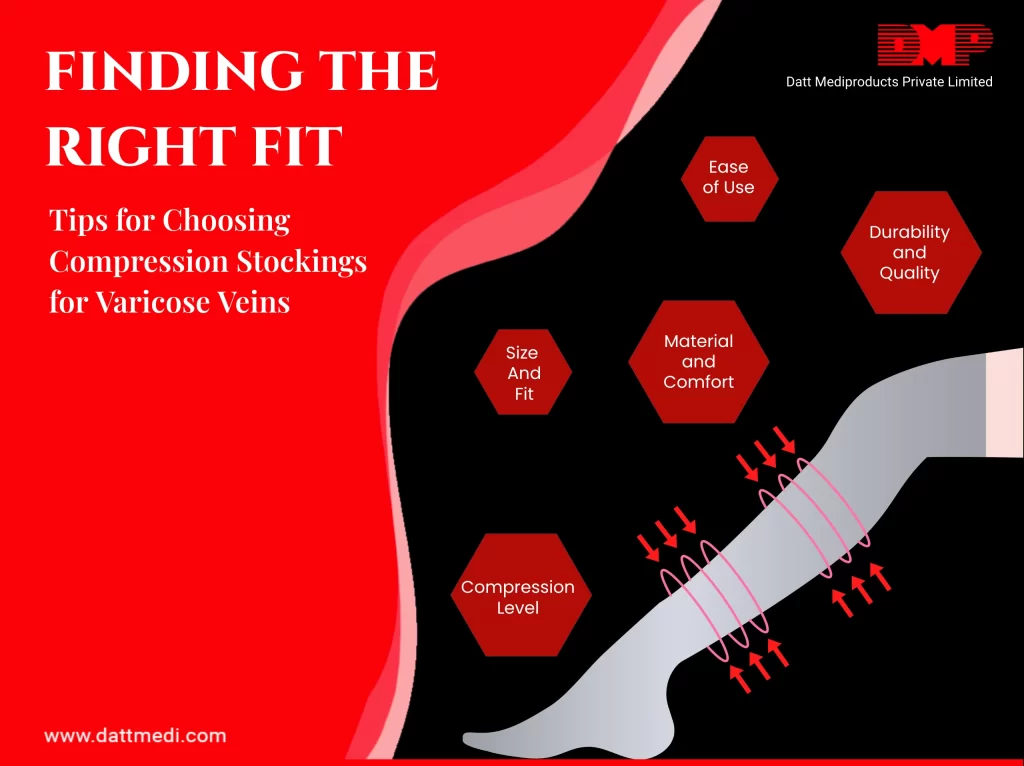
Varicose Veins are enlarged, twisted veins that bulge under your skin. They normally develop when blood flow is obstructed and are more than just a cosmetic concern; they can cause discomfort and, if untreated, lead to more serious health issues. Medical compression stockings and wraps, such as the Velcare® range from us, provide an effective solution for managing varicose veins. Understanding their benefits and features can help you make an informed choice.
Designed to offer Class 2 Compression (23-32mmHg), Velcare® -Varicose Veins Stocking are ideal for promoting circulation and reducing varicose vein symptoms. The graduated compression applies gentle pressure from the ankle upwards, aiding blood flow back to the heart.
For those preferring an alternative to traditional stockings, Velcare® -Inelastic Wrap provides targeted calf compression without constant adjustment. Adjustable straps offer a customized fit for optimal compression therapy tailored to individual needs.
Targeted Compression: Focuses on calf muscles for effective circulation support.
Adjustable Fit: Velcro straps ensure a secure fit and ease of adjustment.
Ease of Use: Simple application and removal for convenient daily wear.
Breathable Material: Allows the skin to breathe, suitable for extended use.
Choosing the Right Option for You
When deciding betweenVelcare® -Varicose Veins Stocking and Velcare® -Inelastic Wrap, consider your lifestyle, comfort preferences, and specific medical needs. Both options offer effective relief for varicose veins, with the stockings providing graduated compression and the wrap offering targeted support and ease of use.
Whether you choose the graduated compression of Velcare® -Varicose Veins Stocking or the targeted support of Velcare® -Inelastic Wrap, we as Datt Mediproducts, ensures you receive high-quality products designed to improve circulation and alleviate varicose vein symptoms. Explore more about Velcare® products and find the right solution for managing your varicose veins with us.
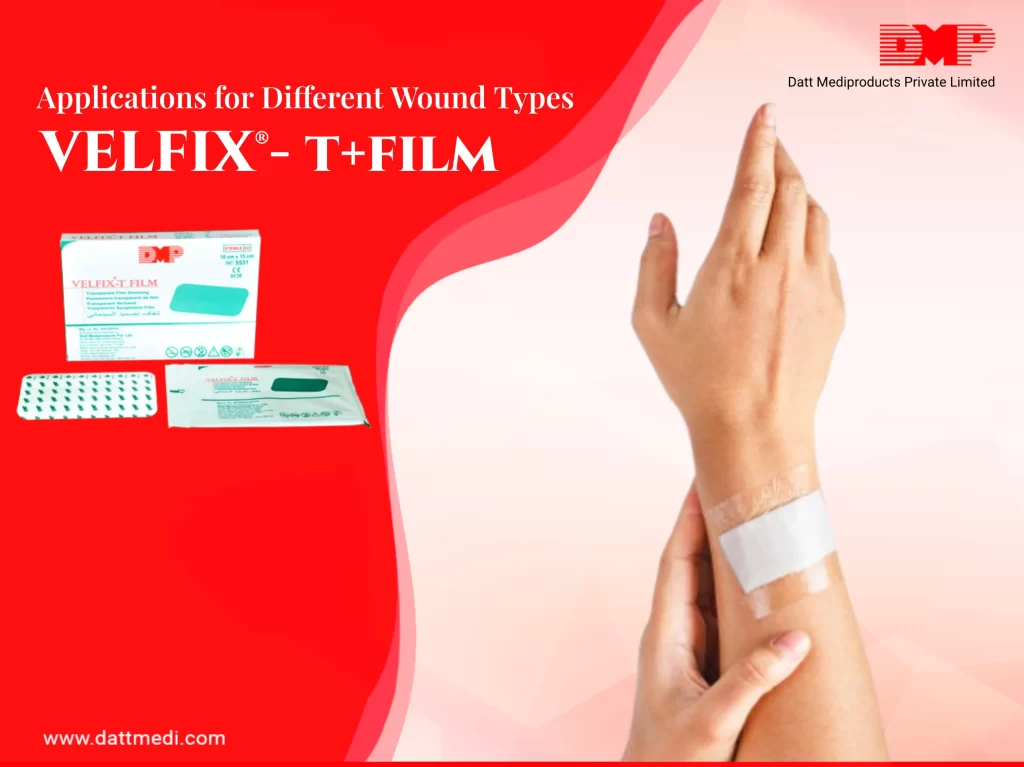
Wound care has evolved significantly with the development of advanced dressings that cater to various needs. One such innovation is the Velfix® -T Film, a transparent film dressing made from high-quality polyurethane coated with adhesive on one side. This dressing offers a multitude of benefits, making it suitable for different wound types. In this blog, we will explore the various applications of Velfix® -T Film in wound management.
Waterproof Fixation of Wound Dressings:
One of the primary applications of Velfix® -T Film is its use as a waterproof fixation dressing. The film’s impermeability to liquid, water, and bacteria ensures that the wound remains protected from external contaminants. This feature is particularly beneficial for patients who need to shower or come into contact with water during their daily activities. The Velfix® -T Film acts as a barrier, keeping the wound dry and preventing infection while allowing moisture vapor and gases to pass through, promoting a healthy healing environment.
Managing Acute Wounds such as Abrasions and Lacerations:
Acute wounds, such as abrasions and lacerations, require prompt and effective management to prevent complications. Velfix® -T Film is an excellent choice for these types of wounds due to its flexibility and ease of application. The film conforms well to irregular wound contours, providing a secure and comfortable fit. Its transparent nature allows for easy monitoring of the wound’s progress without disturbing the healing process.
Postoperative care involves protecting surgical incisions from infection and promoting optimal healing. Velfix® -T Film provides a protective barrier over postoperative wounds, reducing the risk of contamination while allowing for visual inspection without the need to remove the dressing. Its transparent nature facilitates monitoring of the wound site, ensuring early detection of any signs of infection or complications.
Protecting Minor Burns:
Minor burns can be painful and susceptible to infection. Velfix® -T Film offers a gentle and effective solution for protecting these wounds. Its hypoallergenic adhesive ensures secure fixation without causing discomfort, while the film’s barrier properties shield the burn from external irritants. The dressing also promotes a moist environment that supports faster healing and reduces scarring.
Benefits in Treating Superficial Pressure Ulcers:
Superficial pressure ulcers, often caused by prolonged pressure on specific areas of the body, require careful management to prevent further tissue damage. Velfix® -T Film‘s transparent and breathable design makes it ideal for these wounds. The dressing protects the ulcerated area from friction and trauma while allowing clinicians to monitor healing progress easily. Its moisture-retentive properties aid in promoting tissue regeneration and preventing infection.
Hence, Velfix® -T Film stands out as a versatile option in wound care, offering benefits across a range of applications. From waterproof fixation and postoperative wound management to protecting burns and treating pressure ulcers, this transparent film dressing provides a conducive environment for healing while ensuring patient comfort. Its ease of use, breathable design, and hypoallergenic properties make it a valuable tool in modern wound care practices.
Whether used in hospitals, clinics, or home care settings, Velfix® -T Film exemplifies innovation in wound management, enhancing patient outcomes and quality of care. For healthcare providers seeking reliable solutions to enhance wound healing, Velfix® -T Film proves to be an indispensable choice.