

Search by Blog
Read by Category

Your healing journey continues beyond this blog

Find the right products for better recovery at online store
Cart Image
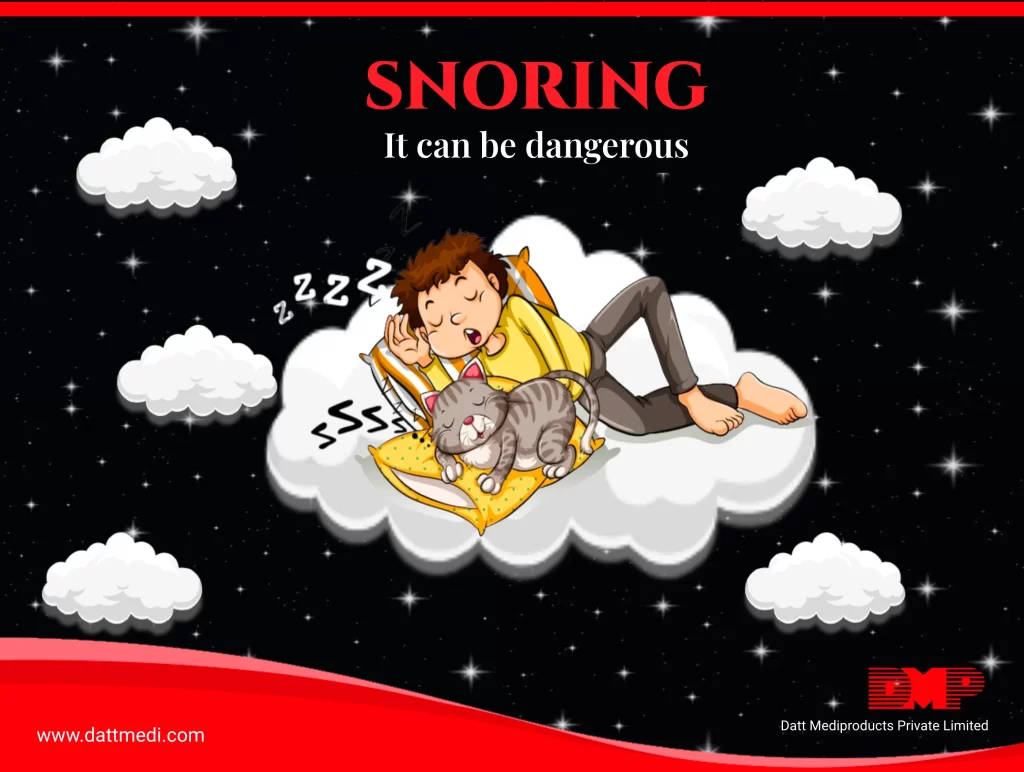
SNORING Signs to be worry about

Snoring is a noisy sleep. Snoring occurs when airflow is restricted during sleep. We push air through our nose, mouth and throat while breathing. An obstructed airway causes the tissues to vibrate and flutter making a rattling or grumbling sound. This is “Snoring”.

It can be startling for people to know that they snore while they have always been proud of being a silent sleeper. This might be because there is no one to tell them. People may also wonder what cause them to snore.

We have tried to list down a few of the risk factors that contribute to snoring.

RISK FACTORS:
Snoring can be caused by allergies, colds, flues, and sinus infections as they lead to nasal congestion that can contribute to snoring. Some usual risk factors of snoring may include the following:-

  1. OBESITY: An excess body fat puts pressure on soft tissues, thereby obstructing the airway.
  2. PREGNANCY: Some hormones released during pregnancy cause inflammation inside the nose.
  3. ENLARGED SOFT TISSUES: Tonsils and adenoids are located in the upper airway and can block the same if enlarged.
  4. GENETIC FACTORS: The structural differences in the face, jaw, nose or throat may also lead to airway restriction. Some of the examples of genetic syndromes may include cleft lip and cleft palate, Down syndrome, and congenital central hypoventilation syndrome.

Consuming ALCOHOL or SEDATIVE MEDICATIONS relaxes muscles causing airflow obstruction and thus snoring.

IS SNORING HARMLESS OR DANGEROUS?
Many instances of snoring are benign but can be dangerous depending upon their type, severity and frequency.

Infrequent or Light Snoring episodes are typical and do not require any special medical testing or treatment. An instructor in the Division of Sleep Medicine at Harvard Medical School once said that “Snoring can be normal and not something to worry about.” But it can also affect one’s sleep leaving you dragging the next day, thereby negatively impacting your productivity and efficiency.

Primary Snoring has a frequency of more than three nights per week. Because of an increased frequency than Light Snoring, it is troublesome for bed partners. It is of a lesser health concern unless it leads to more sleep disruptions and progresses to a more advanced stage called Sleep Apnea.

Obstructive Sleep Apnea (OSA) associated Snoring is alarming from a health frame of reference. If left untreated, the implications of OSA on overall health of the patient can be paramount. The condition occurs due to blockage of the airways by weak, heavy or relaxed soft tissues.

As per the study “Estimation of the global prevalence and burden of obstructive sleep apnoea: a literature-based analysis” published in The Lancet Respiratory Medicine, it is estimated that 936 million adults aged 30–69 years mild to severe obstructive sleep apnea and 425 million adults aged 30–69 years have moderate to severe obstructive sleep apnoea globally.

“Central Sleep Apnea” results when our brain fails to send proper signals to the muscles which control breathing. Very loud snoring which occurs more than three times a week can be bothersome. It may be characterized by gasping, choking, or snorting sounds. The patient may encounter a lack of focus or mental sharpness with daytime drowsiness; morning headaches and congestion. These signs may also be associated with sudden weight gain, high blood pressure or frequent night-time urination Nocturia. Snoring can also leads to sleep-related bruxism– also known as nocturnal teeth-grinding, particularly in children.

We @dattmediproducts understand and advice to take any sleep disorder seriously. Several therapies such as continuous positive air pressure (CPAP) therapy are available which administers pressurised air at a prescribed rate to ease breathing during the night. It’s crucial to talk with a doctor about your snoring signs and get the most effective way to correct it. Because sound sleep is important.
Visit www.dattmedi.com for more infomation.
Share:
Recent Blogs

As we age, our bodies undergo several changes that can affect our overall health. These changes include a decrease in muscle mass and bone density, a slower metabolism, and a decline in cognitive function. Additionally, our immune system may weaken, making us more susceptible to infections and illnesses.

However, it’s important to remember that aging doesn’t necessarily mean poor health. By taking care of our bodies and adopting healthy habits, we can age gracefully and maintain our health and independence.

Issues Faced with Aging:

There are several issues that can arise as we age. Some of the most common include:

1. Chronic conditions:

As we age, we are more likely to develop chronic health conditions such as diabetes, arthritis, and heart disease.

2. Mobility issues:

Muscles and joints can become stiff and less flexible with age, which can make it harder to move around.

3. Cognitive decline:

Memory loss and other cognitive changes can occur with age.

4. Social isolation:

Older adults may experience social isolation and loneliness, which can lead to depression and other health problems.

5. Caregiver burden:

Family members or other caregivers may experience stress and burnout when caring for an older adult.

Ways to Overcome in a Healthy Way:

A. Stay active:

Regular exercise can help maintain muscle strength, flexibility, and balance. Try to engage in physical activity for at least 30 minutes a day, five days a week. This could be as simple as taking a walk or doing some light stretching.

B. Eat a healthy diet:

A balanced diet with plenty of fruits, vegetables, whole grains, and lean protein can help maintain overall health. It’s also important to stay hydrated by drinking plenty of water.

C. Keep your mind active:

Engage in activities that challenge your brain, such as reading, doing puzzles, or learning a new skill. This can help maintain cognitive function and prevent memory loss.

D. Stay socially engaged:

Join clubs or groups that interest you, volunteer in your community, or spend time with family and friends. Staying socially engaged can help prevent loneliness and depression.

E. Be proactive about healthcare:

Regular check-ups with your healthcare provider can help detect and treat health problems early on. It’s also important to follow recommended screening guidelines for conditions such as cancer and heart disease.

While it’s important to take care of ourselves as we age, it’s also important to take precautions to prevent falls and other accidents.

Some ways to do this include:

  • Keep your home well-lit and free of clutter.
  • Install grab bars in the bathroom and other areas where you may need extra support.
  • Use assistive devices such as a cane or walker if needed.
  • Wear proper footwear with good support and non-slip soles.
  • Be aware of potential hazards such as uneven sidewalks or slippery floors.

Healthy aging is achievable with the right mindset and healthy habits. By staying active, eating a healthy diet, keeping our minds active, staying socially engaged, and being proactive about healthcare, we can maintain our health and independence as we age.

We advice to take precautions to prevent falls and other accidents, and don’t be afraid to ask for help when needed. With these tips and strategies, we can age gracefully and enjoy a healthy and fulfilling life.

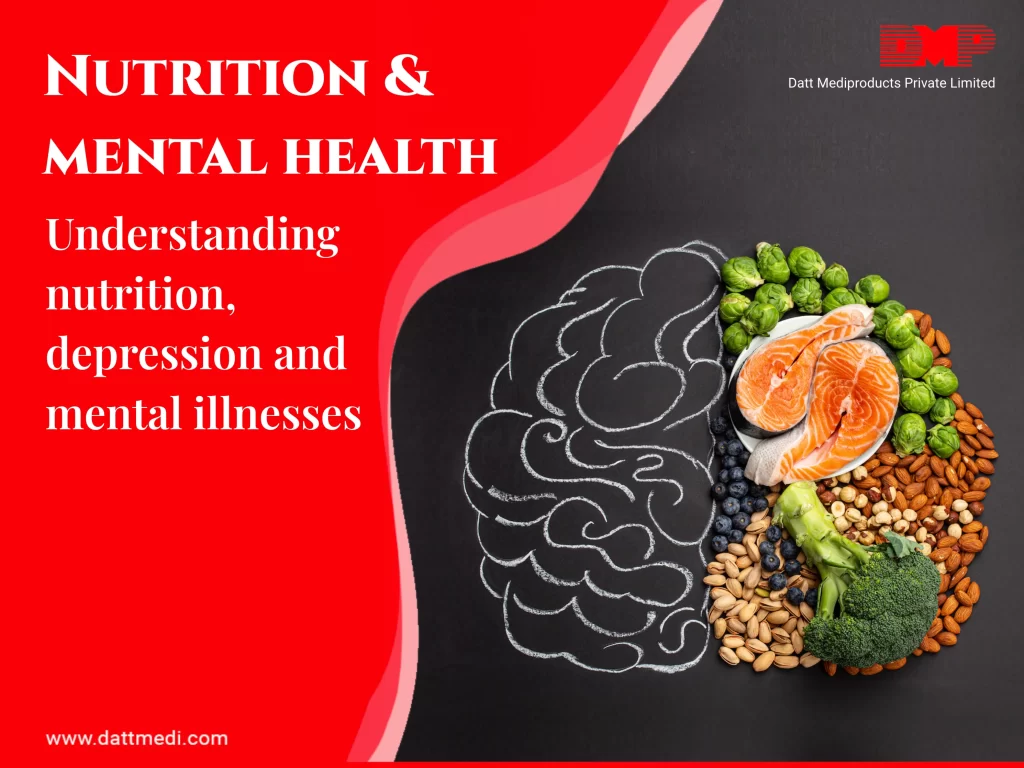
The Link Between Nutrition and Mental Health

Good nutrition is essential for our physical health, but did you know it can also have a significant impact on our mental health? In recent years, researchers have discovered a strong link between what we eat and our mood, emotions, and overall mental well-being. In this blog, we’ll explore this connection in more depth and provide practical tips for how to balance both nutrition and mental health for optimal overall health.

(more…)
Logo

Datt Mediproducts Private Limited

Loading