

Search by Blog
Read by Category

Your healing journey continues beyond this blog

Find the right products for better recovery at online store
Cart Image
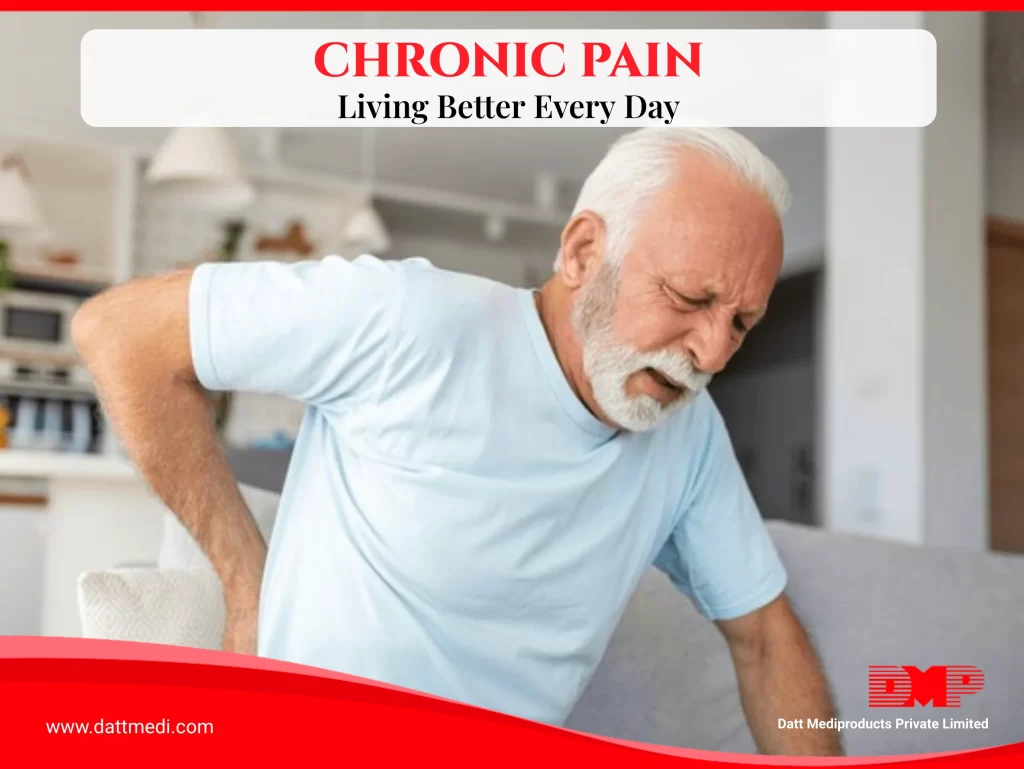
Chronic Pain Living Better Every Day

Chronic pain is a pervasive issue that affects millions of individuals worldwide, significantly altering their daily lives and overall well-being. Unlike acute pain, which serves as a signal of injury or illness and typically subsides with treatment, chronic pain persists for weeks, months, or even years. This relentless discomfort can arise from various conditions such as arthritis, fibromyalgia, and nerve damage. The impact of chronic pain extends beyond the physical realm, often leading to emotional distress and reduced quality of life.

In this blog, we will delve into effective strategies for managing chronic pain, focusing on coping techniques, nutrition, emotional well-being, and lifestyle adaptations. By understanding and addressing the multifaceted nature of chronic pain, individuals can improve their daily lives and enhance their overall health.

Coping Strategies and Techniques:

Managing chronic pain involves various coping mechanisms. Mindfulness and relaxation techniques, such as meditation and progressive muscle relaxation, can help reduce pain perception. Breathing exercises, like deep breathing or diaphragmatic breathing, also provide relief. Regular physical activity, tailored to your condition, can improve flexibility and strength, reducing pain over time. Activities such as swimming, walking, and yoga are often recommended for their low-impact benefits.

Nutrition and Diet:

Nutrition plays a vital role in managing inflammation and pain. Anti-inflammatory foods, such as leafy greens, fatty fish, nuts, seeds, and berries, can help alleviate symptoms. Omega-3 fatty acids, found in fish and flaxseeds, are particularly beneficial. Conversely, avoiding processed foods, sugary snacks, and excessive caffeine is crucial as they can exacerbate inflammation and pain. Staying hydrated and maintaining a balanced diet support overall health and pain management.

Emotional Well-being:

Chronic pain takes an emotional toll, often leading to anxiety, depression, and stress. Supporting mental health through therapy, such as cognitive-behavioral therapy (CBT), can be effective. CBT helps in changing negative thought patterns and developing coping strategies. Seeking social support from friends, family, or support groups can provide comfort and understanding. Engaging in hobbies, practicing mindfulness, and using relaxation techniques can help manage stress and improve emotional resilience.

Adapting Daily Life:

Adapting daily routines can enhance quality of life. Using assistive devices like ergonomic furniture, mobility aids, and adaptive tools can make daily tasks easier and more comfortable. Prioritizing rest and pacing activities throughout the day can prevent flare-ups and manage energy levels. Organizing your environment to minimize unnecessary strain and setting realistic goals for activities can help maintain a balance between activity and rest.

By understanding chronic pain and implementing these strategies, you can live a more fulfilling life despite the challenges. Managing chronic pain requires a holistic approach that addresses physical, emotional, and lifestyle factors, empowering you to live better every day.

Visit www.dattmedi.com for more infomation.
Share:
Recent Blogs
Understanding Parkinson's Disease : Symptoms, Causes, and Treatment Options

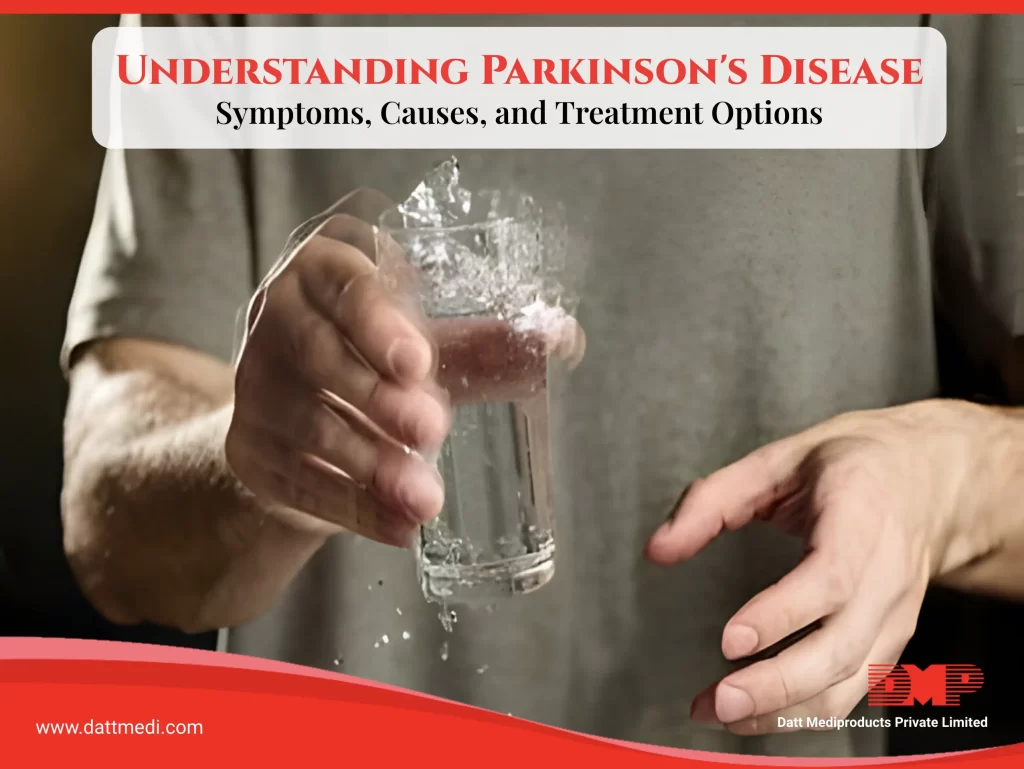
Understanding Parkinson’s Disease: Symptoms, Causes, and Treatment Options

Parkinson’s disease is a complex and often misunderstood neurodegenerative disorder that affects millions of people worldwide. It is characterized by a progressive loss of dopamine-producing cells in the brain, leading to a range of motor and non-motor symptoms that can significantly impact daily life. In this blog, we will explore the symptoms, causes, and treatment options for Parkinson’s disease, as well as the importance of support and advocacy for those living with the condition.

Symptoms of Parkinson’s Disease :

Parkinson’s disease primarily affects movement, causing a variety of motor symptoms that can vary in severity from person to person. The most common symptoms include tremors, stiffness, and bradykinesia (slowness of movement). Individuals with Parkinson’s may also experience freezing gait, a sudden inability to initiate or continue walking, as well as a stooped posture and changes in speech and handwriting.

In addition to motor symptoms, Parkinson’s disease can also cause a range of non-motor symptoms that may be less visible but equally challenging. These can include depression, anxiety, cognitive impairment, sleep disturbances, and autonomic dysfunction. It is important for individuals with Parkinson’s and their caregivers to be aware of these non-motor symptoms and seek appropriate support and management strategies.

Causes and Risk Factors:

The exact cause of Parkinson’s disease is not yet fully understood, but it is believed to involve a combination of genetic and environmental factors. Advancing age is the most significant risk factor, with the majority of cases diagnosed in people over the age of 60. However, younger individuals can also develop Parkinson’s, particularly if they have a family history of the disease or are exposed to certain environmental toxins such as pesticides and solvents.

Recent research has also identified specific genetic mutations associated with an increased risk of Parkinson’s disease, although these account for only a small percentage of cases. Overall, Parkinson’s is thought to result from a complex interplay of genetic susceptibility and environmental triggers, and further research is needed to fully understand these mechanisms.

Treatment Options and Management Strategies:

While there is currently no cure for Parkinson’s disease, there are a variety of treatments available to help manage symptoms and improve quality of life. Medications such as levodopa, dopamine agonists, and MAO-B inhibitors can help alleviate motor symptoms by increasing dopamine levels in the brain. Physical therapy, occupational therapy, and speech therapy can also be beneficial in addressing specific motor and non-motor symptoms.

In addition to medical interventions, lifestyle modifications such as regular exercise, healthy diet, and stress management techniques can also play a key role in managing Parkinson’s disease. Social support and community resources are also invaluable for individuals living with Parkinson’s and their caregivers, providing emotional support, practical assistance, and opportunities for socialization.

Support and Advocacy:

In India, there are several organizations dedicated to supporting individuals with Parkinson’s disease and raising awareness about the condition. One such organization is the Parkinson’s Disease and Movement Disorder Society (PDMDS), which offers rehabilitation programs, support groups, and educational resources for people living with Parkinson’s and their families. The Indian Parkinson’s Disease Association (IPDA) is another valuable resource, providing information, advocacy, and support services to improve the lives of those affected by Parkinson’s disease.

Parkinson’s disease is a challenging and complex condition that requires a comprehensive approach to management and care. By understanding the symptoms, causes, and treatment options for Parkinson’s, as well as the importance of support and advocacy, we can work together to improve the lives of individuals living with this condition. Through education, awareness, and community involvement, we can make a difference in the lives of those affected by Parkinson’s disease.

Safe Alternatives: Choosing Organic and Authentic Foods

In a world in which food selections are abundant, the importance of selecting safe and real options can’t be overstated. The growing concerns about meal adulteration have sparked international communication about the capability risks to our fitness.

In today’s blog post, we’ll explore the significance of opting for wholesome, authentic meals. We’ll shed light on both the nutritional benefits and potential risks associated with conventional food choices.

(more…)

Logo

Datt Mediproducts Private Limited

Loading
