Search by Blog
Read by Category

Your healing journey continues beyond this blog

Find the right products for better recovery at online store
Cart Image
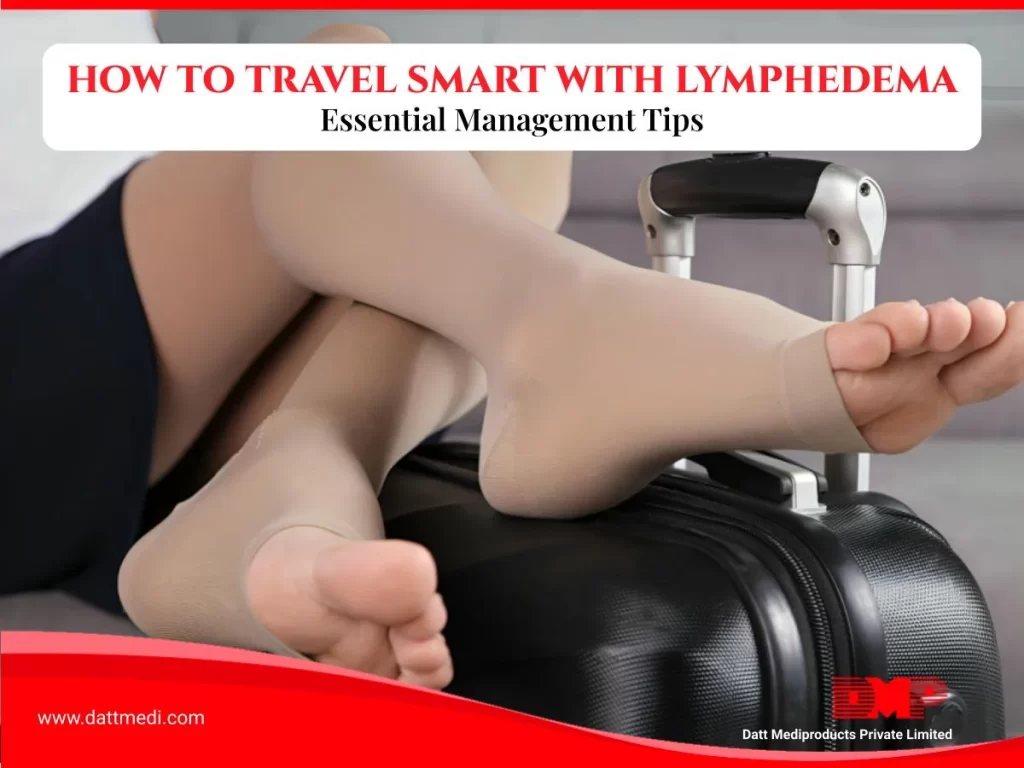
Traveler wearing compression garments on legs

Travel with lymphedema is possible — and with the right routine, most people manage it well. Long hours of sitting, cabin pressure changes, and heat can increase swelling. But simple steps before and during your journey help keep it under control.

This blog covers why travel triggers swelling, what to pack, and how to stay comfortable from start to finish.

Why Travel With Lymphedema Can Make Swelling Worse

  • Long periods of sitting slow lymph flow – The lymphatic system depends on muscle movement to move fluid through the body. Sitting still for hours can cause fluid to build up.
  • Cabin pressure during flights affects fluid movement – Air travel can make swelling worse because changes in cabin pressure influence how fluid circulates in the body.
  • Heat and humidity increase swelling – Warm weather, crowded transport, and hot airports can widen blood vessels and draw extra fluid into soft tissue.
  • Heavy bags add strain to affected areas – Carrying heavy luggage on an affected arm, shoulder, or limb can stress lymphatic pathways. Packing light or getting help with bags can reduce this risk.

How to Travel With Lymphedema: What to Pack

Compression Bandaging

Compression is the most important tool you have. Apply it before you board — not after swelling starts.

The Velcare® Lymphedema Kit is an all-in-one compression bandaging solution designed specifically for managing lymphedema. It includes:

  • Velnet™ Cotton Stockinette — protects skin and absorbs excess moisture under bandages
  • Velkomp® Short Stretch Compression Bandage — applies the controlled, sustained pressure needed to reduce fluid buildup
  • FoamBand Soft Foam Bandage — cushions the limb and distributes pressure evenly
  • Velcare™ Foam Pads — fills anatomical indentations (e.g. around ankles and wrists) for consistent compression
  • Velform™-C Conforming Retention Bandage — wraps individual digits and holds foam pads in place
  • Velpore™ Surgical Paper Tape — secures bandages to prevent slippage during travel with lymphedema

Because it contains everything in one kit, it’s practical to pack without worrying about forgetting a component. Carry a spare set of bandages in case one becomes wet or loses elasticity mid-trip.

Skin Care Essentials

Skin care is important when you travel with lymphedema. Even small cuts or irritation may increase the risk of complications.

  • Carry:
  • Gentle moisturiser
  • Mild soap
  • Antiseptic wipes
  • Small dressings or adhesive bandages

Comfortable Clothing

Loose and breathable clothing may help reduce pressure on the affected area and improve comfort during travel.

Travel With Lymphedema: Tips to Reduce Swelling Naturally

Simple daily habits can help support comfort and circulation during your journey.

Wear Your Compression

Put on your compression garment or apply your Velcare® bandaging before boarding — not after swelling has already started. Compression applies gentle, consistent pressure that guides lymph fluid away from swollen tissue and supports its movement back through the body’s natural drainage pathways. This is especially important during long trips when movement is limited.
Compression Stocking for Varicose Veins


Move Every Hour

Stand up and walk for a few minutes whenever you can. If movement is not possible, seated exercises keep circulation active:

  • Ankle circles
  • Foot pumps (press toes down, then lift heels)
  • Shoulder rolls
  • Gentle arm stretches

Stay Hydrated

Dehydration encourages the body to retain fluid, which can make swelling worse. Drink water consistently throughout the journey. Avoid excess caffeine or alcohol, particularly on flights.

Elevate When You Can

During rest stops or once seated, elevate the affected limb slightly above heart level to help reduce fluid accumulation.

Flying-Specific Tips

  • Book an aisle seat so you can stand and move without disturbing others.
  • Ask a flight attendant or fellow passenger to help with overhead luggage — avoid lifting heavy bags yourself.
  • Perform in-seat foot pumps and leg stretches throughout the flight, particularly on journeys over two hours.

After Travel: Warning Signs to Watch For

Most journeys pass without incident when precautions are followed. However, monitor for:

  • Sudden or significant increase in swelling
  • Tightness or heaviness in the limb
  • Skin redness or unusual warmth
  • Pain or tenderness
  • Fever or other signs of infection
Note:
If any of these appear or worsen in the hours after travel, contact a healthcare professional promptly. Early attention prevents complications.

Travel with Lymphedema Confidently

Lymphedema is a condition to manage, not a reason to stay home. With a complete compression kit, a few deliberate habits during the journey, and attention to your body afterwards, most people live fully mobile lives — exploring new places without compromising their health.

The Velcare® Lymphedema Kit provides everything you need in one kit — designed to be packed, carried, and used wherever your journey takes you.
Visit www.dattmedi.com for more infomation.
Share:

Frequnently Asked Questions

There is no universal waiting period — it depends on the type of surgery, how well the wound has healed, and your specialist’s assessment. Most surgeons advise waiting until the surgical site is fully closed and stable, then taking a short test flight before committing to long-haul travel. Always get clearance from your treating physician before flying post-surgery.

It is not legally required in most countries, but carrying a brief letter from your doctor or lymphedema therapist is strongly recommended. It explains why you need compression bandages and any other supplies in your carry-on — which can avoid delays at security screening.

Even a two-hour journey can trigger swelling if you are prone to it. Compression is generally advised for any trip where you will be sitting for more than 90 minutes — regardless of the mode of transport.

A wet or loose garment loses its compression effectiveness and can irritate the skin. This is why carrying a spare set of bandages is part of standard travel preparation. The Velcare® Lymphedema Kit’s components can be reapplied without specialist equipment, making it practical for use on the road.

Heat can cause a temporary increase in swelling, but it does not permanently worsen the condition if managed properly. Stay cool, wear light clothing, avoid hot tubs and prolonged sun exposure on the affected limb, and maintain your compression routine throughout the trip.

Recent Blogs
Top Misconceptions About Compression Therapy

Top Misconceptions About Compression Therapy

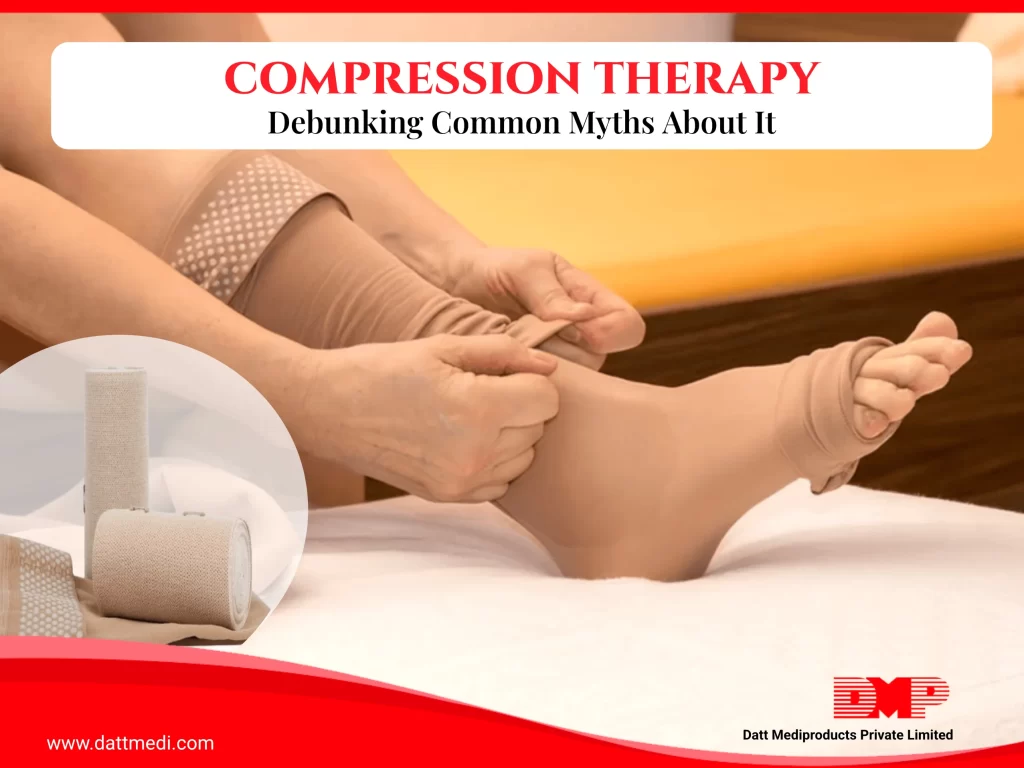
Compression therapy is a widely used treatment method that helps improve circulation, reduce swelling & pain, and support faster healing. However, many people hesitate to use it due to common misconceptions. Let’s clear up these myths and highlight the true benefits of compression therapy.

What Is Compression Therapy?

Compression therapy involves wearing specially designed garments, such as stockings, wraps or bandages, that apply gentle pressure to the legs or other affected areas. This pressure promotes blood flow, prevents fluid buildup, and supports overall vascular health. It is commonly used for conditions arising due to chronic venous insufficiency such as varicose veins, venous varicosities/ leg ulcers, lymphedema or in cases of deep vein thrombosis (DVT) and post surgery recovery

Myth 1: Compression Therapy Is Only for the Elderly

Fact: While older adults commonly use compression therapy to manage venous disorders, it benefits people of all ages. Athletes use compression garments for muscle recovery, travelers wear them to prevent blood clots, and individuals with jobs requiring prolonged standing or sitting rely on them to reduce leg fatigue.

Myth 2: Compression Therapy Causes Discomfort

Fact: Properly fitted compression garments should feel snug but not painful. Modern compression products are designed for comfort, with breathable materials and graduated pressure to provide support without restricting movement. If discomfort occurs, it often means the compression level or size is incorrect.

Myth 3: Compression Therapy Is Only for Post-Surgery Recovery

Fact: While it is beneficial post-surgery to reduce swelling and promote faster healing, compression therapy is also widely used for the management of chronic conditions like varicose veins, lymphedema, and even general leg fatigue. It can also be used as a  preventive measure for individuals at risk of circulation problems. It can prevent leg swelling in people with sedentary lifestyles or situations like long flights; prevention of venous thromboembolism in immobile patients, and recurrence of venous leg ulcers in older adults.

Myth 4: Compression Therapy Will Make Your Legs Look Bulky

Fact: Compression garments have evolved significantly. Modern designs are sleek, lightweight, and available in different styles and colors, making them easy to wear under clothing without appearing bulky.

Myth 5: Compression Therapy Can Lead to Blood Clots

Fact: When used correctly, compression therapy actually helps prevent blood clots by promoting healthy circulation. Medical professionals often recommend it for people at risk of DVT, especially during long flights or post-surgery recovery.

Myth 6: Compression Therapy Is Only for People With Varicose Veins

Fact: While varicose veins are a common reason for using compression therapy, it is also beneficial for individuals with chronic venous insufficiency, lymphedema, post-exercise recovery, chronic pain, poor circulation, athletes and even pregnancy-related swelling.

Myth 7: Compression Therapy Is a Short-Term Solution

Fact: Compression therapy can be used for both short-term and long-term management of symptoms & to prevent further complications depending on the condition. Many individuals with chronic venous conditions or circulation issues incorporate it into their daily routines for continuous benefits.

The Truth About Compression Therapy

Compression therapy is a versatile and effective treatment that goes beyond age or specific medical conditions. By dispelling these myths, we can appreciate how compression bandages and garments enhance circulation, reduce swelling, and promote healing across all age groups and lifestyles.

Looking for reliable compression solutions?

Explore our range of high-quality compression solutions for effective support, enhanced comfort, and improved circulation in daily life.

In the field of healthcare, compression therapy plays a crucial role in the treatment of various conditions, particularly in wound care and managing lymphatic and vascular disorders. Compression therapy involves the application of pressure to affected areas to improve blood circulation, reduce swelling, and promote healing.

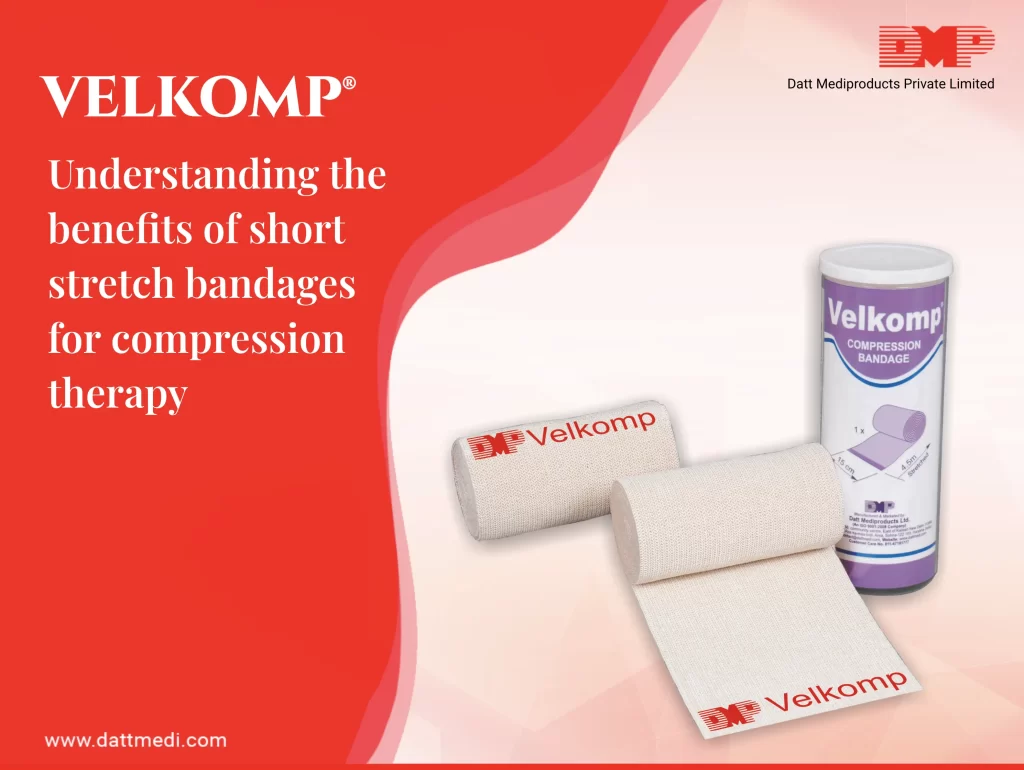
One important component of compression therapy is the compression bandages, specifically short-stretch bandages, which offer numerous benefits and are instrumental in achieving effective compression. In this blog, we will explore the purpose of Velkomp® Short Stretch Bandage and discuss the advantages and proper application techniques.

Understanding the Purpose of Short Stretch Bandages:

Short-stretch bandages are compression bandages that have the ability to stretch to a limited extent. Unlike long-stretch bandages, which can stretch significantly, short-stretch bandages provide firm and sustained compression. They are designed to exert pressure on the underlying tissues, offering support and reducing edema or swelling. The unique properties of short-stretch bandages make them ideal for providing moderate compression in a variety of healthcare applications.

Overview of Velkomp®

Short Stretch Bandage for Moderate Compression

Velkomp® Short Stretch Bandage is a high-quality, latex-free product widely used in compression therapy. It is specifically designed to deliver moderate compression, making it suitable for a range of conditions such as venous insufficiency, lymphedema, and chronic wounds. The bandage is made from a blend of cotton, ensuring a comfortable fit while maintaining the necessary compression levels. Its woven structure allows for air permeability, preventing excessive moisture build-up and promoting a healthy wound environment.

Key Advantages

Short Stretch Bandages for Compression Therapy

1. Controlled and Sustained Compression:

They provide controlled compression by exerting constant pressure on the affected area. This helps to reduce swelling, promote blood circulation, and alleviate discomfort.

2. Enhanced Patient Comfort:

They offer excellent conformability and elasticity, ensuring a snug fit without compromising patient comfort. The bandage adapts to body contours and movements, allowing for a full range of motion while providing the necessary compression.

3. Reduced Slippage and Shifting:

They have minimal recoil, which means they maintain their applied tension and stay securely in place. This prevents the bandage from slipping or shifting during movement, ensuring consistent compression therapy.

4. Proper Application Techniques:

When applying, it is essential to follow proper techniques to achieve optimal results.

Here are a few considerations to keep in mind:

  • Prepare the Skin:
    Ensure the skin is clean and dry before application to promote adherence and prevent skin irritation.
  • Apply with Appropriate Tension:
    Begin by applying the bandage with low tension and gradually increase the tension as you wrap. This helps achieve the desired compression while avoiding excessive pressure.
  • Overlap and Secure:
    Overlap each wrap by at least 50% to ensure even compression. Secure the end of the bandage with tape or clips to prevent unravelling.
Short stretch bandages, such as Velkomp®, play a vital role in compression therapy. They offer controlled compression, enhanced patient comfort, and reduced slippage, making them a valuable tool in managing various conditions.

By understanding the purpose of short-stretch bandages and employing proper application techniques, healthcare professionals can optimize the benefits of compression therapy and contribute to better patient outcomes. Embracing the significance of short-stretch bandages is essential for advancing wound care and promoting the overall well-being of patients in need of compression.  We are committed to providing valuable information and insights to support your journey toward improved wound healing and patient well-being.

Logo

Datt Mediproducts Private Limited

Loading