

Search by Blog
Read by Category

Your healing journey continues beyond this blog

Find the right products for better recovery at online store
Cart Image
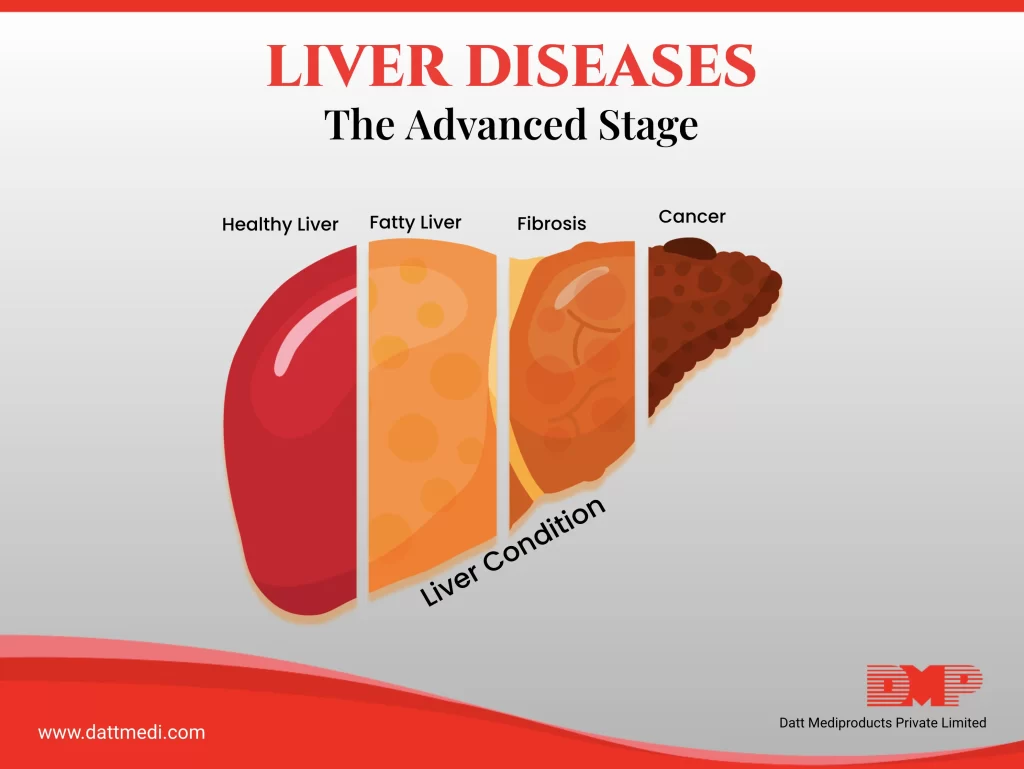
The Advanced Stages – Liver Diseases

Liver diseases are on the verge of becoming the next major lifestyle diseases after Diabetes.

Do You Know?
Liver disease may affect people of any age, although a majority of patients belong to the 40-60 years age group.

In our previous blog, we discussed that liver diseases are progressive in nature and how a healthy liver becomes fatty, then develops fibrosis ultimately leading to liver cirrhosis. In this blog, we are going to discuss the advanced stages that can threaten your life.

Let’s have a look at some stats & facts:

– As per WHO Statistics, Liver Disease is the 10th most common reason for deaths in India.
– In India, Liver Disease may affect everyone in 5 individuals.
– Every year nearly 10 lakh people are diagnosed with liver cirrhosis in India.
– Hepatocellular carcinoma (HCC), is the second most common reason for mortality due to malignancy in the world.
– Liver Cirrhosis is the 14th foremost cause of death around the world.
– Liver disease may affect individuals of any age. People may even be born with the disease.
– You may also have liver disease with no specific symptoms.
– A person with advanced-stage liver disease may bleed or bruise easily. This is because a failing liver produces fewer blood clotting proteins.

Now let’s talk about the three of the advanced stage liver diseases:

End-stage liver disease:
ESLD includes liver cirrhosis patients with irreversible decompensation signs such as hepatic encephalopathy, variceal bleed, kidney impairment, ascites, lung issues. The only treatment option left for SLD patients is a liver transplant.

Do you know that 97 percent of liver transplants in North India are Living Donor types, and the rest are cadaver transplants?

Liver Cancer:
Cancer which originates in the liver is referred to as Primary Liver Cancer. If this cancer spreads to other body parts it becomes metastatic. Liver cancer is more common in men than in women. The primary risk factor is long-term infection with the Hepatitis B or C virus because hepatitis often leads to cirrhosis which ultimately develops into cancer.

Symptoms of liver cancer may include fatigue, bloating, loss of appetite, satiety feeling, vomiting, pain especially on the right side of the upper abdomen or back and shoulder, weight loss, weakness, fever, and jaundice. Any type of liver disease may progress to liver cancer.

Liver Failure:
Failure of the liver means, liver losing all its functions. Initial symptoms may include nausea, vomiting, fatigue, loss of appetite, and diarrhea. These symptoms coincide with several other common issues. As the situation progresses, symptoms become worse.

A person may become confused, disoriented, extremely sleepy with an increased risk of coma and death. Toxins back up in the brain of such patients causing a condition very similar to dementia. Liver failure is a life-threatening medical condition, with liver transplant being the only treatment option.

Do you know that a liver transplant is not a cure for liver diseases, sometimes the transplant can fail or the original disease may return.

Even a newly transplanted liver may contract liver diseases. Maintaining a healthy weight, eating low fat, low sugar, low rice- high fiber-diet, may keep liver diseases at bay.

You can visit our blog section www.dattmedi.com to know more about how to maintain a healthy lifestyle and other health topics.
Visit www.dattmedi.com for more infomation.
Share:
Recent Blogs
Top Foods for Wound Healing: Boost Your Recovery & Strength

Nutrition plays a central role in wound healing, often as important as medical care itself. When the body sustains an injury, foods for wound healing become essential as its demand for specific nutrients increases.

The right foods can help accelerate tissue repair, reduce inflammation, strengthen the immune system, and enhance overall recovery. This blog explores scientifically backed foods for wound healing that actively support faster and more effective recovery.

Phytonutrient Power for Tissue Repair

What they are:

Phytonutrients are bioactive compounds in plants, such as flavonoids and carotenoids.

Why they matter:

Wound sites often experience oxidative stress due to free radicals, which can delay healing. Phytonutrients neutralize these free radicals, creating a favorable environment for tissue regeneration.

 Food sources:

  • Berries (flavonoids): Blueberries, strawberries, and blackberries reduce oxidative stress.
  • Sweet potatoes & carrots (carotenoids): Support cell growth and boost skin barrier function.

Quick Tip: Including a cup of mixed berries in breakfast or roasted sweet potato as a side dish provides antioxidant protection during recovery.

Collagen-Activating Foods

What they are:

Nutrients that directly stimulate collagen synthesis.

Why they matter:

Collagen forms the structural framework of new tissue and strong scar formation.

Key nutrients & foods:

  • Vitamin C (bell peppers, citrus, kiwi): A co-factor in collagen production.
  • Copper (sunflower seeds, cashews, lentils): Supports the cross-linking of collagen fibers for durability.

Quick Tip: A salad of bell peppers, spinach, and sunflower seeds supplies both vitamin C and copper—maximizing collagen activation.

Gut Health and Healing Connection

What it is:

The gut microbiome plays a central role in nutrient absorption and immune regulation.

Why it matters:

Without a healthy gut, even the best diet cannot deliver full healing benefits. Probiotics strengthen the microbiome, enhance nutrient uptake, and improve immune defenses against infection.

Food sources:

Yogurt, kefir, kimchi, sauerkraut, miso.

Quick Tip: Consuming a serving of probiotic yogurt daily can improve nutrient bioavailability, indirectly accelerating wound recovery.

Anti-Inflammatory Spice Cabinet

What they are:

Natural spices with anti-inflammatory and antimicrobial properties.

Why they matter:

Chronic inflammation around a wound can slow tissue regeneration. Certain spices actively reduce inflammatory responses while fighting harmful microbes.

Food sources:

  • Turmeric (curcumin): Reduces pro-inflammatory cytokines.
  • Ginger: Enhances circulation and reduces swelling.
  • Garlic: Provides antimicrobial support against infections.

Quick Tip: Adding turmeric to curries, ginger to tea, and garlic to meals integrates these benefits naturally into daily cooking.

Zinc Synergy Foods

What it is:

Zinc is essential for cell division and repair, but its efficiency increases when paired with vitamin C.

Why it matters:

Zinc deficiency can delay wound closure. Pairing zinc with vitamin C optimizes collagen production and tissue healing.

Food sources & pairings:

  • Pumpkin seeds + oranges
  • Chickpeas + bell peppers
This nutrient synergy ensures better absorption and function.

Iron-Rich for Oxygen Delivery

What it is:

Iron is critical for hemoglobin formation.

Why it matters:

Adequate hemoglobin ensures oxygen supply to regenerating tissues, which is vital for energy production during healing.

Food sources:

  • Heme iron (easily absorbed): Red meat, chicken, fish.
  • Non-heme iron: Lentils, spinach, fortified cereals.

Quick Tip: Pairing spinach (iron) with tomatoes (vitamin C) improves absorption, ensuring more oxygen reaches healing tissues.

Hydration Beyond Water

What it is:

Cellular hydration requires more than water—electrolytes are equally vital.

Why it matters:

Dehydrated cells cannot repair efficiently. Electrolytes maintain fluid balance, nerve signaling, and nutrient transport.

Food sources:

  • Coconut water: Natural electrolytes.
  • Watermelon & cucumbers: High water content plus minerals.
  • Broths & soups: Provide both fluids and electrolytes.

Quick Tip: Including hydrating foods alongside water intake supports optimal tissue repair.

Building a Healing Plate

Recovery requires more than a single “superfood.” It’s about creating a balanced plate with antioxidant-rich phytonutrients, collagen -activating nutrients, probiotics, anti-inflammatory spices, zinc and iron synergy, and hydration strategies.

Together, these foods give your body the fuel it needs to rebuild stronger tissue, reduce complications, and support a faster recovery.

Take good care—and Happy Holidays! ❄️✨🎄

How Lifestyle Choices Impact Wound Healing

How Lifestyle Choices Impact Wound Healing

Wound healing is a complex biological process involving tissue repair, immune defense, and cellular regeneration. While medical treatment plays a key role, lifestyle choices significantly influence the body’s ability to heal.

From nutrition to stress management, everyday habits can either support faster recovery or hinder the healing process. 

In this blog, we explore the key lifestyle factors that impact wound healing and how simple, evidence-based changes can make a difference.

1. Nutrition: Fuel for Tissue Repair

a. Protein

  • Vital for collagen formation and wound matrix development
  • Protein deficiency may lead to slower wound closure and increased risk of infection

b. Vitamins and Minerals

  • Vitamin C: Enhances collagen synthesis and capillary strength
  • Zinc: Supports immune function and cell proliferation
  • Vitamin A: Promotes epithelialization and helps control inflammation

c. Hydration

  • Maintains blood volume and supports oxygen/nutrient delivery
  • Dehydration can delay granulation and cell regeneration

Tip: Include lean proteins, citrus fruits, leafy greens, and zinc-rich foods like seeds and legumes in your daily meals.

2. Smoking: A Major Healing Inhibitor

Nicotine and other chemicals in tobacco constrict blood vessels, reducing oxygen supply to healing tissue.

  • Impairs collagen production and fibroblast function
  • Increases the risk of infection and delayed healing
  • Reduces overall immune response
Quitting smoking—even temporarily during recovery—can significantly improve healing outcomes.

3. Alcohol Consumption: Delaying Recovery

Excessive alcohol intake:

  • Suppresses immune function
  • Depletes nutrients like Vitamin C and zinc
  • Prolongs inflammation and disrupts tissue repair phases
Limit alcohol consumption to promote a healthy inflammatory response and proper wound granulation.

4. Physical Activity and Mobility

Moderate movement encourages circulation and supports healing—especially for patients at risk of pressure ulcers.

  • Improves oxygenation and nutrient transport
  • Reduces risk of blood pooling and edema
  • Prevents pressure injuries in bedridden individuals
Regular repositioning and guided physiotherapy are essential in wound care plans.

5. Stress Management: Healing Starts with the Mind

Chronic stress elevates cortisol levels, which suppresses immune function and delays inflammatory responses crucial for wound healing.

  • Impairs macrophage activity and T-cell function
  • Slows tissue repair and increases infection risk
Practices like mindfulness, deep breathing, and adequate rest can accelerate recovery.

6. Chronic Conditions & Lifestyle Adjustments

Certain medical conditions magnify wound healing challenges:

  • Diabetes: High blood glucose impairs leukocyte function and circulation
  • Obesity: Increased inflammation and reduced vascular flow to wound sites
Lifestyle interventions like glucose control, weight management, and routine exercise can reduce wound complications.

7. The Power of Sleep in Healing

During deep sleep, the body enters restorative phases that facilitate cell repair, hormone regulation, and immune modulation.

  • Lack of sleep can delay fibroblast activation and collagen remodeling
  • Poor sleep patterns are linked to chronic wound persistence
Aim for 7–9 hours of quality sleep to support recovery and immunity.

8. Wound Hygiene and Safe Practices

Proper wound care is essential for minimizing infection and supporting a moist healing environment.

  • Clean wounds with prescribed solutions
  • Avoid using unapproved topical agents or picking at scabs
  • Use appropriate antimicrobial dressings and change them regularly
Always follow healthcare provider instructions for dressing techniques and frequency.

9. Lifestyle Checklist for Optimal Wound Healing

  • Quit smoking or avoid exposure to tobacco
  • Limit alcohol consumption
  • Eat a balanced diet rich in healing nutrients
  • Stay hydrated
  • Engage in light physical activity or guided movement
  • Practice stress-reduction techniques
  • Get sufficient, restorative sleep
  • Follow proper hygiene and wound dressing guidelines
Healing isn’t just about medicine—it’s about mindset, habits, and daily choices.

By aligning medical treatment with proactive lifestyle changes, patients can accelerate recovery, reduce complications, and regain their well-being faster.

At Datt Mediproducts, we believe in a holistic approach to healing. Our advanced wound care solutions, including antimicrobial dressings, are designed to support optimal recovery in synergy with healthy living.

Logo

Datt Mediproducts Private Limited

Loading