

Search by Blog
Read by Category

Your healing journey continues beyond this blog

Find the right products for better recovery at online store
Cart Image
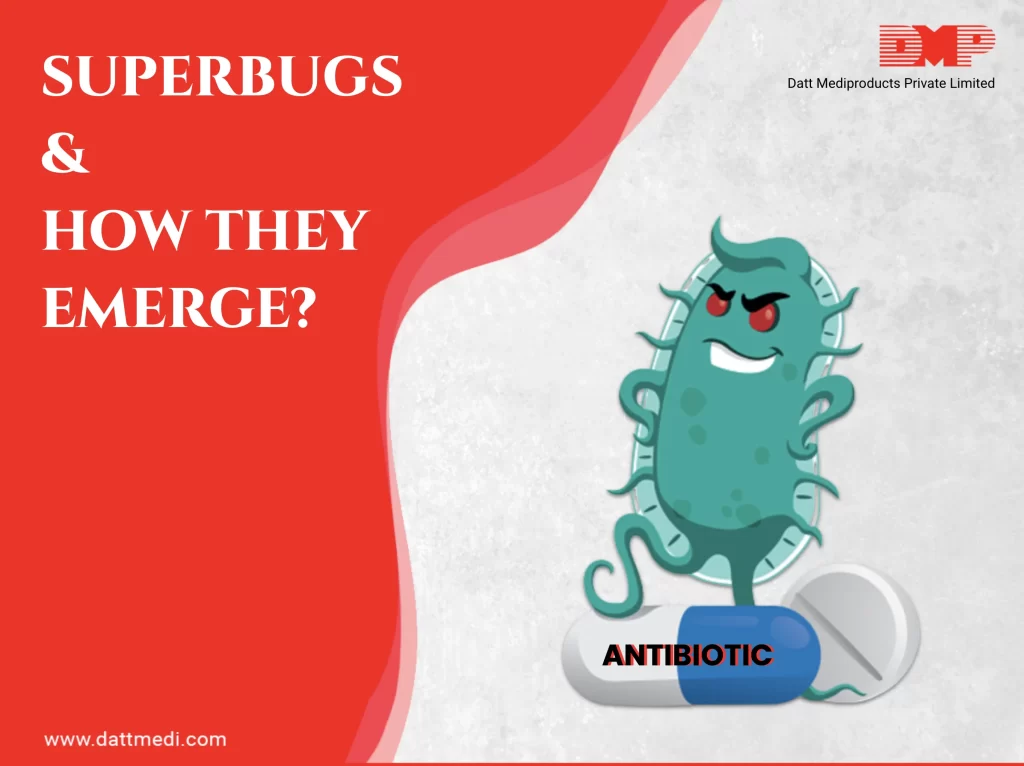
An Introduction about SUPERBUGS and how they emerge!

“Superbugs” refers to those strains of bacteria which have become resistant to most of the antibiotics, available at present. Merriam Webster dictionary defines a Superbug as “a pathogenic microorganism and especially a bacterium that has developed resistance to the medications normally used against it”.

The superbugs cause many dangerous infections like pneumonia, tuberculosis, urinary tract infections and skin infections to name a few. As per WHO, in 2016, nearly 5 lac people developed multi-drug resistant TB globally.

Superbugs with antibiotic resistance are a threat to the healthcare industry because the drugs become ineffective and the infection persists in the body, with increased chances to spread to others. This is due to the overuse and misuse of antibiotics. With the absence of effective antibiotics, success rates of the major surgeries may also be compromised.

The superbugs have been classified based on the risk factor, in a report released by the Centre for Disease Control (CDC) and Prevention, “Antibiotic Resistance Threats in the United States, 2019. Some common superbugs include MRSA, ESBL, VRE, Streptococcus pneumoniae, Pseudomonas aeruginosa, Shigella, Campylobacter, Mycobacterium tuberculosis, some strains of Candida & Salmonella (as described in our last blog “VELVERT TM: Herbal Antimicrobial Barrier Dressing”).

The published CDC report also mentions those superbug strains that have the potential to become resistant in the future. These include:

  • Aspergillus fumigatus
  • Mycoplasma genitalium
  • Bordetella pertussis

Do you know that most of the doctors use carbapenem antibiotics to treat severe and other high-risk bacterial infections? Acinetobacter and Enterobacteriaceae are those bacteria that have developed resistance to even carbapenems.

Few strains of bacteria have even developed resistance to sanitizers, such as the alcohol-based disinfectants that many hospitals use. As per a report “Increasing tolerance of hospital Enterococcus faecium to handwash alcohols” published in the Science Translational Medicine 01 Aug 2018”, the strains of E. faecium isolated after 2010 were found to be 10 times more tolerant to alcohol disinfectants than their older isolates.

Symptoms

There are no special symptoms of infections caused by superbugs. However, the infection doesn’t respond well to the treatment and if the symptoms get worse may indicate a superbug infection.

How can we prevent the evolution of these superbugs?

It is well understood that superbugs emerge whenever there is a misuse of antibiotics; people living or working in unhygienic/ unsanitary conditions or having poor infection prevention and control practices.

The emergence of superbugs may be avoided by preventing antibiotic resistance. This can be done either by using antibiotics only when needed or as prescribed by the physician; or by completing the therapy course even if the symptoms vanish or you feel better, and by not sharing your antibiotics with others or by never using the leftover prescribed drugs.

A case of a novel Coronavirus:

Coronavirus (2019-nCoV) is a new virus first identified in China. The virus is responsible for causing respiratory illnesses such as the common cold, severe acute respiratory syndrome (SARS) and the Middle East respiratory syndrome (MERS).

There is not much known about this novel virus but it appears to be spreading from person-to-person by respiratory droplets when someone coughs or sneezes. Symptoms can be mild to severe and include fever, cough, and shortness of breath. They may appear two to 14 days after exposure to the virus.

WHO and CDC recommend taking the following precautionary measures to help prevent the spread of respiratory viruses:

  • Washing hands regularly or sanitizing them.
  • Covering mouth and nose while coughing or sneezing.
  • Avoid touching your eyes, nose, and mouth with unclean hands.
  • Avoiding direct contact with sick persons.
  • Maintaining cleanliness.
  • Staying home, if sick.

We, Datt Mediproducts, understand that prevention is better than cure and is one of the most crucial ways to fight superbugs. Practicing safe hygienic methods, washing hands-on regular intervals, practicing safe sex and following safe cooking methods can help prevent infections.

We also recommend eating a healthy diet, getting enough sleep, exercising and maintaining a healthy lifestyle to boost your immunity.

Above all DO NOT MISUSE ANTIBIOTICS because there are not any new antibiotics in the pipeline and we rely on antibiotics to deliver modern health care.

Don’t Misuse Antibiotics & Keep away from Superbugs
Visit www.dattmedi.com for more infomation.
Share:
Recent Blogs
Choosing the Right Compression Stocking for Varicose Veins

Varicose Veins are enlarged, twisted veins that bulge under your skin. They normally develop when blood flow is obstructed and are more than just a cosmetic concern; they can cause discomfort and, if untreated, lead to more serious health issues. Medical compression stockings and wraps, such as the Velcare® range from us, provide an effective solution for managing varicose veins. Understanding their benefits and features can help you make an informed choice.

Velcare® -Varicose Veins Stocking: Support Where You Need It

Designed to offer Class 2 Compression (23-32mmHg), Velcare® -Varicose Veins Stocking are ideal for promoting circulation and reducing varicose vein symptoms. The graduated compression applies gentle pressure from the ankle upwards, aiding blood flow back to the heart.

Key Features of Velcare® -Varicose Veins Stocking:

  • Effective Compression: Reduces swelling and discomfort associated with varicose veins.
  • Comfortable Wear: Soft, breathable, latex-free materials ensure all-day comfort.
  • Durable Construction: Four-way stretchability enhances flexibility and durability for long-term use.
  • Medical Grade Quality: Designed to meet medical standards for effective varicose vein management.


Velcare® -Inelastic Wrap: Customizable Compression

For those preferring an alternative to traditional stockings, Velcare® -Inelastic Wrap provides targeted calf compression without constant adjustment. Adjustable straps offer a customized fit for optimal compression therapy tailored to individual needs.

Key Features of Velcare® -Inelastic Wrap:

  • Targeted Compression: Focuses on calf muscles for effective circulation support.
  • Adjustable Fit: Velcro straps ensure a secure fit and ease of adjustment.
  • Ease of Use: Simple application and removal for convenient daily wear.
  • Breathable Material: Allows the skin to breathe, suitable for extended use.

Choosing the Right Option for You

When deciding between Velcare® -Varicose Veins Stocking and Velcare® -Inelastic Wrap, consider your lifestyle, comfort preferences, and specific medical needs. Both options offer effective relief for varicose veins, with the stockings providing graduated compression and the wrap offering targeted support and ease of use.

Whether you choose the graduated compression of Velcare® -Varicose Veins Stocking or the targeted support of Velcare® -Inelastic Wrap, we as Datt Mediproducts, ensures you receive high-quality products designed to improve circulation and alleviate varicose vein symptoms. Explore more about Velcare® products and find the right solution for managing your varicose veins with us.

Addressing Wound Care Challenges

Peripheral artery disease (PAD) presents significant challenges to wound healing, affecting millions globally. This condition, characterized by narrowed arteries that reduce blood flow to the limbs, particularly the legs, not only causes discomfort and mobility issues but also complicates the natural healing process for wounds.

The Impact of PAD on Wound Healing

PAD restricts blood flow to tissues, depriving them of essential oxygen and nutrients necessary for healing. When individuals with PAD sustain wounds, reduced circulation delays the body’s healing mechanisms. Even minor cuts or abrasions can become chronic wounds, prone to infection and slow to heal. The diminished circulation also hinders the body’s ability to deliver immune cells and growth factors to the wound site, further complicating recovery.

Challenges Faced by Patients with PAD often experience:

  • Delayed Healing: Wounds take longer to heal, increasing the risk of infection and complications.
  • Chronic Wounds: Persistent wounds that do not heal properly, requiring prolonged treatment and care.
  • Risk of Amputation: Severe cases may lead to tissue death (gangrene), necessitating amputation.

Specialized Wound Care Approaches:

Managing wounds in PAD patients requires a specialized approach that addresses both the wound and underlying circulatory issues:

  • Improving Blood Flow: Medical interventions like angioplasty or bypass surgery may restore blood flow to the affected area, enhancing wound healing.
  • Advanced Dressings: Specialized dressings that promote moisture balance and provide infection barriers are crucial. For instance, alginate dressings for exuding wounds or hydrocolloid dressings for maintaining a moist environment can aid healing.
  • Compression Therapy: Controlled compression helps improve leg circulation, reduce swelling, and promote better blood flow, facilitating wound healing.
  • Patient Education: Empowering PAD patients to understand the importance of regular foot care, proper hygiene, and recognizing signs of infection can prevent complications and support healing efforts.

Peripheral artery disease significantly affects wound healing, necessitating a multidisciplinary approach involving vascular specialists, wound care nurses, and patient education. Addressing both vascular issues and wound management strategies can enhance outcomes for PAD patients, improving their quality of life and reducing complications. Understanding these challenges and implementing specialized wound care approaches tailored to PAD patients is crucial for effective treatment and support.

Logo

Datt Mediproducts Private Limited

Loading