

Discover Informative Blogs
on Healthcare Solutions

Discover Informative Blogs
on Healthcare Solutions

Author: Dr. Neeraj

Search by Blog
Read by Category

Your healing journey continues beyond this blog

Find the right products for better recovery at online store
Cart Image
Reopened wounds due to tension and improper care

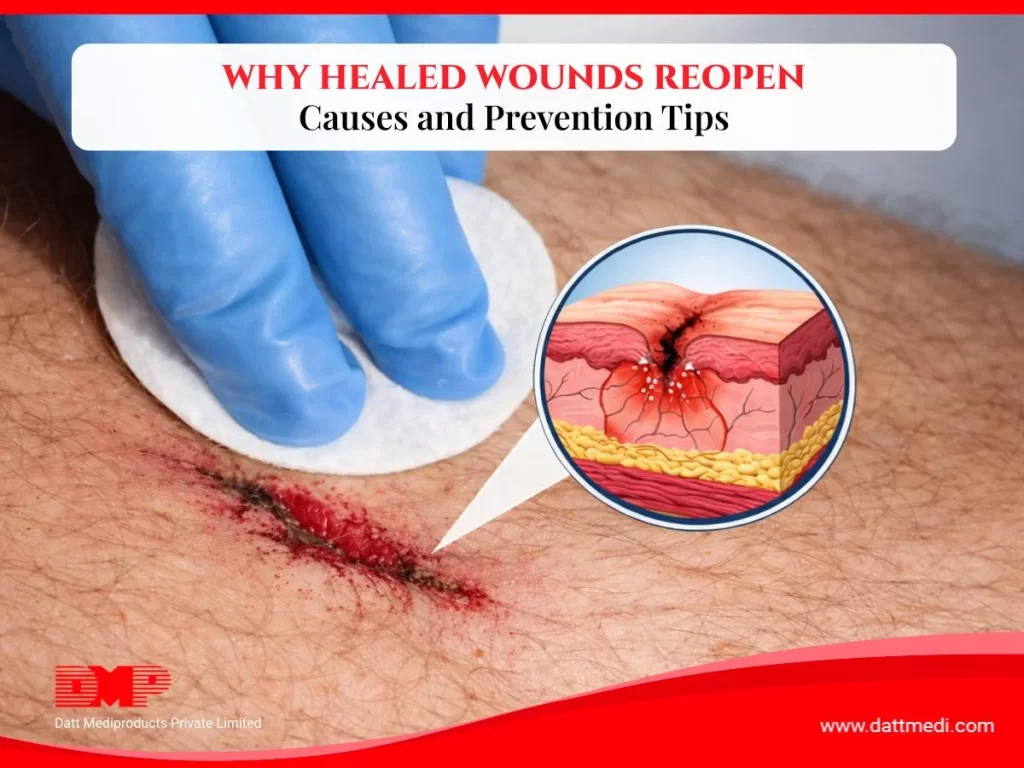
A wound that looks closed on the surface is not the same as wounds that has finished healing. The skin beneath may still be fragile, thin, and far less resilient than the tissue surrounding it. This is the stage where wounds most commonly reopen — not because something went wrong, but because the final phase of healing was not properly supported.

Understanding what makes newly closed skin vulnerable, and what protective measures actually work, can make the difference between a wound that heals completely and one that breaks down again.

Why ‘Closed Wounds’ Does Not Mean ‘Healed’

Wound healing happens in four overlapping stages: haemostasis, inflammation, proliferation, and remodelling. When the wound appears to close, the body is typically entering the remodelling phase — where collagen fibres reorganise and the new tissue gradually strengthens.

This phase can last several weeks to several months. During this time, the repaired skin has significantly lower tensile strength than normal skin — often as little as 50–80% of the original tissue strength, even after full remodelling. In the early weeks after closure, that figure is even lower.

The practical implication: the skin looks fine but cannot tolerate the same level of stress, friction, or pressure that healthy skin can. This is why reopening happens — not from neglect, but from the invisible vulnerability of newly repaired tissue.

The Most Common Reasons Healed Wounds Reopen

1. Mechanical Stress on Fragile Tissue

Areas that move repeatedly — knees, elbows, ankles, knuckles — place constant tension on healing tissue. Even normal daily movement can stretch new collagen fibres beyond what they can tolerate, causing the wound edges to split. This is particularly common in sutured wounds where the closure relies on the tissue holding together under movement.

2. Friction from Clothing or Surfaces

Repeated low-level friction from fabric, footwear, or contact with surfaces can erode the surface of newly healed skin. Unlike healthy skin, which can handle this without damage, fragile remodelling tissue has little resistance. Wounds on the feet, lower legs, or any area in contact with clothing are especially at risk.

3. Removing Dressings Too Early

Once a wound closes, it is easy to assume that dressings are no longer needed. In practice, premature removal of protective cover exposes the area to exactly the mechanical stress and friction described above. The wound may look healed, but the underlying tissue has not yet reached the strength to handle unprotected exposure.

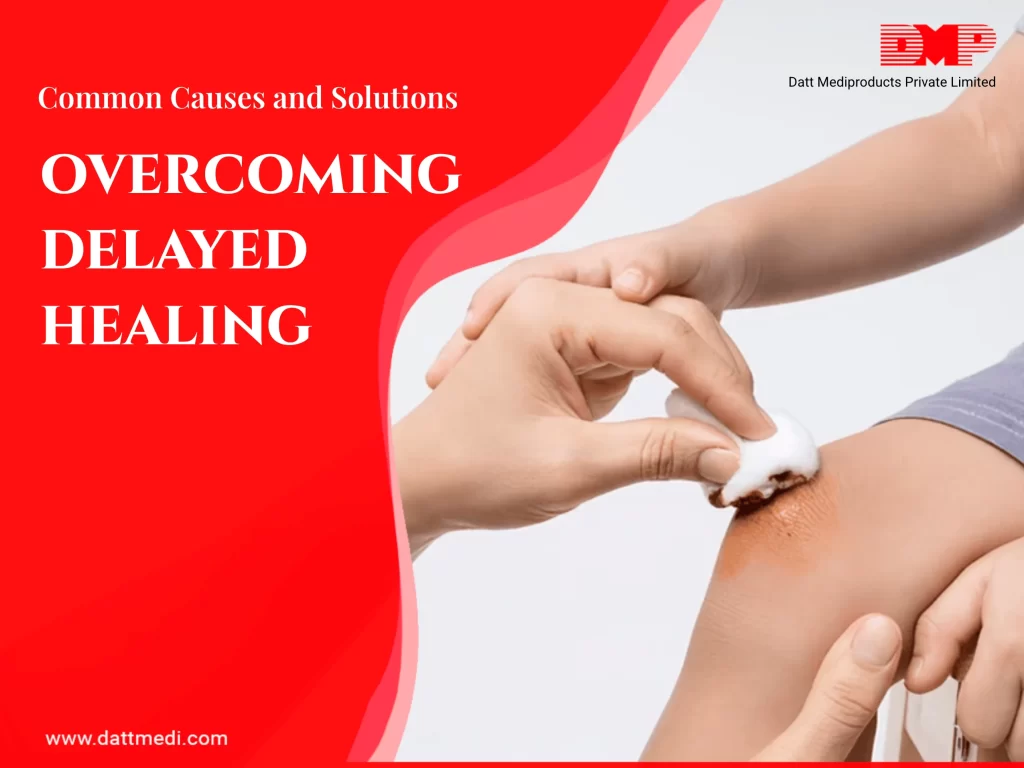
Overcoming Delayed Wounds Healing

Related reading: Overcoming Delayed Healing: Common Causes and Solutions

4. Moisture Imbalance

Both extremes cause problems. Excess moisture — from wound fluid, sweat, or frequent washing without adequate drying — softens the surrounding skin (maceration), making it far easier to break down under light pressure. Very dry skin, on the other hand, becomes rigid and prone to cracking, particularly over joints. Maintaining a balanced moisture environment under and around the dressing is a key part of protecting fragile tissue.

5. Pressure on Immobile Areas

For individuals with reduced mobility, sustained pressure on a single area — particularly bony prominences like heels, sacrum, or hips — can cause tissue breakdown even in areas that appear to have healed. Regular repositioning and pressure redistribution are essential in these cases.

How Film Dressings Protect Wounds During the Remodelling Phase

Post-operative film dressings are one of the most effective tools for protecting healed and near-healed wounds during the remodelling phase. Unlike gauze-based dressings, which are primarily designed for wounds that are still actively healing and producing exudate, film dressings are specifically suited to closed wounds that need surface protection rather than absorption.

The key properties that make film dressings appropriate for this stage wounds are:

  • Physical barrier — blocks friction, bacteria, dirt, and external mechanical stress
  • Breathability — allows moisture vapour to escape, preventing maceration without drying the tissue
  • Transparency — the wound can be visually monitored without removing the dressing
  • Flexibility — conforms to joints and body contours, maintaining protection during movement
  • Waterproof — the wound stays protected during bathing and daily activity

Datt Mediproducts offers three film and post-operative dressings suited to different stages and wound types in the remodelling phase.

Velfix® T-Film — Transparent Film Dressing

A thin, fully transparent PU film dressing designed for closed wounds that no longer produce exudate. The transparent film allows visual inspection of the wound at any time without disturbing it. Velfix® T-Film is waterproof, breathable, and flexible enough to move with the skin across joints and mobile areas. Available in sizes from 5×7.5 cm to 10×35 cm.

Best for: Sutured wounds, minor cuts and abrasions, and wounds in mobile areas such as knees or elbows that need protection without bulk.

Velfix®-Easy+Pad — Film Dressing with Non-Adherent Pad

Combines a transparent film border with a central non-adherent absorbent pad. This makes Velfix®-Easy+Pad suitable for wounds in the later stages of healing that may still produce minimal fluid, or where the wound surface needs a non-stick contact layer to prevent trauma on removal.

Best for: Post-operative wounds in early recovery that are nearly closed but may have light residual drainage.

Velfix®-T+Pad — Film Dressing with Higher Absorbency

Similar in structure to Easy+Pad but with a higher-absorbency central pad. This is the appropriate choice where some exudate management is still needed alongside the protective film border.

Best for: Wounds transitioning from active healing to the remodelling phase, where light-to-moderate fluid output continues.

Choosing the Right Film Dressing for the Wounds Stage

SituationVelfix® T-FilmEasy+PadT+Pad
Wound fully closed, no fluid✓ IdealSuitableUnnecessary
Minimal residual drainageNot sufficient✓ IdealSuitable
Light-moderate exudateNot suitableBorderline✓ Ideal
Joint or mobile area✓ Ideal✓ Suitable✓ Suitable
Needs visual monitoring✓ IdealPartialPartial

Practical Care Tips for the Remodelling Phase

1. Keep the Area Protected Until the Skin Is Fully Strong

Resist the instinct to leave the area uncovered once the wound looks closed. A film dressing provides protection with minimal bulk and does not interfere with daily activity or bathing.

2. Monitor Without Disturbing

The transparency of film dressings means you can check for redness, fluid accumulation, or early signs of breakdown without peeling back the dressing. Only remove when the dressing edges lift, the dressing is full, or at the interval recommended by your healthcare provider.

3. Watch for Early Warning Signs

Address these promptly rather than waiting to see if they resolve on their own:

  • Redness or warmth spreading from the wound edges
  • Skin that looks shiny, wet, or softened around the dressing
  • Small cracks appearing at the wound edges
  • Increased tenderness or a pulling sensation when moving
  • Any reopening of the wound edges
Infection Control in Wound Care

Related reading: Healing on the Go: Orthopedic and Wound Care Solutions for Physical Activity

Protect the Final Stage as Carefully as the First

Most of the attention in wound care goes to the early stages — cleaning, closing, and dressing the wound. The remodelling phase gets far less focus, but it is where a significant number of wound breakdowns occur. Newly closed skin is fragile, and the stress of normal daily life is often enough to cause reopening without adequate protection.

Film dressings provide a practical, low-profile solution for this stage. Transparent, waterproof, flexible, and gentle on removal — they allow recovery to continue without restricting movement or requiring complex care routines.

Browse the Velfix® T-Film and post-operative dressing range at Datt Mediproducts to find the right option for your stage of recovery.

Improper wound cleaning and dressing at home

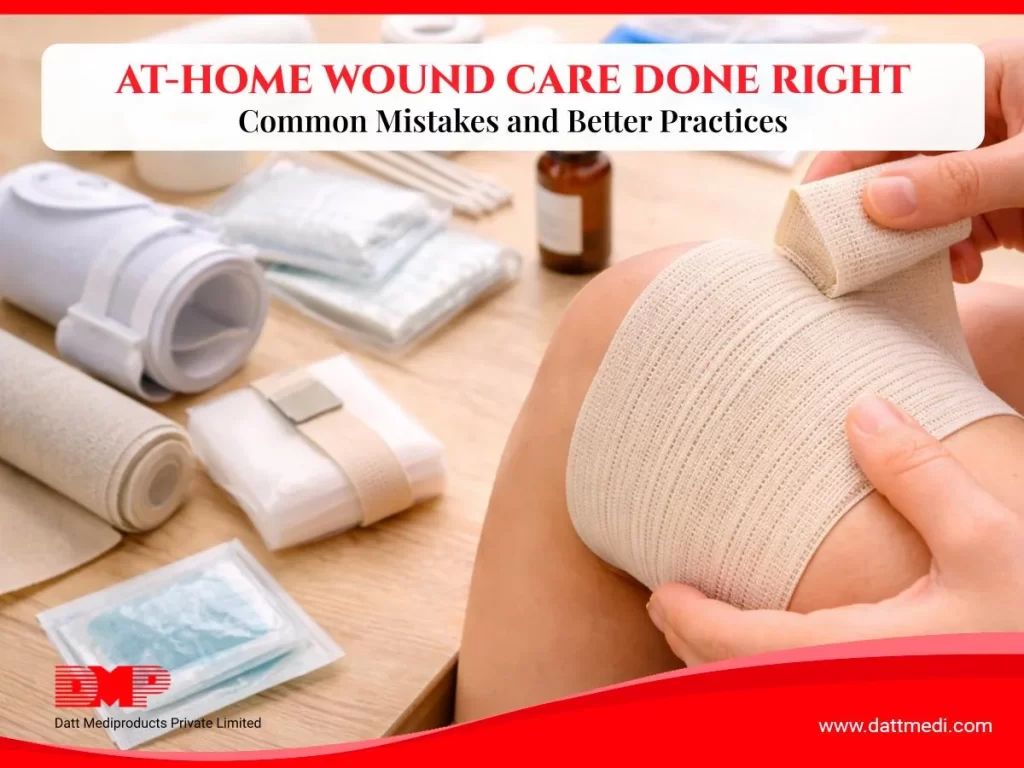
At-home wound care plays a bigger role in healing than most people realize. Many wounds that later become infected or heal slowly don’t start as serious injuries; they worsen because of small, everyday mistakes in home care.

These mistakes are rarely intentional. They usually occur due to confusion, over-cleaning, ignoring signs of infection or using unsuitable dressings. With the right approach, however, effective wound care at home can significantly reduce infection risk, improve comfort, and support faster healing.

This blog is especially helpful for individuals managing minor cuts, post-surgical wounds, or caring for elderly patients at home. It explains the most common at-home wound care mistakes, how to avoid them, and when professional medical help is necessary.

Common At-Home Wound Care Mistakes (And What Works Better)

1. Over-Cleaning the Wound

The Mistake
Cleaning the wound too frequently or using strong solutions such as spirit, iodine, or hydrogen peroxide.

Why This Is a Problem
While cleaning is essential, over-cleaning can damage newly forming tissue and slow the body’s natural healing process. Repeated use of harsh antiseptics may irritate the wound bed and delay recovery.

What to Do Instead

  • Always wash your hand thoroughly first
  • Clean once daily or if the dressing gets dirty
  • Use a mild soap and clean water or saline
  • Gently pat dry—do not scrub
Practical Insight
For most minor wounds, gentle cleaning combined with appropriate wound care dressings is sufficient to prevent infection and support healthy healing.

2. Touching the Wound or Dressing Surface

The Mistake
Directly touching the wound or the surface of the dressing that comes in contact with the skin.

Why This Increases Infection Risk
Hands naturally carry bacteria, even after washing. Touching sterile surfaces can transfer germs directly to the wound, increasing the risk of infection.

What to Do Instead

  • Wash hands before and after wound care
  • Handle dressings only from the edges
  • Avoid reusing or adjusting used dressings
Practical Insight
Using sterile ready-to-use dressings helps maintain hygiene and reduces unnecessary handling during home care.

3. Using the Wrong Dressing for the Wound

The Mistake
Applying any available bandage without considering the wound type, size, or location.

Why This Slows Healing
An unsuitable dressing may stick to the wound, trap excess moisture, irritate surrounding skin, or restrict movement—leading to discomfort and delayed healing.

What to Do Instead

  • Asses the wound.
  • Depending on the type of wound choose an appropriate dressing. If you need help choosing a dressing or have any doubts of the type of wound please contact a healthcare professional.
  • Choose sterile, breathable, non-irritating dressings
  • Ensure secure but comfortable placement
  • Change the dressing regularly and if it becomes wet, dirty, or loose
Practical Insight
Well-designed gauze-based dressings and post-operative film dressings support protection, comfort, and consistent healing at home.

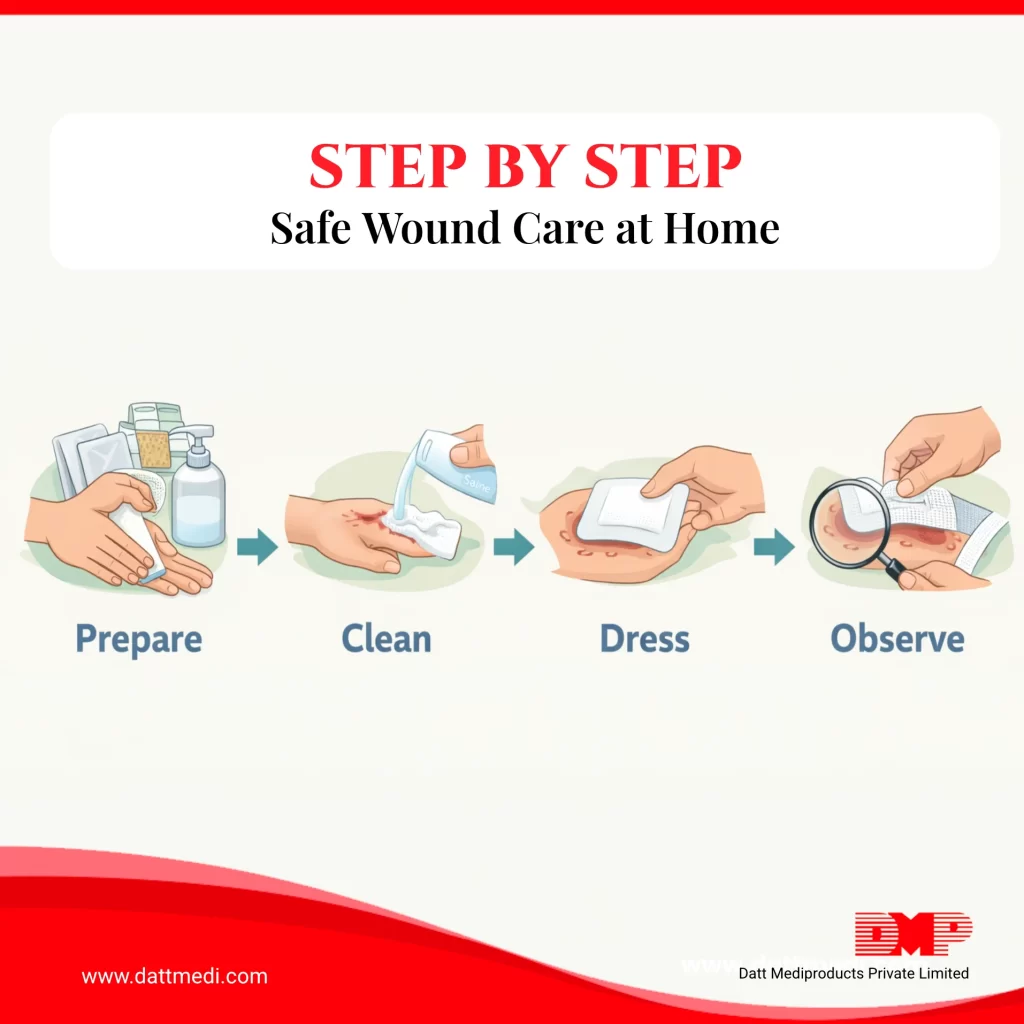
Step-by-Step: Safe Wound Care at Home

Following a simple routine helps prevent infection and supports steady healing.

Step 1: Assess the wound

  • Assess the wound to see how serious and what type of wound it is.
  • You should seek professional care if:
  • you can see the bone or blood vessels
  • the bleeding doesn’t stop even after pressure is applied
  • it is a burn wound
  • it is a bite wound from an animal

Step 2: Prepare

  • Wash hands thoroughly
  • Keep all dressing materials ready

Step 3: Clean

  • Rinse the wound gently with mild soap and clean water or saline
  • Pat dry with sterile gauze such as cotton gauze products

Step 4: Dress

  • If it is a minor cut of scrape let it air out, it doesn’t need a bandage
  • For larger wounds apply a sterile dressing without touching the pad
  • Smooth it gently so it stays in place

Step 5: Observe

  • Check and clean the wound daily. Monitor for changes
  • Replace the dressing as needed

For a more detailed look at everyday care practices that help wounds heal faster, see our wound care dos and don’ts for faster healing guide.

Warning Signs: When to Seek Medical Help

At-home wound care may not be enough if you notice:

  • Increasing redness, swelling, or warmth
  • Yellow or green discharge
  • Persistent pain or fever
  • A wound that does not improve after a few days

Early medical attention can prevent serious complications and support timely recovery.

Making At-Home Wound Care Safer and Simpler

Many households prefer sterile wound care solutions because they reduce guesswork and handling. These solutions are designed to:

  • Support hygiene
  • Reduce infection risk
  • Simplify daily wound care routines

Such products are commonly used in hospitals and home-care settings and are manufactured following international quality standards such as ISO and CE, making them trusted across global healthcare markets.

Effective wound care at home is about balance—cleaning gently, protecting properly, and knowing when professional care is needed. By avoiding common mistakes and following simple, hygienic steps, healing outcomes can be significantly improved.

With the right approach and reliable advanced wound care products, healing at home can be safe, comfortable, and confident.

Medical Disclaimer

This content is intended for general wound care education and does not replace professional medical advice. Always consult a healthcare provider for serious, worsening, or non-healing wounds.

Daily Wound Care Routine

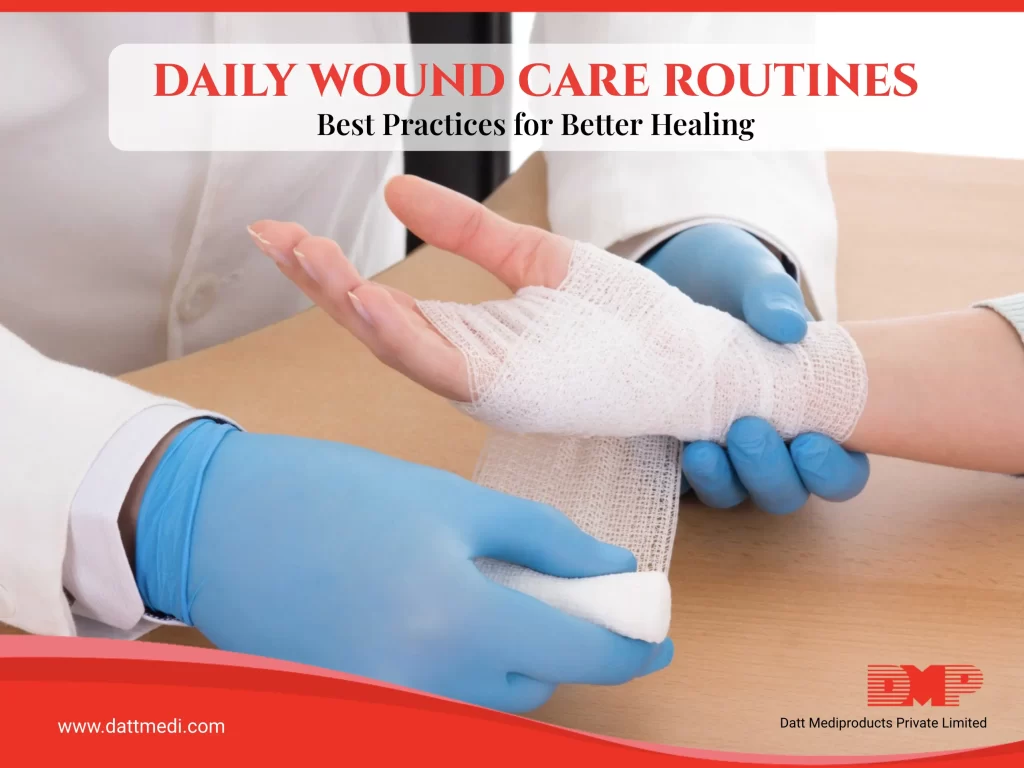
Daily Wound Care Routines: Simple Practices for Healing

When it comes to wound care, establishing a daily wound care routine is crucial for ensuring optimal healing and preventing complications. Daily wound inspection is the cornerstone of this routine, as it allows individuals to monitor changes and identify potential signs of infection early on. Gentle cleaning is another fundamental aspect, and using mild soap and water or a saline solution can effectively remove debris without causing further harm. This step not only promotes cleanliness but also prepares the wound for the next crucial element in the routine – dressing selection.

The choice of dressing plays a pivotal role in the healing process:

Understanding the wound type and condition is essential for selecting the appropriate dressing. Different wounds require different approaches, and the right dressing helps maintain a moist environment, creating an ideal setting for the healing to progress.

Regular changing of dressings is equally important:

This practice not only prevents infections but also promotes a conducive environment for the wound to heal efficiently. Alongside changing dressings, ensuring that the wound is adequately protected from external contaminants is vital.

Pain management is a common concern during the healing process:

Strategies for managing pain and ensuring comfort should be part of the daily routine. This can include over-the-counter pain relievers or prescribed medications, tailored to individual needs and the severity of the wound.

Nutrition and hydration play a significant role in supporting the body’s natural healing process:

A well-balanced diet with emphasis on proper nutrition provides the necessary nutrients for tissue repair and regeneration. Additionally, staying hydrated is key to optimal recovery.

Avoiding irritants and risk factors is a proactive measure in the daily wound care routine:

Activities or substances that can irritate the wound should be strictly avoided. Smoking and excessive alcohol consumption can hinder the healing process, making it crucial to steer clear of these risk factors.

Regular follow-ups with healthcare professionals are essential for ongoing evaluation:

Consulting healthcare providers ensures that any signs of complications are addressed promptly, contributing to the overall success of the wound care routine.

A well-rounded daily wound care routine involves daily inspection and cleaning, appropriate dressing selection, regular changing of dressings, pain management, proper nutrition and hydration, avoidance of irritants and risk factors, and consistent consultation with healthcare professionals. By incorporating these practices into daily life, individuals can contribute significantly to the effective healing of wounds.

Stay healthy!

Medical tapes play a crucial role in the healthcare industry, providing essential support in wound care management and ensuring patient comfort and safety. These adhesive products are designed to secure dressings, medical devices, and other materials to the skin, facilitating the healing process and protecting patients from infections. In this blog post, we will explore the importance of medical tapes in healthcare, discuss the different types commonly used, delve into their role in wound care management, address patient comfort and safety concerns, and provide guidelines for their proper application and removal.

Importance of Medical Tapes in the Healthcare Industry:

Medical tapes are indispensable tools in the healthcare industry, offering numerous benefits for both healthcare professionals and patients. These tapes serve as an effective means of securing wound dressings, surgical incisions, and medical devices, such as catheters or IV lines. By keeping these materials in place, medical tapes promote proper healing, prevent contamination, and reduce the risk of infection. Moreover, they provide support to the injured area, minimizing movement and potential damage. The versatility and ease of use of medical tapes make them an essential component of any healthcare setting.

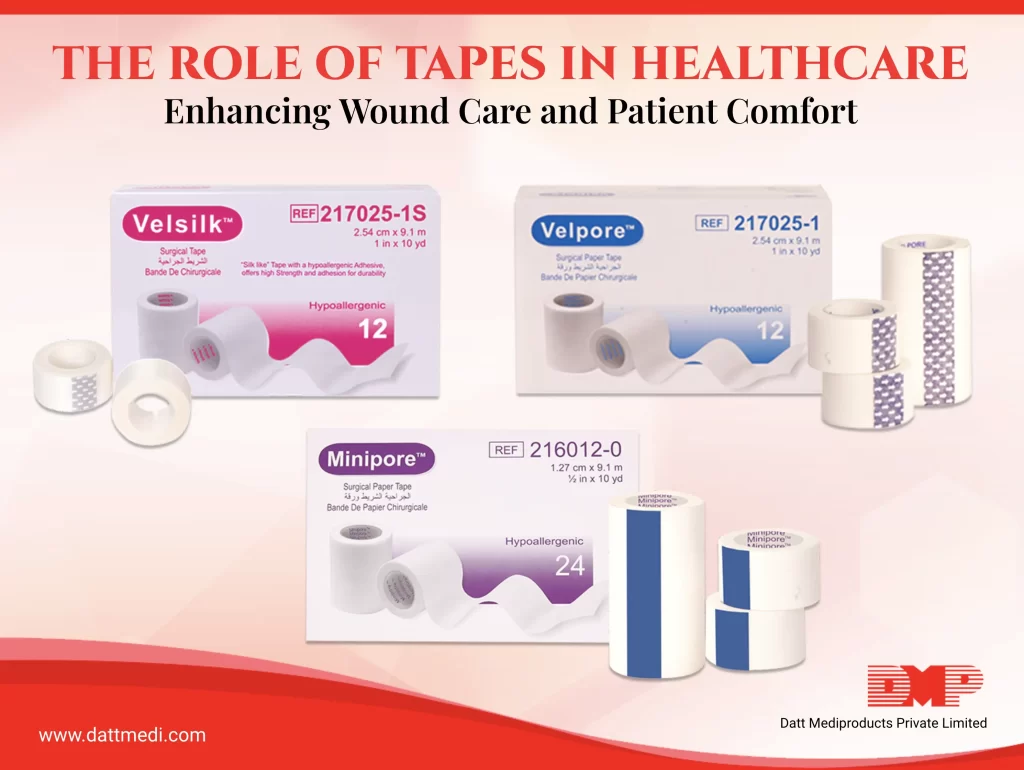
There is a wide range of medical tapes available, each designed to suit specific applications and patient needs. Some commonly used types include:

Minipore™:

Minipore™ tape is a hypoallergenic paper tape that offers gentle adhesion, making it suitable for patients with sensitive or fragile skin. It allows for breathability, reducing the risk of skin maceration while securely holding dressings in place. Read more about products visit https://dattmedi.com/minipore.html

Velpore™:

Velpore surgical paper tape possesses hypoallergenic qualities, making it ideal for individuals with sensitive skin or allergies. Its gentle nature ensures it is kind to the skin. The microporous structure of Velpore enables exceptional breathability, facilitating airflow and minimizing the likelihood of maceration.This tape is frequently utilized for securing wound dressings, delivering dependable fixation while enabling freedom of movement and flexibility. Its mild adhesive properties allow for painless and damage-free removal from the skin. Read more about products visit https://www.dattmedi.com/velpore.html

Velsilk™:

Velsilk tape is a silk-like cloth tape that combines excellent adhesion with gentle removal. It adheres securely to the skin while minimizing discomfort during tape removal. It is particularly useful in situations where frequent dressing changes are required, as it allows for easy application and removal. Read more about products visit https://www.dattmedi.com/velsilk.html

Role of Tapes in Wound Care Management:

Medical tapes play a vital role in wound care management. They help to secure dressings and keep them in place, preventing contamination and facilitating the healing process. Tapes also provide stability and support to the wound, reducing movement and minimizing the risk of further injury.

Additionally, they create a barrier against external pathogens, protecting the wound from infection. Properly applied medical tapes promote optimal wound healing and can contribute to positive patient outcomes.

Significance of Patient Comfort and Safety:

Patient comfort and safety are of utmost importance in healthcare. When using medical tapes, it is essential to consider the comfort and specific needs of each patient. The choice of tape should be based on factors such as skin sensitivity, wound location, and duration of use. It is crucial to select tapes that are hypoallergenic, breathable, and gentle on the skin to minimize the risk of adverse reactions. Regular monitoring of the taped area is necessary to ensure that the tape is not causing any discomfort or skin irritation. Moreover, proper tape removal techniques should be employed to avoid skin damage or pain.
Guidelines and Best Practices for Application and Removal:

To ensure the effective and safe use of medical tapes, the following guidelines should be followed:

  • Clean and dry the area before applying the tape.
  • Select an appropriate tape based on the patient’s needs and skin sensitivity.
  • Avoid excessive tension when applying the tape to prevent skin irritation.
  • Cut the tape to the desired length and shape, considering the wound size and location.
  • Ensure that the tape is firmly but comfortably secured, avoiding any wrinkles or folds.
  • Regularly assess the taped area for signs of skin irritation or discomfort.
  • When removing the tape, gently lift one corner and slowly peel it back, following the direction of hair growth to minimize pain and skin damage.
  • Apply the tape smoothly, avoiding excessive tension or wrinkling.
  • Periodically assess the tape’s integrity and reapply if necessary.
  • When removing the tape, gently lift the edges parallel to the skin while supporting the wound area to minimize pain and skin trauma.
  • If the tape is stubborn or adhered tightly, consider using a medical adhesive remover to aid in its removal.
  • After tape removal, clean the skin and assess for any signs of irritation or redness.

When properly applied and removed, medical tapes contribute to effective wound healing, prevent infection, and enhance patient comfort. By following guidelines for their proper application and removal, healthcare providers can maximize the benefits of medical tapes while minimizing the risk of complications.


STROKE ACT FAST

A stroke is a medical emergency causing the brain tissue to die which can lead to brain damage, long-term disability or death. A stroke is often referred to as a “brain attack” and is associated with high mortality and high morbidity.

(more…)
Depression More than a Brain Chemical Imbalance

When you are feeling sad for a prolonged period of time and you can’t find any specific reason for it, you might be in the clutches of depression and need to seek professional help. Depression is a common and a widely observed mental disorder which affects people of all ages.

As per WHO, more than 300 million people worldwide suffer from depression. You may not know that the person sitting next to you and laughing with you might be under the tight grip of depression.

(more…)
Logo

Datt Mediproducts Private Limited

Loading