

Search by Blog
Read by Category

Your healing journey continues beyond this blog

Find the right products for better recovery at online store
Cart Image
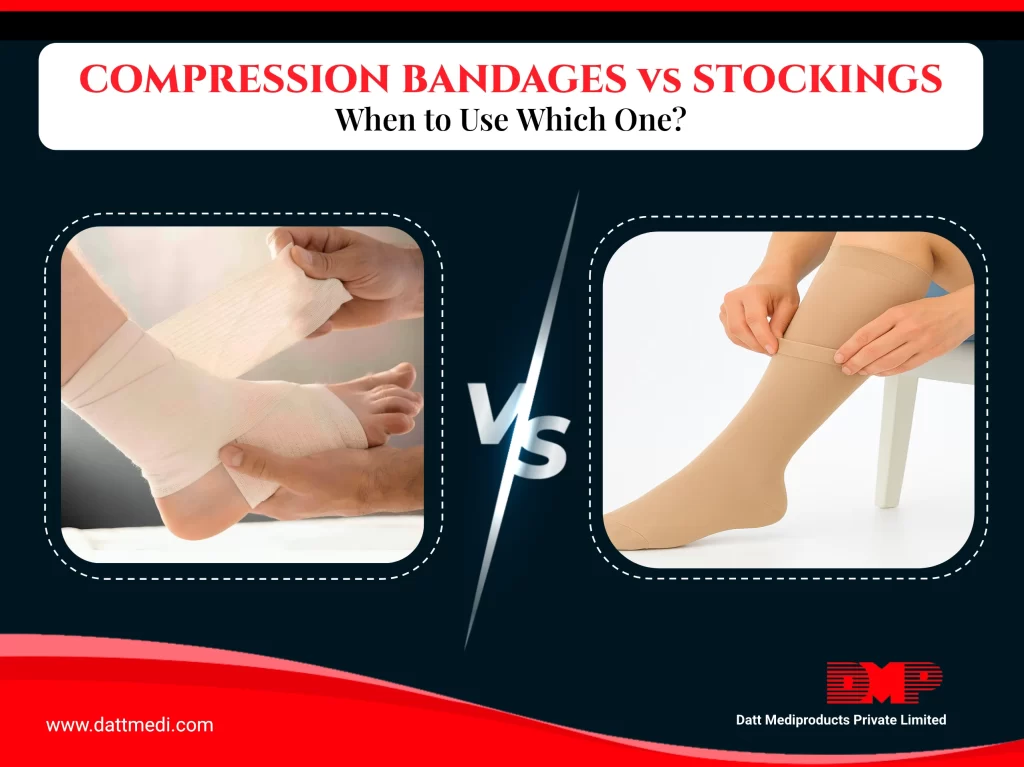
Compression bandage and stocking placed side by side

Introduction

Swelling in the legs or arms is more than a temporary discomfort. Persistent swelling can slow wound healing, limit mobility, and increase the risk of complications such as skin damage or venous ulcers.

Compression therapy is a widely recommended medical approach used to support circulation and control fluid buildup in affected limbs. Among the most commonly used solutions are compression bandages and compression stockings. While both deliver controlled pressure to improve circulation, they serve different roles in treatment depending on the stage of recovery and the patient’s condition.

What Is Compression Therapy and Why Is It Important?

Compression therapy works by applying graduated pressure to a limb, helping blood and lymphatic fluid move back toward the heart. This controlled pressure reduces fluid accumulation in tissues and improves overall circulation.

Healthcare professionals commonly recommend compression therapy for conditions such as:

  • Venous leg ulcers
  • Varicose veins
  • Lymphedema
  • Post-surgical swelling
  • Chronic venous insufficiency
  • Injury-related edema
  • Deep Vein Thrombosis
  • Phlebitis

When used correctly, compression therapy helps reduce swelling, protect skin integrity, and support faster recovery.

Compression Bandages: Flexible Support for Changing Conditions

Compression bandages are stretchable wraps applied around the affected limb to provide controlled pressure. Because they can be adjusted during application, they are particularly useful when swelling levels change or when wounds require regular monitoring.

Types of Compression Bandages

  • Short-Stretch Bandages : Short-stretch bandages provide limited elasticity and generate higher pressure when muscles move. This makes them suitable for patients who remain active, as muscle movement enhances the compression effect and supports venous return.
  • Long-Stretch Bandages : Long-stretch bandages offer greater elasticity and maintain consistent pressure even when the limb is at rest. They are often used for patients with limited mobility or those recovering from surgery.

When Compression Bandages Are Commonly Used

Compression bandages are commonly recommended when treatment needs to adapt to changing conditions, including:

  • Sudden or severe swelling
  • Open wounds requiring wound dressings
  • Post-surgical swelling management
  • Limbs with irregular or changing shape
Their adjustability allows healthcare providers to modify pressure levels as swelling decreases and healing progresses.

Looking for reliable and adjustable compression bandages for effective therapy?
Top Misconceptions About Compression Therapy

Explore our Compression Bandage here: View Product

Compression Stockings: Consistent Support for Long-Term Care

Compression stockings are specially designed medical garments worn like socks or sleeves. They apply graduated compression, with the highest pressure at the ankle that gradually decreases toward the calf or thigh.

This pressure pattern supports natural blood flow and helps prevent fluid from collecting in the lower limbs.

Compression Levels in Stockings

Medical compression stockings are available in different pressure strengths depending on treatment needs:

  • Mild compression – Helps prevent early swelling and leg fatigue
  • Moderate compressionSupports varicose veins and mild circulation problems
  • Higher compression levels– Used for chronic venous conditions or post-ulcer management

When Compression Stockings Are Typically Used

Compression stockings are typically introduced after swelling has stabilized and the limb size becomes consistent.

They are commonly used for:

  • Long-term swelling management
  • Ongoing support for circulation disorders
  • Prevention of venous ulcer recurrence
  • Daily compression therapy for chronic conditions
Because they are easier to wear independently, stockings often improve treatment adherence for long-term care.
Compression Therapy for Wound Healing: Critical Facts You Need

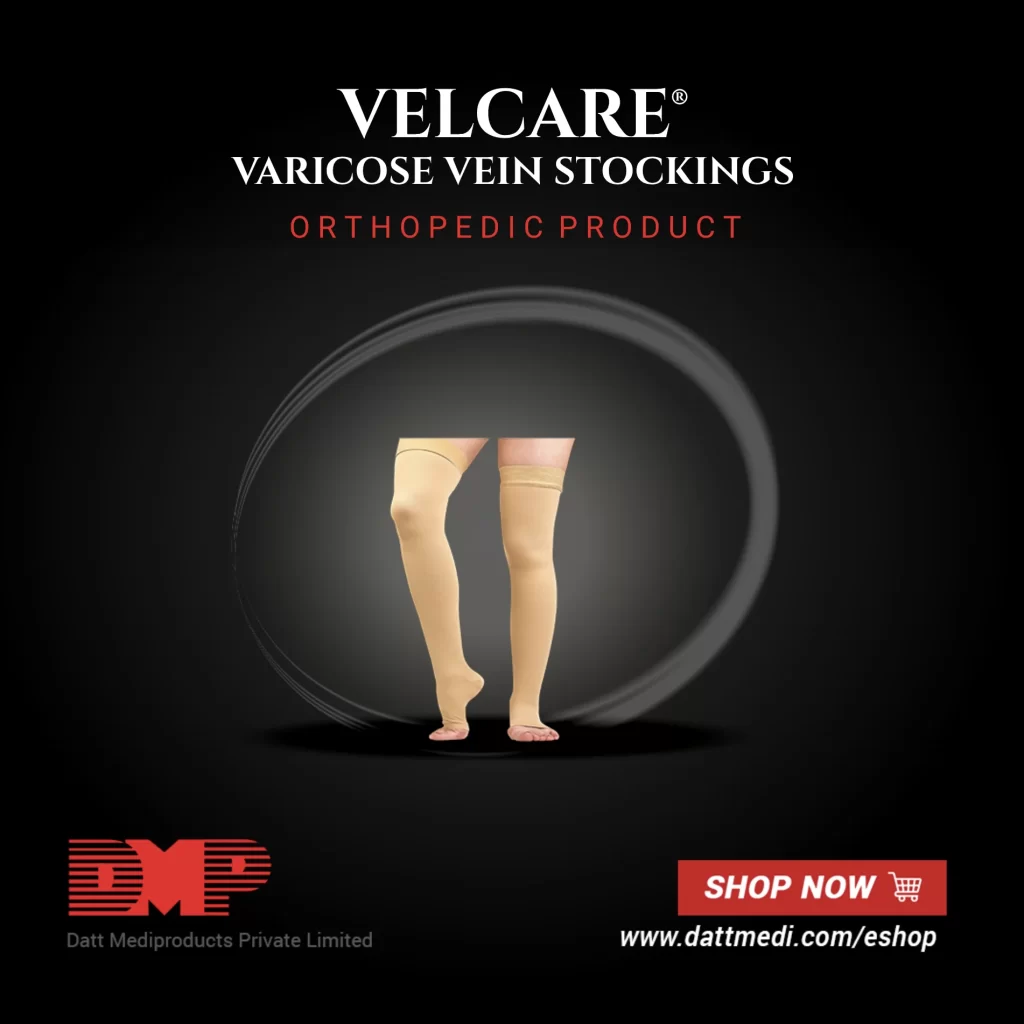
Explore our medical-grade Velcare Varicose Vein Stockings designed for effective compression therapy: View Product

Comparing Compression Bandages and Compression Stockings

FeatureCompression BandagesCompression Stockings
FlexibilityHighly adjustableFixed compression level
Best Stage of TreatmentEarly or active treatmentLong-term maintenance
Ease of UseRequires trained applicationEasy for self-use
Wound CompatibilitySuitable for wound dressingsUsually used after wounds heal
Comfort for Daily WearModerateHigh
Adaptability to SwellingExcellentLimited

When Are Compression Bandages the Better Choice?

Compression bandages Compression bandages are generally recommended during the initial stage of treatment, especially when swelling is unstable or wounds are present.

They are most suitable when:

  • Swelling changes frequently
  • Limb shape is uneven
  • Wound dressings require regular replacement
  • Compression pressure must be adjusted
Because they can be re-applied and modified, bandages allow clinicians to closely manage swelling while protecting healing tissues.

When Are Compression Stockings More Suitable?

Compression stockings are commonly used after the treatment phase once swelling has been reduced and limb size stabilizes.

They are ideal for:

  • Long-term compression therapy
  • Preventing recurrence of swelling
  • Supporting circulation in chronic venous disorders
  • Providing comfortable daily compression support
Regular use of properly fitted stockings helps maintain results achieved during earlier treatment.

Why Professional Guidance Matters

Selecting the right compression therapy requires careful assessment of several factors, including circulation health, wound condition, skin sensitivity, and patient mobility.

Incorrect compression levels or poorly fitted products can reduce treatment effectiveness and cause discomfort. Healthcare professionals ensure the correct compression type, pressure level, and fitting method are used for each patient.

Medical compression products manufactured under internationally recognized standards such as ISO and CE certifications further support safety, performance, and reliability in clinical and homecare environments.

Compression therapy plays an important role in managing swelling, supporting circulation, and improving wound healing outcomes.

Compression bandages offer flexibility during the active treatment stage, allowing healthcare professionals to adjust pressure as swelling changes. Compression stockings provide consistent and convenient compression for long-term management, helping patients maintain recovery and prevent future complications.

Understanding the differences between compression bandages and compression stockings enables more effective treatment decisions and supports better long-term vascular and wound care management.
Visit www.dattmedi.com for more infomation.
Share:

Frequnently Asked Questions

Compression therapy is used to improve blood circulation, reduce swelling, and support healing in conditions such as venous leg ulcers, varicose veins, lymphedema, and post-surgical edema. It works by applying controlled pressure to help fluid move back toward the heart and is widely used in wound care management.

Compression bandages are preferred during the early or active treatment phase when swelling levels change, wounds are present, or limb size is irregular. Products such as compression bandages allow pressure adjustments as healing progresses.

Yes, compression stockings are designed for long-term daily use once swelling is stable. They provide consistent pressure, are easy to wear, and help prevent swelling from returning, especially in chronic venous conditions and long-term circulation management.

Yes, compression therapy is often used together with wound dressings, particularly in venous leg ulcer care. Compression bandages can be applied over suitable gauze-based dressings to control swelling while protecting the wound.

Yes, compression therapy products should meet recognized international quality standards such as ISO and CE certifications. These standards ensure product safety, performance, and reliability for use across hospitals, clinics, and homecare settings worldwide.

Recent Blogs

In the realm of healthcare, attention to detail is paramount, especially when it comes to catering to the needs of sensitive patients. One often overlooked aspect is the choice of medical tapes for securing dressings, tubes, and medical devices.

For individuals with delicate or sensitive skin, such as pediatric patients, the elderly, and those with skin conditions, the selection of appropriate tapes can make a significant difference in their comfort and recovery process. This blog will cover the importance of skin-friendly tapes like Minipore™, Velpore™, and Velsilk™ in enhancing patient care and promoting healing.

Understanding the Sensitivity

Sensitive skin can be a result of various factors, such as age, skin conditions, or prolonged exposure to medical treatments. Patients undergoing chemotherapy, individuals with dermatitis, or those with compromised immune systems require extra care to prevent skin damage. Traditional medical tapes, while effective in securing medical devices, can sometimes cause irritation, allergic reactions, or damage to fragile skin. This is precisely where the importance of skin-friendly tapes becomes conspicuous

Introducing Minipore™, Velpore™, and Velsilk™ Tapes

Minipore™, Velpore™, and Velsilk™ are revolutionary medical tapes designed to address the unique needs of sensitive patients. These tapes stand out for their skin-friendly properties and their contribution to patient comfort.

Minipore™:

Minipore™ tape is a hypoallergenic paper tape that offers gentle adhesion, making it suitable for patients with sensitive or fragile skin. It allows for breathability, reducing the risk of skin maceration while securely holding dressings in place.
Read more about products visit https://dattmedi.com/minipore.html

Velpore™:

Velpore™ surgical paper tape possesses hypoallergenic qualities, making it ideal for individuals with sensitive skin or allergies. Its gentle nature ensures it is kind to the skin. The microporous structure of Velpore enables exceptional breathability, facilitating airflow and minimizing the likelihood of maceration.This tape is frequently utilized for securing wound dressings, delivering dependable fixation while enabling freedom of movement and flexibility. Its mild adhesive properties allow for painless and damage-free removal from the skin.
Read more about products visit https://www.dattmedi.com/velpore.html

Velsilk™:

Velsilk™ tape is a silk-like cloth tape that combines excellent adhesion with gentle removal. It adheres securely to the skin while minimizing discomfort during tape removal. It is particularly useful in situations where frequent dressing changes are required, as it allows for easy application and removal.
Read more about products visit https://www.dattmedi.com/velsilk.html

Advantages of Skin-Friendly Tapes

The importance of using skin-friendly tapes like Minipore™, Velpore™, and Velsilk™ cannot be overstated. Here are some key advantages they offer:

  • Reduced Skin Irritation: The hypoallergenic adhesive and soft materials minimize the risk of skin irritation or allergic reactions, promoting patient comfort during the healing process.
  • Enhanced Healing: Breathable materials enable proper air circulation around wounds, supporting the body’s natural healing mechanisms.
  • Painless Removal: The gentle adhesive used in these tapes ensures painless removal, reducing the potential for skin trauma.
  • Versatility: Skin-friendly tapes are versatile in their applications, suitable for various medical scenarios, from wound dressings to tubing fixation.
  • Patient Confidence: Patients experience enhanced comfort and security, which can have a positive impact on their overall well-being and recovery.

When it comes to healthcare, the focus should always be on patient well-being and comfort. The use of skin-friendly tapes like Minipore™, Velpore™, and Velsilk™ exemplifies this commitment. These tapes not only provide reliable adhesion for medical devices but also prioritize patient comfort and skin health

Medical tapes play a crucial role in the healthcare industry, providing essential support in wound care management and ensuring patient comfort and safety. These adhesive products are designed to secure dressings, medical devices, and other materials to the skin, facilitating the healing process and protecting patients from infections. In this blog post, we will explore the importance of medical tapes in healthcare, discuss the different types commonly used, delve into their role in wound care management, address patient comfort and safety concerns, and provide guidelines for their proper application and removal.

Importance of Medical Tapes in the Healthcare Industry:

Medical tapes are indispensable tools in the healthcare industry, offering numerous benefits for both healthcare professionals and patients. These tapes serve as an effective means of securing wound dressings, surgical incisions, and medical devices, such as catheters or IV lines. By keeping these materials in place, medical tapes promote proper healing, prevent contamination, and reduce the risk of infection. Moreover, they provide support to the injured area, minimizing movement and potential damage. The versatility and ease of use of medical tapes make them an essential component of any healthcare setting.

There is a wide range of medical tapes available, each designed to suit specific applications and patient needs. Some commonly used types include:

Minipore™:

Minipore™ tape is a hypoallergenic paper tape that offers gentle adhesion, making it suitable for patients with sensitive or fragile skin. It allows for breathability, reducing the risk of skin maceration while securely holding dressings in place. Read more about products visit https://dattmedi.com/minipore.html

Velpore™:

Velpore surgical paper tape possesses hypoallergenic qualities, making it ideal for individuals with sensitive skin or allergies. Its gentle nature ensures it is kind to the skin. The microporous structure of Velpore enables exceptional breathability, facilitating airflow and minimizing the likelihood of maceration.This tape is frequently utilized for securing wound dressings, delivering dependable fixation while enabling freedom of movement and flexibility. Its mild adhesive properties allow for painless and damage-free removal from the skin. Read more about products visit https://www.dattmedi.com/velpore.html

Velsilk™:

Velsilk tape is a silk-like cloth tape that combines excellent adhesion with gentle removal. It adheres securely to the skin while minimizing discomfort during tape removal. It is particularly useful in situations where frequent dressing changes are required, as it allows for easy application and removal. Read more about products visit https://www.dattmedi.com/velsilk.html

Role of Tapes in Wound Care Management:

Medical tapes play a vital role in wound care management. They help to secure dressings and keep them in place, preventing contamination and facilitating the healing process. Tapes also provide stability and support to the wound, reducing movement and minimizing the risk of further injury.

Additionally, they create a barrier against external pathogens, protecting the wound from infection. Properly applied medical tapes promote optimal wound healing and can contribute to positive patient outcomes.

Significance of Patient Comfort and Safety:

Patient comfort and safety are of utmost importance in healthcare. When using medical tapes, it is essential to consider the comfort and specific needs of each patient. The choice of tape should be based on factors such as skin sensitivity, wound location, and duration of use. It is crucial to select tapes that are hypoallergenic, breathable, and gentle on the skin to minimize the risk of adverse reactions. Regular monitoring of the taped area is necessary to ensure that the tape is not causing any discomfort or skin irritation. Moreover, proper tape removal techniques should be employed to avoid skin damage or pain.
Guidelines and Best Practices for Application and Removal:

To ensure the effective and safe use of medical tapes, the following guidelines should be followed:

  • Clean and dry the area before applying the tape.
  • Select an appropriate tape based on the patient’s needs and skin sensitivity.
  • Avoid excessive tension when applying the tape to prevent skin irritation.
  • Cut the tape to the desired length and shape, considering the wound size and location.
  • Ensure that the tape is firmly but comfortably secured, avoiding any wrinkles or folds.
  • Regularly assess the taped area for signs of skin irritation or discomfort.
  • When removing the tape, gently lift one corner and slowly peel it back, following the direction of hair growth to minimize pain and skin damage.
  • Apply the tape smoothly, avoiding excessive tension or wrinkling.
  • Periodically assess the tape’s integrity and reapply if necessary.
  • When removing the tape, gently lift the edges parallel to the skin while supporting the wound area to minimize pain and skin trauma.
  • If the tape is stubborn or adhered tightly, consider using a medical adhesive remover to aid in its removal.
  • After tape removal, clean the skin and assess for any signs of irritation or redness.

When properly applied and removed, medical tapes contribute to effective wound healing, prevent infection, and enhance patient comfort. By following guidelines for their proper application and removal, healthcare providers can maximize the benefits of medical tapes while minimizing the risk of complications.


Logo

Datt Mediproducts Private Limited

Loading