

Search by Blog
Read by Category

Your healing journey continues beyond this blog

Find the right products for better recovery at online store
Cart Image
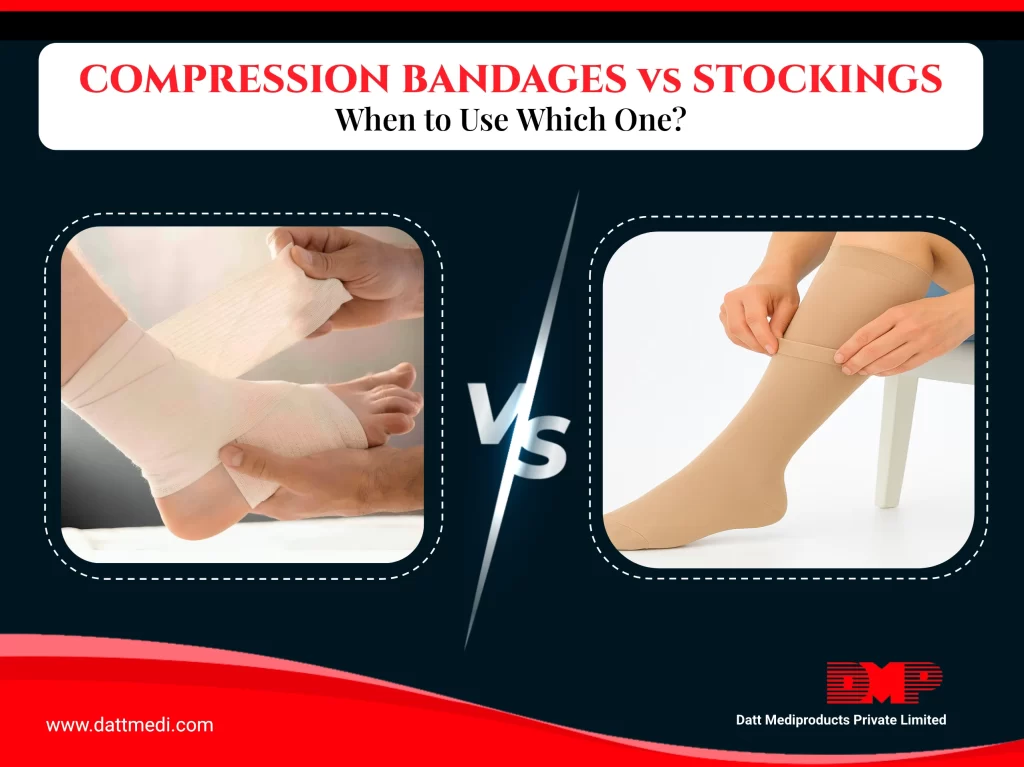
Compression bandage and stocking placed side by side

Introduction

Swelling in the legs or arms is more than a temporary discomfort. Persistent swelling can slow wound healing, limit mobility, and increase the risk of complications such as skin damage or venous ulcers.

Compression therapy is a widely recommended medical approach used to support circulation and control fluid buildup in affected limbs. Among the most commonly used solutions are compression bandages and compression stockings. While both deliver controlled pressure to improve circulation, they serve different roles in treatment depending on the stage of recovery and the patient’s condition.

What Is Compression Therapy and Why Is It Important?

Compression therapy works by applying graduated pressure to a limb, helping blood and lymphatic fluid move back toward the heart. This controlled pressure reduces fluid accumulation in tissues and improves overall circulation.

Healthcare professionals commonly recommend compression therapy for conditions such as:

  • Venous leg ulcers
  • Varicose veins
  • Lymphedema
  • Post-surgical swelling
  • Chronic venous insufficiency
  • Injury-related edema
  • Deep Vein Thrombosis
  • Phlebitis

When used correctly, compression therapy helps reduce swelling, protect skin integrity, and support faster recovery.

Compression Bandages: Flexible Support for Changing Conditions

Compression bandages are stretchable wraps applied around the affected limb to provide controlled pressure. Because they can be adjusted during application, they are particularly useful when swelling levels change or when wounds require regular monitoring.

Types of Compression Bandages

  • Short-Stretch Bandages : Short-stretch bandages provide limited elasticity and generate higher pressure when muscles move. This makes them suitable for patients who remain active, as muscle movement enhances the compression effect and supports venous return.
  • Long-Stretch Bandages : Long-stretch bandages offer greater elasticity and maintain consistent pressure even when the limb is at rest. They are often used for patients with limited mobility or those recovering from surgery.

When Compression Bandages Are Commonly Used

Compression bandages are commonly recommended when treatment needs to adapt to changing conditions, including:

  • Sudden or severe swelling
  • Open wounds requiring wound dressings
  • Post-surgical swelling management
  • Limbs with irregular or changing shape
Their adjustability allows healthcare providers to modify pressure levels as swelling decreases and healing progresses.

Looking for reliable and adjustable compression bandages for effective therapy?
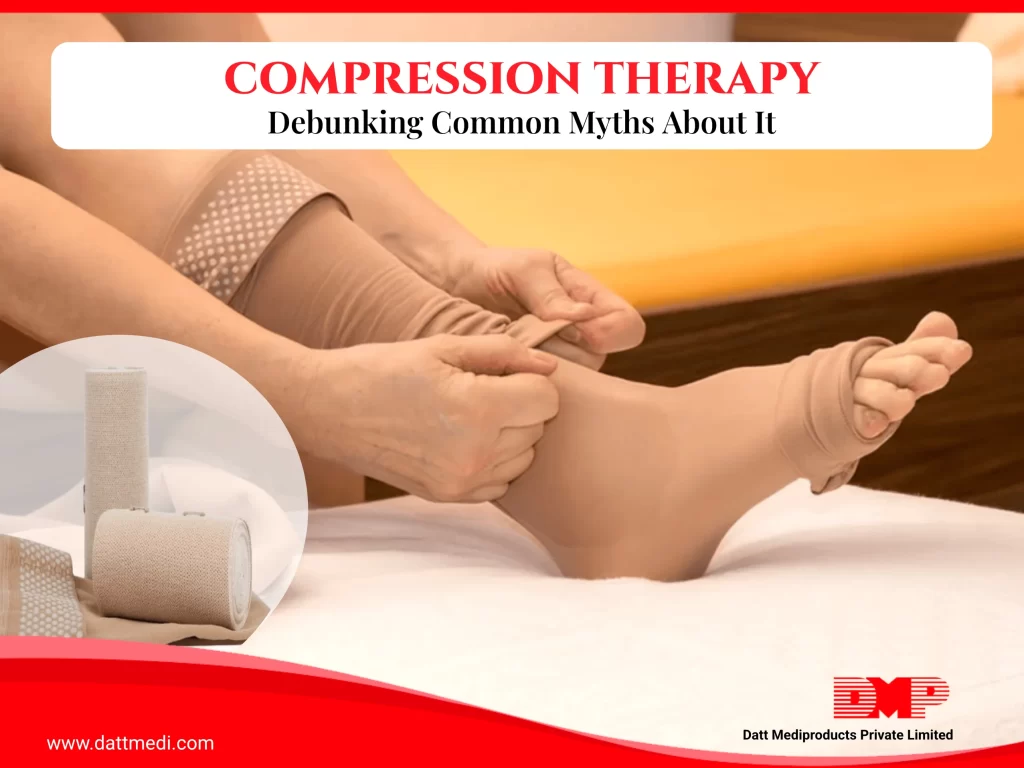
Top Misconceptions About Compression Therapy

Explore our Compression Bandage here: View Product

Compression Stockings: Consistent Support for Long-Term Care

Compression stockings are specially designed medical garments worn like socks or sleeves. They apply graduated compression, with the highest pressure at the ankle that gradually decreases toward the calf or thigh.

This pressure pattern supports natural blood flow and helps prevent fluid from collecting in the lower limbs.

Compression Levels in Stockings

Medical compression stockings are available in different pressure strengths depending on treatment needs:

  • Mild compression – Helps prevent early swelling and leg fatigue
  • Moderate compressionSupports varicose veins and mild circulation problems
  • Higher compression levels– Used for chronic venous conditions or post-ulcer management

When Compression Stockings Are Typically Used

Compression stockings are typically introduced after swelling has stabilized and the limb size becomes consistent.

They are commonly used for:

  • Long-term swelling management
  • Ongoing support for circulation disorders
  • Prevention of venous ulcer recurrence
  • Daily compression therapy for chronic conditions
Because they are easier to wear independently, stockings often improve treatment adherence for long-term care.
Compression Therapy for Wound Healing: Critical Facts You Need

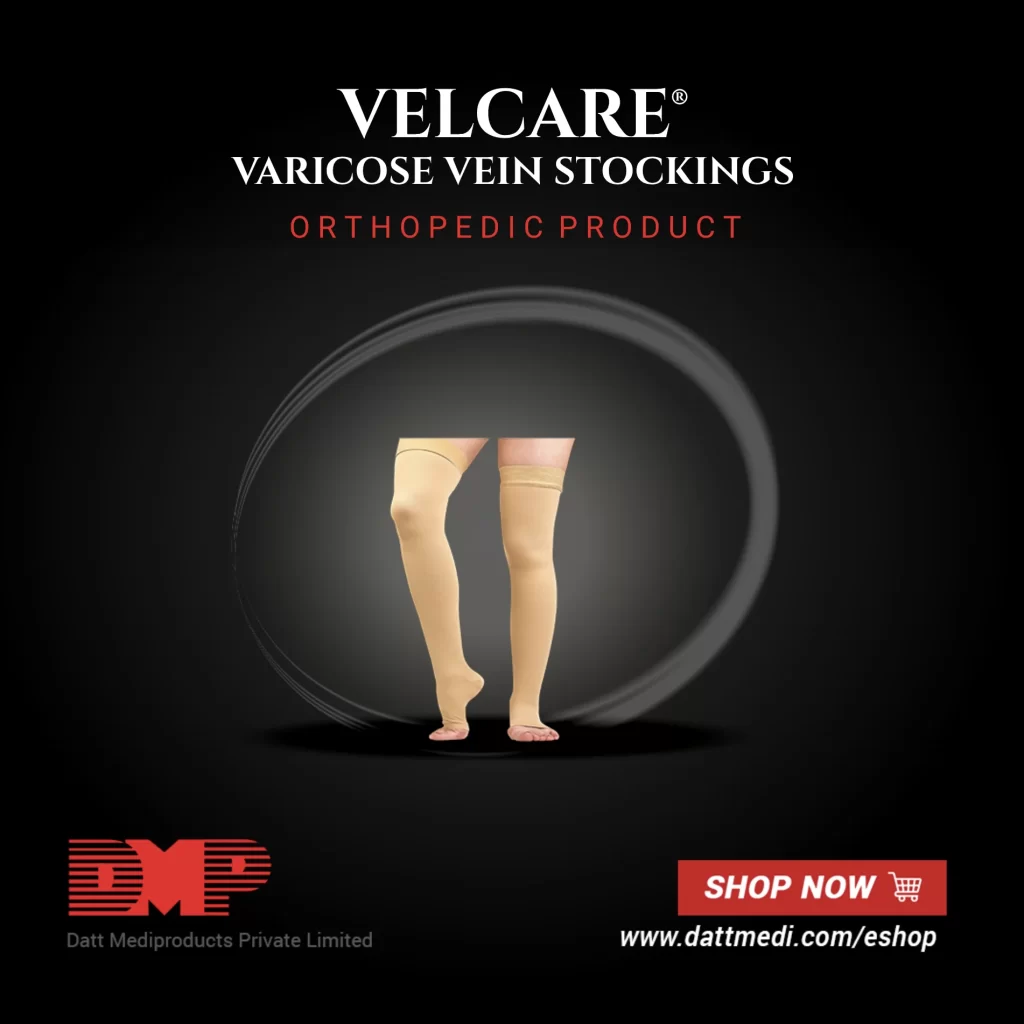
Explore our medical-grade Velcare Varicose Vein Stockings designed for effective compression therapy: View Product

Comparing Compression Bandages and Compression Stockings

FeatureCompression BandagesCompression Stockings
FlexibilityHighly adjustableFixed compression level
Best Stage of TreatmentEarly or active treatmentLong-term maintenance
Ease of UseRequires trained applicationEasy for self-use
Wound CompatibilitySuitable for wound dressingsUsually used after wounds heal
Comfort for Daily WearModerateHigh
Adaptability to SwellingExcellentLimited

When Are Compression Bandages the Better Choice?

Compression bandages Compression bandages are generally recommended during the initial stage of treatment, especially when swelling is unstable or wounds are present.

They are most suitable when:

  • Swelling changes frequently
  • Limb shape is uneven
  • Wound dressings require regular replacement
  • Compression pressure must be adjusted
Because they can be re-applied and modified, bandages allow clinicians to closely manage swelling while protecting healing tissues.

When Are Compression Stockings More Suitable?

Compression stockings are commonly used after the treatment phase once swelling has been reduced and limb size stabilizes.

They are ideal for:

  • Long-term compression therapy
  • Preventing recurrence of swelling
  • Supporting circulation in chronic venous disorders
  • Providing comfortable daily compression support
Regular use of properly fitted stockings helps maintain results achieved during earlier treatment.

Why Professional Guidance Matters

Selecting the right compression therapy requires careful assessment of several factors, including circulation health, wound condition, skin sensitivity, and patient mobility.

Incorrect compression levels or poorly fitted products can reduce treatment effectiveness and cause discomfort. Healthcare professionals ensure the correct compression type, pressure level, and fitting method are used for each patient.

Medical compression products manufactured under internationally recognized standards such as ISO and CE certifications further support safety, performance, and reliability in clinical and homecare environments.

Compression therapy plays an important role in managing swelling, supporting circulation, and improving wound healing outcomes.

Compression bandages offer flexibility during the active treatment stage, allowing healthcare professionals to adjust pressure as swelling changes. Compression stockings provide consistent and convenient compression for long-term management, helping patients maintain recovery and prevent future complications.

Understanding the differences between compression bandages and compression stockings enables more effective treatment decisions and supports better long-term vascular and wound care management.
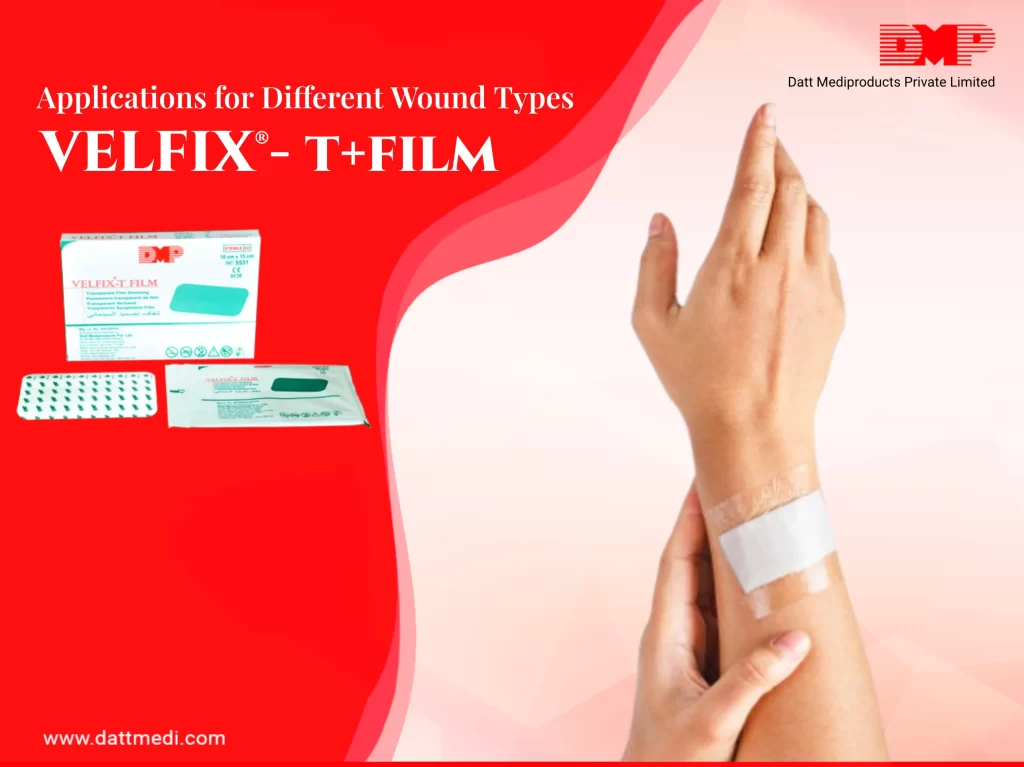
Visit www.dattmedi.com for more infomation.
Share:

Frequnently Asked Questions

Compression therapy is used to improve blood circulation, reduce swelling, and support healing in conditions such as venous leg ulcers, varicose veins, lymphedema, and post-surgical edema. It works by applying controlled pressure to help fluid move back toward the heart and is widely used in wound care management.

Compression bandages are preferred during the early or active treatment phase when swelling levels change, wounds are present, or limb size is irregular. Products such as compression bandages allow pressure adjustments as healing progresses.

Yes, compression stockings are designed for long-term daily use once swelling is stable. They provide consistent pressure, are easy to wear, and help prevent swelling from returning, especially in chronic venous conditions and long-term circulation management.

Yes, compression therapy is often used together with wound dressings, particularly in venous leg ulcer care. Compression bandages can be applied over suitable gauze-based dressings to control swelling while protecting the wound.

Yes, compression therapy products should meet recognized international quality standards such as ISO and CE certifications. These standards ensure product safety, performance, and reliability for use across hospitals, clinics, and homecare settings worldwide.

Recent Blogs
Wound Care Myths Debunked

Unveiling the Truth: Debunking Common Wound Care Myths

When it comes to wound care, there’s a lot of advice floating around. Some of it is helpful, while other bits are more myth than fact. Let’s clear up some common wound care myths and get to the truth behind them.

Myth 1: Wounds Need Sunlight to Heal

Fact: While sunshine is great for your mood, it’s not beneficial for healing wounds. In fact, direct sunlight can actually cause burns and damage the tissues that are trying to heal. So, to promote proper healing, keep wounds covered and out of direct sunlight.
Source : Cleveland Clinic

Myth 2: Wound Itching Means Healing

Fact: A bit of itching around a wound can be a sign that it’s healing, but it’s not always the case. Itching might also indicate an allergic reaction or infection. Monitor any itching along with other symptoms to ensure the healing process is on track.
Source : Advanced Tissue

Myth 3: Hydrogen Peroxide is the Best Cleaner for Wounds

Fact: Using hydrogen peroxide to clean wounds can actually slow down the healing process by damaging healthy cells. Instead, stick to gentle cleansing with mild soap and water to keep things clean without causing additional damage.
Source : University of Utah Healthcare & Atlantic Foot & Ankle Specialists

Myth 4: Keep Wounds Dry for Faster Healing

Fact: While it’s essential to keep wounds clean, keeping them too dry can actually slow down the healing process. Wounds heal better in a moist environment, so using dressings to maintain the right level of moisture can speed up recovery.
Source : LifeMD™

Understanding the Importance of Proper Wound Care

Wound care isn’t just about cleaning and covering a wound; it’s about understanding the underlying processes that help your body repair itself. Following evidence-based practices ensures that wounds heal properly and complications are minimized. Here’s why these practices are crucial:

  • Preventing Infections: Proper wound care minimizes the risk of infection, which can complicate healing and lead to more serious health issues.
  • Promoting Faster Healing: By maintaining a moist environment and protecting the wound, you accelerate the natural healing process.

When to Seek Professional Help

While minor cuts and scrapes can often be treated at home, certain situations warrant professional medical attention:

  • Deep or Large Wounds: Significant injuries that penetrate deep into the skin or are extensive in size require medical assessment.
  • Signs of Infection: Redness, swelling, increased pain, warmth around the wound, or pus are signs of infection that need medical intervention.
  • Delayed Healing: If a wound does not show signs of healing within a reasonable period, it’s important to consult a healthcare provider.

In a nutshell, taking care of wounds isn’t complicated, but it’s important to distinguish fact from fiction. By following evidence-based practices and seeking professional advice when needed, you can ensure your wounds heal properly and without unnecessary complications.

Wound Care for Athletes

Peak Performance, Optimal Recovery: A Guide to Wound Care in Sports

Athletes constantly push their bodies to the limit, making them more prone to injuries and wounds. From minor cuts and bruises to more serious sprains and strains, managing these injuries effectively is crucial for maintaining peak performance and ensuring a swift recovery. This blog delves into effective wound care strategies for athletes and highlights how the innovative Velcool® cooling and compression bandage can play a pivotal role in their recovery.

Understanding Common Athletic Injuries

Athletic activities can lead to a variety of injuries, including:

  • Sprains and Strains: Overstretching or tearing of ligaments and muscles.
  • Bruises: Caused by impact, leading to bleeding under the skin.
  • Cuts and Abrasions: Resulting from falls or contact with rough surfaces.
  • Overuse Injuries: Such as tendonitis, caused by repetitive motion.

The RICE Method: A Foundation for Acute Injury Management

The RICE method is a tried-and-true approach for managing acute sports injuries. It stands for Rest, Ice, Compression, and Elevation, each component playing a vital role in minimizing damage and speeding up recovery.

  • Rest: Essential to prevent further injury and allow the body to begin the healing process. Avoiding stress on the injured area helps prevent exacerbation of the damage.
  • Ice: Applying ice reduces pain and inflammation by constricting blood vessels, limiting blood flow to the affected area.
  • Compression: Helps reduce swelling and provides support to the injured tissue by limiting fluid accumulation around the injury.
  • Elevation: Keeping the injured part above the level of the heart reduces swelling, associated pain, and discomfort.

Introducing Velcool® : Enhancing the RICE Method

Velcool®  is a state-of-the-art cooling and compression bandage that adheres perfectly to the principles of the RICE method. It offers several benefits that make it an indispensable tool for athletes.

Strategies for Effective Wound Care in Athletes

1. Immediate Attention:

  • Address injuries immediately to prevent them from worsening.
  • Use products like Velcool® for instant cold and compression therapy.

2. Proper Cleansing:

  • Clean cuts and abrasions thoroughly to prevent infection.
  • Use antiseptic solutions and keep the wound covered with sterile dressings.

3. Monitor Healing:

  • Regularly check the injury for signs of infection or complications.
  • Adjust the level of activity based on the healing progress.

4. Nutrition and Hydration:

  • 4a. Maintain a balanced diet rich in proteins, vitamins, and minerals to support the healing process.
  • 4b. Stay hydrated to promote overall health and recovery.

5. Gradual Return to Activity:

  • Gradually reintroduce physical activity to avoid re-injury.
  • Follow a rehabilitation plan designed by a healthcare professional.

Effective wound care is vital for athletes to maintain their active lifestyles and ensure quick recovery from injuries. The RICE method provides a solid foundation for managing acute injuries, and innovations like the Velcool® cooling and compression bandage enhance this approach. By incorporating these strategies and utilizing advanced products, athletes can minimize downtime, promote healing, and get back to their peak performance levels swiftly.

For athletes and sports enthusiasts, embracing the right wound care techniques and products like Velcool® can make a significant difference in their overall health and performance. Stay active, stay safe, and ensure your body gets the care it deserves.

Logo

Datt Mediproducts Private Limited

Loading
