

Search by Blog
Read by Category

Your healing journey continues beyond this blog

Find the right products for better recovery at online store
Cart Image
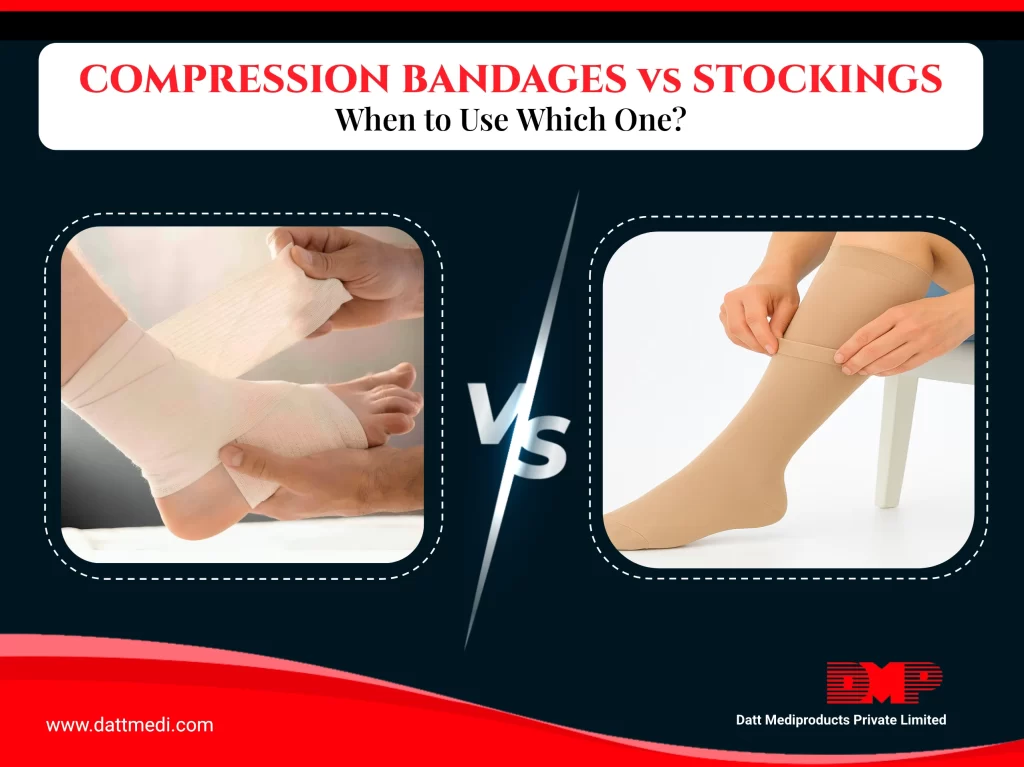
Compression bandage and stocking placed side by side

Introduction

Swelling in the legs or arms is more than a temporary discomfort. Persistent swelling can slow wound healing, limit mobility, and increase the risk of complications such as skin damage or venous ulcers.

Compression therapy is a widely recommended medical approach used to support circulation and control fluid buildup in affected limbs. Among the most commonly used solutions are compression bandages and compression stockings. While both deliver controlled pressure to improve circulation, they serve different roles in treatment depending on the stage of recovery and the patient’s condition.

What Is Compression Therapy and Why Is It Important?

Compression therapy works by applying graduated pressure to a limb, helping blood and lymphatic fluid move back toward the heart. This controlled pressure reduces fluid accumulation in tissues and improves overall circulation.

Healthcare professionals commonly recommend compression therapy for conditions such as:

  • Venous leg ulcers
  • Varicose veins
  • Lymphedema
  • Post-surgical swelling
  • Chronic venous insufficiency
  • Injury-related edema
  • Deep Vein Thrombosis
  • Phlebitis

When used correctly, compression therapy helps reduce swelling, protect skin integrity, and support faster recovery.

Compression Bandages: Flexible Support for Changing Conditions

Compression bandages are stretchable wraps applied around the affected limb to provide controlled pressure. Because they can be adjusted during application, they are particularly useful when swelling levels change or when wounds require regular monitoring.

Types of Compression Bandages

  • Short-Stretch Bandages : Short-stretch bandages provide limited elasticity and generate higher pressure when muscles move. This makes them suitable for patients who remain active, as muscle movement enhances the compression effect and supports venous return.
  • Long-Stretch Bandages : Long-stretch bandages offer greater elasticity and maintain consistent pressure even when the limb is at rest. They are often used for patients with limited mobility or those recovering from surgery.

When Compression Bandages Are Commonly Used

Compression bandages are commonly recommended when treatment needs to adapt to changing conditions, including:

  • Sudden or severe swelling
  • Open wounds requiring wound dressings
  • Post-surgical swelling management
  • Limbs with irregular or changing shape
Their adjustability allows healthcare providers to modify pressure levels as swelling decreases and healing progresses.

Looking for reliable and adjustable compression bandages for effective therapy?
Top Misconceptions About Compression Therapy

Explore our Compression Bandage here: View Product

Compression Stockings: Consistent Support for Long-Term Care

Compression stockings are specially designed medical garments worn like socks or sleeves. They apply graduated compression, with the highest pressure at the ankle that gradually decreases toward the calf or thigh.

This pressure pattern supports natural blood flow and helps prevent fluid from collecting in the lower limbs.

Compression Levels in Stockings

Medical compression stockings are available in different pressure strengths depending on treatment needs:

  • Mild compression – Helps prevent early swelling and leg fatigue
  • Moderate compressionSupports varicose veins and mild circulation problems
  • Higher compression levels– Used for chronic venous conditions or post-ulcer management

When Compression Stockings Are Typically Used

Compression stockings are typically introduced after swelling has stabilized and the limb size becomes consistent.

They are commonly used for:

  • Long-term swelling management
  • Ongoing support for circulation disorders
  • Prevention of venous ulcer recurrence
  • Daily compression therapy for chronic conditions
Because they are easier to wear independently, stockings often improve treatment adherence for long-term care.
Compression Therapy for Wound Healing: Critical Facts You Need

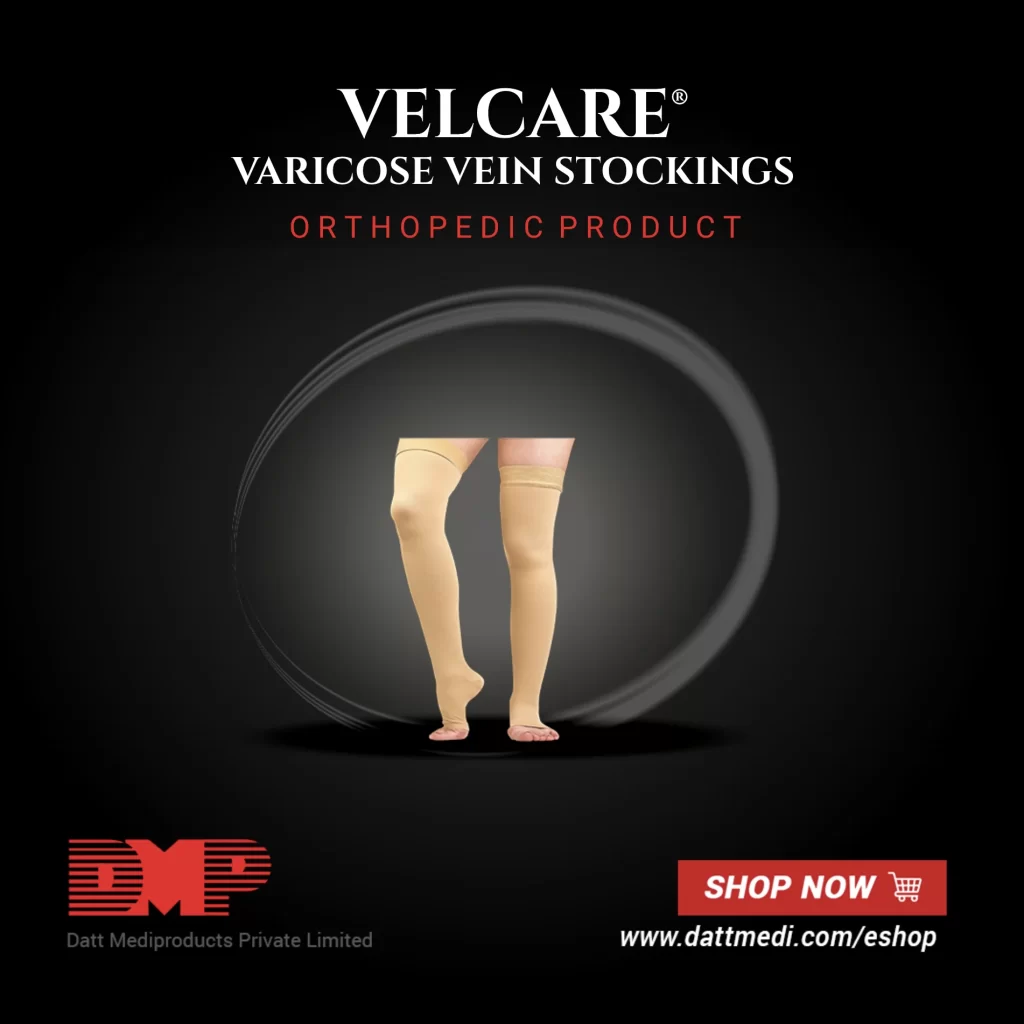
Explore our medical-grade Velcare Varicose Vein Stockings designed for effective compression therapy: View Product

Comparing Compression Bandages and Compression Stockings

FeatureCompression BandagesCompression Stockings
FlexibilityHighly adjustableFixed compression level
Best Stage of TreatmentEarly or active treatmentLong-term maintenance
Ease of UseRequires trained applicationEasy for self-use
Wound CompatibilitySuitable for wound dressingsUsually used after wounds heal
Comfort for Daily WearModerateHigh
Adaptability to SwellingExcellentLimited

When Are Compression Bandages the Better Choice?

Compression bandages Compression bandages are generally recommended during the initial stage of treatment, especially when swelling is unstable or wounds are present.

They are most suitable when:

  • Swelling changes frequently
  • Limb shape is uneven
  • Wound dressings require regular replacement
  • Compression pressure must be adjusted
Because they can be re-applied and modified, bandages allow clinicians to closely manage swelling while protecting healing tissues.

When Are Compression Stockings More Suitable?

Compression stockings are commonly used after the treatment phase once swelling has been reduced and limb size stabilizes.

They are ideal for:

  • Long-term compression therapy
  • Preventing recurrence of swelling
  • Supporting circulation in chronic venous disorders
  • Providing comfortable daily compression support
Regular use of properly fitted stockings helps maintain results achieved during earlier treatment.

Why Professional Guidance Matters

Selecting the right compression therapy requires careful assessment of several factors, including circulation health, wound condition, skin sensitivity, and patient mobility.

Incorrect compression levels or poorly fitted products can reduce treatment effectiveness and cause discomfort. Healthcare professionals ensure the correct compression type, pressure level, and fitting method are used for each patient.

Medical compression products manufactured under internationally recognized standards such as ISO and CE certifications further support safety, performance, and reliability in clinical and homecare environments.

Compression therapy plays an important role in managing swelling, supporting circulation, and improving wound healing outcomes.

Compression bandages offer flexibility during the active treatment stage, allowing healthcare professionals to adjust pressure as swelling changes. Compression stockings provide consistent and convenient compression for long-term management, helping patients maintain recovery and prevent future complications.

Understanding the differences between compression bandages and compression stockings enables more effective treatment decisions and supports better long-term vascular and wound care management.
Visit www.dattmedi.com for more infomation.
Share:

Frequnently Asked Questions

Compression therapy is used to improve blood circulation, reduce swelling, and support healing in conditions such as venous leg ulcers, varicose veins, lymphedema, and post-surgical edema. It works by applying controlled pressure to help fluid move back toward the heart and is widely used in wound care management.

Compression bandages are preferred during the early or active treatment phase when swelling levels change, wounds are present, or limb size is irregular. Products such as compression bandages allow pressure adjustments as healing progresses.

Yes, compression stockings are designed for long-term daily use once swelling is stable. They provide consistent pressure, are easy to wear, and help prevent swelling from returning, especially in chronic venous conditions and long-term circulation management.

Yes, compression therapy is often used together with wound dressings, particularly in venous leg ulcer care. Compression bandages can be applied over suitable gauze-based dressings to control swelling while protecting the wound.

Yes, compression therapy products should meet recognized international quality standards such as ISO and CE certifications. These standards ensure product safety, performance, and reliability for use across hospitals, clinics, and homecare settings worldwide.

Recent Blogs
Overcoming Delayed Healing

Overcoming Delayed Healing: Common Causes and Practical Tips

Healing is a natural process—but sometimes, wounds don’t heal as quickly as expected. Delayed healing can impact physical comfort, increase the risk of infection, and reduce quality of life.

The good news…
Many common causes of delayed healing can be managed with simple lifestyle adjustments. Let’s explore these causes and discover actionable tips for improving the healing process.

Understanding Delayed Healing

Wound healing is influenced by various factors—some within our control, others that may require professional intervention. Identifying these causes is the first step toward a faster, more efficient recovery.

Common Causes of Delayed Healing

  • Poor Nutrition: Lack of essential nutrients, such as proteins, amino acids, fatty acids, carbohydrates, vitamins (A, C & E) and micronutrients (magnesium and zinc) to name a few, slows tissue repair by affecting one or more phases of the wound healing process.
  • Inadequate Hydration: Dehydration impairs skin regeneration.
  • Underlying Health Conditions: Conditions like diabetes, diabetes associated neuropathy, vascular diseases, or immune disorders can complicate healing.
  • Smoking or Alcohol Consumption: These enhance host susceptibility to infections that lead to impaired angiogenesis thereby reducing blood flow and oxygen delivery to tissues which are essential for wound healing.
  • Stress and Poor Sleep: Disrupt hormone balance and deregulate the immune system, which directly affects recovery. Additionally, stressed individuals are more likely to develop unhealthy habits such as inadequate nutrition, smoking, less exercise, poor sleep patterns; negatively modulating the healing mechanism.
  • Infection or Repeated Trauma to the Wound: Can significantly hinder the healing process. Microorganisms obtain easy access to the underlying tissues when skin is injured. The presence of replicating microorganisms in the wound elongates the inflammatory phase of the wound healing process. This can lead to the wound to enter into a chronic state with significant delay in wound healing.

Nutrition & Hydration Matter

Proper nutrition is essential for healing.

Incorporate the following into your diet:

  • Lean proteins (eggs, fish, legumes) for tissue repair
  • Fresh fruits and vegetables for vitamins and antioxidants
  • Whole grains to support energy levels and tissue growth
Tip: Staying well-hydrated ensures nutrients are transported to your cells, promoting faster healing and flushing out toxins.

Sleep & Stress Management

Proper rest accelerates healing. Focus on these habits:

  • Aim for 7–9 hours of sleep each night.
  • Practice mindfulness or relaxation techniques to reduce stress.
  • Limit screen time and caffeine before bed to enhance sleep quality.

Did You Know? Chronic stress raises cortisol levels, slowing wound recovery.

Daily Movement & Gentle Activity

Physical activity promotes circulation, which helps deliver oxygen and nutrients to healing tissues:

  • Engage in light activities, like short walks, if possible.
  • Avoid putting pressure on the wound site, and take care to avoid friction.
  • Elevate limbs to reduce swelling.
Important: Always follow your healthcare provider’s advice regarding movement and wound care.

Basic Wound Hygiene

Maintaining wound hygiene is crucial:

  • Keep the wound clean and protected with proper dressings.
  • Change dressings regularly, as advised by your healthcare provider.
  • Avoid touching or scratching the wound area.
Pro Tip: Wash your hands thoroughly before and after touching a wound to reduce infection risk.

When to Seek Help

If your wound isn’t healing as expected or you get fever or flu-like symptoms or the wound shows signs of infection (such as increased redness, heat, swelling, pus, or a foul odor), seek professional medical guidance. Conditions like diabetes or circulatory issues may require specialized wound care.

Take Small Steps Toward Better Healing

Every small change—from better hydration to taking a short walk—adds up. By staying informed and committed to your healing process, you give your body the best chance to recover naturally.

Empowering You with the Right Solutions

At Datt Mediproducts, we understand the importance of optimal healing. While we don’t provide medical treatment, our advanced wound care solutions are designed to support your recovery by offering comfort, protection, and care where it matters most.


Showering with Wounds

Showering with Wounds: Tips for Staying Clean and Safe During Healing

Keeping wounds clean and dry is essential for proper healing. However, many people worry about showering with wounds or bathing with an open wound and the potential risks of exposing wounds to water. Without proper precautions, water exposure can lead to complications like infections, delayed healing, or dressing displacement.

Risks of Showering with Wounds

  • Infection Risks: Water, especially non-sterile water, can introduce bacteria into the wound, increasing the risk of infection.
  • Delayed Healing: Excessive moisture can disrupt the wound environment, causing the skin to swell, affecting moisture balance and slowing the healing process.
  • Dressing Displacement: Bathing may cause bandages or dressings to loosen or fall off, exposing the wound to contaminants.

Do’s for Wound Care When Bathing

  • Use Waterproof Dressings: Protect your wound from water exposure by using waterproof dressings, which help prevent infection and promote proper healing.
  • Cover the Wound: If waterproof dressings aren’t available, use plastic wrap or a waterproof barrier to keep the wound dry.
  • Opt for Showers Over Baths: Showers reduce the risk of soaking wounds, as water flows off the body rather than submerging the wound.

Don’ts for Wound Care When Bathing

  • Avoid Soaking: Stay away from tubs, pools, or hot tubs, as they introduce bacteria and disrupt the wound environment.
  • Don’t Rub the Wound Area: Avoid scrubbing or applying soap directly on the wound to prevent irritation or removal of protective layers.
  • Avoid High-Pressure Water: Strong water pressure can disturb scabs, disrupt dressings, or cause discomfort.

Waterproof Dressing Options

1. Adhesive Films:

Velfix® – T Film: Provides a waterproof, breathable seal to protect wounds from water exposure.

2. Foam Dressings with Borders:

Velfix® – Edge: Features an adhesive border that creates a secure seal, preventing water from entering.

3. Silicone-Based Dressings:

Velfix® – Secure (PICC): Designed for long-term wound protection with a waterproof and skin-friendly seal.

4. Adhesive Tapes:

Velpore™ – T: A strong yet gentle adhesive tape that secures dressings in place, ensuring they remain effective during showers.

Steps for Showering with a Wound

  • Prepare the Wound: Clean and dress the wound before showering to ensure protection.
  • Use Lukewarm Water: Avoid hot or high-pressure water that could irritate the wound.
  • Pat Dry Carefully: After showering, gently pat the dressing dry with a soft, clean towel.

Signs to Watch For

If you notice redness, swelling, unusual discharge, persistent discomfort, warmth around the wound, or a foul odor, contact a healthcare provider immediately. These may indicate an infection or irritation that requires medical attention.

With the right precautions and waterproof dressings, showering with a wound can be safe and manageable. Choosing high-quality products helps protect wounds and support optimal healing. Always follow your healthcare provider’s guidance for the best wound care practices.

Logo

Datt Mediproducts Private Limited

Loading