

Search by Blog
Read by Category

Your healing journey continues beyond this blog

Find the right products for better recovery at online store
Cart Image
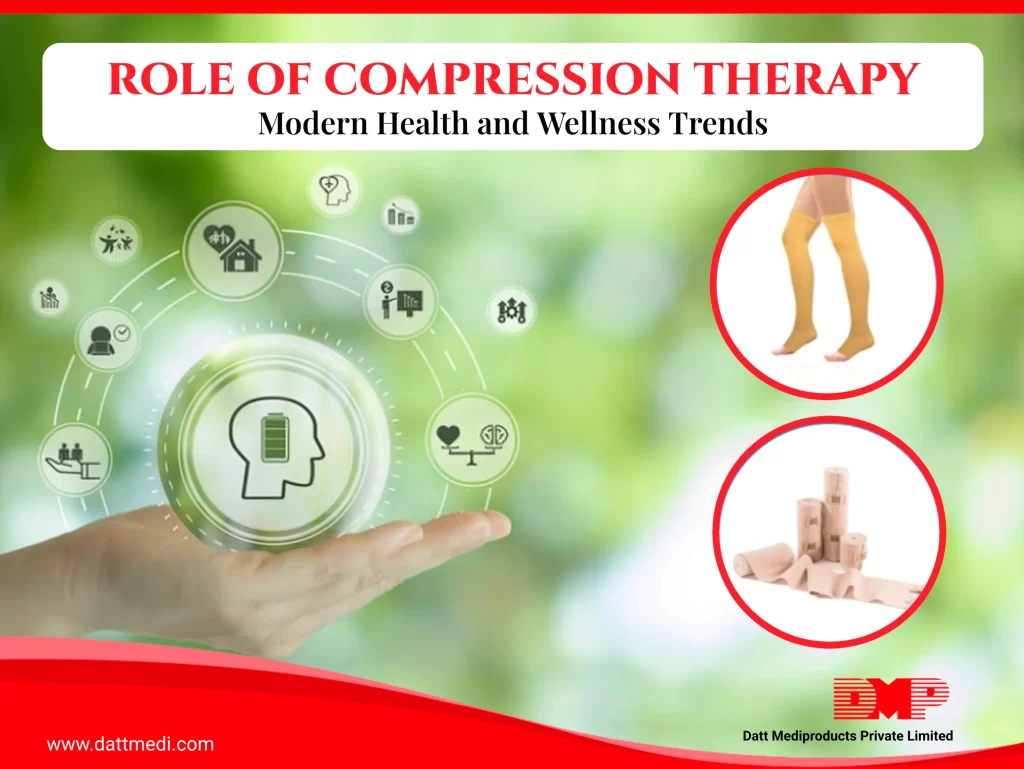
The Role of Compression Therapy

Compression Therapy: A Key Trend in Modern Wellness Routines

In today’s evolving wellness landscape, compression therapy has become a trusted and evidence-based practice. From elite athletes and healthcare professionals to individuals managing chronic conditions or sedentary lifestyles, compression products are now integral to modern self-care.

By improving circulation, reducing swelling, and supporting muscle health, compression therapy blends medical efficacy with everyday wellness—making it more accessible and beneficial than ever before.

1. Compression Therapy and Athletic Performance

Athletes across all disciplines are increasingly using compression therapy to improve outcomes on and off the field.

Improved Blood Flow:

Graduated compression supports venous return, helping muscles function more efficiently during strenuous activity.

Reduced Muscle Strain:

Aids in clearing metabolic waste like lactic acid, limiting inflammation and easing post-exercise soreness.

Enhanced Recovery Window:

Promotes faster readiness between training sessions by minimizing strain and supporting tissue repair.

Today, compression garments and wraps are a standard part of professional sports recovery protocols.

2. Compression Therapy in Injury Prevention and Healing

Whether after a sprain, strain, or surgery, compression therapy plays a vital role in musculoskeletal support.

  • Controls Swelling (Edema): Facilitates lymphatic drainage from muscles & surrounding tissues, minimizing fluid build-up, inflammation and discomfort.
  • Provides Stability: Delivers targeted pressure to support ligaments and muscles during healing.
  • Boosts Oxygen Delivery: Improves nutrient supply and waste removal at the affected site, aiding tissue regeneration and reducing strain & fatigue.
This makes compression an essential component of post-surgical care, orthopedic treatment plans, and rehabilitation.

3. Daily Health and Wellness Benefits

Compression is not limited to sports or medical recovery—it supports everyday health and preventive care.

  • Reduces Leg Tiredness:
    Particularly helpful for professionals like nurses, teachers, and frequent travelers who spend long hours standing or sitting.
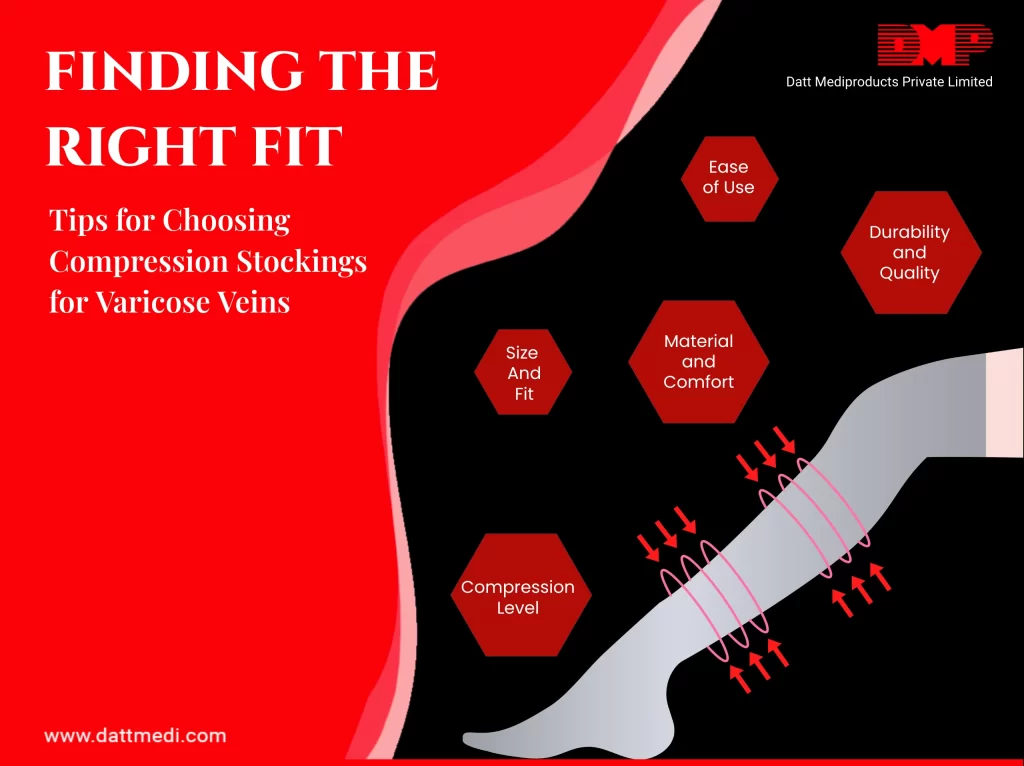
  • Manages Varicose Veins & Chronic Venous Insufficiency (CVI):
    By applying gentle graduated pressure, compression stockings prevent blood from pooling in the veins, reducing discomfort, heaviness, and swelling in the legs.
  • Supports Circulation in Sedentary Lifestyles:
    Maintains healthy blood flow in lower extremities during prolonged immobility, reducing the risk of complications linked to poor venous return.
Modern compression stockings and bandages provide discreet, all-day support for busy routines.

4. DMP’s Trusted Compression Solutions

At Datt Mediproducts, we deliver high-performance compression solutions tailored to diverse needs:

Velkomp® Compression Bandage:

  • Adjustable pressure for injury management and swelling control
  • Ideal for sports recovery, post-operative support, and general care

Velcare® Varicose Vein Stocking:

  • Promotes circulation in the lower limbs
  • Recommended for daily use by professionals and patients with venous disorders

👉 If you’re curious : Click Here to Explore our full range of compression products

5. Integrating Compression into Wellness Routines

Wellness goes beyond fitness—it’s about balance and consistency. Compression can be seamlessly included into everyday life:

  • During or after workouts for improved performance and recovery
  • At work or during travel to limit swelling and discomfort
  • Alongside hydration, stretching, and nutrition to strengthen overall health outcomes

6. Backed by Science

Clinical evidence highlights that compression therapy:

  • Enhances venous return and reduces pooling in extremities
  • Supports healing in post-operative and trauma cases
  • Improves endurance and physical comfort when used consistently

7. Comfort and Modern Design

Today’s compression products are designed with convenience in mind:

  • Lightweight, breathable, and skin-friendly materials
  • Easy to wear discreetly under clothing
  • Simple to maintain for daily and long-term use
Far from the bulky models of the past, modern solutions combine medical effectiveness with everyday wearability.

8. The Future of Compression in Health & Wellness

Compression therapy is expanding beyond hospitals to become a lifestyle choice. Innovations on the horizon include:

  • Smart wearables that adjust pressure in real time
  • Sustainable fabrics and user-focused designs for improved comfort
Compression is no longer just a medical necessity—it’s a proactive wellness essential.

Whether you’re an athlete, recovering from an injury, or seeking to improve circulation during daily routines, compression therapy provides practical, science-backed support. At Datt Mediproducts, we are proud to offer innovative solutions that address the evolving needs of modern consumers.
Visit www.dattmedi.com for more infomation.
Share:
Recent Blogs
Wound Care Dos and Don’ts

Wound Care Dos and Don’ts: Best Practices for Better Healing

Proper wound care is essential for facilitating the healing process and preventing complications. Whether it’s a minor cut or a more severe injury, following the right dos and avoiding the don’ts can significantly contribute to better healing. In this blog, we will explore key practices to ensure optimal wound care.

Dos:

Keep the Wound Clean:

It is crucial to clean the wound gently using mild soap and water. Additionally, consider using a saline solution for cleaning when necessary. A clean wound reduces the risk of infection and promotes a faster healing process.

Use Appropriate Dressings:

Selecting the right dressing based on the type and severity of the wound is vital. Changing dressings regularly, as advised by healthcare professionals, helps maintain a sterile environment and supports the healing process.

Promote Moist Healing:

Create a moist environment conducive to healing. Using gauze or appropriate dressings can help keep the wound moist, facilitating cell growth and minimizing scarring.

Monitor and Seek Medical Advice:

Regularly monitor the wound for any signs of infection or complications. If redness, swelling, or increased pain occurs, seek medical advice promptly. Early intervention can prevent further complications.

Maintain a Healthy Diet and Hydration:

A balanced diet rich in nutrients is essential for the body’s healing process. Adequate hydration supports overall recovery. Ensure that the body receives the necessary vitamins and minerals for optimal wound healing.

Don’ts:

Avoid Harsh Cleaning Agents:

Refrain from using harsh chemicals or alcohol-based solutions on the wound. Hydrogen peroxide should be avoided, as it can impede the natural healing process.

Don’t Pick at Scabs or Wounds:

Resist the temptation to pick at scabs or peel off healing tissue. Allowing the body’s natural healing process to take place without interference is crucial for proper wound healing.

Don’t Apply Excessive Pressure:

Avoid applying excessive pressure or using tight bandages that may impede blood circulation. Dressings should be snug but not constricting to promote proper healing.

Don’t Ignore Signs of Infection:

Ignoring signs of infection, such as increased pain, pus, or foul odour, can lead to severe complications. Seek medical attention promptly if any of these signs appear during the healing process.

Avoid Smoking and Excessive Drinking:

Smoking and excessive alcohol consumption can hinder the body’s ability to heal effectively. To support the healing process, it is crucial to avoid these habits during recovery.

By following these wound care dos and avoiding the corresponding don’ts, individuals can contribute to better healing outcomes. Remember, seeking professional medical advice for any concerns or signs of infection is always a prudent step in the journey to recovery.

In the field of healthcare, compression therapy plays a crucial role in the treatment of various conditions, particularly in wound care and managing lymphatic and vascular disorders. Compression therapy involves the application of pressure to affected areas to improve blood circulation, reduce swelling, and promote healing.

One important component of compression therapy is the compression bandages, specifically short-stretch bandages, which offer numerous benefits and are instrumental in achieving effective compression. In this blog, we will explore the purpose of Velkomp® Short Stretch Bandage and discuss the advantages and proper application techniques.

Understanding the Purpose of Short Stretch Bandages:

Short-stretch bandages are compression bandages that have the ability to stretch to a limited extent. Unlike long-stretch bandages, which can stretch significantly, short-stretch bandages provide firm and sustained compression. They are designed to exert pressure on the underlying tissues, offering support and reducing edema or swelling. The unique properties of short-stretch bandages make them ideal for providing moderate compression in a variety of healthcare applications.

Overview of Velkomp®

Short Stretch Bandage for Moderate Compression

Velkomp® Short Stretch Bandage is a high-quality, latex-free product widely used in compression therapy. It is specifically designed to deliver moderate compression, making it suitable for a range of conditions such as venous insufficiency, lymphedema, and chronic wounds. The bandage is made from a blend of cotton, ensuring a comfortable fit while maintaining the necessary compression levels. Its woven structure allows for air permeability, preventing excessive moisture build-up and promoting a healthy wound environment.

Key Advantages

Short Stretch Bandages for Compression Therapy

1. Controlled and Sustained Compression:

They provide controlled compression by exerting constant pressure on the affected area. This helps to reduce swelling, promote blood circulation, and alleviate discomfort.

2. Enhanced Patient Comfort:

They offer excellent conformability and elasticity, ensuring a snug fit without compromising patient comfort. The bandage adapts to body contours and movements, allowing for a full range of motion while providing the necessary compression.

3. Reduced Slippage and Shifting:

They have minimal recoil, which means they maintain their applied tension and stay securely in place. This prevents the bandage from slipping or shifting during movement, ensuring consistent compression therapy.

4. Proper Application Techniques:

When applying, it is essential to follow proper techniques to achieve optimal results.

Here are a few considerations to keep in mind:

  • Prepare the Skin:
    Ensure the skin is clean and dry before application to promote adherence and prevent skin irritation.
  • Apply with Appropriate Tension:
    Begin by applying the bandage with low tension and gradually increase the tension as you wrap. This helps achieve the desired compression while avoiding excessive pressure.
  • Overlap and Secure:
    Overlap each wrap by at least 50% to ensure even compression. Secure the end of the bandage with tape or clips to prevent unravelling.
Short stretch bandages, such as Velkomp®, play a vital role in compression therapy. They offer controlled compression, enhanced patient comfort, and reduced slippage, making them a valuable tool in managing various conditions.

By understanding the purpose of short-stretch bandages and employing proper application techniques, healthcare professionals can optimize the benefits of compression therapy and contribute to better patient outcomes. Embracing the significance of short-stretch bandages is essential for advancing wound care and promoting the overall well-being of patients in need of compression.  We are committed to providing valuable information and insights to support your journey toward improved wound healing and patient well-being.

Logo

Datt Mediproducts Private Limited

Loading
