

Search by Blog
Read by Category

Your healing journey continues beyond this blog

Find the right products for better recovery at online store
Cart Image
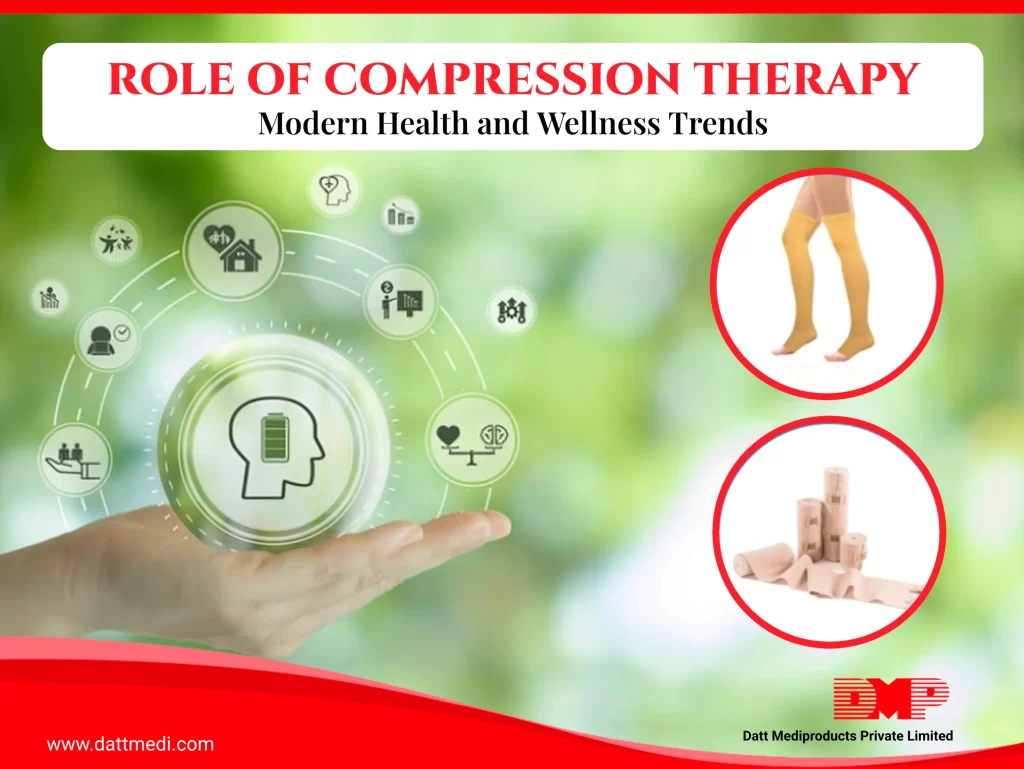
The Role of Compression Therapy

Compression Therapy: A Key Trend in Modern Wellness Routines

In today’s evolving wellness landscape, compression therapy has become a trusted and evidence-based practice. From elite athletes and healthcare professionals to individuals managing chronic conditions or sedentary lifestyles, compression products are now integral to modern self-care.

By improving circulation, reducing swelling, and supporting muscle health, compression therapy blends medical efficacy with everyday wellness—making it more accessible and beneficial than ever before.

1. Compression Therapy and Athletic Performance

Athletes across all disciplines are increasingly using compression therapy to improve outcomes on and off the field.

Improved Blood Flow:

Graduated compression supports venous return, helping muscles function more efficiently during strenuous activity.

Reduced Muscle Strain:

Aids in clearing metabolic waste like lactic acid, limiting inflammation and easing post-exercise soreness.

Enhanced Recovery Window:

Promotes faster readiness between training sessions by minimizing strain and supporting tissue repair.

Today, compression garments and wraps are a standard part of professional sports recovery protocols.

2. Compression Therapy in Injury Prevention and Healing

Whether after a sprain, strain, or surgery, compression therapy plays a vital role in musculoskeletal support.

  • Controls Swelling (Edema): Facilitates lymphatic drainage from muscles & surrounding tissues, minimizing fluid build-up, inflammation and discomfort.
  • Provides Stability: Delivers targeted pressure to support ligaments and muscles during healing.
  • Boosts Oxygen Delivery: Improves nutrient supply and waste removal at the affected site, aiding tissue regeneration and reducing strain & fatigue.
This makes compression an essential component of post-surgical care, orthopedic treatment plans, and rehabilitation.

3. Daily Health and Wellness Benefits

Compression is not limited to sports or medical recovery—it supports everyday health and preventive care.

  • Reduces Leg Tiredness:
    Particularly helpful for professionals like nurses, teachers, and frequent travelers who spend long hours standing or sitting.
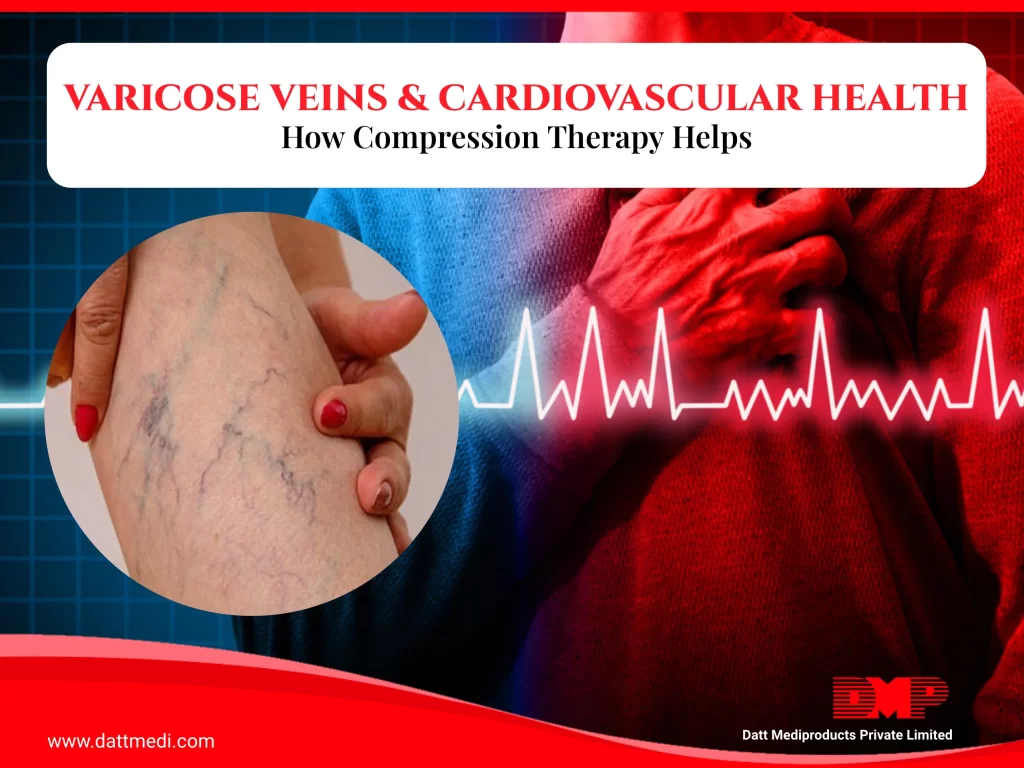
  • Manages Varicose Veins & Chronic Venous Insufficiency (CVI):
    By applying gentle graduated pressure, compression stockings prevent blood from pooling in the veins, reducing discomfort, heaviness, and swelling in the legs.
  • Supports Circulation in Sedentary Lifestyles:
    Maintains healthy blood flow in lower extremities during prolonged immobility, reducing the risk of complications linked to poor venous return.
Modern compression stockings and bandages provide discreet, all-day support for busy routines.

4. DMP’s Trusted Compression Solutions

At Datt Mediproducts, we deliver high-performance compression solutions tailored to diverse needs:

Velkomp® Compression Bandage:

  • Adjustable pressure for injury management and swelling control
  • Ideal for sports recovery, post-operative support, and general care

Velcare® Varicose Vein Stocking:

  • Promotes circulation in the lower limbs
  • Recommended for daily use by professionals and patients with venous disorders

👉 If you’re curious : Click Here to Explore our full range of compression products

5. Integrating Compression into Wellness Routines

Wellness goes beyond fitness—it’s about balance and consistency. Compression can be seamlessly included into everyday life:

  • During or after workouts for improved performance and recovery
  • At work or during travel to limit swelling and discomfort
  • Alongside hydration, stretching, and nutrition to strengthen overall health outcomes

6. Backed by Science

Clinical evidence highlights that compression therapy:

  • Enhances venous return and reduces pooling in extremities
  • Supports healing in post-operative and trauma cases
  • Improves endurance and physical comfort when used consistently

7. Comfort and Modern Design

Today’s compression products are designed with convenience in mind:

  • Lightweight, breathable, and skin-friendly materials
  • Easy to wear discreetly under clothing
  • Simple to maintain for daily and long-term use
Far from the bulky models of the past, modern solutions combine medical effectiveness with everyday wearability.

8. The Future of Compression in Health & Wellness

Compression therapy is expanding beyond hospitals to become a lifestyle choice. Innovations on the horizon include:

  • Smart wearables that adjust pressure in real time
  • Sustainable fabrics and user-focused designs for improved comfort
Compression is no longer just a medical necessity—it’s a proactive wellness essential.

Whether you’re an athlete, recovering from an injury, or seeking to improve circulation during daily routines, compression therapy provides practical, science-backed support. At Datt Mediproducts, we are proud to offer innovative solutions that address the evolving needs of modern consumers.
Visit www.dattmedi.com for more infomation.
Share:
Recent Blogs
Comparing Orthopedic Casts

When it comes to managing fractures, the choice of cast material can make a significant difference in a patient’s recovery experience. Orthopaedic casts are essential in ensuring that broken bones heal correctly by providing the necessary immobilization. Two popular options in the medical field are Fiberglass and Plaster of Paris (POP) bandages. But how do they compare? Let’s dive into the details.

A. Material Composition: The Building Blocks

The fundamental difference between these two types of bandages begins with what they are made of:

  • Fiberglass is a synthetic material, made from plastic fibers coated with a resin. It’s known for being lightweight and is often available in various colors, which can add a bit of personality to an otherwise clinical experience.
  • Plaster of Paris is made from a fine white powder called gypsum. When mixed with water, it forms a thick paste that hardens as it dries.

B. Application Process: Ease vs. Skill

Applying these bandages requires different techniques:
  • Fiberglass bandages are dipped in water, applied to the injury, and begin hardening almost immediately, which allows for quick and efficient application. This makes it easier for healthcare providers to mold it perfectly to the patient’s body.
  • Plaster of Paris bandages need to be soaked in water and take longer to set. While they require more skill to apply, they offer a smooth finish that many patients find comfortable.

C. Durability and Strength: Which Lasts Longer?

When considering durability:
  • Fiberglass is the champion of strength. Its resistance to wear and tear makes it ideal for active individuals or cases requiring long-term immobilization.
  • Plaster of Paris is less durable, with a tendency to chip over time, making it better suited for short-term casts or initial treatments.

D. Comfort and Breathability: Feeling at Ease

Comfort is a top priority for patients who need to wear a cast for an extended period:
  • Fiberglass is lighter and less bulky, which adds to the patient’s comfort. However, it can sometimes be less breathable, leading to potential discomfort in hot or humid climates.
  • Plaster of Paris is bulkier and heavier, but it’s smooth finish can be more comfortable for some, allowing the skin to breathe better.

E. Setting Time and Ease of Use: Quick vs. Steady

The time it takes for a cast to set is crucial:
  • Fiberglass sets in just a few minutes, enabling patients to resume limited activities sooner.
  • Plaster of Paris takes much longer, often up to 15 minutes, which can be a disadvantage when immediate mobility is needed.

F. Water Resistance and Hygiene: Keeping It Clean

Hygiene is another critical factor:
  • Fiberglass is water-resistant, making it easier to maintain and less likely to harbour bacteria.
  • Plaster of Paris does not resist water and can easily disintegrate if exposed to moisture, requiring patients to take extra precautions to keep it dry.

G. Cost and Accessibility: Budget Matters

Cost and availability can influence the choice:
  • Fiberglass is typically more expensive and may not be available in all healthcare settings.
  • Plaster of Paris is more affordable and widely accessible, making it the go-to option in many clinics and hospitals, especially in resource-limited settings.

H. Environmental Impact: Think Green

With growing awareness about environmental impact:
  • Fiberglass, being a synthetic material, is less eco-friendly and can pose disposal challenges.
  • Plaster of Paris is derived from natural materials and is more environmentally friendly, though proper disposal is still necessary.

I. Clinical Applications: The Right Cast for the Right Case

  • Fiberglass is often recommended for long-term use and in cases where the patient is likely to remain active.
  • Plaster of Paris is ideal for short-term immobilization or initial treatments, particularly when budget constraints are a concern.

Making the Right Choice : Choosing between Fiberglass and Plaster of Paris bandages depends on several factors, including the patient’s lifestyle, the duration of immobilization, and budget.

Fiberglass is generally favoured for its durability and water resistance, while Plaster of Paris remains a trusted option for initial and short-term care due to its affordability and ease of use.

For more insights and to explore our range of orthopaedic casting products, visit our website: Velcast™ – Orthopaedic Fiberglass Casting Tape, Osteopop™ – Plaster of Paris Bandage and Velpop® – Plaster of Paris Bandage. Discover the best solutions for your orthopaedic needs today!

Ensuring Safe Wound Care Practices

Wound care is a critical aspect of healthcare that demands meticulous attention to patient safety. Proper wound management not only accelerates healing but also significantly reduces the risk of complications. In this blog, we will explore the importance of patient safety in wound care, emphasizing best practices, infection control, and risk minimization.

Importance of Patient Safety in Wound Care

Patient safety in wound care involves implementing measures to prevent harm and ensure safety during the treatment process. This includes avoiding infections, minimizing pain, and ensuring that wounds heal properly. A safe wound care environment is essential for patient well-being and can prevent further medical complications.

Best Practices in Wound Care

Assessment and Planning:

  • Thorough Assessment: Begin with a comprehensive assessment of the wound, considering factors like wound type, exudate characteristics, comorbid conditions, pain level, periwound condition, size, depth, and location. Understand the patient’s overall health, including any underlying conditions that may affect healing.
  • Individualized Care Plan: Develop a tailored care plan that addresses the specific needs of the patient and the wound. Regularly update the plan based on the wound’s progress.

Hygiene and Infection Control:

  • Clean Environment: Ensure the wound care area is clean and sanitized. All reusable wound care equipment and supplies should be sterilized before use. Fresh dressings and bandages should be cut with clean apparatus.
  • Hand Hygiene: Proper hand hygiene is crucial. Perform hand hygiene using alcohol-based rub or soap and water immediately before and after the wound care procedure. The use of gloves and other personal protective equipment (PPE) is mandatory to prevent contamination.

Wound Cleaning and Dressing:

  • Gentle Cleaning: Clean the wound gently with saline solution or appropriate antiseptic solutions. Avoid harsh scrubbing which can damage tissue and impede healing.
  • Appropriate Dressings: Use the right type of dressing for the wound such as hydrocolloid dressings for pressure ulcers or alginate dressings for heavily exuding wounds. Change dressings as per the doctor’s care plan to maintain a clean environment.

Patient Education and Involvement:

  • Educate Patients: Instruct patients and caregivers on proper wound care techniques, signs of infection, and when to seek medical advice. Patient education enhances compliance and promotes faster healing.

Infection Control:

Preventing infections is a cornerstone of safe wound care. Infections can complicate wound healing and lead to serious health issues. Implementing stringent infection control measures is essential.

  • Sterile Techniques: Always use sterile wound care equipment and supplies when handling wounds. This includes using sterile dressings, tools, and gloves.
  • Regular Monitoring: Monitor the wound for signs of infection, such as increased redness, swelling, warmth, or discharge. Early detection and intervention can prevent severe complications.
  • Antibiotic Use: Use antibiotics judiciously. Overuse or not finishing the full course of the antibiotic can lead to antibiotic resistance, making infections harder to treat.

Minimizing Risks:

Risk minimization in wound care involves anticipating potential problems and taking steps to avoid them.

  • Nutrition and Hydration: Ensure patients have adequate nutrition and hydration. A proper diet supports tissue repair and overall health.
  • Pressure Ulcer Prevention: For bedridden patients, repositioning is crucial to prevent pressure ulcers. Use pressure-relieving devices like specialized mattresses or cushions.
  • Moisture Control: Keep the wound environment moist but not wet. Moisture balance prevents the wound from drying out or becoming too wet, both of which can impede healing.

Ensuring safe wound care practices is vital for promoting patient recovery and preventing complications. By adhering to best practices, maintaining strict infection control, and actively involving patients in their care, healthcare professionals can create a safe and effective wound care environment. As we strive for excellence in wound care, let us remember that patient safety is at the heart of healing.

Adhering to international standards like ISO 9001:2015 and ISO 13485:2016 while manufacturing wound care products can further enhance the quality of wound care practices, ensuring that products meet rigorous safety and quality benchmarks. Let us commit to delivering next-gen healing solutions with a steadfast focus on safety and patient well-being.

Logo

Datt Mediproducts Private Limited

Loading