

Search by Blog
Read by Category

Your healing journey continues beyond this blog

Find the right products for better recovery at online store
Cart Image
Measuring leg circumference for compression garment sizing

A well-fitted compression garment supports movement, reduces swelling, and improves overall comfort during recovery. Even small measurement errors can affect its effectiveness. Whether you are a patient, caregiver, clinician, or distributor, understanding how to measure compression garments correctly ensures safe therapy and reliable results.

For suitable options, check our Compression Stockings Collection.

1. Why the Right Measurement and Fit Matters

Compression garments apply controlled pressure along the limb. The correct size ensures even pressure distribution and therapeutic effectiveness.

Benefits of Proper Fit:

  • Reduces swelling and discomfort
  • Improves blood and lymph circulation
  • Supports healing after injury, surgery, or chronic conditions
  • Makes daily activities like walking, standing, or sitting more comfortable
Example: Someone managing mild swelling or early varicose veins often feels lighter and more supported when using a properly sized garment, following a reliable compression stocking size guide.

2. Tools You Need for Accurate Measurement

Accurate sizing doesn’t require advanced tools.

You need:

  • A soft measuring tape
  • Manufacturer’s compression measurement chart or sizing guide
  • Notebook or phone to record values
  • Mirror or assistance for hard-to-reach areas
  • Good lighting for accurate readings
These simple tools help follow a medical compression garment sizing guide and reduce measurement errors.

3. Step-by-Step Guide: How to Measure Correctly

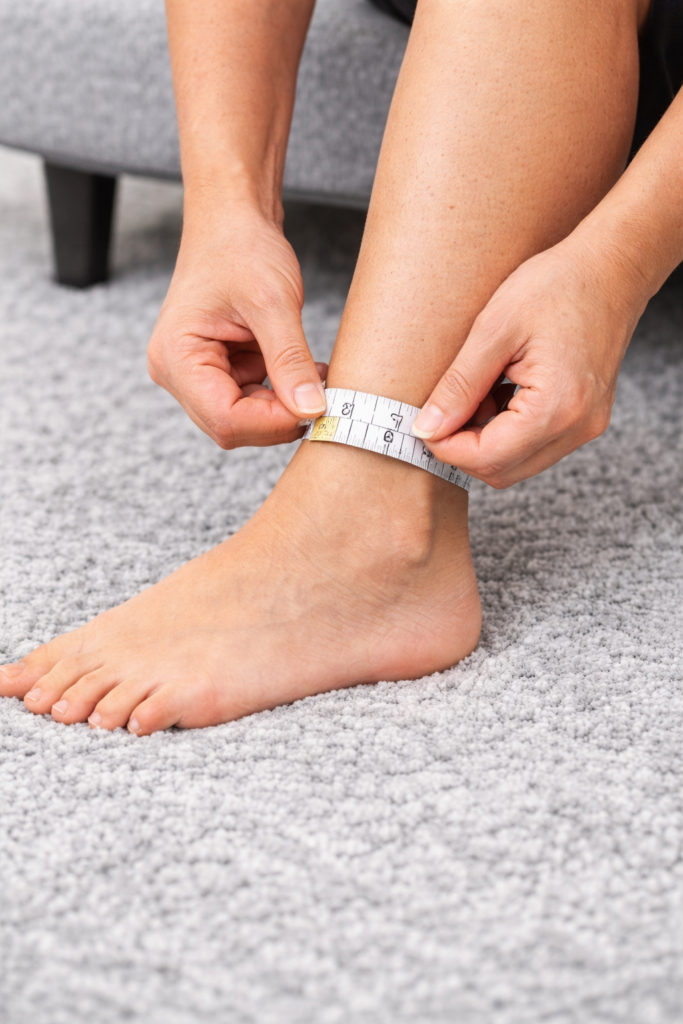
i) Ankle: Measure the narrowest point above the ankle bone.

ii) Calf: Measure the widest part of the calf for proper fit and support, including wide-calf users.

iii) Thigh (for thigh-high garments): Measure the thickest part of the thigh to avoid rolling and ensure secure fit.

Leg Length:

  • Knee-high: heel to just below the knee crease
  • Thigh-high: heel to the top of the thigh
iv) Arms (for sleeves/supports): Measure wrist, forearm, upper arm, and arm length. This ensures smooth, even compression from wrist to shoulder.

Quick Tips: 

  • Measure early in the morning when swelling is minimal.
  • Sit comfortably, keep tape snug, measure twice, and avoid measuring over clothes.

4. Common Fitting Mistakes to Avoid

  • Too Tight: Can cause numbness, tingling, or deep marks.
  • Too Loose: Slipping or wrinkling reduces effectiveness.
  • Incorrect Length: Too short rolls or digs in; too long bunches or slides down.
  • Not Rechecking: Limb size changes due to swelling, healing, or weight changes—regular measurement is important.

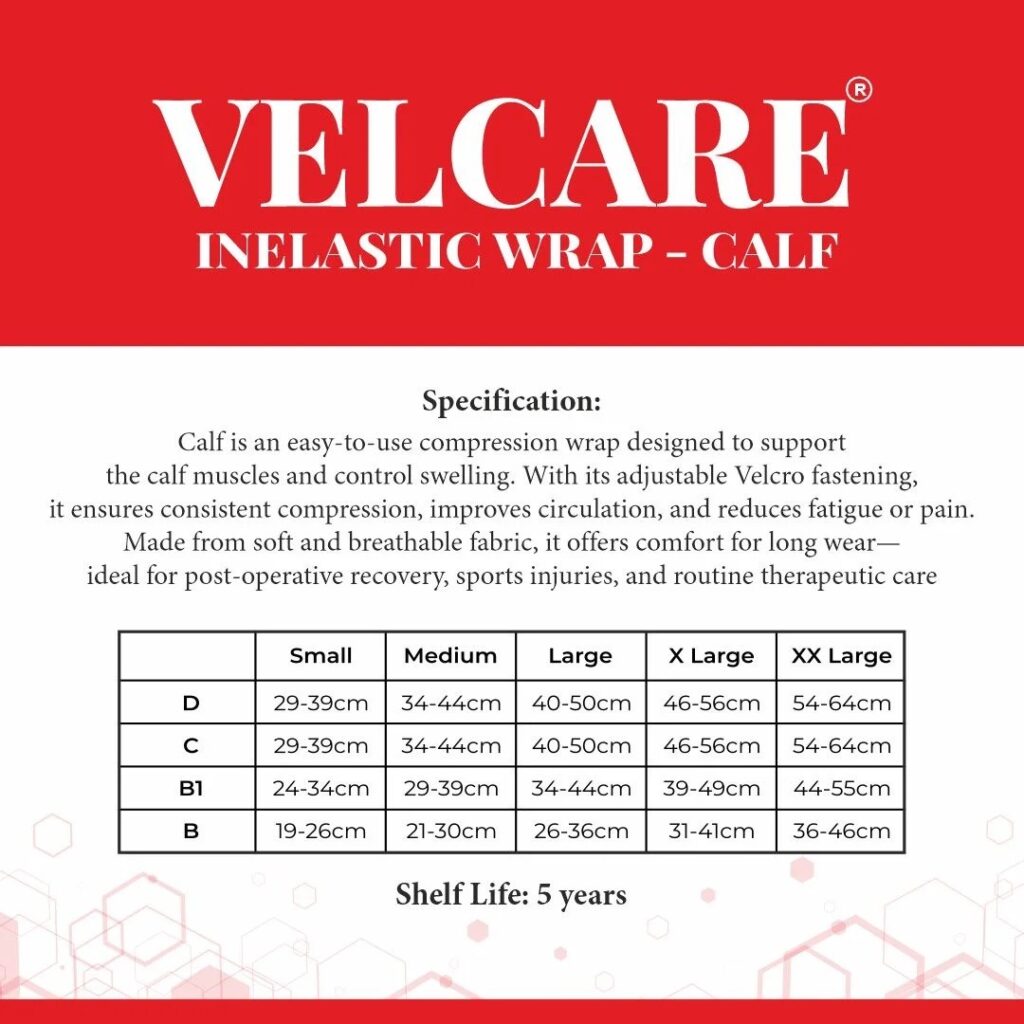
For reference, see our Compression Stockings Size Chart India.
5. When to Consult a Healthcare Professional

Specialists can confirm the correct compression level and ensure measurements match your condition, especially after surgery or for vascular issues.

Consult if you notice:

  • Persistent or increasing swelling
  • Discomfort while wearing the garment
  • Size falling between two chart options
  • Post-surgical changes
  • Conditions like diabetes or vascular disorders

Professional guidance ensures safe and effective therapy, particularly when using compression garments for varicose veins.

Accurate measurements are the foundation of effective compression therapy. Using simple tools, careful technique, and a trusted compression stocking size guide ensures your garment fits comfortably and supports healing. When unsure, consulting a healthcare professional provides confidence and safer results.
Visit www.dattmedi.com for more infomation.
Share:

Frequnently Asked Questions

Correct sizing ensures safe, even pressure along the limb, reduces swelling, improves circulation, and enhances comfort. Referring to a compression measurement chart helps select the most accurate size. Learn more in our Compression Stockings Collection.

A soft measuring tape and sizing guide are essential. Following a trusted medical compression garment sizing guide ensures precise measurement. Check our Compression Garment Sizing Guide for reference.

Measure the narrowest point above the ankle, the widest part of the calf, and the thickest part of the thigh for thigh-high garments. Use a reliable compression stocking size guide like our Compression Stockings Collection to select the right size.

Avoid measuring over clothes, pulling the tape too tightly, or using outdated measurements. Measure in the morning when swelling is minimal and refer to a trusted size guide, such as our Compression Garments for Varicose Veins.

A proper fit feels snug but not painful, without rolling, slipping, or causing numbness. Recheck your measurements using our Compression Stockings Size Chart India if unsure.

Recent Blogs

Velfour® is a revolutionary 4-layer compression bandaging system designed to manage venous leg ulcers and associated conditions. With a sub-bandage pressure of 35-40 mm Hg at the ankle, this high-compression system incorporates elastic layers to achieve sustained compression and promote healing.

Velfour® consists of four essential components that work together synergistically to deliver effective compression and support:

1. Velfour®#1 (Orthopaedic wool):

This layer serves as the primary absorbent material, effectively managing exudate while redistributing pressure evenly around the limb.

2. Velfour® #2 (Cotton crepe bandage):

Designed to enhance absorbency, the cotton crepe bandage smooths out the Orthopaedic Wool layer, ensuring optimal comfort and performance.

3. Velfour®#3 (Elastic Compression Bandage):

The first layer of elastic compression sub-bandage, exerting a pressure of approximately 17 mm Hg at the ankle. This layer provides the initial compression necessary for effective treatment.

4. Velfour® #4 (Cohesive Bandage):

The second layer of compression, adding the remaining 23 mm Hg of pressure while ensuring the bandage remains securely in place. The cohesive properties of this bandage contribute to its stability and adherence.

Velfour® offers a range of features and benefits that make it an exceptional choice for venous leg ulcer management:

1. Effective compression:

With a pressure of approximately 40 mm Hg at the ankle, it delivers the necessary compression to promote healing, gradually reducing to 17 mm Hg at the knee. This graduated compression approach ensures optimal therapeutic results.

2. Graduated compression:

The bandage provides high compression at the ankle and gradually decreases the pressure at the calf.

3. Sustained compression:

It maintains a consistent level of compression for up to a full week, allowing for uninterrupted therapy and reducing the frequency of bandage changes. The treatment process is made simpler by this feature, which also increases patient compliance.

The leading option for treating venous leg ulcers, Velfour® also has additional advantages for a number of other ailments, such as:

1. Treatment of Venous Ulcers:

It improves results by hastening the healing process and facilitating the closure of venous leg ulcers.

2. Prevention of Ulcer Recurrence:

In cases where traditional compression stockings are not tolerated, It provides an effective alternative for preventing the recurrence of venous ulcers.

3. Symptomatic Relief of Superficial Thrombophlebitis:

The compression offered by Velfour®alleviates pain and inflammation associated with superficial thrombophlebitis, providing much-needed comfort to patients.

4. Traumatic Wounds with Local Edema:

It aids in reducing edema and promoting the healing of traumatic wounds, helping to restore the affected area to its optimal state.

5. Venous/Lymphatic Disorders:

It is suitable for managing various venous and lymphatic disorders by providing effective compression and support.

To ensure the optimal application and use of Velfour®, it is essential to follow these guidelines:

1. Limb Assessment:

Accurate measurement of the ankle circumference is crucial to determine the appropriate combination of bandages needed. Any changes in limb contour should also be noted for reference.

2. Wound Assessment:

Mapping the ulcer provides a baseline to track progress throughout the treatment. Regular wound assessment enables healthcare professionals to evaluate the effectiveness of Velfour® and make necessary adjustments.

3. Pain Assessment:

This plays a crucial role in managing venous leg ulcers. Compression therapy with it can alleviate pain, although a slight increase may occur initially.

Velfour® stands as a game-changing solution for managing venous leg ulcers. Its innovative 4-layer compression bandage system, combined with its effective pressure distribution and sustained compression, offers unparalleled benefits for patients and healthcare professionals alike.

We are committed to providing valuable information and insights to support your journey towards improved wound healing and patient well-being.

Velfiz Edge CHG

Intravenous catheterization is a common practice for administering fluids directly into the blood stream. It is often associated with a lethal and a very frequent complication of Catheter-related bloodstream infection (CRBSI).

Catheter-related bloodstream infections (CRBSI) are defined as the presence of bacteraemia originating from an intravenous catheter. CRBSIs are a leading cause of nosocomial infections associated with morbidity, mortality, and cost. 

(more…)
Logo

Datt Mediproducts Private Limited

Loading