
Search by Blog
Read by Category

Your healing journey continues beyond this blog

Find the right products for better recovery at online store
Cart Image
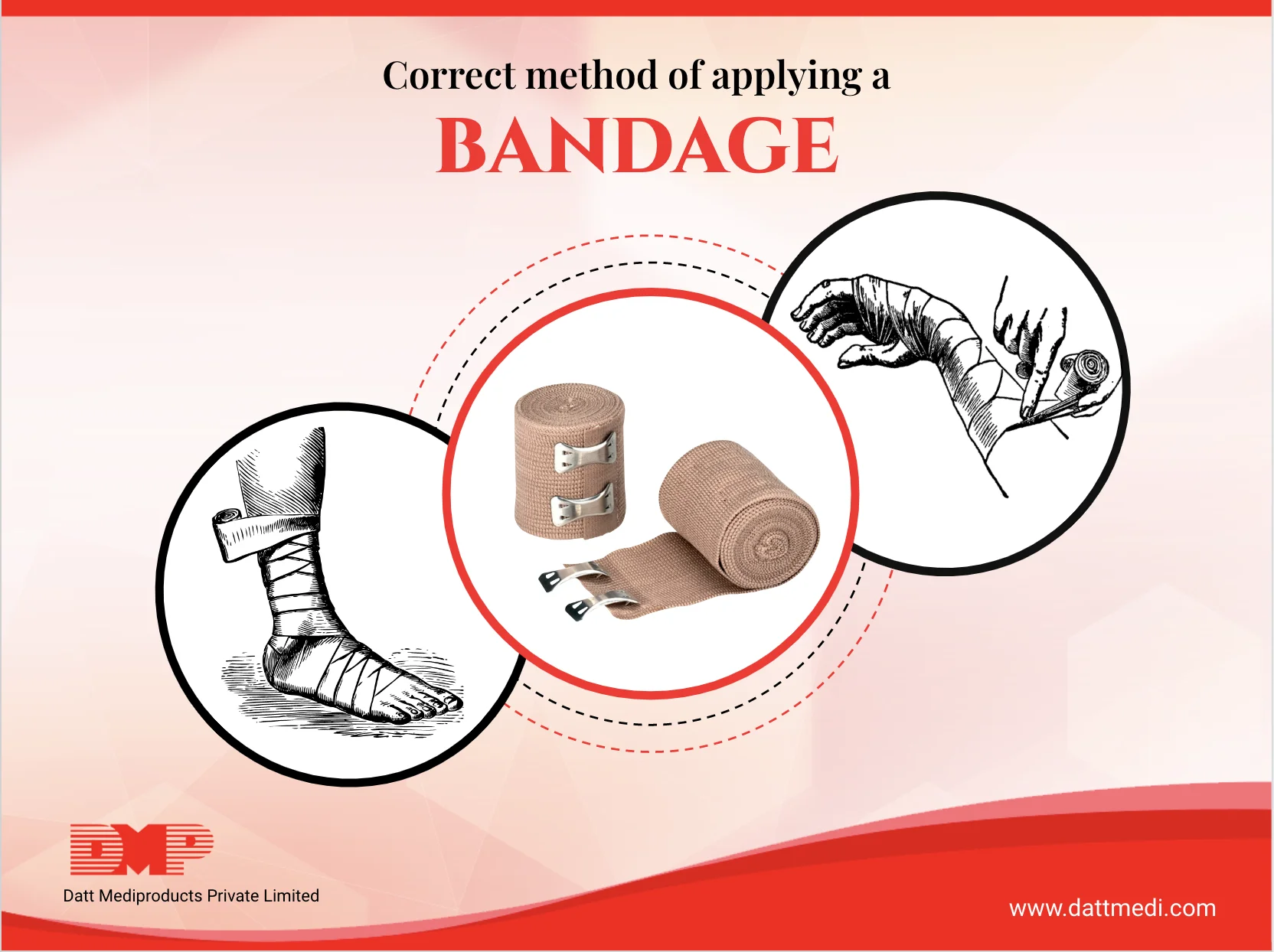
Correct method of applying a bandage

Bandages are used for a lot of medical conditions, everything from sprains to venous veins. Learning the correct method of applying a bandage is very important, as incorrect bandaging will have a direct link to how long and how well the condition takes to heal.

There are various kinds of bandages available in the market, of which we thought of educating on the application of compression bandages. So take a look below to see how one can apply a bandage for better & faster healing.

Steps to applying the bandage correctly:

1. First, make sure that the body part on which the bandage is to be applied is completely well rested.
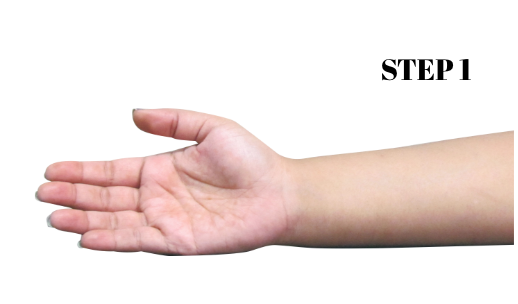
2. Next, the right size of the bandage should be used. Bandages come in different widths. For bandaging the arm, select 5 cm or 7.5 cm or 10 cm. For bandaging the leg, 10 cm or 12 cm or 15 cm widths should be selected.

3. Next, cover the wound properly with an absorbent dressing.
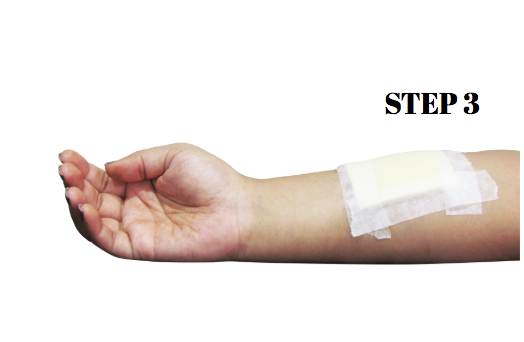
4. Start bandaging from the distal end of the body (the part which is away from the heart such as feet or wrist) to the proximal end of the body (the part closer to the heart such as thigh or shoulder).
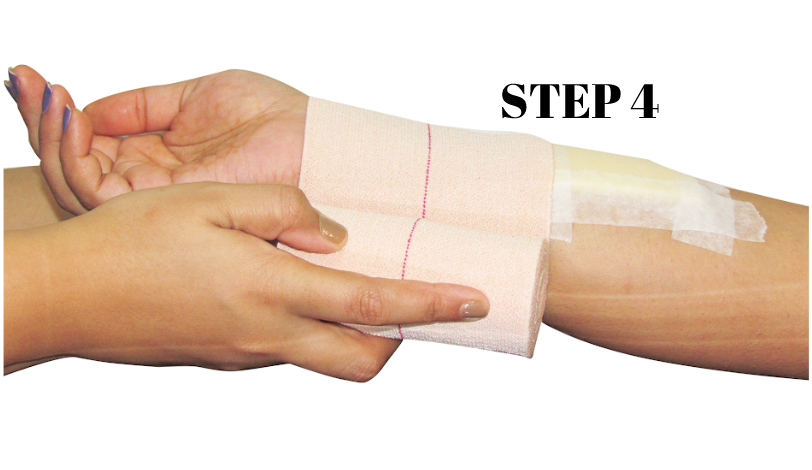
TIP: Avoid covering fingers or toes when bandaging a limb so you can easily check the blood circulation.
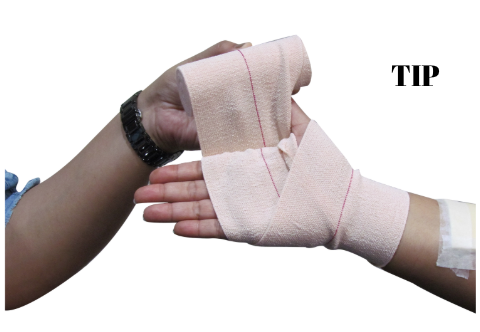
5. Wind the bandage in a spiral (circular) turns, making sure that each layer covers (overlaps) one-third to two-thirds of the previous one.
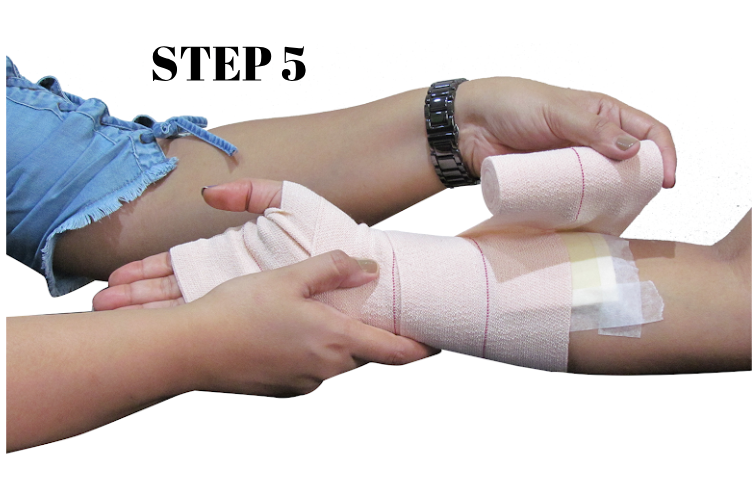
6. Make sure the entire wound is covered with the bandage.
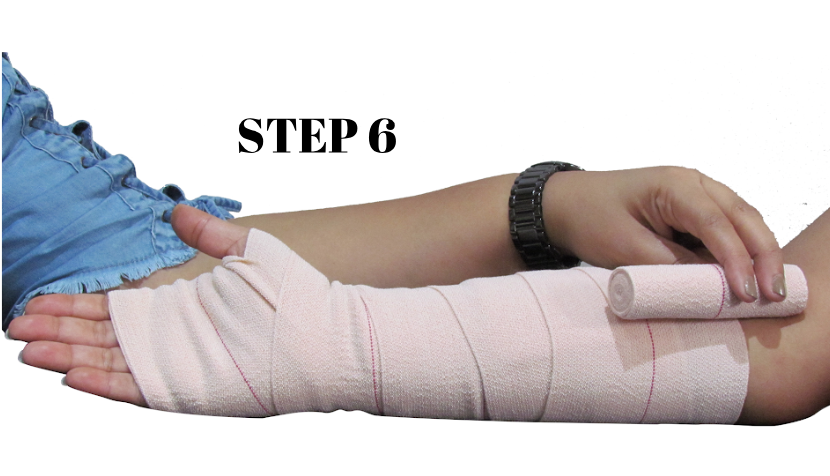
7. After this, make sure the bandage is firm but it is not excessively tight. Very tight bandages can interfere with the blood circulation and that causes more harm.

8. When you have reached the bandage end, secure the end by folding it over and using a bandage clip or adhesive tape to secure it.
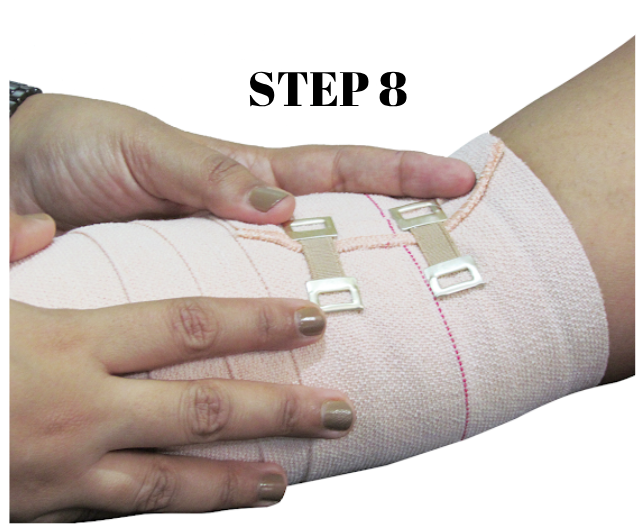
9. After the application of the bandage, ask the patient if it feels too tight & checks the circulation by pressing on a fingernail or a piece of skin until it turns pale. If the color doesn’t return straight away upon release, the bandage may be too tight, so you should loosen it. Keep checking the blood circulation at an interval of 10 minutes.
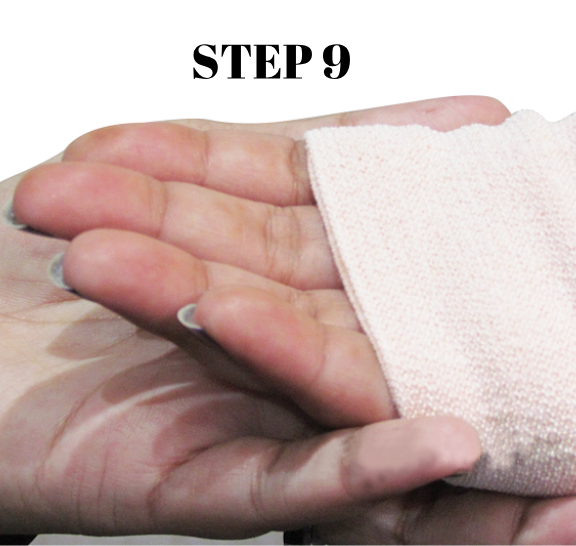

10. Every time you rebandage the limb, make sure the bandage is properly washed & dried to avoid any infection. 
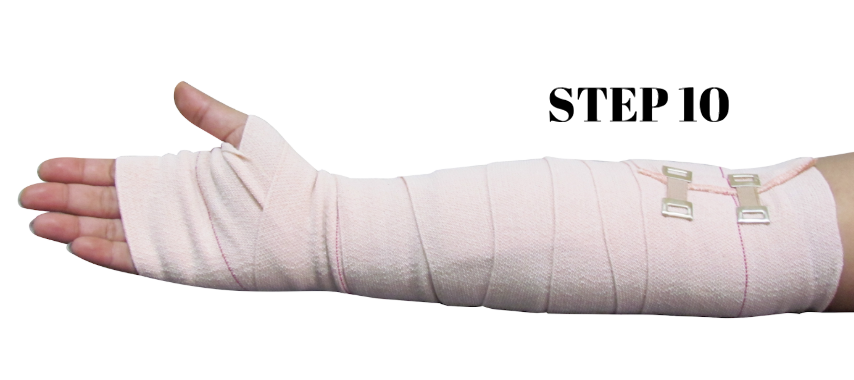
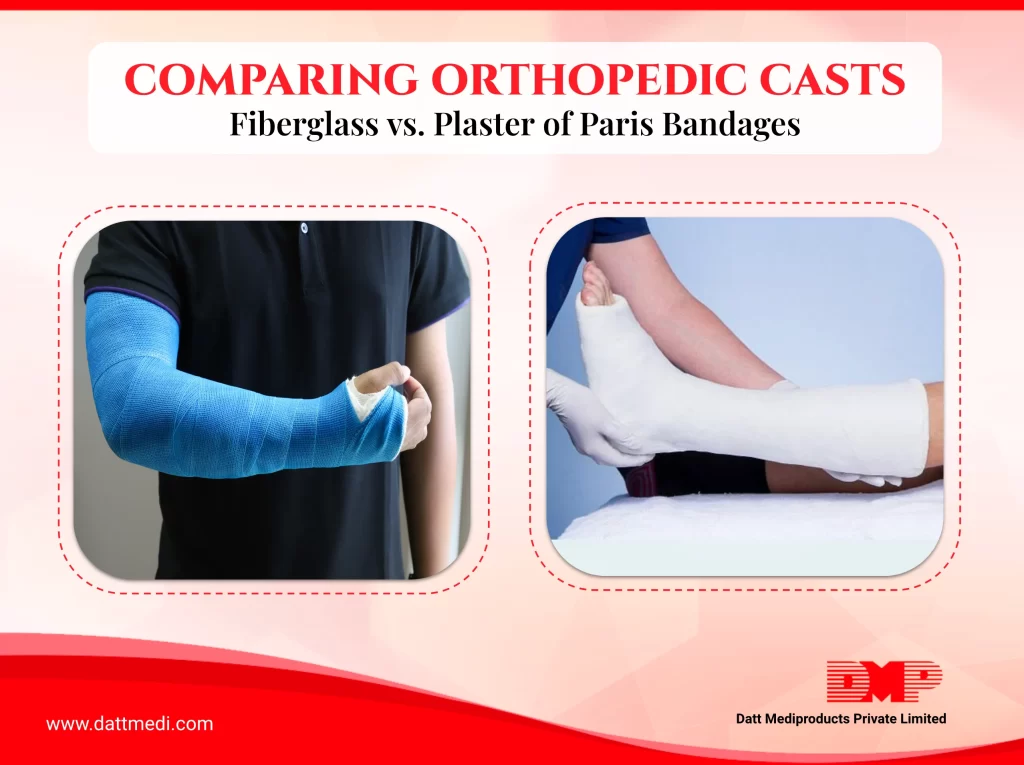
There are various types of bandages available in the market which include compression bandages, roller bandages, triangular bandages, and so on. Compression bandages can be applied in the way stated above.  Once the bandage has been applied correctly, it needs to be changed every day or more frequently if needed. Ask your therapist for special instructions or precautions.

For further information or queries regarding bandages and their applications visit us @ www.dattmedi.com

Spread Awareness! Stay Safe!
Visit www.dattmedi.com for more infomation.
Share:
Recent Blogs
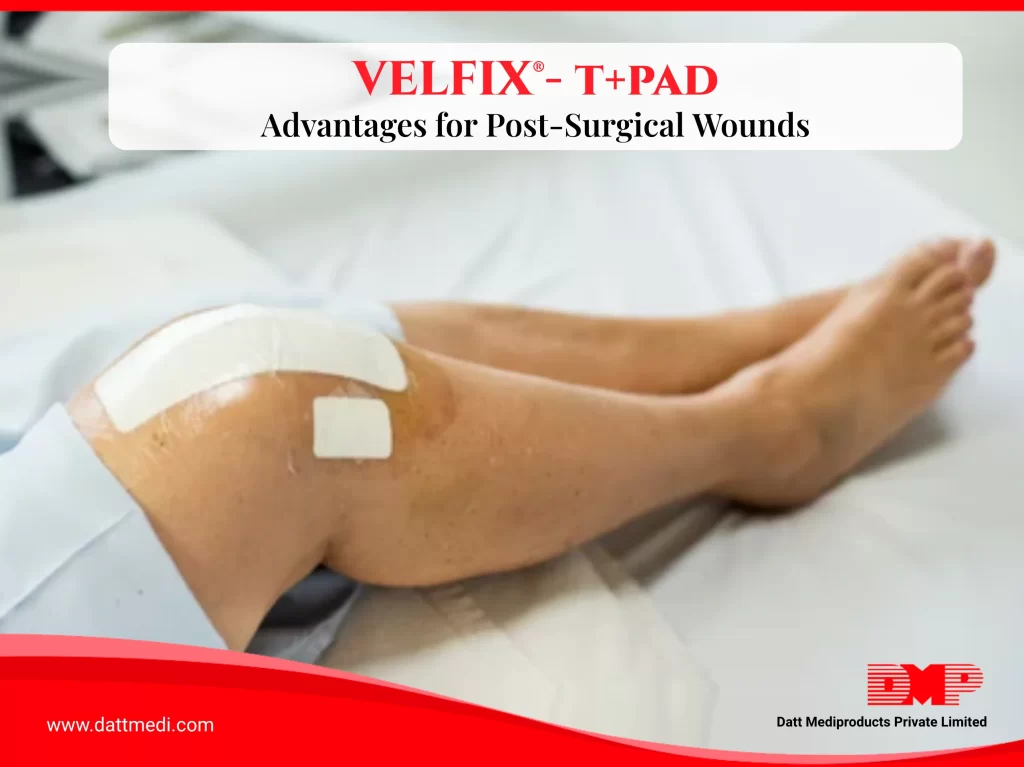
Advantages of Using Velfix®࿯ T+Pad for Post Surgical Wounds

In the field of post-surgical wound care, innovation plays a crucial role in ensuring optimal healing outcomes and patient comfort. Introducing Velfix® -T+Pad, a groundbreaking solution that redefines the standards of wound dressings. Meticulously designed and crafted, Velfix® -T+Pad stands at the forefront of advanced wound care technology, offering not only healing but also unparalleled comfort and convenience.

Waterproof and Bacterial Barrier Properties:

Among the essential features of wound dressings, waterproofing and bacterial barrier stand out. Velfix® -T+Pad not only meets these requirements but surpasses them. Its impermeable yet breathable film forms a protective shield against water and bacteria, safeguarding the wound from external threats and fostering a hygienic healing environment.

Benefits of Continuous Visual Monitoring: 

The advantage of transparent film dressings is the ability to visually monitor the wound without removing the dressing. This allows healthcare providers to detect early signs of infection: clinicians can quickly spot signs of infection, excessive drainage, or other complications, facilitating prompt intervention. It also aids in exudate management : ensuring that the wound exudate is being effectively absorbed and does not pose a risk to the healing process.

Conforming to Body Contours:

Comfort is paramount, especially in areas prone to movement or swelling. Velfix® -T+Pad addresses this need adeptly. Its flexible design seamlessly conforms to the body’s contours, providing a snug fit without compromising comfort. Whether it’s a joint, a curve, or a crease, Velfix® -T+Pad stays in place, ensuring uninterrupted healing.

Effective Evaporation of Moisture:

Moisture management is critical for wound healing, and Velfix® -T+Pad excels in this aspect. Thanks to its innovative adhesive pattern, it facilitates efficient moisture evaporation from the wound bed. This not only keeps the area dry but also prevents maceration, creating optimal conditions for healing.

Reducing Pain Upon Removal:

Dressing changes can be painful, but Velfix® -T+Pad aims to alleviate this discomfort. Featuring a non-adherent pad, it minimizes trauma upon removal, reducing pain and discomfort for the patient. With Velfix® -T+Pad, dressing changes become a smoother, more tolerable process, enhancing the overall patient experience.

In the realm of post-surgical wound care, excellence is imperative. With its innovative design and advanced technology, Velfix® -T+Pad sets a new standard for wound dressings, offering a comprehensive solution that prioritizes healing, comfort, and convenience. 

From its waterproof and bacterial barrier properties to its transparent film for easy monitoring, Velfix® -T+Pad epitomizes cutting-edge wound care. Trust in Velfix® -T+Pad to deliver not only healing but also peace of mind, ensuring a smoother, swiffer path to recovery for patients worldwide.

Wound Care Myths Debunked

Unveiling the Truth: Debunking Common Wound Care Myths

When it comes to wound care, there’s a lot of advice floating around. Some of it is helpful, while other bits are more myth than fact. Let’s clear up some common wound care myths and get to the truth behind them.

Myth 1: Wounds Need Sunlight to Heal

Fact: While sunshine is great for your mood, it’s not beneficial for healing wounds. In fact, direct sunlight can actually cause burns and damage the tissues that are trying to heal. So, to promote proper healing, keep wounds covered and out of direct sunlight.
Source : Cleveland Clinic

Myth 2: Wound Itching Means Healing

Fact: A bit of itching around a wound can be a sign that it’s healing, but it’s not always the case. Itching might also indicate an allergic reaction or infection. Monitor any itching along with other symptoms to ensure the healing process is on track.
Source : Advanced Tissue

Myth 3: Hydrogen Peroxide is the Best Cleaner for Wounds

Fact: Using hydrogen peroxide to clean wounds can actually slow down the healing process by damaging healthy cells. Instead, stick to gentle cleansing with mild soap and water to keep things clean without causing additional damage.
Source : University of Utah Healthcare & Atlantic Foot & Ankle Specialists

Myth 4: Keep Wounds Dry for Faster Healing

Fact: While it’s essential to keep wounds clean, keeping them too dry can actually slow down the healing process. Wounds heal better in a moist environment, so using dressings to maintain the right level of moisture can speed up recovery.
Source : LifeMD™

Understanding the Importance of Proper Wound Care

Wound care isn’t just about cleaning and covering a wound; it’s about understanding the underlying processes that help your body repair itself. Following evidence-based practices ensures that wounds heal properly and complications are minimized. Here’s why these practices are crucial:

  • Preventing Infections: Proper wound care minimizes the risk of infection, which can complicate healing and lead to more serious health issues.
  • Promoting Faster Healing: By maintaining a moist environment and protecting the wound, you accelerate the natural healing process.

When to Seek Professional Help

While minor cuts and scrapes can often be treated at home, certain situations warrant professional medical attention:

  • Deep or Large Wounds: Significant injuries that penetrate deep into the skin or are extensive in size require medical assessment.
  • Signs of Infection: Redness, swelling, increased pain, warmth around the wound, or pus are signs of infection that need medical intervention.
  • Delayed Healing: If a wound does not show signs of healing within a reasonable period, it’s important to consult a healthcare provider.

In a nutshell, taking care of wounds isn’t complicated, but it’s important to distinguish fact from fiction. By following evidence-based practices and seeking professional advice when needed, you can ensure your wounds heal properly and without unnecessary complications.

Logo

Datt Mediproducts Private Limited

Loading