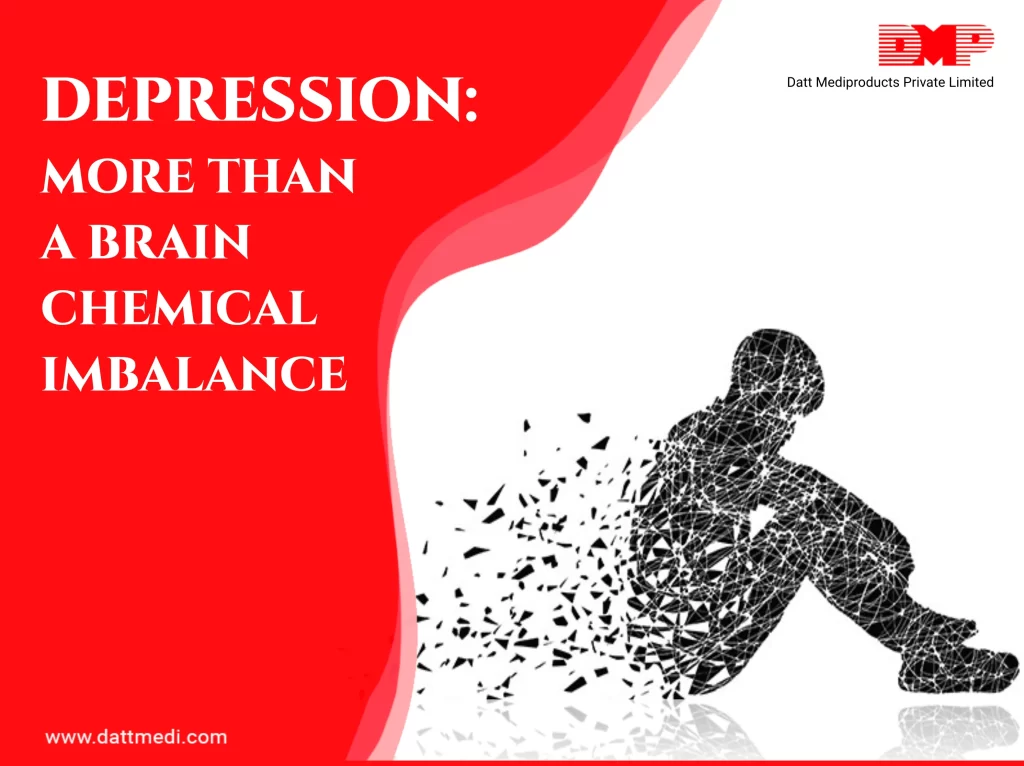
When you are feeling sad for a prolonged period of time and you can’t find any specific reason for it, you might be in the clutches of depression and need to seek professional help. Depression is a common and a widely observed mental disorder which affects people of all ages.
As per WHO, more than 300 million people worldwide suffer from depression. You may not know that the person sitting next to you and laughing with you might be under the tight grip of depression.
People often feel reluctant to seek help. Therefore, it is a highly underdiagnosed and untreated problem. Let’s understand what depression is and how we can help our near ones suffering from depression.
Depression Defined:
Depression or major depressive disorder is a serious mood disorder accompanied by a never-ending sadness or loss of interest. Depression can lead to a variety of physical and emotional problems. These problems may affect how a person feels and behaves towards day-to-day activities. However, for a person to be diagnosed with depression, the symptoms must last for at least 2 weeks.
The symptoms of depression in adults differ from person to person, as no two people are affected the same way.
- Symptoms in children may include sadness, irritability, pain, clinginess, worry, refusing to go to school, or being underweight.
- Teenage symptoms of depression may include being sad, irritability, extremely sensitive, feeling negative, worthless & misunderstood, anger, poor performance at school, addiction to drugs or alcohol, self-harm, too much eating or sleeping, losing interest in normal activities, and avoiding social interaction.
- Symptoms in Adults may include the following:
- Memory difficulties
- Personality changes
- Physical aches, Fatigue, loss of appetite, sleep problems or loss of interest in sex — not caused by any other medical condition or medications
- Feeling excluded or dissociated
- Suicidal thinking or feelings
Prolonged depression is one of the leading causes of suicide. What makes it dangerous is the fact that those who are suffering from depression are unpredictable.
As per WHO, nearly 8 lac people commit suicide every year making it the second leading cause of deaths among people aged 15-29 years.
What causes depression:
1. Brain Chemistry: Our brain uses chemical messengers called neurotransmitters to communicate with its other parts or nervous system. Any problem or imbalances in the brain related to neurotransmitters have been linked to depression. For example, a decrease in the production of some specific neurotransmitters like serotonin, dopamine & norepinephrine (noradrenaline) by the neurons is responsible for creating a depressed mood and stress.
2. Hormones imbalance: An imbalance in hormonal levels may trigger depression. For example, post-partum depression (peripartum depression) or depression resulting from thyroid problems, menopause (premenstrual dysphoric disorder) or other conditions.
3. Inherited traits: People with family history of depression are more likely to suffer from depression. Research is going on to find depression causing genes.
4. Biological differences & Personality: People who had faced depression prior in their lives appear to have some physical changes in their brains triggering the risk of being depressed. Pessimists and people with low self-esteem are also more likely to experience depression.
5. Environmental factors: An exposure to violence, stress, trauma, major life changes, abuses, poverty, neglect, rejection may increase the chances of depression.
Yes, it is treatable!
Depression is different for all those who are affected by it. There is no “one-size-fits-all” treatment method. It may take a while for the doctor to understand the symptoms and define the treatment methods. The sooner the treatment begins, the more effective it is.
– Medications: Anti-depressants are effective for moderate to severe depression cases. The ultimate aim is to improve the brain’s ability to regulate mood. Antidepressants work by increasing the concentration of neurotransmitters in the synapse (space between two nerve cells or neurons through which information is passed from one neuron to another). These are selective serotonin reuptake inhibitors [SSRIs] and must not be considered as the first line of treatment for mild depression cases, and children.
– Psychotherapies: Psychotherapies are also called “Talk Therapy” or “Counselling”. Several types of counselling techniques are available which could help the patients. For example, Behavioural Activation, Cognitive Behavioural Therapy [CBT], Problem Solving Therapy and Interpersonal Psychotherapy [IPT].
– Brain Stimulation Therapies: Brain Stimulation Therapies like electroconvulsive therapy (ECT) work better in patients with severe depression where other treatment methods fail to work. ECT is also a good treatment option for pregnant women where medications might harm the foetus or in old age patients who can’t tolerate drug side effects. Other treatment modalities used to treat medication-resistant depression include repetitive transcranial magnetic stimulation (rTMS) and vagus nerve stimulation (VNS).
Beyond treatment:
Things we can do to support someone who’s depressed
- Be patient
- Be on their side: Convey a sense of understanding.
- Be Sympathetic: Avoid pointing out and accusatory tones.
- Offer to help
- Don’t criticize or judge or compare
Depression shouldn’t be ignored for long. Measures need to be taken as soon as possible so as to avoid any unpleasant happening. Never leave a depressed person alone. Speaking one’s heart out can help to ease the burden to a great extent. Apart from that, see a doctor immediately.