
Search by Blog
Read by Category

Your healing journey continues beyond this blog

Find the right products for better recovery at online store
Cart Image
Epilepsy Awareness The Road To Choice

Epilepsy is a central nervous system disorder characterized by abnormal brain activity, causing seizures or periods of unusual behaviour, sensations and sometimes loss of awareness. It is one of the most common neurological diseases globally.

Epilepsy is a chronic non- communicable disease of the brain that can affect males or females of all races, ethnic backgrounds and races. Seizures are a brief episodes of involuntary movement that may involve a part of the body or the entire body.

Seizures can be classified into two main groups:
Generalized & Focal Seizures

1. GENERALIZED SEIZURES affect both sides of the brain and can further have 2 sub-types:
Absence Seizures or Petit Mal Seizures cause rapid blinking or staring into space for a few seconds.
Atonic Seizures or Drop Seizures cause a loss of muscle control especially the legs causing you to suddenly collapse or fall down.
Tonic-colonic seizures or Grand Mal Seizures cause a person to cry out, make them unconscious abruptly, fall to the ground or even have muscle jerks or spasms.

2. FOCAL SEIZURES or PARTIAL SEIZURES can affect just one area of the brain.
Simple focal seizures cause twitching or a change in sensation by affecting a small part of the brain.
Complex focal seizures can cause confusion or daze making a person unable to think and react properly for up to a few minutes.
Secondary generalized seizures begin affecting one part of the brain, spreading to both sides later on. In other words, a focal seizure developing into a generalized seizure.

How Common is Epilepsy?
1. As per World Health Organization (WHO), around 50 million people worldwide have epilepsy.
2. A study published in the journal EPILEPSIA “Prevalence and pattern of epilepsy in India”, predicts that there are more than 10 million persons with epilepsy (PWE) in India with a prevalence of about 1% in Indian population.
3. Just about 80% of people with this condition live in low- and middle-income countries.
4. Around 75% PWE living in low-income countries do not receive suitable treatment.
5. An appropriate diagnosis and treatment can help about 70% PWE lead a seizure free life.
6. PWE are at a three times higher risk of premature death than the general population.
7. PWE and their families face a lot of stigma and discrimination around the world.
8. WHO says that around 25% epilepsy cases are preventable.

Epilepsy Management
Treatment of epilepsy includes anti-seizure medications, special diets (typically in addition with anti-seizure medications) and surgery.

1. Medications: Certain medicines called Anti-seizure drugs (anti-epileptic medicine) are accessible which limit the spread of seizures in the brain. The success rate of anti-seizure medicines is about 2 in 3 people with epilepsy. A combination of these medications can help decrease the frequency and intensity of seizures.

2. Surgery: Epilepsy surgery is a treatment method of choice in people with focal seizures, mostly when the seizure focus is located in the temporal lobe of the brain and secondly when doesn’t interfere with vital functions such as speech, language, motor function, vision or hearing. Surgery either help to stop future seizures or make them easier to control with medicine.

3. Diet: Some people with epilepsy especially children, have been able to reduce their seizures by following a strict diet regime namely Ketogenic Diet, which is high in fats and low in carbohydrates. It can be a challenge and must be done under medical supervision.

SEIZURE FIRST AID
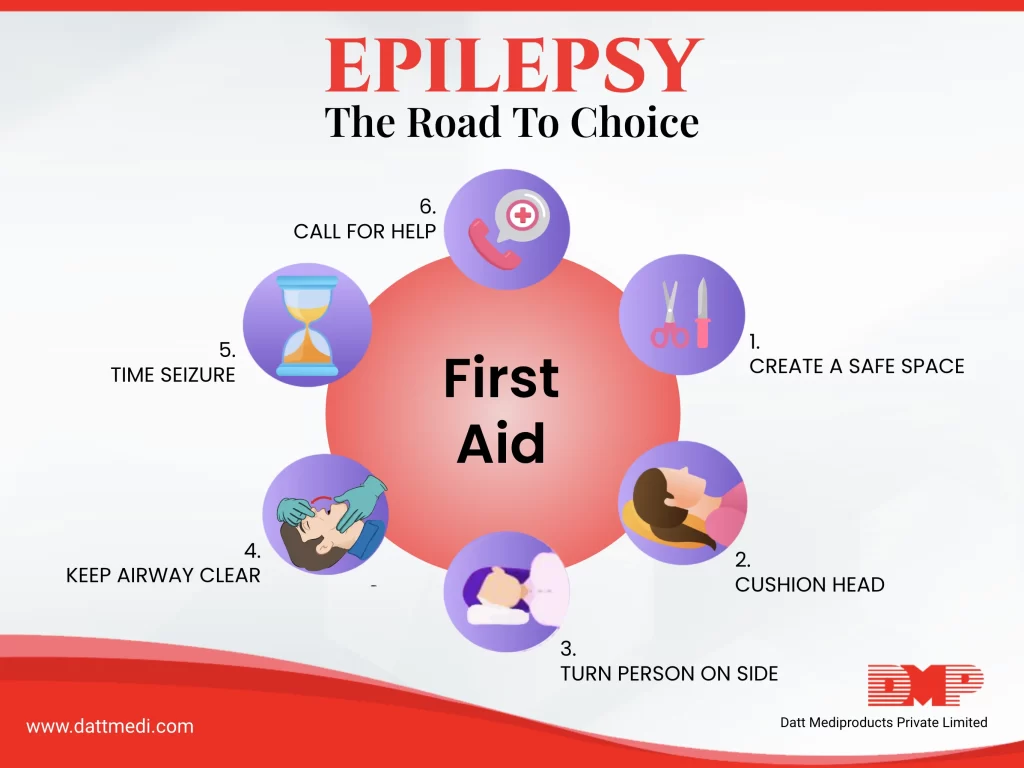
Apart from the above management techniques, there are certain steps involved in Epilepsy Seizure First Aid to help someone having a seizure.

Step 1: Create a Safe Space: Keep the person safe from harm. Move away any hard objects from the area to protect them from injury.
Step 2: Cushion Head: Put something soft and small under their head.
Step 3: Turn Person on Side if they are not awake and aware or if they have food, fluid or vomit in their mouth.
Step 4: Keep Airway Clear: Loosen tight clothes around neck and keep the airway clear.
Step 5: Time Seizure: Check the time and call an ambulance if the seizure lasts for a longer than 5 minutes or if the person doesn’t return to their usual state.

We recommend staying with the person until seizure ends and comfort them when they regain consciousness. Do not put any objects in their mouth and give rescue medicines only if prescribed by a health care professional.

Follow us @dattmediproducts or visit www.dattmedi.com for more health related information.

Stay updated, Stay Healthy!
Visit www.dattmedi.com for more infomation.
Share:
Recent Blogs

Childhood is a critical phase of development that lays the foundation for a healthy and fulfilling life. As parents, caregivers, and members of society, ensuring the health and well-being of our children is a top priority.

The early years of a child’s life are crucial for their development, setting the stage for their future health and happiness. By understanding the various aspects that contribute to a child’s overall well-being, we can create a solid foundation for their growth and help them thrive. In this blog, we will explore various aspects that contribute to building healthy foundations for children, including early childhood development, nutrition, physical activity, preventive healthcare, mental and emotional health, safe environments, and healthy sleep habits.

Understanding Early Childhood Development:

Early childhood development encompasses the physical, cognitive, social, and emotional growth that occurs from birth to around the age of eight. This period is crucial for brain development, language acquisition, and the formation of social skills. It is essential for parents and caregivers to engage children in stimulating activities, such as reading, playing, and problem-solving, to promote optimal development.

The Power of Nutrition:

Nutrition plays a vital role in a child’s growth and development. Providing a well-balanced diet that includes a variety of fruits, vegetables, whole grains, lean proteins, and dairy products is crucial. Adequate nutrition ensures that children receive the essential nutrients their bodies need to support physical growth, cognitive function, and immune system strength. Limiting sugary snacks and beverages can help prevent the development of unhealthy eating habits and reduce the risk of childhood obesity.

Promoting Physical Activity:

Regular physical activity is crucial for children’s overall health and well-being. It helps build strong bones and muscles, improves cardiovascular fitness, enhances coordination and motor skills, and contributes to a healthy weight. Encourage children to engage in age-appropriate activities such as active play, sports, and outdoor adventures. Limit screen time and promote active hobbies to ensure they maintain an active lifestyle.

Preventive Healthcare and Immunizations:

Preventive healthcare and immunizations are critical to safeguarding children’s health. Regular visits to healthcare providers for well-child check-ups allow for early detection and intervention of potential health concerns. Immunizations protect children from vaccine-preventable diseases, reducing their susceptibility to illnesses and safeguarding the health of the entire community. Staying up-to-date with recommended vaccinations ensures that children have a strong defense against infectious diseases.

Nurturing Mental and Emotional Health:

Promoting mental and emotional well-being is equally important for a child’s overall health. Creating a supportive and nurturing environment at home, school, and within the community helps children develop resilience, self-esteem, and positive coping skills. Encouraging open communication, active listening, and providing emotional support can assist children in navigating their emotions and building healthy relationships. Engaging in activities that promote creativity, self-expression, and mindfulness can also enhance their emotional well-being.

Safe Environments and Injury Prevention:

Creating a safe environment is essential for child health and well-being. Childproof your home by securing cabinets, electrical outlets, and sharp objects. Ensure a safe outdoor play area, free from hazards. Teach children about potential dangers, such as fire, water, and strangers, and how to stay safe in different situations. Supervision and education are crucial in preventing injuries.

Healthy Sleep Habits:

Adequate sleep is vital for children’s physical and cognitive development. Establish a consistent sleep routine and ensure children get the recommended amount of sleep based on their age. Create a calm and comfortable sleep environment, free from distractions. Limit screen time before bedtime, as it can interfere with quality sleep. Encourage relaxation techniques, such as reading or listening to soothing music, to promote better sleep.

Building healthy foundations for children requires a holistic approach that encompasses various aspects of their well-being. By understanding early childhood development, promoting proper nutrition, encouraging physical activity, prioritizing preventive healthcare, nurturing mental and emotional health, ensuring safe environments, and establishing healthy sleep habits, we can set children on a path towards a healthy and fulfilling life.

Together, let us prioritize their health, provide them with the support they need, and empower them to grow into happy, healthy individuals who can thrive and make a positive impact on the world. Let us join hands in creating a healthier future for our children.

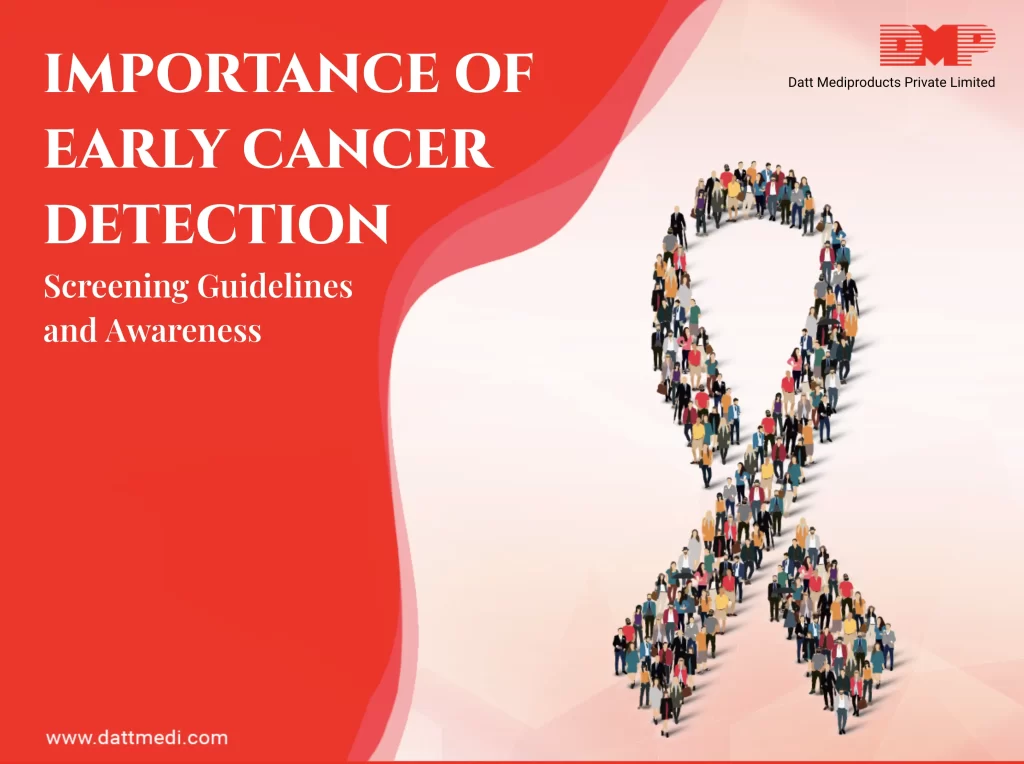
In our fast-paced and demanding modern world, it has become increasingly crucial to prioritize our health and well-being. Among the myriad of health concerns affecting millions worldwide, cancer stands as one of the most significant challenges we face. However, with advances in medical science, early detection has emerged as a powerful tool in the fight against this devastating disease. In this blog, we will explore the importance of early cancer detection, shed light on screening guidelines, and emphasize the necessity of regular screenings for various types of cancer.

The Impact of Early Cancer Detection: Early detection plays a pivotal role in improving cancer outcomes and significantly increasing the chances of successful treatment. When cancer is detected in its early stages, before it has metastasized, treatment options are often less aggressive and more effective. Moreover, early detection significantly enhances survival rates, underscoring the vital importance of regular screenings for individuals.

Screening Guidelines for Different Types of Cancer:

Breast Cancer:

Among women, breast cancer is one of the most prevalent forms of the disease. The American Cancer Society advises that women aged 40 and above should undergo annual mammograms for breast cancer screening. However, individual risk factors may warrant earlier screenings or additional tests.


Colorectal Cancer:

Affecting both men and women, colorectal cancer ranks as the third most common cancer globally. Screening for colorectal cancer typically begins at the age of 45. Methods such as colonoscopy, sigmoidoscopy, and stool-based tests are employed to detect abnormal growths or cancerous cells in the colon or rectum.

Cervical Cancer:

Regular screenings and human papillomavirus (HPV) vaccination can prevent cervical cancer. The American Cancer Society recommends cervical cancer screening for individuals with a cervix starting at the age of 25. This can be achieved through a Pap test, an HPV test, or a combination of both.

Lung Cancer:

As the leading cause of cancer-related deaths worldwide, lung cancer poses a significant threat. For individuals at high risk, such as current or former smokers, low-dose computed tomography (LDCT) scans are recommended. Screening should commence at the age of 50 and continue until age 80, or as long as the individual is in good health.


Prostate Cancer:

Primarily affecting men, prostate cancer typically develops in older individuals. The American Cancer Society advises men to discuss the potential benefits and risks of prostate cancer screening with their healthcare provider. Screening options include prostate-specific antigen (PSA) blood tests and digital rectal exams.

Early cancer detection can save lives by enabling more effective treatment options and improving survival rates. By adhering to the recommended screening guidelines for different types of cancer, individuals can take proactive steps towards their health and potentially detect cancer in its early stages.

Through raising awareness, educating the public, and advocating for regular screenings, we can work together to alleviate the burden of cancer and enhance overall healthcare outcomes. Remember, prevention and early detection are the keys to triumphing over cancer. This strategic stance promises extended lives, improved outcomes, and a brighter future for all, underscoring the vital role of early cancer detection as a beacon of hope in a world where health is paramount.

Logo

Datt Mediproducts Private Limited

Loading