
Search by Blog
Read by Category

Your healing journey continues beyond this blog

Find the right products for better recovery at online store
Cart Image
Varicose Veins

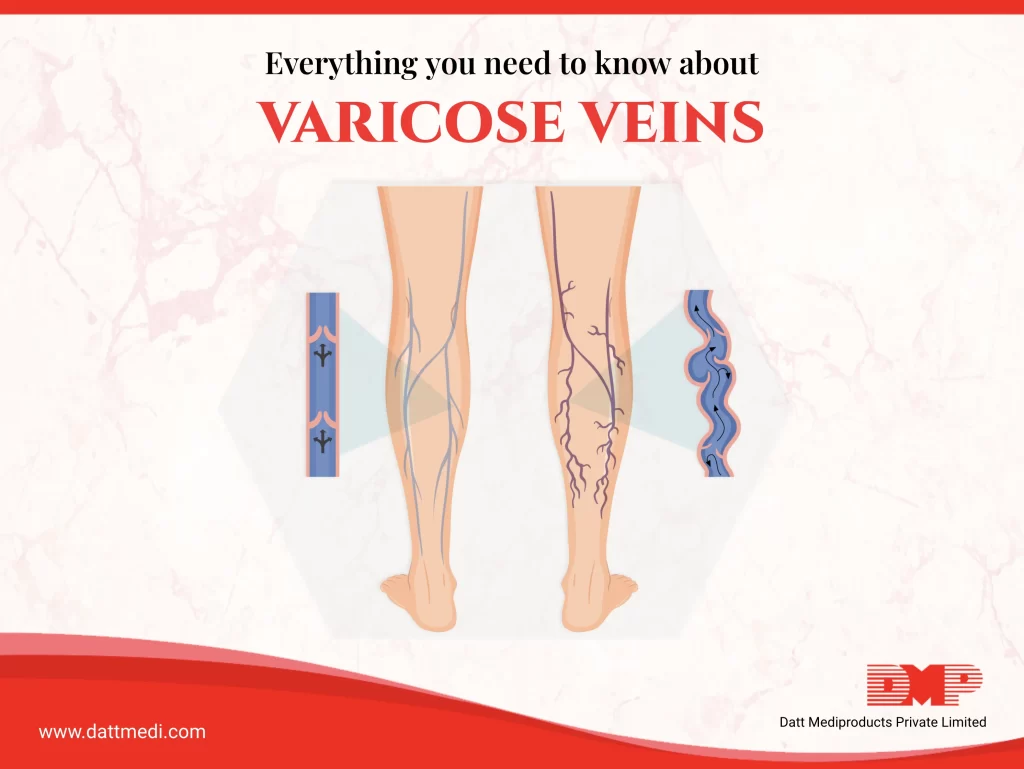
Varicose veins are enlarged, swollen, twisted veins ,often appearing as bulging, that can be seen just under the skin and are usually blue or dark purple in colour. They typically appear in legs but can affect other parts of the body too. Many people can have a mild version of varicose veins that can cause discomfort to the patient but sometimes it can lead to further more serious problems.

DO YOU KNOW-
Reports indicate that about 2%-73% of the global population is affected by varicose veins. However, varicose veins are a common condition in India, with an estimated 37.25% prevalence rate among the adult population.

What Causes Varicose Veins?

Varicose veins occur in the superficial veins and can be caused by an increased blood pressure in the veins. Our veins have one-way valves that open and close to ensure the blood flowing towards the heart. When these valves become weaken or damaged, the blood collects in the veins or even flows backwards. This causes veins to grow larger and become distorted, thereby resulting in varicose veins.

Symptoms:

  • Bulging, twisted, swollen, bluish vein or veins
  • Swelling in the legs
  • Sensations in the legs, such as a heaviness, burning, and/or aching pain
  • Rash or Itching around the vein or veins
  • Skin colour changes around the vein or veins
  • Night time leg cramps

Sitting or standing for long periods can cause the blood to pool which may worsen the symptoms. Lying down and putting feet up at elevated position may help you get better.

How does stockings help?

Compression stockings are designed to provide consistent pressure in the legs to prevent swelling and help improve circulation. Compression therapy may be recommended as a treatment or after a procedure to remove or close off varicose veins.

Compression therapy helps relieves symptoms of varicose veins. These also help heal leg ulcers or sores that are a complication of varicose veins. Because the problem is long term, doctors may suggest wearing compression stockings for a long period of time.

As per a 2018 study titled Acute Effects of Graduated Elastic Compression Stockings in Patients with Symptomatic Varicose Veins: A Randomised Double Blind Placebo Controlled Trial published in the journal “European Journal of Vascular and Endovascular Surgery”, wearing compression stockings with pressures of 18 to 21 millimetres of mercury (mm Hg) for 1 week helped to reduce aches and pain associated with varicose veins, compared to normal stockings.

VELCARE® – Varicose Veins Stocking

It is a varicose veins medical compression stockings which provides therapeutic graduated compression between 23-32mmHg, a class 2 compression. The stockings are very soft, latex free, breathable and designed to offer optimal comfort to the user. Velcare® stockings are highly durable and offer a four-way stretch. Using these compression stockings helps blood circulation from lower sides to upper sides.

Indicated in the management of Deep Vein thrombosis, these stockings can also be used to treat Phlebitis & are optimal for postoperative care. Velcare® Stockings work excellently to relieve leg swelling, moderate to severe varicosities and oedema.

We, Datt Mediproducts understand that varicose veins may interfere with daily activities. Adopting certain lifestyle changes such as maintain a healthy weight, being physically active and avoiding standing or sitting for long periods can help relieve varicose veins symptoms or even prevent them from getting worse. 

Keep moving & Stay Healthy!
Visit www.dattmedi.com for more infomation.
Share:
Recent Blogs
Post-Surgery Wound Care Supporting Recovery

Post-Surgery Wound Care Supporting Recovery 

Post-surgery wound care is a critical component in the journey towards a smooth recovery, minimizing complications, and promoting effective healing. This blog post seeks to offer comprehensive insights for both patients and healthcare providers, emphasizing key aspects of post-surgery wound care.

Understanding the Healing Process:

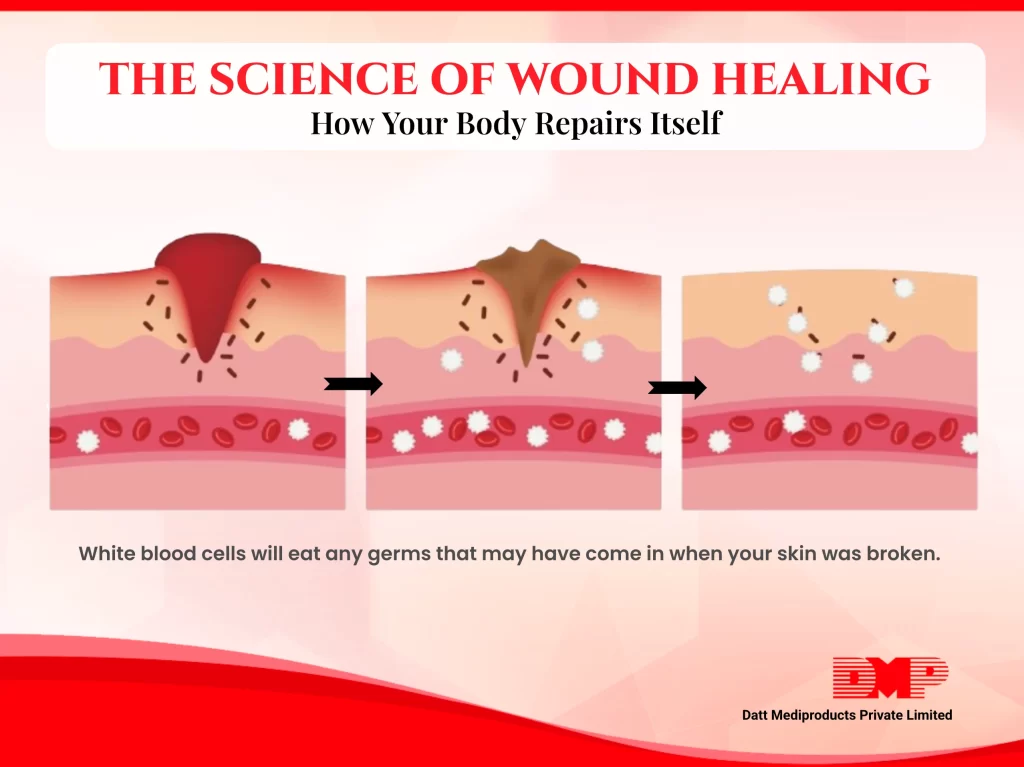
To navigate the recovery journey successfully, it’s essential to grasp the intricacies of the body’s natural healing process. From the initial inflammatory response to tissue remodeling, patients should be aware of these stages to set realistic expectations for the recovery timeline. 

Preparation Before Surgery: 

A proactive approach to wound care begins before the surgical procedure. Adequate preparation involves thorough consultation with healthcare professionals, understanding the surgery specifics, and adhering to pre-surgery instructions. This groundwork sets the stage for a more seamless recovery. 

Maintaining a Sterile Environment: 

Fundamental to effective wound care is the maintenance of a clean and sterile environment. This includes keeping the surgical site and surrounding areas free from contaminants. Proper wound hygiene significantly reduces the risk of infections, a common concern post-surgery. 

Nutrition and Hydration for Optimal Healing: 

Supporting the body’s healing mechanisms requires a well-balanced diet rich in essential nutrients. Proper nutrition promotes tissue repair and helps prevent complications. Adequate hydration is equally crucial, supporting overall bodily functions and facilitating nutrient transportation to the wound site. 

Monitoring and Recognizing Warning Signs: 

Vigilance is key during the recovery phase. Patients should be educated on monitoring wounds for warning signs like increased redness, swelling, or discharge.

Recognizing these signs early enables prompt intervention, minimizing the risk of serious complications. 

Introducing Our Innovative Solution: 

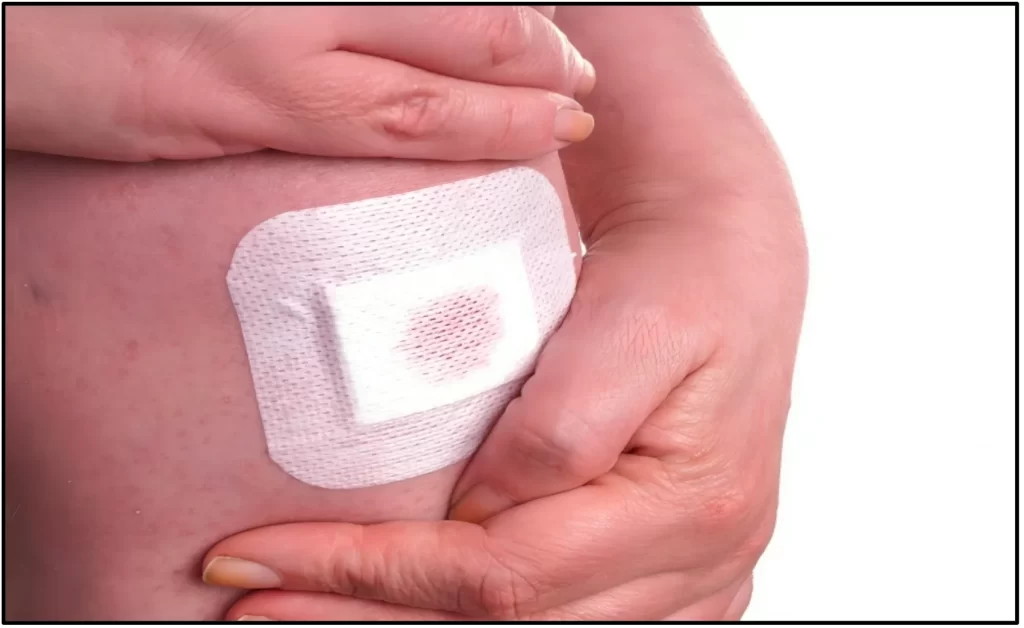
Elevating the standards of patient recovery involves introducing innovative products like Velfix® -Edge. This exceptional dressing goes beyond traditional solutions with its non-woven bordered design, frame delivery system, and deep notched barrier against infections. The latex-free adhesive ensures compatibility with diverse patients, while the window-framed delivery system simplifies application. Incorporating Velfix® -Edge into post-surgery wound care routines prioritizes precision, patient comfort, and infection prevention, contributing to an enhanced and smoother recovery journey for every patient.

Therefore, post-surgery wound care is a collaborative effort between healthcare providers and patients. Empowering individuals with knowledge about the healing process, preparing adequately before surgery, maintaining a sterile environment, prioritizing nutrition and hydration, and being vigilant for warning signs actively contribute to a successful recovery journey. 

Choosing Velfix® -Edge for optimal post-surgery care is a conscious decision towards improved recovery outcomes, ensuring a holistic and effective approach to the healing process.

Daily Wound Care Routine

Daily Wound Care Routines: Simple Practices for Healing

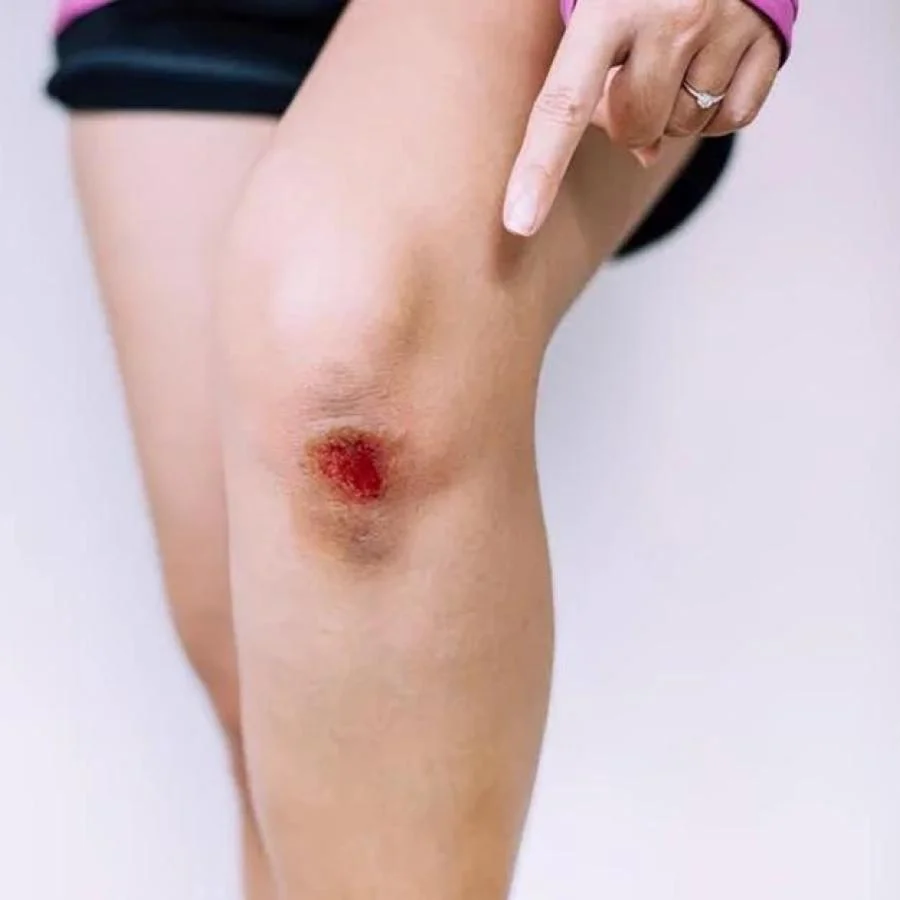
When it comes to wound care, establishing a daily wound care routine is crucial for ensuring optimal healing and preventing complications. Daily wound inspection is the cornerstone of this routine, as it allows individuals to monitor changes and identify potential signs of infection early on. Gentle cleaning is another fundamental aspect, and using mild soap and water or a saline solution can effectively remove debris without causing further harm. This step not only promotes cleanliness but also prepares the wound for the next crucial element in the routine – dressing selection.

The choice of dressing plays a pivotal role in the healing process:

Understanding the wound type and condition is essential for selecting the appropriate dressing. Different wounds require different approaches, and the right dressing helps maintain a moist environment, creating an ideal setting for the healing to progress.

Regular changing of dressings is equally important:

This practice not only prevents infections but also promotes a conducive environment for the wound to heal efficiently. Alongside changing dressings, ensuring that the wound is adequately protected from external contaminants is vital.

Pain management is a common concern during the healing process:

Strategies for managing pain and ensuring comfort should be part of the daily routine. This can include over-the-counter pain relievers or prescribed medications, tailored to individual needs and the severity of the wound.

Nutrition and hydration play a significant role in supporting the body’s natural healing process:

A well-balanced diet with emphasis on proper nutrition provides the necessary nutrients for tissue repair and regeneration. Additionally, staying hydrated is key to optimal recovery.

Avoiding irritants and risk factors is a proactive measure in the daily wound care routine:

Activities or substances that can irritate the wound should be strictly avoided. Smoking and excessive alcohol consumption can hinder the healing process, making it crucial to steer clear of these risk factors.

Regular follow-ups with healthcare professionals are essential for ongoing evaluation:

Consulting healthcare providers ensures that any signs of complications are addressed promptly, contributing to the overall success of the wound care routine.

A well-rounded daily wound care routine involves daily inspection and cleaning, appropriate dressing selection, regular changing of dressings, pain management, proper nutrition and hydration, avoidance of irritants and risk factors, and consistent consultation with healthcare professionals. By incorporating these practices into daily life, individuals can contribute significantly to the effective healing of wounds.

Stay healthy!

Logo

Datt Mediproducts Private Limited

Loading