
Search by Blog
Read by Category

Your healing journey continues beyond this blog

Find the right products for better recovery at online store
Cart Image
Varicose Veins

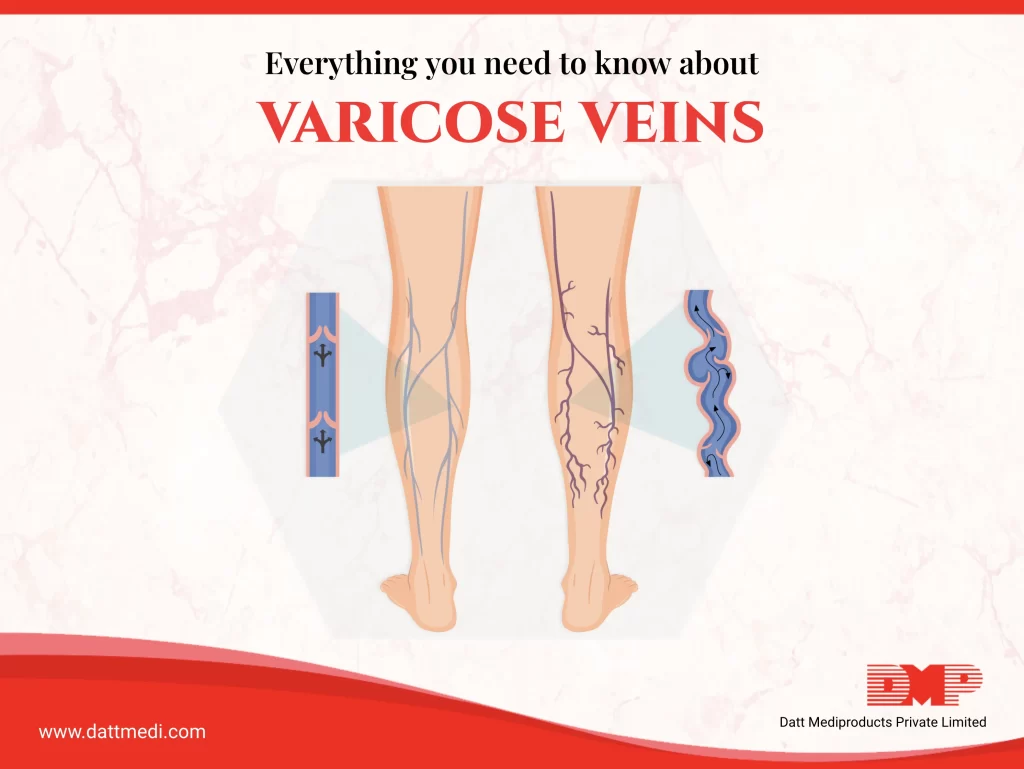
Varicose veins are enlarged, swollen, twisted veins ,often appearing as bulging, that can be seen just under the skin and are usually blue or dark purple in colour. They typically appear in legs but can affect other parts of the body too. Many people can have a mild version of varicose veins that can cause discomfort to the patient but sometimes it can lead to further more serious problems.

DO YOU KNOW-
Reports indicate that about 2%-73% of the global population is affected by varicose veins. However, varicose veins are a common condition in India, with an estimated 37.25% prevalence rate among the adult population.

What Causes Varicose Veins?

Varicose veins occur in the superficial veins and can be caused by an increased blood pressure in the veins. Our veins have one-way valves that open and close to ensure the blood flowing towards the heart. When these valves become weaken or damaged, the blood collects in the veins or even flows backwards. This causes veins to grow larger and become distorted, thereby resulting in varicose veins.

Symptoms:

  • Bulging, twisted, swollen, bluish vein or veins
  • Swelling in the legs
  • Sensations in the legs, such as a heaviness, burning, and/or aching pain
  • Rash or Itching around the vein or veins
  • Skin colour changes around the vein or veins
  • Night time leg cramps

Sitting or standing for long periods can cause the blood to pool which may worsen the symptoms. Lying down and putting feet up at elevated position may help you get better.

How does stockings help?

Compression stockings are designed to provide consistent pressure in the legs to prevent swelling and help improve circulation. Compression therapy may be recommended as a treatment or after a procedure to remove or close off varicose veins.

Compression therapy helps relieves symptoms of varicose veins. These also help heal leg ulcers or sores that are a complication of varicose veins. Because the problem is long term, doctors may suggest wearing compression stockings for a long period of time.

As per a 2018 study titled Acute Effects of Graduated Elastic Compression Stockings in Patients with Symptomatic Varicose Veins: A Randomised Double Blind Placebo Controlled Trial published in the journal “European Journal of Vascular and Endovascular Surgery”, wearing compression stockings with pressures of 18 to 21 millimetres of mercury (mm Hg) for 1 week helped to reduce aches and pain associated with varicose veins, compared to normal stockings.

VELCARE® – Varicose Veins Stocking

It is a varicose veins medical compression stockings which provides therapeutic graduated compression between 23-32mmHg, a class 2 compression. The stockings are very soft, latex free, breathable and designed to offer optimal comfort to the user. Velcare® stockings are highly durable and offer a four-way stretch. Using these compression stockings helps blood circulation from lower sides to upper sides.

Indicated in the management of Deep Vein thrombosis, these stockings can also be used to treat Phlebitis & are optimal for postoperative care. Velcare® Stockings work excellently to relieve leg swelling, moderate to severe varicosities and oedema.

We, Datt Mediproducts understand that varicose veins may interfere with daily activities. Adopting certain lifestyle changes such as maintain a healthy weight, being physically active and avoiding standing or sitting for long periods can help relieve varicose veins symptoms or even prevent them from getting worse. 

Keep moving & Stay Healthy!
Visit www.dattmedi.com for more infomation.
Share:
Recent Blogs
Wound Care Dos and Don’ts

Wound Care Dos and Don’ts: Best Practices for Better Healing

Proper wound care is essential for facilitating the healing process and preventing complications. Whether it’s a minor cut or a more severe injury, following the right dos and avoiding the don’ts can significantly contribute to better healing. In this blog, we will explore key practices to ensure optimal wound care.

Dos:

Keep the Wound Clean:

It is crucial to clean the wound gently using mild soap and water. Additionally, consider using a saline solution for cleaning when necessary. A clean wound reduces the risk of infection and promotes a faster healing process.

Use Appropriate Dressings:

Selecting the right dressing based on the type and severity of the wound is vital. Changing dressings regularly, as advised by healthcare professionals, helps maintain a sterile environment and supports the healing process.

Promote Moist Healing:

Create a moist environment conducive to healing. Using gauze or appropriate dressings can help keep the wound moist, facilitating cell growth and minimizing scarring.

Monitor and Seek Medical Advice:

Regularly monitor the wound for any signs of infection or complications. If redness, swelling, or increased pain occurs, seek medical advice promptly. Early intervention can prevent further complications.

Maintain a Healthy Diet and Hydration:

A balanced diet rich in nutrients is essential for the body’s healing process. Adequate hydration supports overall recovery. Ensure that the body receives the necessary vitamins and minerals for optimal wound healing.

Don’ts:

Avoid Harsh Cleaning Agents:

Refrain from using harsh chemicals or alcohol-based solutions on the wound. Hydrogen peroxide should be avoided, as it can impede the natural healing process.

Don’t Pick at Scabs or Wounds:

Resist the temptation to pick at scabs or peel off healing tissue. Allowing the body’s natural healing process to take place without interference is crucial for proper wound healing.

Don’t Apply Excessive Pressure:

Avoid applying excessive pressure or using tight bandages that may impede blood circulation. Dressings should be snug but not constricting to promote proper healing.

Don’t Ignore Signs of Infection:

Ignoring signs of infection, such as increased pain, pus, or foul odour, can lead to severe complications. Seek medical attention promptly if any of these signs appear during the healing process.

Avoid Smoking and Excessive Drinking:

Smoking and excessive alcohol consumption can hinder the body’s ability to heal effectively. To support the healing process, it is crucial to avoid these habits during recovery.

By following these wound care dos and avoiding the corresponding don’ts, individuals can contribute to better healing outcomes. Remember, seeking professional medical advice for any concerns or signs of infection is always a prudent step in the journey to recovery.

In the field of healthcare, compression therapy plays a crucial role in the treatment of various conditions, particularly in wound care and managing lymphatic and vascular disorders. Compression therapy involves the application of pressure to affected areas to improve blood circulation, reduce swelling, and promote healing.

One important component of compression therapy is the compression bandages, specifically short-stretch bandages, which offer numerous benefits and are instrumental in achieving effective compression. In this blog, we will explore the purpose of Velkomp® Short Stretch Bandage and discuss the advantages and proper application techniques.

Understanding the Purpose of Short Stretch Bandages:

Short-stretch bandages are compression bandages that have the ability to stretch to a limited extent. Unlike long-stretch bandages, which can stretch significantly, short-stretch bandages provide firm and sustained compression. They are designed to exert pressure on the underlying tissues, offering support and reducing edema or swelling. The unique properties of short-stretch bandages make them ideal for providing moderate compression in a variety of healthcare applications.

Overview of Velkomp®

Short Stretch Bandage for Moderate Compression

Velkomp® Short Stretch Bandage is a high-quality, latex-free product widely used in compression therapy. It is specifically designed to deliver moderate compression, making it suitable for a range of conditions such as venous insufficiency, lymphedema, and chronic wounds. The bandage is made from a blend of cotton, ensuring a comfortable fit while maintaining the necessary compression levels. Its woven structure allows for air permeability, preventing excessive moisture build-up and promoting a healthy wound environment.

Key Advantages

Short Stretch Bandages for Compression Therapy

1. Controlled and Sustained Compression:

They provide controlled compression by exerting constant pressure on the affected area. This helps to reduce swelling, promote blood circulation, and alleviate discomfort.

2. Enhanced Patient Comfort:

They offer excellent conformability and elasticity, ensuring a snug fit without compromising patient comfort. The bandage adapts to body contours and movements, allowing for a full range of motion while providing the necessary compression.

3. Reduced Slippage and Shifting:

They have minimal recoil, which means they maintain their applied tension and stay securely in place. This prevents the bandage from slipping or shifting during movement, ensuring consistent compression therapy.

4. Proper Application Techniques:

When applying, it is essential to follow proper techniques to achieve optimal results.

Here are a few considerations to keep in mind:

  • Prepare the Skin:
    Ensure the skin is clean and dry before application to promote adherence and prevent skin irritation.
  • Apply with Appropriate Tension:
    Begin by applying the bandage with low tension and gradually increase the tension as you wrap. This helps achieve the desired compression while avoiding excessive pressure.
  • Overlap and Secure:
    Overlap each wrap by at least 50% to ensure even compression. Secure the end of the bandage with tape or clips to prevent unravelling.
Short stretch bandages, such as Velkomp®, play a vital role in compression therapy. They offer controlled compression, enhanced patient comfort, and reduced slippage, making them a valuable tool in managing various conditions.

By understanding the purpose of short-stretch bandages and employing proper application techniques, healthcare professionals can optimize the benefits of compression therapy and contribute to better patient outcomes. Embracing the significance of short-stretch bandages is essential for advancing wound care and promoting the overall well-being of patients in need of compression.  We are committed to providing valuable information and insights to support your journey toward improved wound healing and patient well-being.

Logo

Datt Mediproducts Private Limited

Loading