


Search by Blog
Read by Category

Your healing journey continues beyond this blog

Find the right products for better recovery at online store
Cart Image
Global Obesity Epidemi

The Global Obesity Epidemic: How Lifestyle Changes Can Help

Obesity is a growing global health crisis, affecting millions worldwide and leading to severe health, economic, and social consequences. However, adopting sustainable lifestyle changes—such as balanced nutrition, regular exercise, and better sleep habits—can significantly improve health and aid in weight management.

Understanding the Scope of Obesity

According to the World Health Organization (WHO), over 1.9 billion adults were overweight in 2016, with 650 million classified as obese. Obesity affects both high-income and developing nations, driven by factors such as sedentary lifestyles, urbanization, increased consumption of highly processed foods, and genetic predisposition.

Obesity also significantly increases the risk of chronic diseases, including type 2 diabetes, hypertension, and cardiovascular conditions. Additionally, it negatively impacts mental health, contributing to anxiety, depression, and low self-esteem. Healthcare systems worldwide face immense economic burdens due to obesity-related illnesses, emphasizing the need for effective preventive measures.

Nutrition: The Foundation of Healthy Weight Management

A balanced, nutrient-rich diet is essential for maintaining a healthy weight. Ideally, meals should consist of:

  • 50% vegetables,
  • 25% lean proteins,
  • 25% whole grains

This combination ensures optimal nutrition and satiety.

Key Diet Tips to Improve Your Lifestyle

  • Prioritize Whole, Unprocessed Foods: Opt for fresh vegetables, lean meats, whole grains, and healthy fats instead of ultra-processed foods that contain added sugars and preservatives.
  • Eat Protein at Every Meal: Helps with muscle retention, metabolism, and satiety.
  • Hydration is Key: Drinking enough water aids digestion, boosts metabolism, and prevents overeating.
  • Reduce Sugary Drinks and Alcohol: These contribute significantly to weight gain and metabolic issues.

Foods to Avoid for Better Health

  • Highly Processed Foods – Chips, instant noodles, sugary cereals
  • Excess Sugar – Soda, candy, high-sugar yogurts
  • Trans Fats & Hydrogenated Oils – Found in fried and packaged foods
  • Artificial Sweeteners & Additives – May disrupt gut health and increase cravings
Pro Tip: Eating fiber and protein before carbohydrates can significantly reduce post-meal blood sugar spikes, improving metabolic health.

Small Changes, Big Impact

Regular physical activity is essential for maintaining a healthy weight and improving overall well-being. The WHO recommends: 150 minutes of moderate-intensity exercise per week OR 75 minutes of vigorous-intensity exercise per week.

Many believe cardio is the best way to lose weight, but strength training (resistance training) is just as—if not more—important.

Here’s why:

  • Increases Muscle Mass – More muscle = higher metabolism = more calories burned even at rest.
  • Strength training leads to increased fat oxidation and improved insulin sensitivity.
  • Essential for long-term weight management and overall strength.
  • Reduces the risk of osteoporosis.

Simple Strength Training Exercises:

Squats, lunges, push-ups, and resistance band workouts (2-3 times per week) can significantly improve health and weight management. Lack of sleep is a major contributor to obesity that many overlook.

Studies show that adults who sleep less than 6 hours per night are more likely to experience weight gain.

How Sleep Affects Weight Loss

  • Poor sleep increases ghrelin (hunger hormone) and decreases leptin (satiety hormone), leading to overeating.
  • Sleep deprivation slows down calorie-burning efficiency.
  • Strength training and exercise require proper rest for optimal results.
  • Poor sleep leads to more cravings and unhealthy food choices.

Tips for Better Sleep

  • Aim for 7-9 hours per night
  • Maintain a consistent sleep schedule
  • Limit screen time before bed
  • Avoid caffeine or heavy meals before bedtime

Sustainable weight management requires gradual lifestyle adjustments, including:

  • Setting realistic goals
  • Maintaining consistent meal times
  • Improving sleep quality
  • Managing stress effectively

Stress often triggers emotional eating, leading to weight gain. Learning effective stress-management techniques, such as mindfulness and relaxation exercises, can prevent this.

Even small changes—like swapping one sugary snack for a fruit or adding a 15-minute walk—can lead to significant improvements over time. 

Public health initiatives must continue raising awareness of obesity risks and healthy habits. Educational programs, health apps, and campaigns help, but relying on verified medical sources is essential for accurate information.

For some, medical support may be necessary. Conditions such as thyroid disorders or hormonal imbalances can make weight management difficult. Consulting a nutritionist, dietitian, or healthcare provider can provide personalized strategies for success.

Take Charge of Your Health Today!

Making lifestyle changes may seem challenging, but small actions lead to big results. At Datt Mediproducts, we are committed to empowering individuals with the right tools for informed health decisions. Explore our innovative solutions and take a step toward a healthier future!

Visit www.dattmedi.com for more infomation.
Share:
Recent Blogs

Yoga is an ancient practice ,around for centuries, and can help with overall health. It has been said that “Our breathing process – the way we inhale, hold our breath, and exhale – can change our mind and our body in a positive way,” It is a great practice through which you can improve your physical and mental wellness.

(more…)

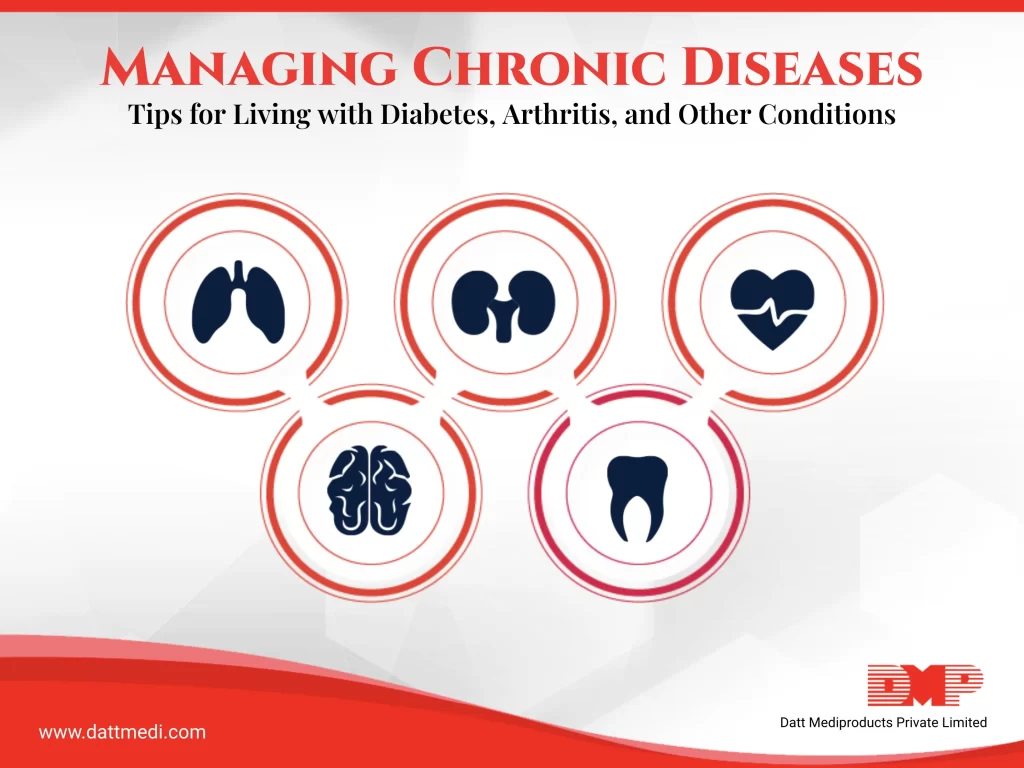
Chronic diseases are conditions that must be managed continuously and have a big effect on a person’s quality of life. Diabetes, rheumatoid arthritis, heart disease, and cancer are a few of the most prevalent chronic illnesses. Although managing these illnesses can be difficult, it is doable with the correct approaches and lifestyle modifications. This blog will cover all aspects of offering helpful guidance for treating various chronic conditions at home. You will know about the preventive measures you need to take to reduce and regulate your condition in a short time.

Chronic diseases are long-term conditions that typically progresses slowly over time and requires ongoing medical attention and management. Unlike acute conditions, which are typically short-term, chronic diseases often require ongoing medical care and lifestyle modifications to prevent complications and improve quality of life. There are many different types of chronic diseases, each with their own unique symptoms, causes, and treatment options.

Here are some of the most common types of chronic diseases:

  • Heart diseases
  • Diabetes
  • Arthritis 
  • Lung cancer
  • Osteoporosis
  • Colorectal cancer
  • Depression 
  • Asthma
  • Type 2 diabetes

Preventive measures you can take at home to regulate chronic diseases

Chronic diseases can significantly impact a person’s quality of life, but with proper management and medical care, it is possible to live well with these conditions. In addition to routine doctor visits, a healthy diet, and prescription medicine, certain efficient preventive actions might help you feel better quickly. 

These tips work with medical attention side-by-side to provide you with more pain relief and improve your daily functionalities. Take a look at the best tips to manage chronic diseases below.

Tip 1: Follow a Healthy Diet

A healthy diet is essential for managing chronic diseases. A balanced diet rich in fruits, vegetables, whole grains, and lean protein can help people manage blood sugar levels, lower the risk of inflammation, and keep a healthy weight.

Tip 2: Stay Active

Regular exercise can help treat, delay, or prevent chronic diseases. Aim for at least 150 minutes each week of physical activity, such as walking or cycling. Moreover, two days of strength-training exercises. Low-impact activities like walking, swimming, and yoga are great options for people with arthritis, while resistance training can help build strength and improve bone health.

Tip 3: Get Enough Sleep

Getting enough sleep is important for overall health and well-being, but it’s especially important for people with chronic diseases. Inflammation, blood sugar levels, and weight growth can all be impacted by sleep deprivation. Set a consistent sleep routine and aim for 7-9 hours of sleep each night.

Tip 4: Manage Stress

Stress can have a significant impact on chronic diseases by increasing inflammation, blood pressure, and blood sugar levels. The ability to manage stress through practises like yoga, deep breathing, or meditation can enhance general well-being and lower the risk of problems from chronic illnesses.

Tip 5: Take care of your Mental Health

Fatigue, body pain, and other prevailing symptoms of chronic illness are often invisible, so others may not always be able to assess their impact. Worrying and thinking adversely about potential circumstances can cause anxiety and stress, which can have an adverse effect on general health. Working on mental health concerns should be done in consultation with a doctor. 

Tip 6: Take Medications as Prescribed

Managing chronic diseases often involves taking medications to control symptoms and prevent complications. It’s critical to follow up frequently to check on the effectiveness of your meds and to take them as directed by your physician. Talk to your doctor or chemist about any side effects or worries.

Living with chronic diseases like diabetes, arthritis, and other conditions can be challenging, but by following these tips, it’s possible to manage them effectively. A healthy diet, regular exercise, adequate sleep, stress management, medication adherence, and staying informed are all key components of managing chronic diseases. By working with healthcare providers, making lifestyle changes, and taking control of your health, you can live a full and active life with chronic diseases.

We advice to stay informed about your condition and its management is essential for living well with chronic diseases. Attend support groups, read reputable sources of information, and ask your healthcare provider any questions you may have. This can help you better understand your condition and how to manage it effectively. Follow us for more such information.

Logo

Datt Mediproducts Private Limited

Loading