

Search by Blog
Read by Category

Your healing journey continues beyond this blog

Find the right products for better recovery at online store
Cart Image

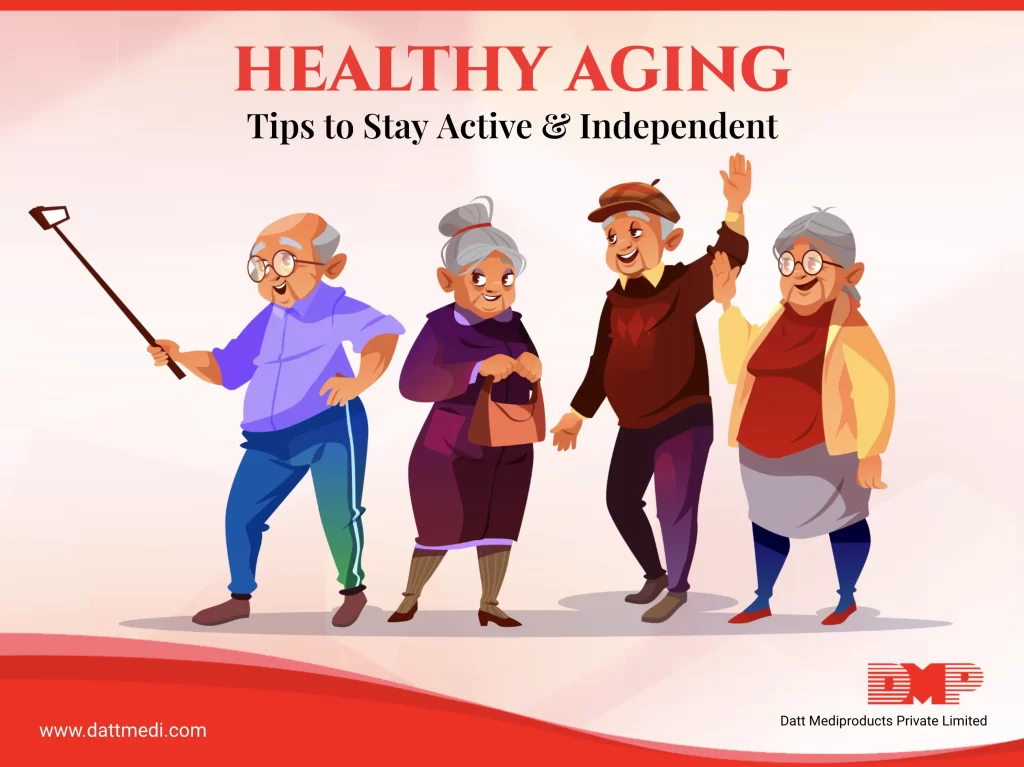
As we age, our bodies undergo several changes that can affect our overall health. These changes include a decrease in muscle mass and bone density, a slower metabolism, and a decline in cognitive function. Additionally, our immune system may weaken, making us more susceptible to infections and illnesses.

However, it’s important to remember that aging doesn’t necessarily mean poor health. By taking care of our bodies and adopting healthy habits, we can age gracefully and maintain our health and independence.

Issues Faced with Aging:

There are several issues that can arise as we age. Some of the most common include:

1. Chronic conditions:

As we age, we are more likely to develop chronic health conditions such as diabetes, arthritis, and heart disease.

2. Mobility issues:

Muscles and joints can become stiff and less flexible with age, which can make it harder to move around.

3. Cognitive decline:

Memory loss and other cognitive changes can occur with age.

4. Social isolation:

Older adults may experience social isolation and loneliness, which can lead to depression and other health problems.

5. Caregiver burden:

Family members or other caregivers may experience stress and burnout when caring for an older adult.

Ways to Overcome in a Healthy Way:

A. Stay active:

Regular exercise can help maintain muscle strength, flexibility, and balance. Try to engage in physical activity for at least 30 minutes a day, five days a week. This could be as simple as taking a walk or doing some light stretching.

B. Eat a healthy diet:

A balanced diet with plenty of fruits, vegetables, whole grains, and lean protein can help maintain overall health. It’s also important to stay hydrated by drinking plenty of water.

C. Keep your mind active:

Engage in activities that challenge your brain, such as reading, doing puzzles, or learning a new skill. This can help maintain cognitive function and prevent memory loss.

D. Stay socially engaged:

Join clubs or groups that interest you, volunteer in your community, or spend time with family and friends. Staying socially engaged can help prevent loneliness and depression.

E. Be proactive about healthcare:

Regular check-ups with your healthcare provider can help detect and treat health problems early on. It’s also important to follow recommended screening guidelines for conditions such as cancer and heart disease.

While it’s important to take care of ourselves as we age, it’s also important to take precautions to prevent falls and other accidents.

Some ways to do this include:

  • Keep your home well-lit and free of clutter.
  • Install grab bars in the bathroom and other areas where you may need extra support.
  • Use assistive devices such as a cane or walker if needed.
  • Wear proper footwear with good support and non-slip soles.
  • Be aware of potential hazards such as uneven sidewalks or slippery floors.

Healthy aging is achievable with the right mindset and healthy habits. By staying active, eating a healthy diet, keeping our minds active, staying socially engaged, and being proactive about healthcare, we can maintain our health and independence as we age.

We advice to take precautions to prevent falls and other accidents, and don’t be afraid to ask for help when needed. With these tips and strategies, we can age gracefully and enjoy a healthy and fulfilling life.

Visit www.dattmedi.com for more infomation.
Share:
Recent Blogs

Safe Alternatives: Choosing Organic and Authentic Foods

In a world in which food selections are abundant, the importance of selecting safe and real options can’t be overstated. The growing concerns about meal adulteration have sparked international communication about the capability risks to our fitness.

In today’s blog post, we’ll explore the significance of opting for wholesome, authentic meals. We’ll shed light on both the nutritional benefits and potential risks associated with conventional food choices.

(more…)

Wound care for seniors

Wound Care for Seniors at Home: Addressing Unique Needs

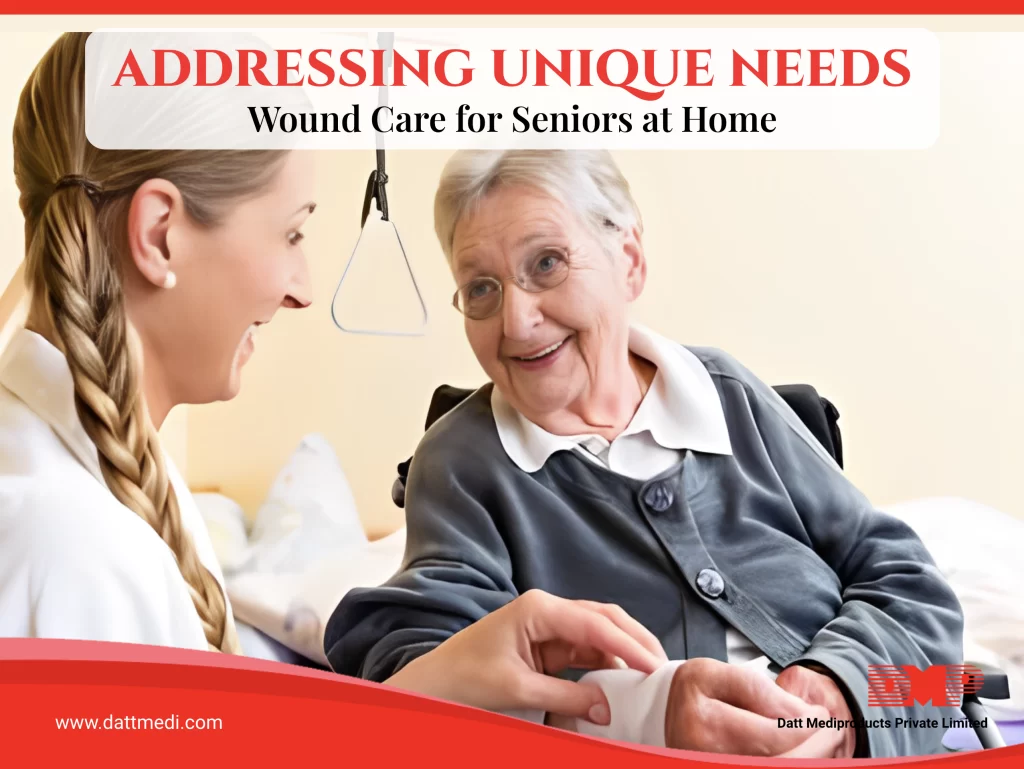
As we age, our bodies undergo various changes, and one aspect that demands special attention is wound healing. Seniors, due to their aging skin, often face challenges in this regard. In this blog post, we’ll delve into the unique needs of wound care for seniors at home, providing insights and recommendations for a more effective and comfortable healing process.

1. Understanding Age-Related Wound Healing

The aging process affects the skin’s ability to heal. Seniors may experience a slower healing process due to factors like reduced collagen production and thinner skin. It’s crucial to comprehend these changes to implement targeted wound care.

2. Mobility and Accessibility Considerations

Seniors might encounter difficulties in accessing wound care supplies. To address this, consider creating a designated and easily accessible area for supplies. This minimizes the challenges related to mobility, ensuring that seniors can conveniently reach essential items for dressing changes.

3. Sensitive Skin and Wound Care Products

Seniors often have sensitive skin that requires special attention. Opt for hypoallergenic and non-irritating wound care products. This choice not only promotes healing but also prevents additional discomfort for seniors with delicate skin.

4. Regular Monitoring and Assistance

Regular monitoring of wounds is crucial. Encourage caregivers or family members to play an active role in this process. Timely detection of any changes can help prevent complications and ensure a smooth healing journey for seniors.

5. Pain Management and Comfort

Managing pain effectively is paramount for seniors. Recommend suitable pain relief methods and medications appropriate for their age group. Ensuring comfort during the healing process contributes significantly to overall well-being.

6. Preventing Complications and Infections

Prevention is key to avoiding complications, especially infections. Educate seniors on the signs of infection and stress the importance of seeking immediate medical attention if any concerns arise. A proactive approach significantly reduces the risk of complications.

7. Communication with Healthcare Providers

Encourage open communication between seniors and their healthcare providers. Stress the importance of reporting any changes or concerns promptly. A collaborative effort between seniors, caregivers, and healthcare professionals ensures a comprehensive and personalized approach to wound care.

Therefore, addressing the unique needs of wound care for seniors at home involves a multifaceted approach. Understanding age-related changes, considering mobility challenges, using gentle products, regular monitoring, effective pain management, preventive measures, and open communication are key elements in promoting optimal healing for seniors.

Logo

Datt Mediproducts Private Limited

Loading