
Search by Blog
Read by Category

Your healing journey continues beyond this blog

Find the right products for better recovery at online store
Cart Image
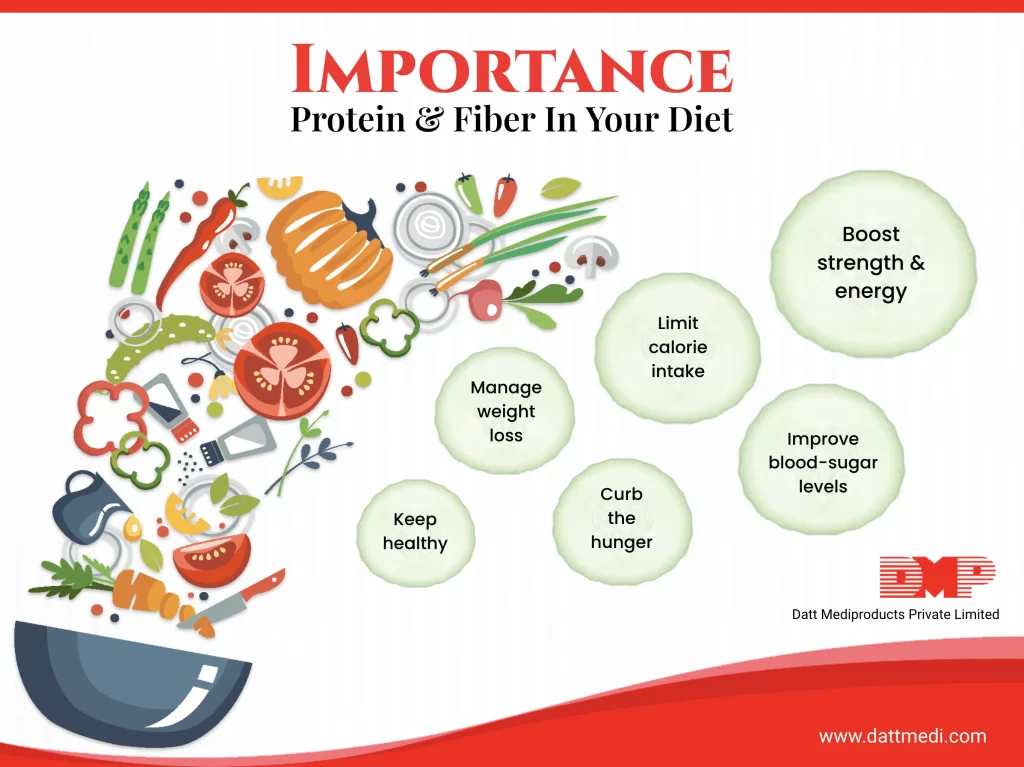
Importance of Protein & Fibers

Proteins are considered as the building blocks of the human body. There are several healthy reasons to make sure that we get enough protein in our diet. Protein sources include eggs, poultry, lean meat, seafood, soy products, seeds, etc.

Dairy products are also a good source of protein.

Let us discuss the goodness of PROTEIN for our bodies.

Protein Helps Build:
Protein is an integral part of building bones, muscles, cartilage, and skin. Protein helps in the formation of new cells, tissues, and other body chemicals. As a matter of fact, human hair and nails are also composed mostly of protein.

Protein Helps Repair:
The human body uses protein to build and repair tissues.

Protein Oxygenates:
The protein compound present in human RBCs helps to carry oxygen to the entire body, thereby also supplying nutrients required by cells and tissues.

Protein Helps Digest:
The protein we consume in our diets acts as a building block of enzymes that aid in digestion and boosts metabolism. Protein helps in the formation of new cells, tissues, and other body chemicals.

Consuming more proteins in our diet helps in losing fat and maintaining muscle mass. Protein thereby helps in weight management while supplying the right nutrients to our cells.

Protein Helps Regulate:
Protein regulates hormones especially during the transformation and development of cells during the puberty period.

Do you know our body uses extra protein for energy!
The dietary protein from plant sources provides fiber along with other health-promoting nutrients. Fiber and Protein maintain satiety level and keeps us full longer.

Let’s discuss the goodness of fiber for our bodies.

FIBERS are an essential ingredient of a healthy diet. They are best known for their ability to prevent and relieve constipation. Dietary fibers are mainly found in fruits, vegetables, legumes, and whole grains. It is often difficult to find tasty foods that contain fibers.

Let us discuss the goodness of FIBER for our bodies.

Fiber helps in Bowel Movement:
Dietary fiber softens your stool and increases its weight, making it easier to pass through the colon, thereby reducing constipation. On the other hand, fiber also adds bulk to the stool and solidifies it in diarrhea cases.

Fiber controls Blood Sugar Levels:
The soluble fibers reduce the rate of sugar absorption, thereby improves blood sugar levels. The sugar present in food rich in fiber is absorbed slower, because of which the blood glucose levels rise at a slower pace. This is good because a sudden increase in glucose levels also falls rapidly making you feel hungry very soon thereby resulting in overeating.

Fiber lowers Cholesterol Levels:
The soluble fibers present in oats, flaxseeds, and beans help lower low-density lipoprotein, or “bad,” cholesterol levels, ultimately total blood cholesterol levels.

Fiber Cleanses the Colon:
Fibers act like a scrub brush to clean out bacteria and other build-ups from the intestines and very likely to reduce the risk of colorectal cancer.

Do you know that fibers are not digested in our body, instead pass relatively intact through your stomach, small intestine, and colon and out of our body!

TIP: Drink plenty of water. A high fiber diet acts best when it absorbs water. Otherwise, too much of it may lead to abdominal bloating, cramps, and intestinal gas.

Follow us @Dattmediproducts to know more about good food choices to make.
Visit www.dattmedi.com for more infomation.
Share:
Recent Blogs

Chronic diseases are conditions that must be managed continuously and have a big effect on a person’s quality of life. Diabetes, rheumatoid arthritis, heart disease, and cancer are a few of the most prevalent chronic illnesses. Although managing these illnesses can be difficult, it is doable with the correct approaches and lifestyle modifications. This blog will cover all aspects of offering helpful guidance for treating various chronic conditions at home. You will know about the preventive measures you need to take to reduce and regulate your condition in a short time.

Chronic diseases are long-term conditions that typically progresses slowly over time and requires ongoing medical attention and management. Unlike acute conditions, which are typically short-term, chronic diseases often require ongoing medical care and lifestyle modifications to prevent complications and improve quality of life. There are many different types of chronic diseases, each with their own unique symptoms, causes, and treatment options.

Here are some of the most common types of chronic diseases:

  • Heart diseases
  • Diabetes
  • Arthritis 
  • Lung cancer
  • Osteoporosis
  • Colorectal cancer
  • Depression 
  • Asthma
  • Type 2 diabetes

Preventive measures you can take at home to regulate chronic diseases

Chronic diseases can significantly impact a person’s quality of life, but with proper management and medical care, it is possible to live well with these conditions. In addition to routine doctor visits, a healthy diet, and prescription medicine, certain efficient preventive actions might help you feel better quickly. 

These tips work with medical attention side-by-side to provide you with more pain relief and improve your daily functionalities. Take a look at the best tips to manage chronic diseases below.

Tip 1: Follow a Healthy Diet

A healthy diet is essential for managing chronic diseases. A balanced diet rich in fruits, vegetables, whole grains, and lean protein can help people manage blood sugar levels, lower the risk of inflammation, and keep a healthy weight.

Tip 2: Stay Active

Regular exercise can help treat, delay, or prevent chronic diseases. Aim for at least 150 minutes each week of physical activity, such as walking or cycling. Moreover, two days of strength-training exercises. Low-impact activities like walking, swimming, and yoga are great options for people with arthritis, while resistance training can help build strength and improve bone health.

Tip 3: Get Enough Sleep

Getting enough sleep is important for overall health and well-being, but it’s especially important for people with chronic diseases. Inflammation, blood sugar levels, and weight growth can all be impacted by sleep deprivation. Set a consistent sleep routine and aim for 7-9 hours of sleep each night.

Tip 4: Manage Stress

Stress can have a significant impact on chronic diseases by increasing inflammation, blood pressure, and blood sugar levels. The ability to manage stress through practises like yoga, deep breathing, or meditation can enhance general well-being and lower the risk of problems from chronic illnesses.

Tip 5: Take care of your Mental Health

Fatigue, body pain, and other prevailing symptoms of chronic illness are often invisible, so others may not always be able to assess their impact. Worrying and thinking adversely about potential circumstances can cause anxiety and stress, which can have an adverse effect on general health. Working on mental health concerns should be done in consultation with a doctor. 

Tip 6: Take Medications as Prescribed

Managing chronic diseases often involves taking medications to control symptoms and prevent complications. It’s critical to follow up frequently to check on the effectiveness of your meds and to take them as directed by your physician. Talk to your doctor or chemist about any side effects or worries.

Living with chronic diseases like diabetes, arthritis, and other conditions can be challenging, but by following these tips, it’s possible to manage them effectively. A healthy diet, regular exercise, adequate sleep, stress management, medication adherence, and staying informed are all key components of managing chronic diseases. By working with healthcare providers, making lifestyle changes, and taking control of your health, you can live a full and active life with chronic diseases.

We advice to stay informed about your condition and its management is essential for living well with chronic diseases. Attend support groups, read reputable sources of information, and ask your healthcare provider any questions you may have. This can help you better understand your condition and how to manage it effectively. Follow us for more such information.

DOWN SYNDROME Breaking Down Barriers

Down Syndrome, also called Trisomy 21, is a genetic condition in which a person has an extra
chromosome. This leads to physical and intellectual disabilities and certain other associated medical issues among children such as hearing loss, obstructive sleep apnea, ear infections, eye diseases or heart defects.

Even though people with Down Syndrome may act or look similar, they have varying degrees of abilities. Their IQ range from mild to moderate and they usually speak slower than normal children. There is no known cause of Down Syndrome. However, with the right support and opportunities, people with Down Syndrome can lead happy and fulfilling lives.

(more…)
Logo

Datt Mediproducts Private Limited

Loading