
Discover Informative Blogs
on Healthcare Solutions

Discover Informative Blogs
on Healthcare Solutions

Author: Ruchita Datt

Search by Blog
Read by Category

Your healing journey continues beyond this blog

Find the right products for better recovery at online store
Cart Image
Gentle knee exercise for mild arthritis

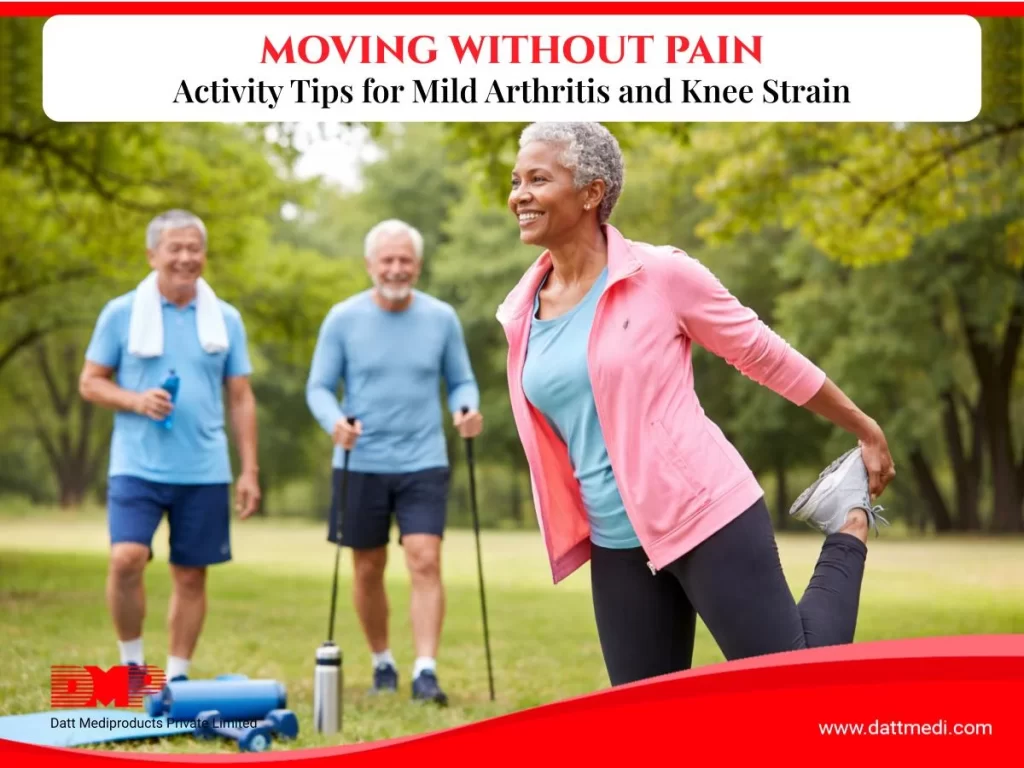
Avoiding movement because of mild arthritis or knee strain usually backfires — it leads to more stiffness, not less. The safer path is choosing joint-friendly, low-impact activity and adding support where it genuinely helps.

Many people assume rest is always the right answer for joint pain. But joints depend on regular movement to stay flexible and well-lubricated. Inactivity tends to weaken the surrounding muscles, which puts more pressure on the joint itself — not less.

This blog breaks down what actually helps, what to avoid, and how to build a routine that keeps you moving safely.

Rest vs Movement: What Is Actually Different?

Both approaches feel intuitive when a joint hurts, but they lead to very different long-term outcomes. The key difference is what each one does to the muscles and tissue surrounding the knee over time.

FactorProlonged RestGentle, Regular Movement
Effect on stiffnessIncreases stiffness over timeReduces stiffness after periods of rest
Effect on muscle strengthWeakens supporting musclesStrengthens muscles that support the knee
Effect on joint lubricationReduces natural lubricationKeeps the joint lubricated
Effect on pressure through the jointIndirectly increases pressure (via weaker muscles)Reduces pressure by sharing load with stronger muscles
Prolonged rest may be appropriate during acute flare-ups or when recommended as part of clinician-directed recovery. For day-to-day management of mild arthritis or knee strain, gentle, regular movement is generally more suitable.

However, both approaches can have drawbacks when overdone. Too much rest can contribute to long-term mobility loss, and on the other hand  exercising at too high an intensity that the body is not ready for can aggravate pain.

Why Movement Matters for Joint Health

Gentle, regular movement keeps the joint lubricated, keeps the muscles around it strong, and actually reduces stiffness — the opposite of what many people expect.

Gentle, regular movement can help:

  • Improve joint flexibility
  •  Strengthen the muscles that support the knee 
  • Reduce stiffness after periods of rest 
  • Support overall mobility

Low-Impact Exercises That Are Easier on the Knees 

Which to Choose

Walking, swimming, and cycling are the three most commonly recommended options because they build strength and mobility without the sudden impact that aggravates joint pain.

ActivityImpact LevelBest ForKey Benefit
WalkingLowDaily movement, circulation, beginnersSimple, accessible, supports circulation without jarring the joint
Swimming / water aerobicsVery lowSignificant pain, higher body weight, flare-upsWater supports body weight, letting you move with far less strain
Cycling (stationary or smooth terrain)LowBuilding quadriceps and hamstring strengthControlled, repetitive motion strengthens muscles without impact

Walking
On flat, stable surfaces, walking is one of the simplest ways to stay active and supports circulation in the legs without jarring the joint. 

Swimming or water exercise
Water supports your body weight, so swimming and water aerobics let you move comfortably with far less strain on the knees than land-based exercise. 

Cycling
A stationary bike or smooth terrain lets you strengthen the muscles around the knee through controlled, repetitive motion, without impact.

Do Knee Supports Actually Help During Activity?

Yes, as an aid; not a replacement for strengthening. 
Knee sleeves and braces add mild compression and stability,
which can make movement feel safer and more comfortable, especially early on.

Supports may help by:

Providing mild compression around the joint Adding extra stability during movement Increasing confidence while walking or exercising. Options like Knee Cap® or Knee Cap Classic® offer light, breathable compression suited for daily activity.

However, knee supports should not become a long-term substitute for strengthening the muscles around the joint. Over-reliance on external supports may reduce how much the muscles have to work, which can contribute to weakness over time. As strength and stability improve, it may be appropriate to reduce or stop using the support, depending on individual needs and professional guidance.

Strengthening the Muscles Around the Knee

Stronger muscles around the knee take pressure off the joint itself. This is one of the most effective long-term ways to reduce strain, more so than rest alone.

After getting professional guidance, useful exercises often include:

  1. Gentle resistance exercises for the quadriceps Light hamstring strengthening Controlled stretching for flexibility
  2. If you’re recovering from an actual strain rather than general stiffness, the difference in approach matters.
  3. Related reading: Muscle Strains: Causes and Effective Recovery Strategies
  4. Arthritis specifically carries its own considerations for compression and activity level.

Lifestyle Habits That Support Joint Health

Body weight, footwear, and seating all affect how much daily pressure lands on your knees — small adjustments here reduce strain without any exercise involved.

Helpful adjustments:

  • Maintaining a healthy body weight
  • Wearing supportive footwear 
  • Choosing chairs with proper back and leg support
  • Pacing activity and taking breaks when needed
For added support during activity, compression bandages are sometimes used to manage strain, and tapes and adhesive supports can help with dressing security if there's any accompanying skin sensitivity or minor injury.

When to Scale Back and Check In With a Professional

  • Movement should feel manageable, not punishing. Some signals mean it’s time to pause and get guidance rather than push through.
  • Pain increases noticeably during or after activity 
  • Swelling develops or worsens 
  • Movement becomes noticeably more difficult than usual
  • The knee feels unstable or gives way

Physiotherapists can build a personalised activity plan that supports recovery without overloading the joint.

Staying Active Safely

Staying active with mild arthritis or knee strain isn’t about avoiding movement, it’s about choosing the right kind. Low-impact exercise, appropriate support, and a few lifestyle adjustments let most people keep moving comfortably while protecting long-term joint health.
Venous Health and Compression Therapy

Understanding Venous Insufficiency: The Role of Compression in Managing Symptoms

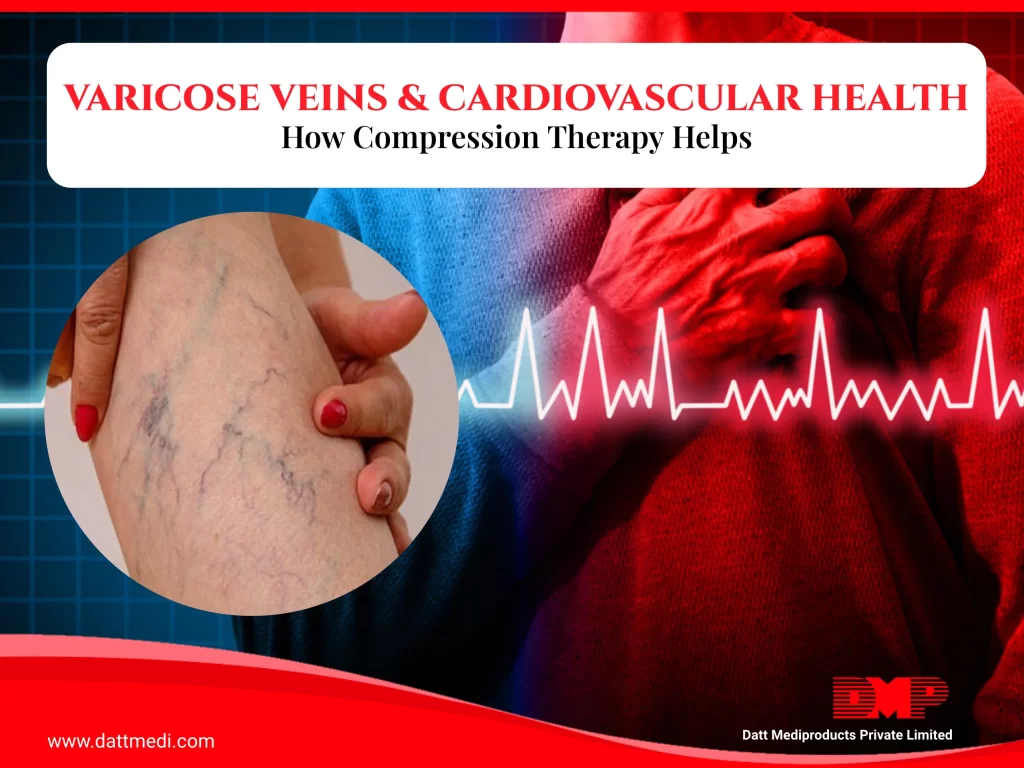
World Heart Day, observed annually on September 29, focuses on promoting cardiovascular health worldwide. An essential but often overlooked aspect of cardiovascular wellness is venous health, which plays a critical role in overall circulation and mobility. 

Compression therapy has emerged as a cornerstone in managing venous insufficiency and related disorders, offering effective support for improved circulation and symptom relief.

Understanding Venous Insufficiency and Varicose Veins

1. Venous Insufficiency:

This condition arises when the veins, especially in the lower limbs, fail to efficiently return blood to the heart. It results in blood pooling, leading to symptoms such as leg swelling, heaviness, pain, and fatigue. Normally one-way valves or muscles pump blood back to the hear, but in venous insufficiency the valves are weakened or damaged causing blood to flow backwards or pool in the legs.

2. Varicose Veins:

This is one of the by products of venous insufficiency. Caused by weakened vein walls and malfunctioning valves, varicose veins are dilated, twisted veins visible under the skin surface. These can cause discomfort, skin changes, and increase the risk of ulcers if left unmanaged.

Role of Compression Therapy in Venous Health

Compression therapy applies controlled, graduated pressure to the legs, enhancing venous return by supporting vein walls and valves. This mechanical assistance:

  • Improves blood flow velocity
  • Reduces venous pressure and pooling
  • Minimizes edema (swelling) and associated discomfort and pain
  • Improves micro circulation in tiny blood vessels which is crucial for tissue oxygenation and healing 

Benefits of Compression Therapy for Cardiovascular Health

  • Enhanced Circulation: Promotes efficient blood return to the heart, thereby reducing risks of deep vein thrombosis (DVT) and venous stasis.
  • Symptom Management: Compression alleviates pain, swelling, and skin changes, improving patient mobility and quality of life.
  • Post-Surgical Recovery: Compression therapy accelerates healing after vein surgery or injury by controlling inflammation and supporting tissue repair.

Scientific Backing and Clinical Guidelines

Multiple clinical studies and guidelines from vascular health authorities endorse the use of compression therapy as a first-line, evidence-based treatment for venous insufficiency and related conditions. 

Compression products that deliver consistent and graduated pressure are shown to significantly reduce recurrence rates of venous ulcers and improve functional outcomes.

How DMP Supports Your Venous Care Needs

At DMP, we provide a comprehensive portfolio of premium compression therapy products tailored to address diverse clinical requirements and patient needs. Our offerings are designed to support effective venous health management with a focus on comfort, durability, and therapeutic efficacy.

Velcare® Varicose Vein Stocking:

Engineered for superior comfort and long-lasting durability, these stockings are available in multiple compression classes to suit varying degrees of venous insufficiency and post-operative care. Velcare® is ideal for daily use, providing reliable support to alleviate symptoms associated with chronic venous conditions.

Velkomp® Compression Bandage:

Designed to deliver firm, adjustable compression, Velkomp® is recommended for managing post-injury recovery and chronic venous disorders. These inelastic, non-stretch bandages offer higher compression levels essential for controlling edema and supporting healing in cases of venous ulcers and lymphedema.

All our products are manufactured under strict quality controls and comply with international standards, including ISO 13485 and CE certification, ensuring consistent safety, reliability, and clinical effectiveness.

Venous health plays a pivotal role in overall cardiovascular wellness, making effective management essential to prevent complications and enhance quality of life. 

Incorporating compression therapy into patient care protocols is a proven strategy that delivers measurable benefits, from symptom relief to accelerated recovery.

On this World Heart Day, we reaffirm our commitment to supporting healthcare professionals and patients with advanced compression solutions that align with the highest standards of care. 

Early intervention and sustained management with DMP’s trusted products can significantly improve venous circulation and long-term cardiovascular health outcomes.

Allergies are a common health issue that affect a significant portion of the population worldwide. Allergies are a hypersensitive reaction of the immune system to an otherwise harmless substance, which is known as an allergen. The allergen can be any substance that triggers an allergic reaction in the body, such as pollen, dust, food, or animal dander.

Allergies are caused due to the abnormal response of the immune system, which mistakes a harmless substance for a harmful invader and initiates a defence mechanism, called antibodies, to protect the body from it. This results in various allergic reactions, such as skin rashes, itching, sneezing, watery eyes, and in severe cases, anaphylaxis.

There are various reasons behind the occurrence of allergies. Genetics plays a significant role in determining an individual’s likelihood of developing allergies. Environmental factors such as exposure to pollution, chemicals, and toxins can also trigger allergies.

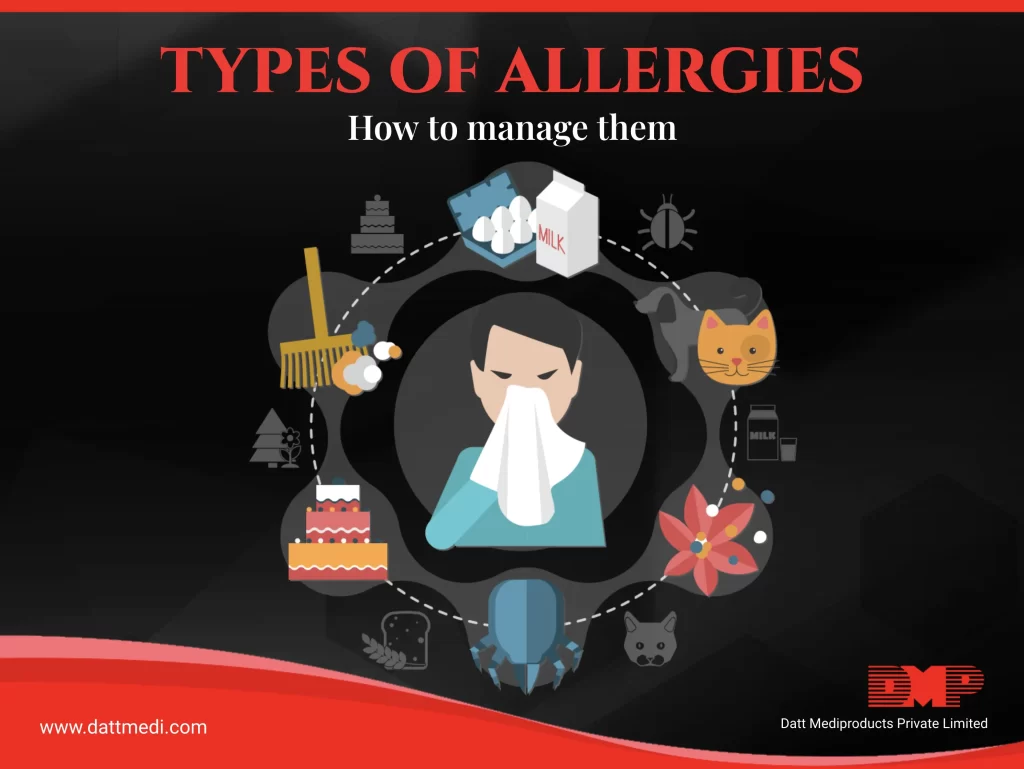
There are several different types of allergies, each with their unique symptoms and triggers.

Some of the most common types of allergies include:

1. Respiratory allergies:

These allergies are triggered by airborne allergens such as pollen, dust mites, and animal dander. The symptoms of respiratory allergies include sneezing, coughing, and wheezing.

2. Food allergies:

These allergies occur when the immune system reacts to certain foods, such as nuts, shellfish, and eggs. Symptoms of food allergies can range from mild itching, tingling in the mouth, hives, swelling of the lips, tongue, face or throat to more severe life-threatening anaphylaxis.

3. Skin allergies:

These allergies occur when the skin comes into contact with an allergen, such as certain fabrics, metals, or cosmetics. The symptoms of skin allergies include rashes, itching, and swelling.

4. Insect allergies:

These allergies occur when an individual is bitten or stung by an insect, such as bees or mosquitoes. The symptoms of insect allergies can range from mild itching to severe anaphylaxis.

5. Medicine allergies:

Medicine allergies are hypersensitive reactions of the immune system to certain medications. They can cause symptoms like skin rashes, itching, swelling, and in severe cases, difficulty breathing or anaphylaxis. It is important to communicate medicine allergies to healthcare providers to ensure safe and effective treatment.

Precautionary methods can be taken to manage allergies. Firstly, it is crucial to identify the allergen that triggers the allergic reaction. This can be done through various tests such as skin tests or blood tests. Once the allergen is identified, it is essential to avoid exposure to it. For example, individuals with food allergies must avoid eating the allergen-containing food.

Similarly, those with respiratory allergies must avoid exposure to airborne allergens, such as pollen or animal dander. If a person has a known severe allergy then they can also wear a medical alert bracelet, which lets others know that you have a serious allergy incase they are unable to communicate it.

Medications such as antihistamines, decongestants, and corticosteroids can be used to manage allergy symptoms. In severe cases, epinephrine injections may be required to manage anaphylaxis.

In addition to medication, several lifestyle changes can also help manage allergies. One of the most important being to try to reduce stress levels. While stress can’t trigger an allergic reaction it can make it worse if you are having one. When in stress your body releases hormones including histamine, which is a powerful chemical that leads to allergy symptoms thus making the reaction worse.

Allergies can significantly impact the lives of those who suffer from them. However, with proper management, it is possible to reduce the severity of allergy symptoms. If you suspect that you have an allergy, it is important to seek medical advice and get a proper diagnosis.

We advice to follow precautionary methods and working with a healthcare professional, that can help you manage allergies and improve your quality of life. Follow us for more such information.

Chronic diseases are conditions that must be managed continuously and have a big effect on a person’s quality of life. Diabetes, rheumatoid arthritis, heart disease, and cancer are a few of the most prevalent chronic illnesses. Although managing these illnesses can be difficult, it is doable with the correct approaches and lifestyle modifications. This blog will cover all aspects of offering helpful guidance for treating various chronic conditions at home. You will know about the preventive measures you need to take to reduce and regulate your condition in a short time.

Chronic diseases are long-term conditions that typically progresses slowly over time and requires ongoing medical attention and management. Unlike acute conditions, which are typically short-term, chronic diseases often require ongoing medical care and lifestyle modifications to prevent complications and improve quality of life. There are many different types of chronic diseases, each with their own unique symptoms, causes, and treatment options.

Here are some of the most common types of chronic diseases:

  • Heart diseases
  • Diabetes
  • Arthritis 
  • Lung cancer
  • Osteoporosis
  • Colorectal cancer
  • Depression 
  • Asthma
  • Type 2 diabetes

Preventive measures you can take at home to regulate chronic diseases

Chronic diseases can significantly impact a person’s quality of life, but with proper management and medical care, it is possible to live well with these conditions. In addition to routine doctor visits, a healthy diet, and prescription medicine, certain efficient preventive actions might help you feel better quickly. 

These tips work with medical attention side-by-side to provide you with more pain relief and improve your daily functionalities. Take a look at the best tips to manage chronic diseases below.

Tip 1: Follow a Healthy Diet

A healthy diet is essential for managing chronic diseases. A balanced diet rich in fruits, vegetables, whole grains, and lean protein can help people manage blood sugar levels, lower the risk of inflammation, and keep a healthy weight.

Tip 2: Stay Active

Regular exercise can help treat, delay, or prevent chronic diseases. Aim for at least 150 minutes each week of physical activity, such as walking or cycling. Moreover, two days of strength-training exercises. Low-impact activities like walking, swimming, and yoga are great options for people with arthritis, while resistance training can help build strength and improve bone health.

Tip 3: Get Enough Sleep

Getting enough sleep is important for overall health and well-being, but it’s especially important for people with chronic diseases. Inflammation, blood sugar levels, and weight growth can all be impacted by sleep deprivation. Set a consistent sleep routine and aim for 7-9 hours of sleep each night.

Tip 4: Manage Stress

Stress can have a significant impact on chronic diseases by increasing inflammation, blood pressure, and blood sugar levels. The ability to manage stress through practises like yoga, deep breathing, or meditation can enhance general well-being and lower the risk of problems from chronic illnesses.

Tip 5: Take care of your Mental Health

Fatigue, body pain, and other prevailing symptoms of chronic illness are often invisible, so others may not always be able to assess their impact. Worrying and thinking adversely about potential circumstances can cause anxiety and stress, which can have an adverse effect on general health. Working on mental health concerns should be done in consultation with a doctor. 

Tip 6: Take Medications as Prescribed

Managing chronic diseases often involves taking medications to control symptoms and prevent complications. It’s critical to follow up frequently to check on the effectiveness of your meds and to take them as directed by your physician. Talk to your doctor or chemist about any side effects or worries.

Living with chronic diseases like diabetes, arthritis, and other conditions can be challenging, but by following these tips, it’s possible to manage them effectively. A healthy diet, regular exercise, adequate sleep, stress management, medication adherence, and staying informed are all key components of managing chronic diseases. By working with healthcare providers, making lifestyle changes, and taking control of your health, you can live a full and active life with chronic diseases.

We advice to stay informed about your condition and its management is essential for living well with chronic diseases. Attend support groups, read reputable sources of information, and ask your healthcare provider any questions you may have. This can help you better understand your condition and how to manage it effectively. Follow us for more such information.

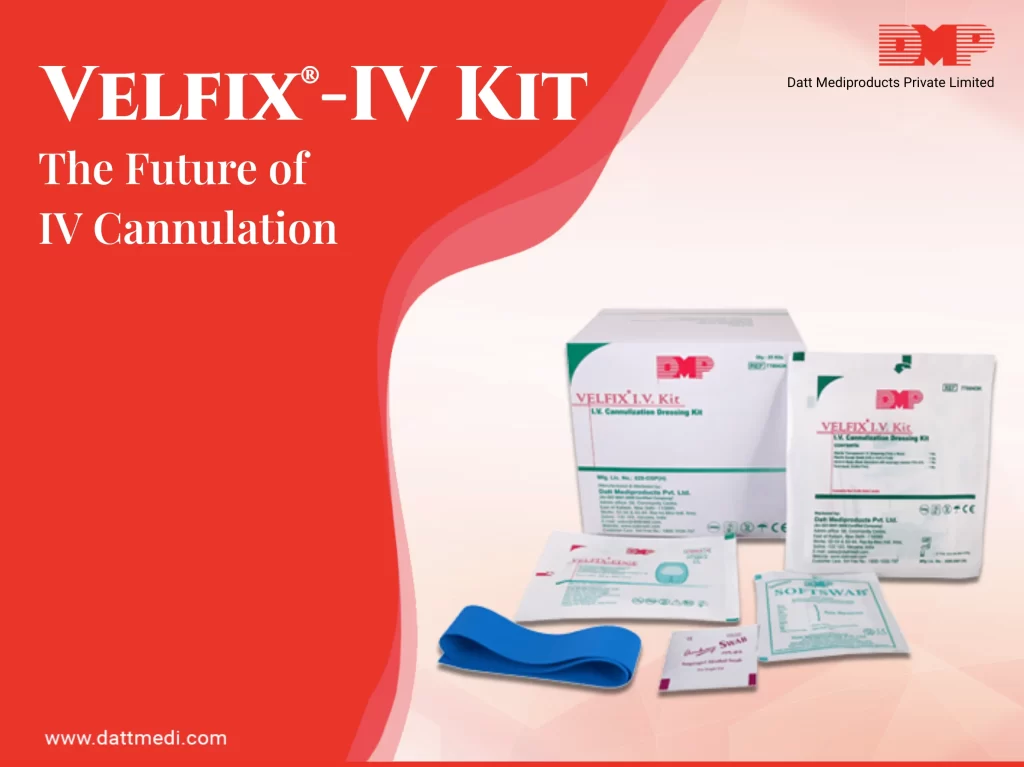
The Future of IV Cannulation Velfix® IV Kit

Vascular access in surgical settings is virtually indispensable. The intravenous administration of fluids, medications, blood products and parenteral nutrition, whether peripherally or centrally, is a routine practice in healthcare setups.

The same has been documented in several medical journals such as The American Journal of Epidemiology and the Annals of Pharmacotherapy. According to which, up to 80% of hospitalised patients in recent medical practice receive intravenous therapy while they are admitted.
(more…)
Five Easy Health Hacks for Respiratory Care

The human respiratory system brings oxygen into the entire body and removes carbon dioxide. Problems with your respiratory system can reduce the amount of oxygen reaching your lungs, which can make you unwell. A study published in the journal PlosONE, shows that our lungs are ageing faster than our bodies.

There are certain ways to undo this effect such as following a healthy diet, exercising regularly, avoid smoking, cleaner environment. These ways also help towards increasing the stamina and capacity of your lungs. 

(more…)

Logo

Datt Mediproducts Private Limited

Loading
Buy Now Contact Us