

Search by Blog
Read by Category

Your healing journey continues beyond this blog

Find the right products for better recovery at online store
Cart Image
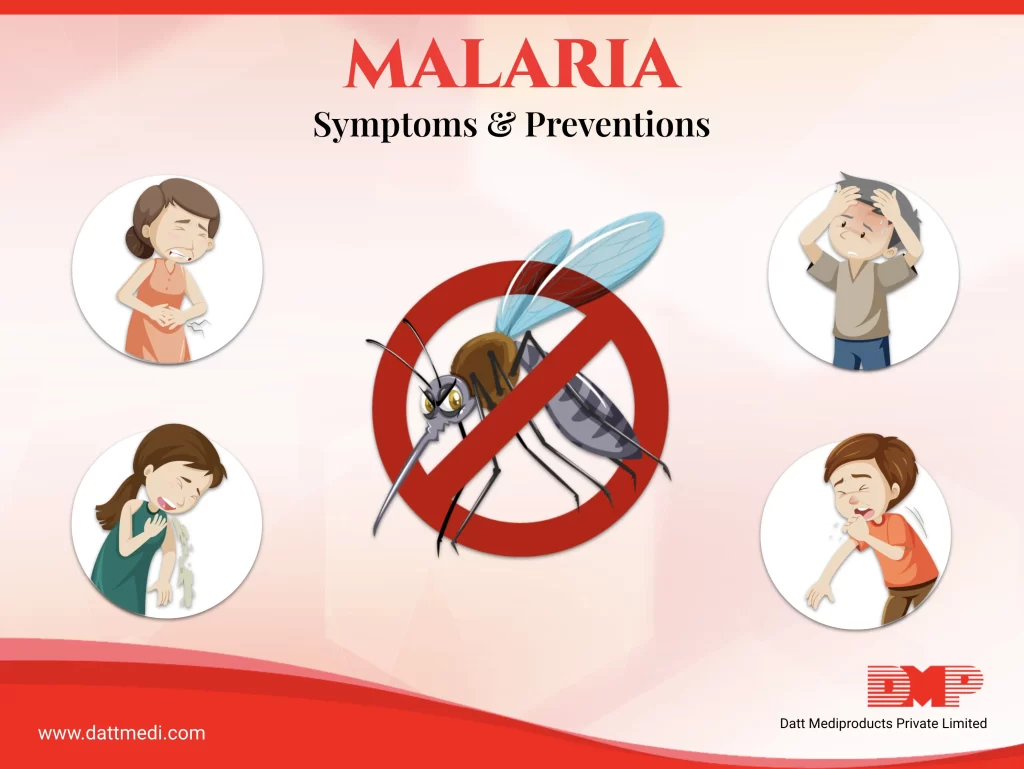
“MALARIA” – A Global Burden

The Disease “Malaria”

Malaria is a parasitic infection that results in a variety of symptoms ranging from no symptoms to mild to severe disease and even death. Ordinarily, malaria is a curable disease if it is diagnosed at an early stage and proper treatment is provided to the sufferer.

In our last blog “Stay Safe from the Monsoon Diseases”, we reviewed the distinctive characteristics of Malaria in addition to its differences from Dengue. We also considered its complications and treatment method in brief.

In this blog, we are going to discuss the preventive measures of the disease.

The Disease Prevention

Controlling Malaria is difficult because of the adaptable nature of the vector and parasites. Prevention is an important component in the control of Malaria spread. Malaria prevention can be aimed at either preventing the disease (suppression) or by preventing infection with the parasite.

Chemoprophylaxis: While research is ongoing for the development of malaria vaccines, there is no drug available at present. However, chemoprophylaxis is one of the preventive measures which can be chosen by the travelers of malaria-endemic countries. The choice of drugs may depend upon the age of the traveler, pregnancy status, travel destination, seasonality of transmission, duration of exposure to vectors, and parasitic resistance pattern.

– While these prophylactic antimalarial drugs do not prevent infection through mosquito bites, they prevent the development of parasites in the blood.

– Pregnant women are one of the most vulnerable groups and may receive antimalarial drugs during the second/third trimesters of pregnancy on being advised by their doctors only. This is called as “Intermittent Preventive Treatment” (IPT).

Personal Protective Measures: The other complementary measure on which malaria prevention is currently based is the following personal protective measure against mosquito bites. The causing organism Anophelesmosquitoes mostly feed at night, thereby its transmission also occurs at night.

– Follow personal protective measures like using bed nets which may be insecticide-treated, wearing full clothes covering almost entire body parts.

Another protective measure that everyone can follow is using insect repellents on exposed skin areas.

However, the choice of repellents can be done based on the composition concentration as per the age of the users.

Preventing Infection: Malaria infection can be prevented when we prevent bites from malaria-carrying Anopheles This must be done indoors and outdoors too.

Mosquito Control: This can be done by reducing the contact of mosquitoes with humans, destruction of vector’s larvae by the use of larvicides or predators, and destroying the adult vectors by using insecticides.

While steps are being taken to fully eliminate malaria, it would require eradication. Although eradication is desired by the most, it is an unrealistic goal for the countries where malaria is endemic.

We @ Datt Mediproducts recommend using mosquito repellents as instructed on specific product labels and wearing long-sleeved tops/shirts with long trousers to avoid skin exposure and using mosquito nets while sleeping.
Small measures could be of great importance in controlling and preventing this disease.
Visit www.dattmedi.com for more infomation.
Share:
Recent Blogs
Global Obesity Epidemi

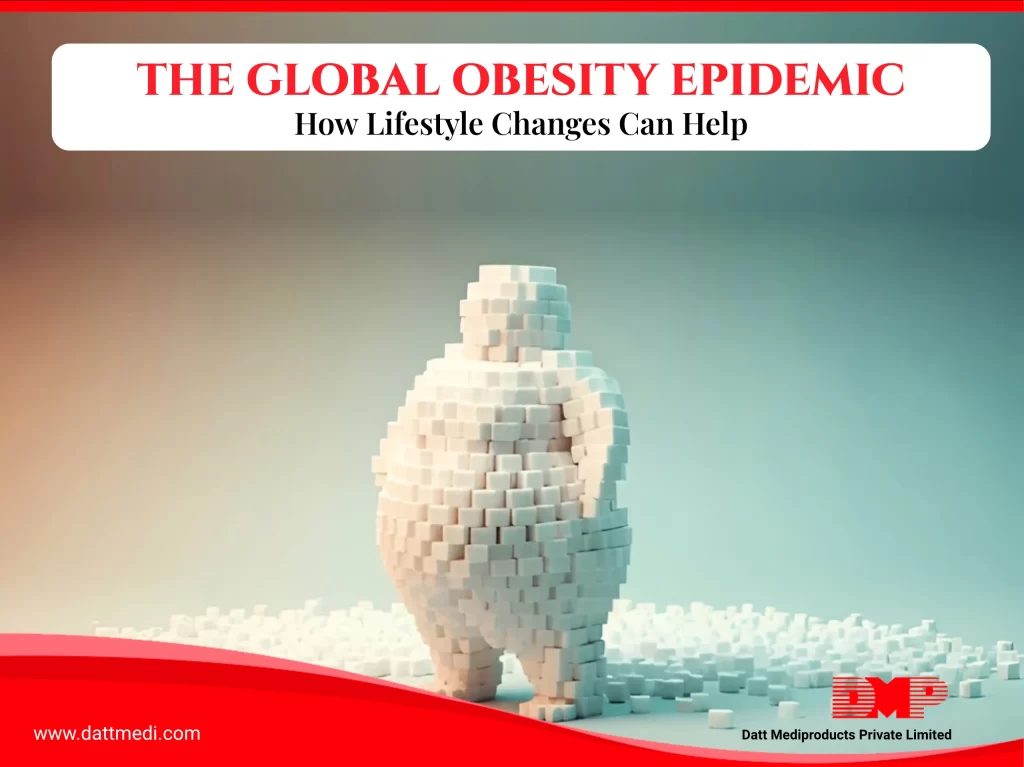
The Global Obesity Epidemic: How Lifestyle Changes Can Help

Obesity is a growing global health crisis, affecting millions worldwide and leading to severe health, economic, and social consequences. However, adopting sustainable lifestyle changes—such as balanced nutrition, regular exercise, and better sleep habits—can significantly improve health and aid in weight management.

Understanding the Scope of Obesity

According to the World Health Organization (WHO), over 1.9 billion adults were overweight in 2016, with 650 million classified as obese. Obesity affects both high-income and developing nations, driven by factors such as sedentary lifestyles, urbanization, increased consumption of highly processed foods, and genetic predisposition.

Obesity also significantly increases the risk of chronic diseases, including type 2 diabetes, hypertension, and cardiovascular conditions. Additionally, it negatively impacts mental health, contributing to anxiety, depression, and low self-esteem. Healthcare systems worldwide face immense economic burdens due to obesity-related illnesses, emphasizing the need for effective preventive measures.

Nutrition: The Foundation of Healthy Weight Management

A balanced, nutrient-rich diet is essential for maintaining a healthy weight. Ideally, meals should consist of:

  • 50% vegetables,
  • 25% lean proteins,
  • 25% whole grains

This combination ensures optimal nutrition and satiety.

Key Diet Tips to Improve Your Lifestyle

  • Prioritize Whole, Unprocessed Foods: Opt for fresh vegetables, lean meats, whole grains, and healthy fats instead of ultra-processed foods that contain added sugars and preservatives.
  • Eat Protein at Every Meal: Helps with muscle retention, metabolism, and satiety.
  • Hydration is Key: Drinking enough water aids digestion, boosts metabolism, and prevents overeating.
  • Reduce Sugary Drinks and Alcohol: These contribute significantly to weight gain and metabolic issues.

Foods to Avoid for Better Health

  • Highly Processed Foods – Chips, instant noodles, sugary cereals
  • Excess Sugar – Soda, candy, high-sugar yogurts
  • Trans Fats & Hydrogenated Oils – Found in fried and packaged foods
  • Artificial Sweeteners & Additives – May disrupt gut health and increase cravings
Pro Tip: Eating fiber and protein before carbohydrates can significantly reduce post-meal blood sugar spikes, improving metabolic health.

Small Changes, Big Impact

Regular physical activity is essential for maintaining a healthy weight and improving overall well-being. The WHO recommends: 150 minutes of moderate-intensity exercise per week OR 75 minutes of vigorous-intensity exercise per week.

Many believe cardio is the best way to lose weight, but strength training (resistance training) is just as—if not more—important.

Here’s why:

  • Increases Muscle Mass – More muscle = higher metabolism = more calories burned even at rest.
  • Strength training leads to increased fat oxidation and improved insulin sensitivity.
  • Essential for long-term weight management and overall strength.
  • Reduces the risk of osteoporosis.

Simple Strength Training Exercises:

Squats, lunges, push-ups, and resistance band workouts (2-3 times per week) can significantly improve health and weight management. Lack of sleep is a major contributor to obesity that many overlook.

Studies show that adults who sleep less than 6 hours per night are more likely to experience weight gain.

How Sleep Affects Weight Loss

  • Poor sleep increases ghrelin (hunger hormone) and decreases leptin (satiety hormone), leading to overeating.
  • Sleep deprivation slows down calorie-burning efficiency.
  • Strength training and exercise require proper rest for optimal results.
  • Poor sleep leads to more cravings and unhealthy food choices.

Tips for Better Sleep

  • Aim for 7-9 hours per night
  • Maintain a consistent sleep schedule
  • Limit screen time before bed
  • Avoid caffeine or heavy meals before bedtime

Sustainable weight management requires gradual lifestyle adjustments, including:

  • Setting realistic goals
  • Maintaining consistent meal times
  • Improving sleep quality
  • Managing stress effectively

Stress often triggers emotional eating, leading to weight gain. Learning effective stress-management techniques, such as mindfulness and relaxation exercises, can prevent this.

Even small changes—like swapping one sugary snack for a fruit or adding a 15-minute walk—can lead to significant improvements over time. 

Public health initiatives must continue raising awareness of obesity risks and healthy habits. Educational programs, health apps, and campaigns help, but relying on verified medical sources is essential for accurate information.

For some, medical support may be necessary. Conditions such as thyroid disorders or hormonal imbalances can make weight management difficult. Consulting a nutritionist, dietitian, or healthcare provider can provide personalized strategies for success.

Take Charge of Your Health Today!

Making lifestyle changes may seem challenging, but small actions lead to big results. At Datt Mediproducts, we are committed to empowering individuals with the right tools for informed health decisions. Explore our innovative solutions and take a step toward a healthier future!

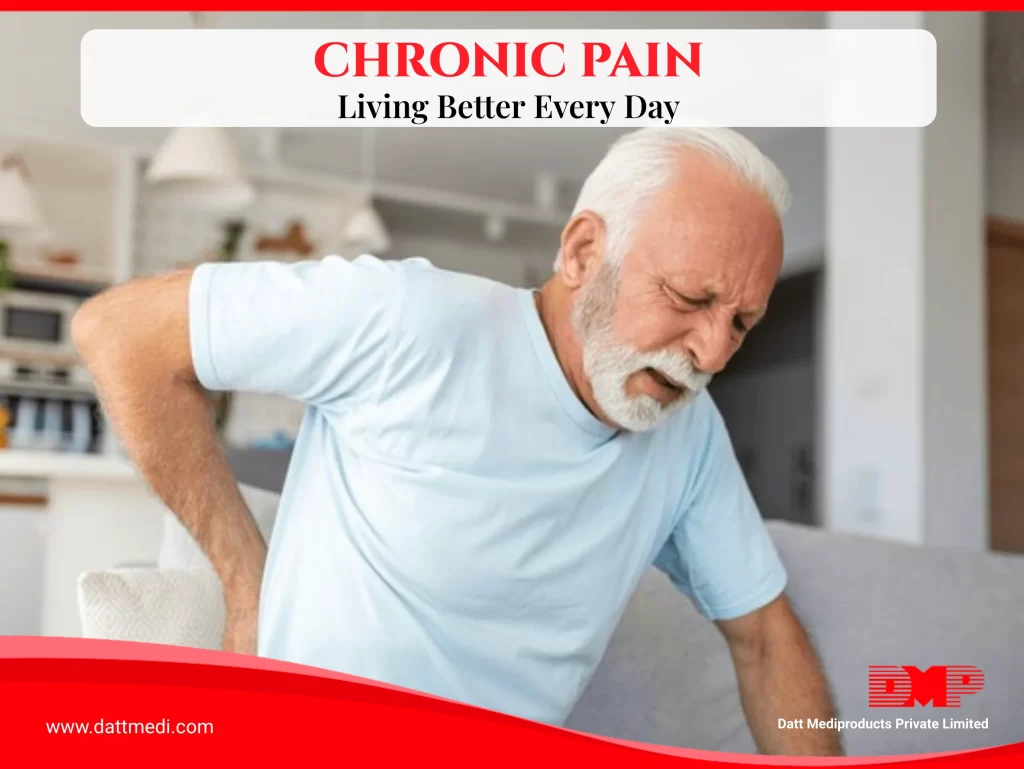
Chronic Pain Living Better Every Day

Chronic pain is a pervasive issue that affects millions of individuals worldwide, significantly altering their daily lives and overall well-being. Unlike acute pain, which serves as a signal of injury or illness and typically subsides with treatment, chronic pain persists for weeks, months, or even years. This relentless discomfort can arise from various conditions such as arthritis, fibromyalgia, and nerve damage. The impact of chronic pain extends beyond the physical realm, often leading to emotional distress and reduced quality of life.

In this blog, we will delve into effective strategies for managing chronic pain, focusing on coping techniques, nutrition, emotional well-being, and lifestyle adaptations. By understanding and addressing the multifaceted nature of chronic pain, individuals can improve their daily lives and enhance their overall health.

Coping Strategies and Techniques:

Managing chronic pain involves various coping mechanisms. Mindfulness and relaxation techniques, such as meditation and progressive muscle relaxation, can help reduce pain perception. Breathing exercises, like deep breathing or diaphragmatic breathing, also provide relief. Regular physical activity, tailored to your condition, can improve flexibility and strength, reducing pain over time. Activities such as swimming, walking, and yoga are often recommended for their low-impact benefits.

Nutrition and Diet:

Nutrition plays a vital role in managing inflammation and pain. Anti-inflammatory foods, such as leafy greens, fatty fish, nuts, seeds, and berries, can help alleviate symptoms. Omega-3 fatty acids, found in fish and flaxseeds, are particularly beneficial. Conversely, avoiding processed foods, sugary snacks, and excessive caffeine is crucial as they can exacerbate inflammation and pain. Staying hydrated and maintaining a balanced diet support overall health and pain management.

Emotional Well-being:

Chronic pain takes an emotional toll, often leading to anxiety, depression, and stress. Supporting mental health through therapy, such as cognitive-behavioral therapy (CBT), can be effective. CBT helps in changing negative thought patterns and developing coping strategies. Seeking social support from friends, family, or support groups can provide comfort and understanding. Engaging in hobbies, practicing mindfulness, and using relaxation techniques can help manage stress and improve emotional resilience.

Adapting Daily Life:

Adapting daily routines can enhance quality of life. Using assistive devices like ergonomic furniture, mobility aids, and adaptive tools can make daily tasks easier and more comfortable. Prioritizing rest and pacing activities throughout the day can prevent flare-ups and manage energy levels. Organizing your environment to minimize unnecessary strain and setting realistic goals for activities can help maintain a balance between activity and rest.

By understanding chronic pain and implementing these strategies, you can live a more fulfilling life despite the challenges. Managing chronic pain requires a holistic approach that addresses physical, emotional, and lifestyle factors, empowering you to live better every day.

Logo

Datt Mediproducts Private Limited

Loading