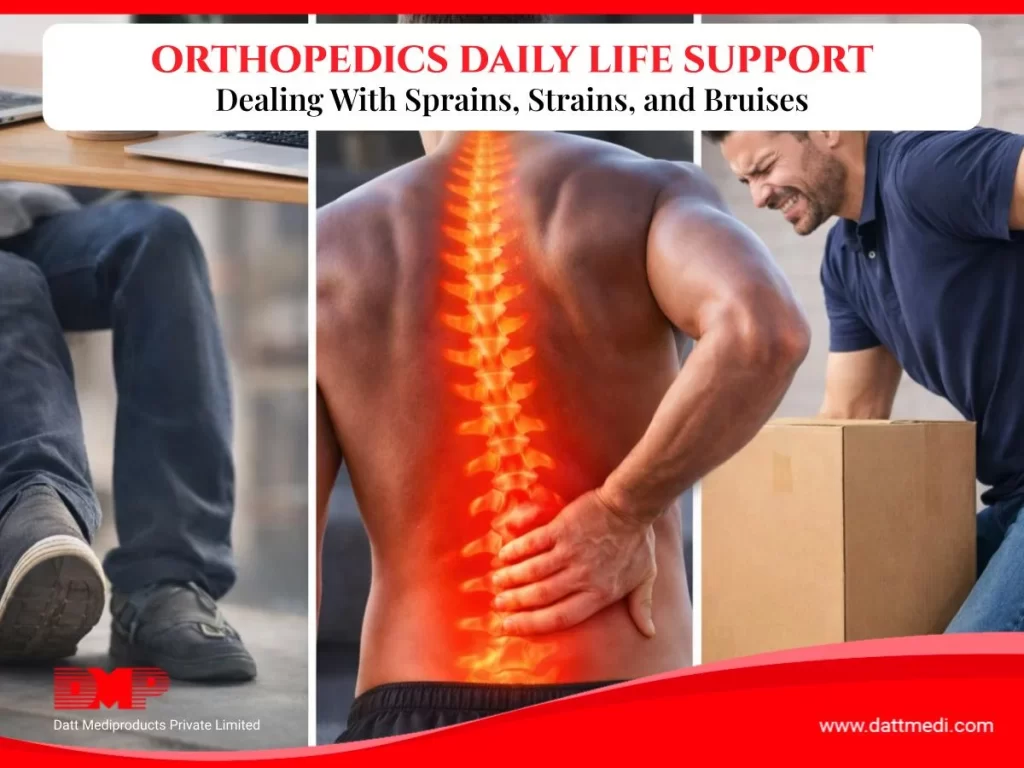
Back pain rarely comes from one dramatic moment. More often, it builds slowly — from how you sit, how you lift, and how much you move (or don’t) during an ordinary day.
The good news: because these habits are small and repeated, small corrections add up fast. Here are the five biggest everyday culprits, and what to actually do about each one.
1. Poor Posture During Screen Time
Slouching while looking at a screen pulls your head forward and loads your spine with extra weight it wasn’t built to carry in that position — over hours, this causes fatigue, stiffness, and pain.
Fix it:
Sit with your spine neutral and shoulders relaxed, not hunched forward
Raise screens to eye level so you’re not bending your neck down
Use an ergonomic chair or a lumbar support cushion
Stand or stretch every 30–45 minutes
If you're managing an existing strain or a support during long desk hours, a soft posture corrector can help retrain alignment. For a deeper look at why this matters beyond just back pain, see the health benefits of good posture.
2. Incorrect Lifting Techniques
Bending at the waist to lift — instead of bending your knees — puts sudden, concentrated pressure on your lower back. Do this repeatedly and you risk a genuine muscle strain, not just soreness.
Fix it:
Bend your knees, not your back
Keep the object close to your body
Keep your back straight through the lift
Never twist your torso while carrying weight
If a strain has already happened, our guide on muscle strain causes and recovery covers what actually supports healing — and what can slow it down. Muscle strains are also common in athletes, particularly in sports involving sprinting, jumping, kicking, and other explosive movements. For a broader look at sports-related orthopedic injuries, see our guide on orthopedic injuries in athletes.
3. Sitting for Long Periods Without Movement
Long, unbroken sitting stiffens the back and hips and slows circulation — and reduced blood flow means more muscle fatigue and discomfort, even without any single “wrong” movement.
Fix it:
Stand or walk for a few minutes every hour
Add simple back and leg stretches through the day
Use a standing desk if it’s available to you
Circulation-focused support can also help here. Compression bandages are sometimes used to support circulation during long periods of inactivity, particularly for the legs.
4. Weak Core Muscles
Your abdominal and lower-back muscles share the job of stabilizing your spine. When they’re weak, your spine has to work harder on its own — and that imbalance shows up as fatigue and pain over time.
Fix it — simple strengthening moves:
Bridges
Planks
Pelvic tilts
These don't need to be intense. Consistency matters more than difficulty here.
5. Lifestyle Factors That Strain the Spine
Extra body weight, an unsupportive mattress, and chronic stress all add ongoing load to your spine — none of these show up as a single injury, but together they compound.
Fix it:
Maintain a healthy body weight
Choose a mattress that supports spinal alignment
Build in relaxation techniques to ease muscle tension
If back pain has become a longer-term, ongoing issue rather than an occasional twinge, our guide on the role of exercise in chronic pain management covers how movement, not prolonged rest, can be part of a better long-term strategy.
A physiotherapist can also assess what’s contributing to your pain and help you build an exercise and recovery plan suited to your needs. For lower back-specific support, a lumbo-sacral support may provide additional support during certain activities or periods of recovery.
When Back Pain Needs Medical Attention
Occasional discomfort that improves with posture changes and movement is common and usually not serious. See a doctor if:
Pain becomes severe or persistent
Movement becomes noticeably difficult
Pain spreads down into your legs or elsewhere
A healthcare professional can properly evaluate the cause and recommend the right treatment or rehab plan — self-managing is fine for mild, short-term discomfort, but not for these signs.
Supporting a Healthier Back
Most back pain isn’t caused by one bad moment — it’s built from small daily habits. Fixing your posture, lifting correctly, moving more, and strengthening your core will do more for your spine than almost anything else. For extra support during recovery or long days, browse the full orthopaedic products range.
If your legs feel heavy, tight, or visibly swollen by the end of a long shift, you are not imagining it. Prolonged standing is one of the most common drivers of leg swelling in working adults — and it affects people in healthcare, retail, hospitality, manufacturing, teaching, and any other profession that keeps them on their feet for hours at a time.
This guide explains the underlying mechanism, the factors that make some people more susceptible than others, and what actually works to manage and prevent the problem — including when medical-grade compression stockings are the right tool.
What Actually Causes Leg Swelling When You Stand
The heart pumps blood downward through arteries with little effort. Getting it back up through the veins — against gravity — is a much harder job.
The body relies on three mechanisms to do this:
Venous valves that prevent flowing backward
The rhythmic contraction of calf and leg muscles that squeeze blood upward
The elastic recoil of the vein walls themselves.
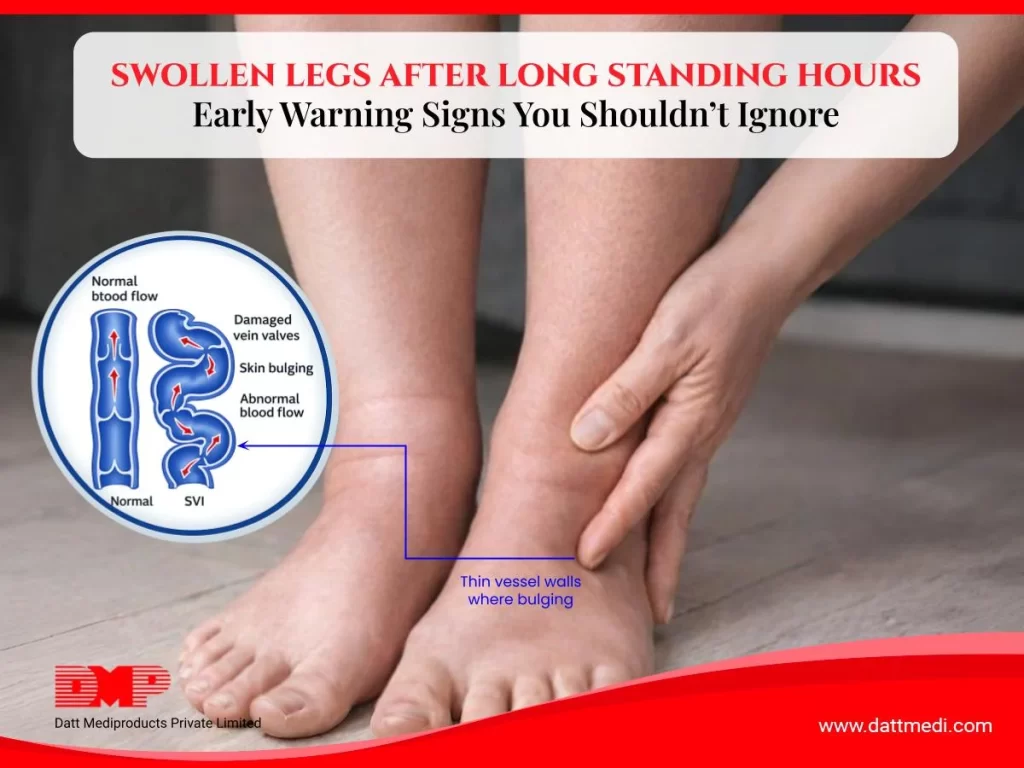
When you stand still for extended periods, the second mechanism — the muscle pump — largely switches off. Blood moves sluggishly in the lower leg veins, pressure builds, and fluid begins leaking through the vein walls into the surrounding tissue. This is venous pooling, and the visible result is swelling around the ankles and lower legs.
The swelling is typically worse at the end of the day and improves after lying down or elevating the legs, because horizontal positioning removes gravity from the equation. This pattern — worsening through the day, improving with rest — is the clearest indicator that prolonged standing is the primary cause.
Why Some People Swell More Than Others
1. Venous Valve Insufficiency
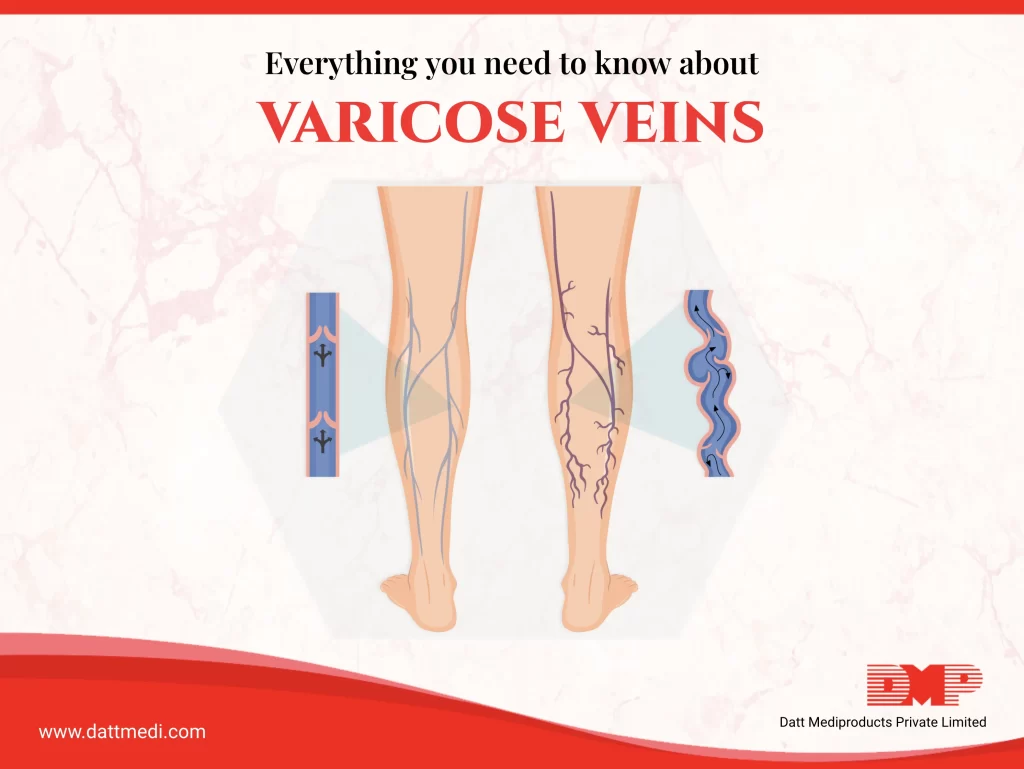
Healthy veins contain one-way valves that prevent blood from flowing back toward the feet between heartbeats. In some people, these valves weaken or become leaky — a condition called chronic venous insufficiency. When this happens, blood pools more easily, swelling occurs faster, and visible varicose veins may develop over time. People with venous insufficiency are significantly more affected by prolonged standing than those with healthy valve function.
2. Varicose Veins
Varicose veins are enlarged, twisted veins that have lost their structural integrity. They are a direct consequence of venous valve failure and represent a more advanced stage of venous disease. Standing for long periods accelerates the pooling in these vessels and worsens both swelling and the aching, heaviness, and fatigue that accompany it.
Higher body weight places increased pressure on the venous system in the legs. Reduced physical fitness means the leg muscles — which are the primary pump for venous return — are less effective. Both factors increase susceptibility to standing-related swelling.
4. Occupation and Daily Pattern
The duration of unbroken standing matters more than total standing time. Someone who stands for eight hours but walks between tasks frequently will experience less pooling than someone who stands relatively still at a counter or workstation. The absence of walking breaks is a key risk factor.
When Swelling Needs Medical Attention
Swelling that follows the pattern described above — building through the day, resolving overnight — is generally benign and related to venous pooling. However, some patterns warrant prompt medical evaluation:
Swelling that is sudden, severe, or in one leg only — may indicate deep vein thrombosis (DVT)
Swelling accompanied by redness, warmth, or skin changes — may suggest infection or phlebitis
Swelling that does not improve after a full night’s rest
Swelling with associated chest pain, breathlessness, or palpitations — seek emergency care
Swelling in the context of heart, kidney, or liver conditions
If any of these apply, see a healthcare professional before starting any compression therapy.
Practical Measures That Reduce Standing-Related Swelling
Movement Breaks
Walking — even for two to three minutes per hour — reactivates the calf muscle pump and significantly reduces venous pooling. If walking is not possible, calf raises, foot circles, and toe pumps performed in place have a similar effect. The goal is to avoid completely static standing for long unbroken periods.
Leg Elevation After Work
Elevating the legs above heart level for 15–20 minutes after a long shift allows gravity to assist venous and lymphatic drainage. This is one of the most effective ways to accelerate overnight recovery and reduce residual swelling the next morning.
Footwear
Shoes with cushioned soles and low heels support natural foot movement and reduce fatigue. Tight footwear compresses the foot and can restrict venous return. Flat shoes without arch support reduce calf engagement during walking, which reduces the efficiency of the muscle pump.
Medical-Grade Compression Stockings
Compression stockings are the most evidence-supported intervention for managing venous pooling during prolonged standing. Unlike general support hosiery, medical-grade stockings apply graduated compression — highest at the ankle, reducing toward the knee or thigh — which mechanically assists venous return and prevents fluid from leaking into surrounding tissues.
Velcare® Varicose Vein Medical Compression Stockings
The Velcare® range from Datt Mediproducts is a medical-grade compression stocking designed specifically for venous conditions, including swelling from prolonged standing, phlebitis, varicose veins, venous insufficiency, oedema, deep vein thrombosis management, and post-surgical recovery.
Key specifications:
Class 2 compression: 23–32 mmHg — the clinical standard for moderate-to-severe venous conditions
Graduated compression: pressure is highest at the ankle and reduces toward the top of the stocking, actively assisting upward blood flow
70% Nylon, 30% Spandex: breathable, latex-free, and suitable for daily extended wear
Four-way stretchability: conforms to the leg without restricting movement
Soft construction: designed for comfort during long work hours
Available in S, M, L, XL
The Velcare® range is available in three styles to suit different clinical needs and preferences:
Style
Coverage
Best For
Open Toe, A-D (no silicone band)
Ankle to knee
Everyday leg swelling from standing; those who prefer open toe for breathability or foot conditions
Open Toe, A-D with Silicone Band
Ankle to knee
Users who need the stocking to stay in place securely without rolling down during a long shift
Open Toe, A-G with Silicone Band
Ankle to groin
More extensive venous conditions, post-surgical recovery, or where thigh-high coverage is clinically indicated
How to Use Compression Stockings Effectively
Put Them On Before Getting Up
Compression stockings work best when applied before venous pooling begins. Put them on in the morning before standing up, while the legs are still at their least swollen. Applying them after standing for an hour is significantly less effective.
Wear Through the Working Day
Keep the stockings on throughout the shift. Removing them mid-day and then reapplying is less effective than continuous wear during standing hours.
Remove in the Evening
Once you are off your feet and resting, the stockings can be removed. Compression is needed during the periods of venous stress — standing and walking — not during rest.
Sizing Matters
An incorrectly sized stocking — too loose or too tight — will not deliver the intended compression level. Measure ankle and calf circumference, and refer to the Velcare® sizing guide before ordering. When in doubt, consult a healthcare professional or pharmacist for fitting guidance.
Care and Longevity
Medical compression stockings should be washed regularly — typically after each wear — in cool water with gentle detergent. Air dry rather than tumble dry to preserve the elastic fibres. Most compression stockings require replacement every 4–6 months with regular daily use, as the elasticity gradually reduces.
Managing Leg Health Is a Daily Habit
Standing-related leg swelling is a physical consequence of how blood moves — or stops moving — during long hours on your feet. It is not inevitable. Movement breaks, appropriate footwear, evening elevation, and the right compression support together make a significant and measurable difference.
For people with varicose veins, venous insufficiency, or a job that keeps them standing for the majority of their working day, medical-grade graduated compression stockings are the most clinically supported intervention available. The Velcare® Varicose Vein Compression Stocking range is designed for exactly this context — durable, breathable, and calibrated to the compression level that delivers real results.
For many years, people believed that allowing a wound to dry out and form a scab was the best way to promote healing. Modern wound care science has shown that maintaining a moist healing environment can support faster tissue repair, reduce discomfort, and improve skin recovery.
Since its clinical adoption in the 1960s, moist wound healing has become a cornerstone of modern wound care in hospitals and home care settings worldwide. By protecting the wound and supporting the body’s natural repair process, this method helps improve healing outcomes and patient comfort.
What Is Moist Wound Healing?
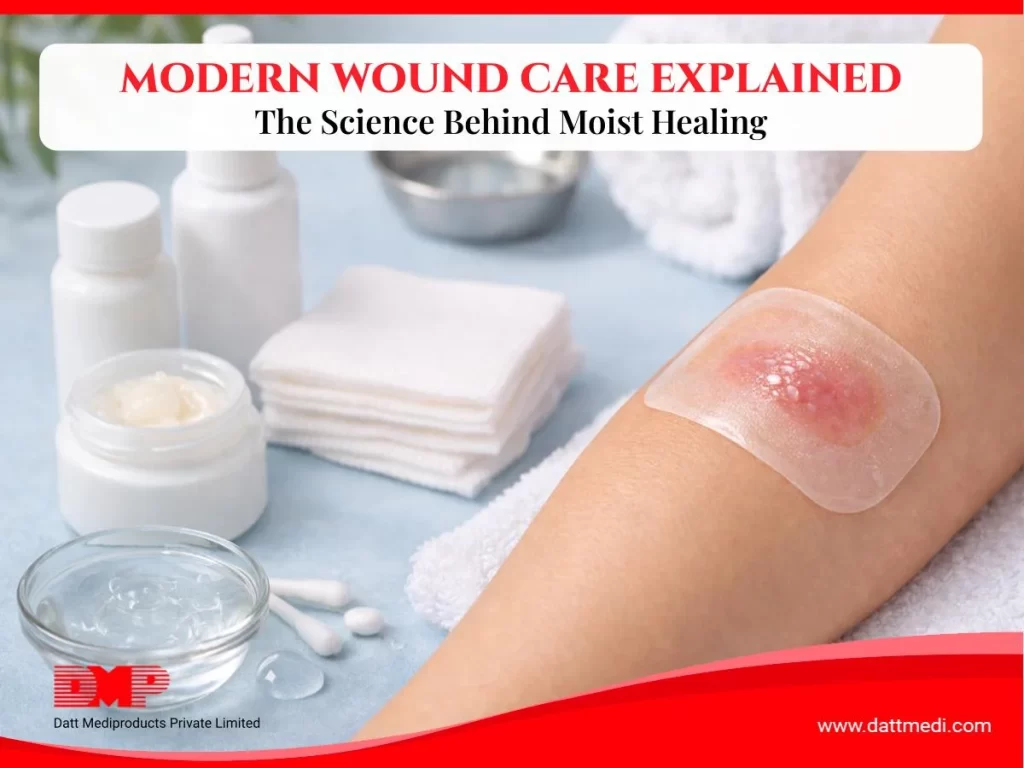
Moist wound healing involves covering a wound with an advanced wound care dressing that maintains optimal moisture while protecting it from contaminants and bacteria.
Dry Healing Approach
Allows a hard scab to form
Can slow skin cell movement
May delay tissue repair
Moist Healing Approach
Keeps the wound hydrated
Enables faster cell migration
Supports efficient tissue regeneration
This balanced environment helps the body heal more effectively.
Moist Wound Healing vs Dry Healing: Key Differences
Feature
Moist Healing
Dry Healing
Healing Speed
Faster
Slower
Pain Level
Reduced
Often higher
Infection Protection
Barrier protection
Exposure risk
Scarring
Less visible
More likely
Tissue Repair
Continuous
Interrupted by scab
Why Moist Wound Healing Is Beneficial
1. Faster Healing
A moist environment allows skin cells to move easily across the wound surface.
No hard scab blocking repair
Continuous tissue rebuilding
Shorter recovery time
This is especially beneficial for surgical wounds, burns, and chronic ulcers.
2. Reduced Pain and Discomfort
Dry wounds can expose nerve endings, increasing sensitivity and pain.
Moist dressings:
Protect delicate tissue
Reduce irritation
Provide cushioning comfort
They are commonly used to soothe painful wounds and burns.
When tissue dries out, scarring may become more noticeable.
Moist wound healing:
Maintains tissue flexibility
Supports smoother skin regeneration
Improves cosmetic outcomes
This is beneficial for both medical recovery and aesthetic healing.
5. Natural Removal of Dead Tissue (Autolytic Debridement)
Moisture supports the body’s natural ability to break down and remove dead tissue.
This process:
Promotes healthy tissue growth
Reduces the need for manual cleaning
Supports chronic wound management
How Moist Wound Healing Supports Recovery
Moisture-retentive dressings create an ideal healing environment by:
Maintaining stable temperature
Supporting new tissue formation
Encouraging healthy blood circulation
Preserving growth factors and healing proteins
This environment aligns with global medical wound management protocols and modern clinical practices supported by organizations such as the World Health Organization.
Choosing the Right Dressing for Moist Wound Healing
Selecting the best dressing for wound healing depends on wound type, exudate level, and skin condition.
Hydrocolloid Dressings
Maintain moisture balance
Suitable for minor burns and light drainage wounds
Foam Dressings
Absorb excess fluid
Keep the wound moist
Ideal for moderate to heavily draining wounds
Hydrogel Dressings
Hydrate dry wounds
Provide cooling relief
Reduce pain and discomfort
Alginate Dressings
Highly absorbent
Suitable for heavy exudate wounds
Film Dressings
Thin and transparent
Protect superficial wounds and abrasions (Velfix T Film)
Studies indicate that wounds maintained in a moist environment may heal up to 40% faster compared to dry healing methods.
Moist wound healing has transformed modern wound care by enabling faster recovery, reducing discomfort, minimizing scarring, and improving overall healing outcomes. Using advanced wound care dressings helps maintain optimal moisture balance while protecting wounds from external contaminants.
For safe and effective healing, wound care decisions should always be guided by qualified healthcare professionals.
Nutrition plays a central role in wound healing, often as important as medical care itself. When the body sustains an injury, foods for wound healing become essential as its demand for specific nutrients increases.
The right foods can help accelerate tissue repair, reduce inflammation, strengthen the immune system, and enhance overall recovery. This blog explores scientifically backed foods for wound healing that actively support faster and more effective recovery.
Phytonutrient Power for Tissue Repair
What they are:
Phytonutrients are bio-active compounds in plants, such as flavonoids and carotenoids.
Why they matter:
Wound sites often experience oxidative stress due to free radicals, which can delay healing. Phytonutrients neutralize these free radicals, creating a favorable environment for tissue regeneration.
Food sources:
Berries (flavonoids): Blueberries, strawberries, and blackberries reduce oxidative stress.
Sweet potatoes & carrots (carotenoids): Support cell growth and boost skin barrier function.
Quick Tip: Including a cup of mixed berries in breakfast or roasted sweet potato as a side dish provides antioxidant protection during recovery.
Collagen-Activating Foods
What they are:
Nutrients that directly stimulate collagen synthesis.
Why they matter:
Collagen forms the structural framework of new tissue and strong scar formation.
Key nutrients & foods:
Vitamin C (bell peppers, citrus, kiwi): A co-factor in collagen production.
Copper (sunflower seeds, cashews, lentils): Supports the cross-linking of collagen fibers for durability.
Quick Tip: A salad of bell peppers, spinach, and sunflower seeds supplies both vitamin C and copper—maximizing collagen activation.
Gut Health and Healing Connection
What it is:
The gut microbiome plays a central role in nutrient absorption and immune regulation.
Why it matters:
Without a healthy gut, even the best diet cannot deliver full healing benefits. Probiotics strengthen the microbiome, enhance nutrient uptake, and improve immune defenses against infection.
Food sources:
Yogurt, kefir, kimchi, sauerkraut, miso.
Quick Tip: Consuming a serving of probiotic yogurt daily can improve nutrient bio-availability, indirectly accelerating wound recovery.
Anti-Inflammatory Spice Cabinet
What they are:
Natural spices with anti-inflammatory and antimicrobial properties.
Why they matter:
Chronic inflammation around a wound can slow tissue regeneration. Certain spices actively reduce inflammatory responses while fighting harmful microbes.
Watermelon & cucumbers: High water content plus minerals.
Broths & soups: Provide both fluids and electrolytes.
Quick Tip: Including hydrating foods alongside water intake supports optimal tissue repair.
Building a Healing Plate
Recovery requires more than a single “superfood.” It’s about creating a balanced plate with antioxidant-rich phytonutrients, collagen -activating nutrients, probiotics, anti-inflammatory spices, zinc and iron synergy, and hydration strategies.
Together, these foods give your body the fuel it needs to rebuild stronger tissue, reduce complications, and support a faster recovery.
Wound healing is a complex biological process involving tissue repair, immune defense, and cellular regeneration. While medical treatment plays a key role, lifestyle choices significantly influence the body’s ability to heal.
From nutrition to stress management, everyday habits can either support faster recovery or hinder the healing process.
In this blog, we explore the key lifestyle factors that impact wound healing and how simple, evidence-based changes can make a difference.
1. Nutrition: Fuel for Tissue Repair
a. Protein
Vital for collagen formation and wound matrix development
Protein deficiency may lead to slower wound closure and increased risk of infection
b. Vitamins and Minerals
Vitamin C: Enhances collagen synthesis and capillary strength
Zinc: Supports immune function and cell proliferation
Vitamin A: Promotes epithelialization and helps control inflammation
c. Hydration
Maintains blood volume and supports oxygen/nutrient delivery
Dehydration can delay granulation and cell regeneration
Tip: Include lean proteins, citrus fruits, leafy greens, and zinc-rich foods like seeds and legumes in your daily meals.
2. Smoking: A Major Healing Inhibitor
Nicotine and other chemicals in tobacco constrict blood vessels, reducing oxygen supply to healing tissue.
Impairs collagen production and fibroblast function
Increases the risk of infection and delayed healing
Reduces overall immune response
Quitting smoking—even temporarily during recovery—can significantly improve healing outcomes.
3. Alcohol Consumption: Delaying Recovery
Excessive alcohol intake:
Suppresses immune function
Depletes nutrients like Vitamin C and zinc
Prolongs inflammation and disrupts tissue repair phases
Limit alcohol consumption to promote a healthy inflammatory response and proper wound granulation.
4. Physical Activity and Mobility
Moderate movement encourages circulation and supports healing—especially for patients at risk of pressure ulcers.
Improves oxygenation and nutrient transport
Reduces risk of blood pooling and edema
Prevents pressure injuries in bedridden individuals
Regular repositioning and guided physiotherapy are essential in wound care plans.
5. Stress Management: Healing Starts with the Mind
Chronic stress elevates cortisol levels, which suppresses immune function and delays inflammatory responses crucial for wound healing.
Impairs macrophage activity and T-cell function
Slows tissue repair and increases infection risk
Practices like mindfulness, deep breathing, and adequate rest can accelerate recovery.
6. Chronic Conditions & Lifestyle Adjustments
Certain medical conditions magnify wound healing challenges:
Diabetes: High blood glucose impairs leukocyte function and circulation
Obesity: Increased inflammation and reduced vascular flow to wound sites
Lifestyle interventions like glucose control, weight management, and routine exercise can reduce wound complications.
7. The Power of Sleep in Healing
During deep sleep, the body enters restorative phases that facilitate cell repair, hormone regulation, and immune modulation.
Lack of sleep can delay fibroblast activation and collagen remodeling
Poor sleep patterns are linked to chronic wound persistence
Aim for 7–9 hours of quality sleep to support recovery and immunity.
8. Wound Hygiene and Safe Practices
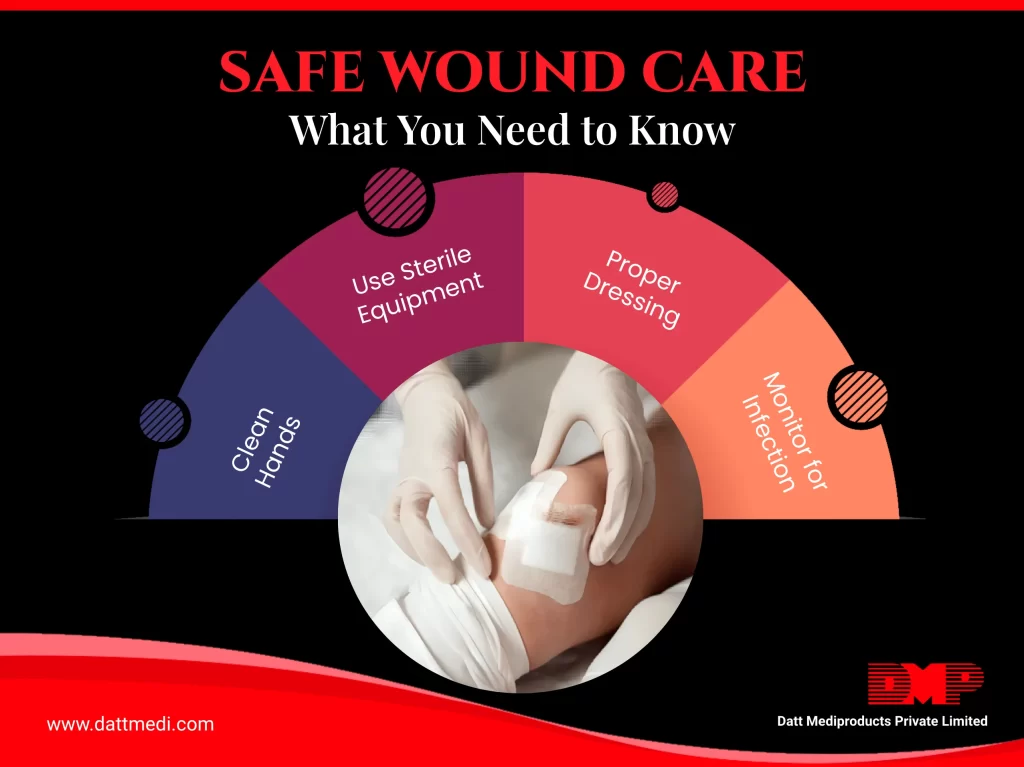
Proper wound care is essential for minimizing infection and supporting a moist healing environment.
Clean wounds with prescribed solutions
Avoid using unapproved topical agents or picking at scabs
Use appropriate antimicrobial dressings and change them regularly
Always follow healthcare provider instructions for dressing techniques and frequency.
9. Lifestyle Checklist for Optimal Wound Healing
Quit smoking or avoid exposure to tobacco
Limit alcohol consumption
Eat a balanced diet rich in healing nutrients
Stay hydrated
Engage in light physical activity or guided movement
Practice stress-reduction techniques
Get sufficient, restorative sleep
Follow proper hygiene and wound dressing guidelines
Healing isn’t just about medicine—it’s about mindset, habits, and daily choices.
By aligning medical treatment with proactive lifestyle changes, patients can accelerate recovery, reduce complications, and regain their well-being faster.
At Datt Mediproducts, we believe in a holistic approach to healing. Our advanced wound care solutions, including antimicrobial dressings, are designed to support optimal recovery in synergy with healthy living.
Showering with Wounds: Tips for Staying Clean and Safe During Healing
Keeping wounds clean and dry is essential for proper healing. However, many people worry about showering with wounds or bathing with an open wound and the potential risks of exposing wounds to water. Without proper precautions, water exposure can lead to complications like infections, delayed healing, or dressing displacement.
Risks of Showering with Wounds
Infection Risks: Water, especially non-sterile water, can introduce bacteria into the wound, increasing the risk of infection.
Delayed Healing: Excessive moisture can disrupt the wound environment, causing the skin to swell, affecting moisture balance and slowing the healing process.
Dressing Displacement: Bathing may cause bandages or dressings to loosen or fall off, exposing the wound to contaminants.
Do’s for Wound Care When Bathing
Use Waterproof Dressings: Protect your wound from water exposure by using waterproof dressings, which help prevent infection and promote proper healing.
Cover the Wound: If waterproof dressings aren’t available, use plastic wrap or a waterproof barrier to keep the wound dry.
Opt for Showers Over Baths: Showers reduce the risk of soaking wounds, as water flows off the body rather than submerging the wound.
Don’ts for Wound Care When Bathing
Avoid Soaking: Stay away from tubs, pools, or hot tubs, as they introduce bacteria and disrupt the wound environment.
Don’t Rub the Wound Area: Avoid scrubbing or applying soap directly on the wound to prevent irritation or removal of protective layers.
Avoid High-Pressure Water: Strong water pressure can disturb scabs, disrupt dressings, or cause discomfort.
Waterproof Dressing Options
1. Adhesive Films:
Velfix® – T Film: Provides a waterproof, breathable seal to protect wounds from water exposure.
2. Foam Dressings with Borders:
Velfix® – Edge: Features an adhesive border that creates a secure seal, preventing water from entering.
3. Silicone-Based Dressings:
Velfix® – Secure (PICC): Designed for long-term wound protection with a waterproof and skin-friendly seal.
4. Adhesive Tapes:
Velpore™ – T: A strong yet gentle adhesive tape that secures dressings in place, ensuring they remain effective during showers.
Steps for Showering with a Wound
Prepare the Wound: Clean and dress the wound before showering to ensure protection.
Use Lukewarm Water: Avoid hot or high-pressure water that could irritate the wound.
Pat Dry Carefully: After showering, gently pat the dressing dry with a soft, clean towel.
Signs to Watch For
If you notice redness, swelling, unusual discharge, persistent discomfort, warmth around the wound, or a foul odor, contact a healthcare provider immediately. These may indicate an infection or irritation that requires medical attention.
With the right precautions and waterproof dressings, showering with a wound can be safe and manageable. Choosing high-quality products helps protect wounds and support optimal healing. Always follow your healthcare provider’s guidance for the best wound care practices.