

Search by Blog
Read by Category

Your healing journey continues beyond this blog

Find the right products for better recovery at online store
Cart Image
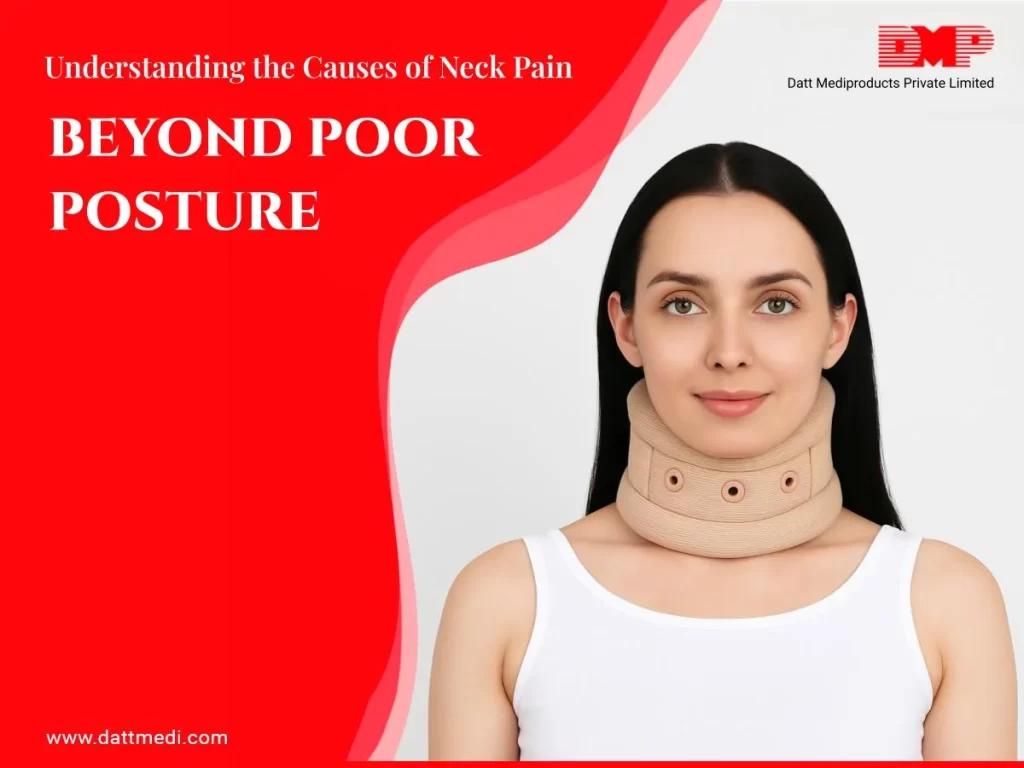
Person using a soft cervical collar for neck support

A stiff or painful neck can make even the simplest movements uncomfortable — turning to check traffic, looking up at a screen, or sleeping without waking. In some cases, a soft cervical collar provides the temporary support the neck needs to recover. However, in other cases, it offers little benefit and may even delay healing if used incorrectly.

This blog covers the clinical situations where a soft cervical collar is genuinely useful, how the Cervical Collar Soft® from Datt Mediproducts is designed, and how to use it safely.

What Is a Soft Cervical Collar?

A cervical collar is a supportive brace worn around the neck to limit excessive movement and allow muscles, ligaments, and joints to rest during recovery. Soft cervical collars provide light, cushioned support — enough to reduce strain and act as a reminder to avoid sudden movement, without fully immobilising the neck.

The Cervical Collar Soft® is made from soft-density PU foam covered in a smooth cotton stockinette, with a hook-and-loop closure for a secure, adjustable fit. It is available in four sizes (S, M, L, XL) and is designed for both short-term recovery and longer-term comfort use.

When Is a Soft Cervical Collar Recommended?

A soft cervical collar may be advised across a range of conditions. The following are the primary clinical indications.

1. Neck Pain and Muscle Strain

Sudden neck pain from poor posture, sleeping awkwardly, or overexertion can strain the surrounding muscles. A collar provides gentle support and reduces the load on strained tissue during the early recovery phase.

2. Whiplash Recovery

Whiplash — most commonly caused by rear-end car accidents — forces the head to move suddenly forward and backward, stretching and sometimes tearing neck muscles and ligaments. Doctors often recommend a soft cervical collar in the early days after whiplash to reduce discomfort and limit aggravating movement while initial healing begins.

3. Cervical Trauma

Minor cervical trauma from falls, sports injuries, or sudden impacts may involve bruised or strained neck structures. A collar helps limit movement that could worsen the injury while the neck recovers.

4. Excessive Neck Mobility

Some individuals have hypermobility in the cervical spine — where the joints move beyond their normal range. A soft collar can provide a gentle boundary that reduces the risk of strain from over-movement during daily activity.

5. Rheumatoid Arthritis

Rheumatoid arthritis can affect the cervical spine, causing instability and pain. A soft collar may be used during flares to provide support and reduce the load on inflamed joints, typically alongside medical management.

6. Degenerative Disc Disease

Wear and tear on the cervical discs can lead to chronic neck pain, stiffness, and nerve irritation. A soft collar offers intermittent support — particularly during activities that aggravate symptoms — as part of a broader management plan.

7. Post-Surgical Support

Following certain neck or upper spine procedures, surgeons may recommend a cervical collar to protect the surgical site and limit motion during the initial healing period. The surgeon determines the collar type and duration based on the procedure. based on the procedure.

Rigid vs. Soft Cervical Collar: Which Is Needed?

Not all cervical collars are the same. The choice depends on how much movement restriction is required.

FeatureSoft Cervical CollarRigid Cervical Collar
MaterialPU foam with cotton stockinetteFirm plastic with padding
Support LevelLight, cushioned supportStrong, firm support
Movement ControlAllows some movementSignificantly limits movement
Typical UseMild strain, whiplash early stage, arthritis, disc diseaseSerious injury, unstable fractures, post-surgery
For most everyday neck conditions — strain, stiffness, mild whiplash, and chronic disc or joint discomfort — a soft cervical collar is the appropriate choice. Rigid collars are typically reserved for more severe injuries where strict immobilisation is medically necessary.

Soft Cervical Collar by Datt Mediproducts: Design & Features

The Cervical Collar Soft® is built for comfort during wear, with materials selected to minimise skin irritation even with extended use.

  • Soft-density PU foam core — provides cushioned support without rigid restriction
  • Smooth cotton stockinette cover — reduces skin friction and absorbs moisture
  • Hook-and-loop closure — allows a personalised, secure fit without tools
  • Four available sizes (S, M, L, XL) — sized by neck circumference in inches and centimetres
  • Durable construction — designed for longer-term use without losing shape or support

Sizing is based on neck circumference: S (7.5–8.75 cm), M (8.75–10 cm), L (10–11.25 cm), XL (11.25–12.5 cm). Measuring before ordering ensures the collar sits correctly and delivers effective support.

How to Use a Soft Cervical Collar Safely

A cervical collar is most effective when used correctly and for the right duration.

Getting the Fit Right

The collar should sit snugly around the neck — supportive without pressing on the throat or creating difficulty breathing. Hook-and-loop closure makes adjustment straightforward. A collar that is too loose provides little support; one that is too tight can cause pressure and discomfort.

Duration of Use

This depends entirely on the condition. Minor muscle strain may only require a collar for a few days. Whiplash or post-surgical recovery may require longer use under medical guidance. Extended, unsupervised use should be avoided. This is because prolonged reliance on a collar can reduce the neck muscles’ ability to support the head. independently.

Skin Care Under the Collar

The cotton stockinette lining helps manage moisture, but the skin beneath should still be checked regularly for any redness or irritation. Keep the area clean and dry, particularly in warm conditions.

When to Remove It

If the collar causes increased pain, numbness, or pins and needles pricking sensation, remove it and consult a healthcare professional. These may indicate an incorrect fit or that the collar is not appropriate for the specific condition.

What a Soft Cervical Collar Cannot Do

A collar supports recovery — it does not treat the underlying cause of neck pain. It does not replace physiotherapy, medical diagnosis, or specific treatment for conditions like arthritis or disc disease. Used alone without addressing the root cause, it provides temporary comfort relief only.

For best outcomes, a cervical collar is typically one part of a broader recovery plan that includes appropriate exercise, manual therapy, or medical management depending on the diagnosis.

The Right Support, Used the Right Way

A soft cervical collar works best when it matches the condition, fits correctly, and is used for an appropriate duration. For mild to moderate neck conditions — strain, whiplash, arthritis flares, disc discomfort, or post-surgical support — it provides a practical, comfortable solution that allows the neck to rest while daily life continues.The Cervical Collar Soft® is designed with both comfort and durability in mind. If you are managing a neck condition and considering whether a cervical collar is right for you, consult your healthcare provider for guidance tailored to your situation.

Visit www.dattmedi.com for more infomation.
Share:

Frequnently Asked Questions

It depends on the advice of your healthcare provider. Some people are advised to wear the collar at night after acute injuries to limit movement during sleep; others are told to remove it to allow the neck muscles to stay active. Follow specific medical guidance on this.

Measure your neck circumference and match it to the sizing guide: S (7.5–8.75 cm), M (8.75–10 cm), L (10–11.25 cm), XL (11.25–12.5 cm). If you are between sizes, the larger size generally provides a more comfortable fit.

A soft cervical collar may be recommended during flares of rheumatoid arthritis affecting the neck to reduce joint load and discomfort. However, it should be used under rheumatology guidance, as cervical involvement in RA can sometimes require more specific management.

The cotton stockinette cover can typically be wiped clean with a damp cloth. Submerging foam collars in water can damage the foam structure. Check product-specific care instructions, or keep a spare collar to alternate if hygiene is a concern during extended use.

Extended, unsupervised use can reduce muscle activation over time. This is why collars are generally used short-term and often combined with targeted neck exercises or physiotherapy to maintain strength during and after recovery.

Recent Blogs
Wound Care for Traveler's: Tips for On-the-Go Healing

Wound Care for Travelers: Tips for On-the-Go Healing

As travelers, we often find ourselves exploring new landscapes, engaging in adventurous activities, or simply navigating bustling city streets. With such dynamic experiences comes the risk of minor injuries or wounds. Whether it’s a scraped knee from hiking, a blister from walking, or a cut from exploring unfamiliar terrain, proper wound care is essential to ensure a smooth and safe journey.

In this blog, we’ll explore key considerations for travelers when it comes to wound care, focusing on portability, convenience, and effectiveness in various environments.

Portability and Convenience:

When traveling, space in our bags is precious, and carrying bulky medical supplies is often impractical. Opt for compact wound care products that are lightweight and easily portable. Look for individually wrapped items or travel-sized kits that include essentials like adhesive bandages, antiseptic wipes, and gauze pads. These items should be readily accessible in your travel bag or first aid kit, ensuring quick access in case of emergencies. Consider adding our woven cohesive moderate compression bandage- Velsoft®-Plus to your kit for added support and compression.

Adhesive Strength for Active Movement:

Travelers are often on the move, whether hiking through rugged terrain, exploring urban environments, or engaging in water activities. Therefore, it’s crucial to choose wound dressings with strong adhesive properties that can withstand active movement. Look for adhesive bandages specifically designed for sports or active lifestyles, as they offer enhanced durability and stay in place even during rigorous physical activities. 

DO YOU KNOW –
Our product Velsoft®-Plus provides self-adhesive, non-sticky support, ideal for active movement for the travelers on the go.

Moisture Control for Varied Environments:

Traveling exposes us to diverse climates and environments, from humid tropical regions to arid deserts. Proper moisture control is essential for promoting optimal wound healing and preventing infection. Consider using advanced wound dressings with moisture-absorbing capabilities, such as hydrocolloid or foam dressings. These dressings create a moist wound environment conducive to healing while also providing a barrier against external contaminants.

Protection Against Environmental Contaminants:

Traveling exposes us to various environmental hazards, including dirt, dust, bacteria, and other contaminants. Ensure your wound care products offer adequate protection against these elements. Waterproof and breathable dressings are ideal for maintaining a clean and sterile environment around the wound, preventing contamination from external sources. Additionally, antiseptic wipes or sprays can be used to cleanse the wound and surrounding skin, reducing the risk of infection. Velsoft®-Plus bandage provides significant levels of pressure up to 20-30 mmHg, aiding in the management of mild sprains and strains while offering protection against contaminants.

Ease of Application and Removal:

In the midst of travel adventures, simplicity is key. Choose wound care products that are easy to apply and remove, even in challenging conditions. Adhesive bandages with built-in applicators or tabs make it effortless to secure them in place, while non-stick dressings facilitate pain-free removal without disrupting the healing process. Consider the practicality of the products you choose, ensuring they can be applied and removed with minimal fuss. Our Velsoft®-Plus  bandages are self-adhesive and non-sticky to hair or skin, ensuring hassle-free application and removal.

Versatility for Different Wound Types:

Travelers encounter a variety of wounds, from minor cuts and scrapes to blisters and burns. Therefore, it’s essential to have versatile wound care products that can address different types of injuries effectively. Multi-purpose dressings, such as sterile gauze pads or adhesive hydrogel sheets, are valuable additions to your travel first aid kit. These products can be used for wound cleansing, protection, and absorption, providing comprehensive care for various injuries. 

Traveling presents countless opportunities for adventure and exploration, but it also comes with the risk of minor injuries and wounds. By prioritizing portability, convenience, and effectiveness in wound care products, travelers can ensure they’re prepared to handle unexpected mishaps while on the go. Whether trekking through rugged landscapes or strolling through bustling city streets, proper wound care is essential for a safe and enjoyable travel experience. With the right products and preparation, travelers can embark on their journeys with confidence, knowing they have the tools to address any bumps along the way.

Post-Surgery Wound Care Supporting Recovery

Post-Surgery Wound Care Supporting Recovery 

Post-surgery wound care is a critical component in the journey towards a smooth recovery, minimizing complications, and promoting effective healing. This blog post seeks to offer comprehensive insights for both patients and healthcare providers, emphasizing key aspects of post-surgery wound care.

Understanding the Healing Process:

To navigate the recovery journey successfully, it’s essential to grasp the intricacies of the body’s natural healing process. From the initial inflammatory response to tissue remodeling, patients should be aware of these stages to set realistic expectations for the recovery timeline. 

Preparation Before Surgery: 

A proactive approach to wound care begins before the surgical procedure. Adequate preparation involves thorough consultation with healthcare professionals, understanding the surgery specifics, and adhering to pre-surgery instructions. This groundwork sets the stage for a more seamless recovery. 

Maintaining a Sterile Environment: 

Fundamental to effective wound care is the maintenance of a clean and sterile environment. This includes keeping the surgical site and surrounding areas free from contaminants. Proper wound hygiene significantly reduces the risk of infections, a common concern post-surgery. 

Nutrition and Hydration for Optimal Healing: 

Supporting the body’s healing mechanisms requires a well-balanced diet rich in essential nutrients. Proper nutrition promotes tissue repair and helps prevent complications. Adequate hydration is equally crucial, supporting overall bodily functions and facilitating nutrient transportation to the wound site. 

Monitoring and Recognizing Warning Signs: 

Vigilance is key during the recovery phase. Patients should be educated on monitoring wounds for warning signs like increased redness, swelling, or discharge.

Recognizing these signs early enables prompt intervention, minimizing the risk of serious complications. 

Introducing Our Innovative Solution: 

Elevating the standards of patient recovery involves introducing innovative products like Velfix® -Edge. This exceptional dressing goes beyond traditional solutions with its non-woven bordered design, frame delivery system, and deep notched barrier against infections. The latex-free adhesive ensures compatibility with diverse patients, while the window-framed delivery system simplifies application. Incorporating Velfix® -Edge into post-surgery wound care routines prioritizes precision, patient comfort, and infection prevention, contributing to an enhanced and smoother recovery journey for every patient.

Therefore, post-surgery wound care is a collaborative effort between healthcare providers and patients. Empowering individuals with knowledge about the healing process, preparing adequately before surgery, maintaining a sterile environment, prioritizing nutrition and hydration, and being vigilant for warning signs actively contribute to a successful recovery journey. 

Choosing Velfix® -Edge for optimal post-surgery care is a conscious decision towards improved recovery outcomes, ensuring a holistic and effective approach to the healing process.

Logo

Datt Mediproducts Private Limited

Loading