
Search by Blog
Read by Category

Your healing journey continues beyond this blog

Find the right products for better recovery at online store
Cart Image
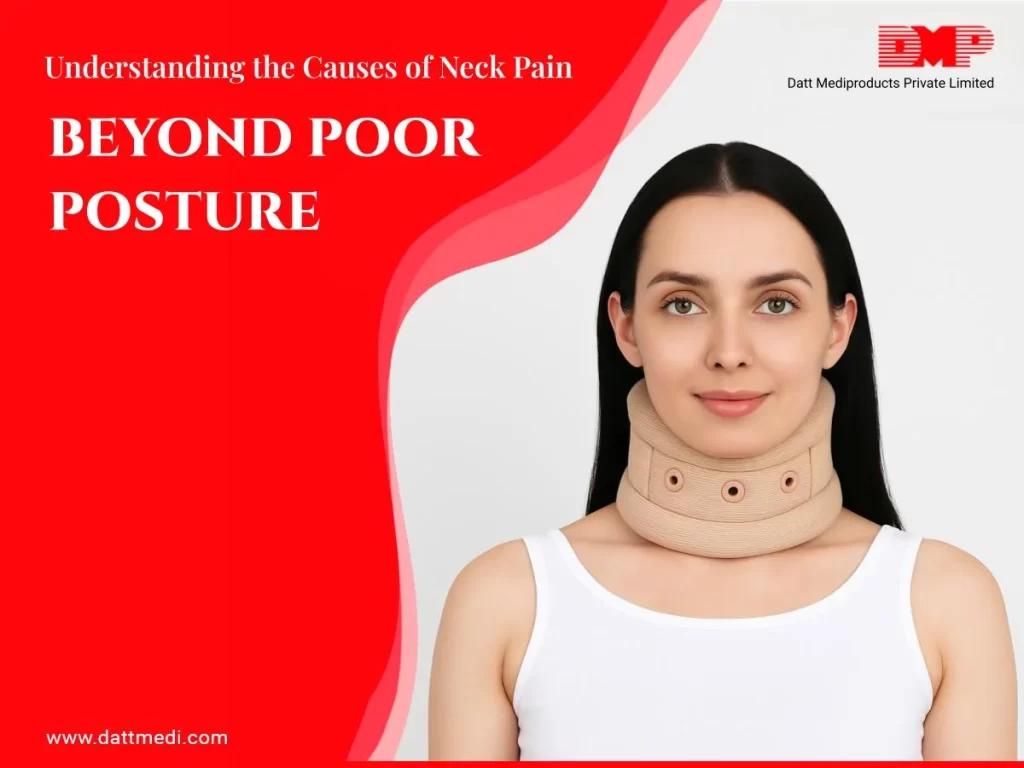
Person using a soft cervical collar for neck support

A stiff or painful neck can make even the simplest movements uncomfortable — turning to check traffic, looking up at a screen, or sleeping without waking. In some cases, a soft cervical collar provides the temporary support the neck needs to recover. However, in other cases, it offers little benefit and may even delay healing if used incorrectly.

This blog covers the clinical situations where a soft cervical collar is genuinely useful, how the Cervical Collar Soft® from Datt Mediproducts is designed, and how to use it safely.

What Is a Soft Cervical Collar?

A cervical collar is a supportive brace worn around the neck to limit excessive movement and allow muscles, ligaments, and joints to rest during recovery. Soft cervical collars provide light, cushioned support — enough to reduce strain and act as a reminder to avoid sudden movement, without fully immobilising the neck.

The Cervical Collar Soft® is made from soft-density PU foam covered in a smooth cotton stockinette, with a hook-and-loop closure for a secure, adjustable fit. It is available in four sizes (S, M, L, XL) and is designed for both short-term recovery and longer-term comfort use.

When Is a Soft Cervical Collar Recommended?

A soft cervical collar may be advised across a range of conditions. The following are the primary clinical indications.

1. Neck Pain and Muscle Strain

Sudden neck pain from poor posture, sleeping awkwardly, or overexertion can strain the surrounding muscles. A collar provides gentle support and reduces the load on strained tissue during the early recovery phase.

2. Whiplash Recovery

Whiplash — most commonly caused by rear-end car accidents — forces the head to move suddenly forward and backward, stretching and sometimes tearing neck muscles and ligaments. Doctors often recommend a soft cervical collar in the early days after whiplash to reduce discomfort and limit aggravating movement while initial healing begins.

3. Cervical Trauma

Minor cervical trauma from falls, sports injuries, or sudden impacts may involve bruised or strained neck structures. A collar helps limit movement that could worsen the injury while the neck recovers.

4. Excessive Neck Mobility

Some individuals have hypermobility in the cervical spine — where the joints move beyond their normal range. A soft collar can provide a gentle boundary that reduces the risk of strain from over-movement during daily activity.

5. Rheumatoid Arthritis

Rheumatoid arthritis can affect the cervical spine, causing instability and pain. A soft collar may be used during flares to provide support and reduce the load on inflamed joints, typically alongside medical management.

6. Degenerative Disc Disease

Wear and tear on the cervical discs can lead to chronic neck pain, stiffness, and nerve irritation. A soft collar offers intermittent support — particularly during activities that aggravate symptoms — as part of a broader management plan.

7. Post-Surgical Support

Following certain neck or upper spine procedures, surgeons may recommend a cervical collar to protect the surgical site and limit motion during the initial healing period. The surgeon determines the collar type and duration based on the procedure. based on the procedure.

Rigid vs. Soft Cervical Collar: Which Is Needed?

Not all cervical collars are the same. The choice depends on how much movement restriction is required.

FeatureSoft Cervical CollarRigid Cervical Collar
MaterialPU foam with cotton stockinetteFirm plastic with padding
Support LevelLight, cushioned supportStrong, firm support
Movement ControlAllows some movementSignificantly limits movement
Typical UseMild strain, whiplash early stage, arthritis, disc diseaseSerious injury, unstable fractures, post-surgery
For most everyday neck conditions — strain, stiffness, mild whiplash, and chronic disc or joint discomfort — a soft cervical collar is the appropriate choice. Rigid collars are typically reserved for more severe injuries where strict immobilisation is medically necessary.

Soft Cervical Collar by Datt Mediproducts: Design & Features

The Cervical Collar Soft® is built for comfort during wear, with materials selected to minimise skin irritation even with extended use.

  • Soft-density PU foam core — provides cushioned support without rigid restriction
  • Smooth cotton stockinette cover — reduces skin friction and absorbs moisture
  • Hook-and-loop closure — allows a personalised, secure fit without tools
  • Four available sizes (S, M, L, XL) — sized by neck circumference in inches and centimetres
  • Durable construction — designed for longer-term use without losing shape or support

Sizing is based on neck circumference: S (7.5–8.75 cm), M (8.75–10 cm), L (10–11.25 cm), XL (11.25–12.5 cm). Measuring before ordering ensures the collar sits correctly and delivers effective support.

How to Use a Soft Cervical Collar Safely

A cervical collar is most effective when used correctly and for the right duration.

Getting the Fit Right

The collar should sit snugly around the neck — supportive without pressing on the throat or creating difficulty breathing. Hook-and-loop closure makes adjustment straightforward. A collar that is too loose provides little support; one that is too tight can cause pressure and discomfort.

Duration of Use

This depends entirely on the condition. Minor muscle strain may only require a collar for a few days. Whiplash or post-surgical recovery may require longer use under medical guidance. Extended, unsupervised use should be avoided. This is because prolonged reliance on a collar can reduce the neck muscles’ ability to support the head. independently.

Skin Care Under the Collar

The cotton stockinette lining helps manage moisture, but the skin beneath should still be checked regularly for any redness or irritation. Keep the area clean and dry, particularly in warm conditions.

When to Remove It

If the collar causes increased pain, numbness, or pins and needles pricking sensation, remove it and consult a healthcare professional. These may indicate an incorrect fit or that the collar is not appropriate for the specific condition.

What a Soft Cervical Collar Cannot Do

A collar supports recovery — it does not treat the underlying cause of neck pain. It does not replace physiotherapy, medical diagnosis, or specific treatment for conditions like arthritis or disc disease. Used alone without addressing the root cause, it provides temporary comfort relief only.

For best outcomes, a cervical collar is typically one part of a broader recovery plan that includes appropriate exercise, manual therapy, or medical management depending on the diagnosis.

The Right Support, Used the Right Way

A soft cervical collar works best when it matches the condition, fits correctly, and is used for an appropriate duration. For mild to moderate neck conditions — strain, whiplash, arthritis flares, disc discomfort, or post-surgical support — it provides a practical, comfortable solution that allows the neck to rest while daily life continues.The Cervical Collar Soft® is designed with both comfort and durability in mind. If you are managing a neck condition and considering whether a cervical collar is right for you, consult your healthcare provider for guidance tailored to your situation.
Visit www.dattmedi.com for more infomation.
Share:

Frequnently Asked Questions

It depends on the advice of your healthcare provider. Some people are advised to wear the collar at night after acute injuries to limit movement during sleep; others are told to remove it to allow the neck muscles to stay active. Follow specific medical guidance on this.

Measure your neck circumference and match it to the sizing guide: S (7.5–8.75 cm), M (8.75–10 cm), L (10–11.25 cm), XL (11.25–12.5 cm). If you are between sizes, the larger size generally provides a more comfortable fit.

A soft cervical collar may be recommended during flares of rheumatoid arthritis affecting the neck to reduce joint load and discomfort. However, it should be used under rheumatology guidance, as cervical involvement in RA can sometimes require more specific management.

The cotton stockinette cover can typically be wiped clean with a damp cloth. Submerging foam collars in water can damage the foam structure. Check product-specific care instructions, or keep a spare collar to alternate if hygiene is a concern during extended use.

Extended, unsupervised use can reduce muscle activation over time. This is why collars are generally used short-term and often combined with targeted neck exercises or physiotherapy to maintain strength during and after recovery.

Recent Blogs

In the field of healthcare, compression therapy plays a crucial role in the treatment of various conditions, particularly in wound care and managing lymphatic and vascular disorders. Compression therapy involves the application of pressure to affected areas to improve blood circulation, reduce swelling, and promote healing.

One important component of compression therapy is the compression bandages, specifically short-stretch bandages, which offer numerous benefits and are instrumental in achieving effective compression. In this blog, we will explore the purpose of Velkomp® Short Stretch Bandage and discuss the advantages and proper application techniques.

Understanding the Purpose of Short Stretch Bandages:

Short-stretch bandages are compression bandages that have the ability to stretch to a limited extent. Unlike long-stretch bandages, which can stretch significantly, short-stretch bandages provide firm and sustained compression. They are designed to exert pressure on the underlying tissues, offering support and reducing edema or swelling. The unique properties of short-stretch bandages make them ideal for providing moderate compression in a variety of healthcare applications.

Overview of Velkomp®

Short Stretch Bandage for Moderate Compression

Velkomp® Short Stretch Bandage is a high-quality, latex-free product widely used in compression therapy. It is specifically designed to deliver moderate compression, making it suitable for a range of conditions such as venous insufficiency, lymphedema, and chronic wounds. The bandage is made from a blend of cotton, ensuring a comfortable fit while maintaining the necessary compression levels. Its woven structure allows for air permeability, preventing excessive moisture build-up and promoting a healthy wound environment.

Key Advantages

Short Stretch Bandages for Compression Therapy

1. Controlled and Sustained Compression:

They provide controlled compression by exerting constant pressure on the affected area. This helps to reduce swelling, promote blood circulation, and alleviate discomfort.

2. Enhanced Patient Comfort:

They offer excellent conformability and elasticity, ensuring a snug fit without compromising patient comfort. The bandage adapts to body contours and movements, allowing for a full range of motion while providing the necessary compression.

3. Reduced Slippage and Shifting:

They have minimal recoil, which means they maintain their applied tension and stay securely in place. This prevents the bandage from slipping or shifting during movement, ensuring consistent compression therapy.

4. Proper Application Techniques:

When applying, it is essential to follow proper techniques to achieve optimal results.

Here are a few considerations to keep in mind:

  • Prepare the Skin:
    Ensure the skin is clean and dry before application to promote adherence and prevent skin irritation.
  • Apply with Appropriate Tension:
    Begin by applying the bandage with low tension and gradually increase the tension as you wrap. This helps achieve the desired compression while avoiding excessive pressure.
  • Overlap and Secure:
    Overlap each wrap by at least 50% to ensure even compression. Secure the end of the bandage with tape or clips to prevent unravelling.
Short stretch bandages, such as Velkomp®, play a vital role in compression therapy. They offer controlled compression, enhanced patient comfort, and reduced slippage, making them a valuable tool in managing various conditions.

By understanding the purpose of short-stretch bandages and employing proper application techniques, healthcare professionals can optimize the benefits of compression therapy and contribute to better patient outcomes. Embracing the significance of short-stretch bandages is essential for advancing wound care and promoting the overall well-being of patients in need of compression.  We are committed to providing valuable information and insights to support your journey toward improved wound healing and patient well-being.

Velfour® is a revolutionary 4-layer compression bandaging system designed to manage venous leg ulcers and associated conditions. With a sub-bandage pressure of 35-40 mm Hg at the ankle, this high-compression system incorporates elastic layers to achieve sustained compression and promote healing.

Velfour® consists of four essential components that work together synergistically to deliver effective compression and support:

1. Velfour®#1 (Orthopaedic wool):

This layer serves as the primary absorbent material, effectively managing exudate while redistributing pressure evenly around the limb.

2. Velfour® #2 (Cotton crepe bandage):

Designed to enhance absorbency, the cotton crepe bandage smooths out the Orthopaedic Wool layer, ensuring optimal comfort and performance.

3. Velfour®#3 (Elastic Compression Bandage):

The first layer of elastic compression sub-bandage, exerting a pressure of approximately 17 mm Hg at the ankle. This layer provides the initial compression necessary for effective treatment.

4. Velfour® #4 (Cohesive Bandage):

The second layer of compression, adding the remaining 23 mm Hg of pressure while ensuring the bandage remains securely in place. The cohesive properties of this bandage contribute to its stability and adherence.

Velfour® offers a range of features and benefits that make it an exceptional choice for venous leg ulcer management:

1. Effective compression:

With a pressure of approximately 40 mm Hg at the ankle, it delivers the necessary compression to promote healing, gradually reducing to 17 mm Hg at the knee. This graduated compression approach ensures optimal therapeutic results.

2. Graduated compression:

The bandage provides high compression at the ankle and gradually decreases the pressure at the calf.

3. Sustained compression:

It maintains a consistent level of compression for up to a full week, allowing for uninterrupted therapy and reducing the frequency of bandage changes. The treatment process is made simpler by this feature, which also increases patient compliance.

The leading option for treating venous leg ulcers, Velfour® also has additional advantages for a number of other ailments, such as:

1. Treatment of Venous Ulcers:

It improves results by hastening the healing process and facilitating the closure of venous leg ulcers.

2. Prevention of Ulcer Recurrence:

In cases where traditional compression stockings are not tolerated, It provides an effective alternative for preventing the recurrence of venous ulcers.

3. Symptomatic Relief of Superficial Thrombophlebitis:

The compression offered by Velfour®alleviates pain and inflammation associated with superficial thrombophlebitis, providing much-needed comfort to patients.

4. Traumatic Wounds with Local Edema:

It aids in reducing edema and promoting the healing of traumatic wounds, helping to restore the affected area to its optimal state.

5. Venous/Lymphatic Disorders:

It is suitable for managing various venous and lymphatic disorders by providing effective compression and support.

To ensure the optimal application and use of Velfour®, it is essential to follow these guidelines:

1. Limb Assessment:

Accurate measurement of the ankle circumference is crucial to determine the appropriate combination of bandages needed. Any changes in limb contour should also be noted for reference.

2. Wound Assessment:

Mapping the ulcer provides a baseline to track progress throughout the treatment. Regular wound assessment enables healthcare professionals to evaluate the effectiveness of Velfour® and make necessary adjustments.

3. Pain Assessment:

This plays a crucial role in managing venous leg ulcers. Compression therapy with it can alleviate pain, although a slight increase may occur initially.

Velfour® stands as a game-changing solution for managing venous leg ulcers. Its innovative 4-layer compression bandage system, combined with its effective pressure distribution and sustained compression, offers unparalleled benefits for patients and healthcare professionals alike.

We are committed to providing valuable information and insights to support your journey towards improved wound healing and patient well-being.

Logo

Datt Mediproducts Private Limited

Loading