


Search by Blog
Read by Category

Your healing journey continues beyond this blog

Find the right products for better recovery at online store
Cart Image
Reduce the risk off Breast Cancer in Women with an Average Risk


Breast cancer is the tumorous growth of breast cells. It usually starts in the inner lining of milk ducts (Ductal Carcinoma) or in the lobules that supply them with milk (Lobular Carcinoma). The cells grow abnormally and divide at a much higher rate than the normal healthy cells. Such cells accumulate and form a lump or mass. They may also spread to the lymph nodes and other parts of the body.

QUICK POINTERS:

  • Breast cancer is a malignant tumour.
  • It is the most common invasive cancer in women.
  • It can occur in both the genders, with women at a greater risk than men.
  • Symptoms may include lumps, dark pigmentation, peeling or flaking skin, unusual discharge from the nipples, noticeable flattening or indentation of the breast or any other unusual change in the appearance, size, or shape of the breast tissue.
  • Most breast lumps are not cancerous.
  • Treatment modalities include surgery, radiation & hormone therapies.

PREVENTING TECHNIQUES:

  1. Screening:
    Regular screening the breasts with breast cancer exams and tests such as mammograms can help in early detection. Discuss with your doctor when to start such screening tests. Your doctor may also tell you about tests that are right for you along with their associated benefits and risks.
  2. Self-exam for awareness:
    An occasional self-exam of the breast tissues is important. Any unusual changes, lumps or other signs can be discussed with the doctor promptly and may help prevent the disease.
  3. Limit Alcohol Consumption:
    Drink alcohol in moderation, if at all you can’t avoid it. Limit it to not more than one drink a day.  
  4. Increase Physical Activity:
    Exercising for most days of the week at least for 30 minutes may be helpful.

Choosing a healthy diet and maintaining a healthy lifestyle may also help reduce the risk of breast cancer.

Women with a high risk of breast cancer, assessed either by their doctor because of family history or other factors like precancerous breast condition, may choose to take preventive medications, on doctor’s recommendation only. These medications may include estrogen-blocking medications like selective estrogen receptor modulators and aromatase inhibitors.

Following are the various tests to diagnose breast cancer:

  1. ULTRASOUND:
    An ultrasound is used to evaluate any lumps in the breast tissue and demonstrate whether the mass is filled with fluid or solid. Cancerous growth is usually solid and cysts are benign. Hence, ultrasound is an important method to diagnose breast cancer.
  2. MAMMOGRAPHY:
    An X-ray of the breast tissue which helps to define the nature of the lumps but it’s not enough to evaluate the lump.
  3. MRI:
    MRI is not a routine screening procedure but may help provide additional information and may clarify the findings of an ultrasound.
  4. BIOPSY:
    A small piece of breast tissue is taken to be examined under the microscope and tested by a pathologist to confirm if cancer is present or not. The biopsy is the only way to detect cancer with certainty.

Check out our previous blog on Mammography to know more about detecting breast cancer at early stages.

There have been various advancements in the diagnosis and treatment of breast cancer. The survival rates have increased as a result of earlier detection, personalized treatment approaches, and a better understanding of the disease.

We @DattMediproducts understand the importance of early detection and treatment. Hence, we recommend consulting a doctor if you find any lump or noticeable changes in the breast tissues, even if your recent mammogram was normal.

Visit www.dattmedi.com for more infomation.
Share:
Recent Blogs
Beyound Wheat Gluten

Beyond Wheat: The Impact of Gluten on Gut Health

In recent years, there has been a growing awareness of gluten and its impact on gut health. For individuals with gluten allergies, navigating the intricacies of a gluten-free lifestyle is crucial. In this blog, we delve into the nuances of gluten allergy, common sources of gluten, the basics of a gluten-free diet, and the myriad health benefits associated with making this dietary shift.

Understanding Gluten Allergy: Unravelling the Mystery

Gluten allergy, also referred to as gluten sensitivity or intolerance, is characterized by the immune system’s adverse reaction to the ingestion of gluten. Gluten, a protein present in wheat, barley, and rye, triggers various symptoms in affected individuals.

These symptoms encompass not only digestive issues, fatigue, and skin problems but also extend to a broader array of health concerns associated with gluten intolerance.

Digestive Issues:

Individuals with gluten allergies commonly experience digestive problems, including bloating, gas, abdominal pain, and diarrhea. The inflammatory response triggered by gluten can lead to disruptions in the digestive system.

Fatigue:

Gluten sensitivity may contribute to fatigue and lethargy. The body’s immune response to gluten can result in systemic inflammation, leading to feelings of tiredness and low energy levels.

Skin Problems:

Beyond the commonly recognized symptoms, gluten allergy can manifest in skin-related issues. Dermatitis herpetiformis is a specific skin condition linked to gluten intolerance, presenting as a blistering, itchy rash.

Neurological Symptoms:

Some individuals may experience neurological symptoms, including headaches, dizziness, and difficulty concentrating. These manifestations highlight the systemic impact of gluten on various bodily functions.

Joint Pain:

Gluten sensitivity has been associated with joint pain and inflammation. This connection underscores the need for a comprehensive understanding of gluten-related symptoms beyond the digestive system.

Gluten-Free Diet Basics: Nourishing Your Body Without Compromise

Adopting a gluten-free diet involves more than just eliminating specific grains. It requires a comprehensive understanding of naturally gluten-free foods. Fruits, vegetables, meat, fish, and dairy are safe choices. 

Gluten-Free Alternatives: Deliciously Diverse Options

Fortunately, the market is brimming with gluten-free alternatives that make the transition seamless. From gluten-free bread and pasta to snacks and baking ingredients, there are numerous choices available. Brands have gained popularity for their commitment to producing quality gluten-free products.

Medical Perspective: Navigating Gluten-Related Conditions with Expertise

To gain deeper insights into gluten-related conditions, it’s valuable to consult medical professionals or experts in the field. The latest research, treatment options, and advancements in managing gluten-related conditions should be discussed. Integrating medical perspectives enhances the credibility of the information provided.

Going beyond wheat and understanding the impact of gluten on gut health is a journey towards overall well-being. From recognizing symptoms to embracing a gluten-free lifestyle, individuals can navigate this path with knowledge and confidence, supported by the latest insights from medical professionals and the exciting array of gluten-free products in the market.

Stay informed, stay healthy!

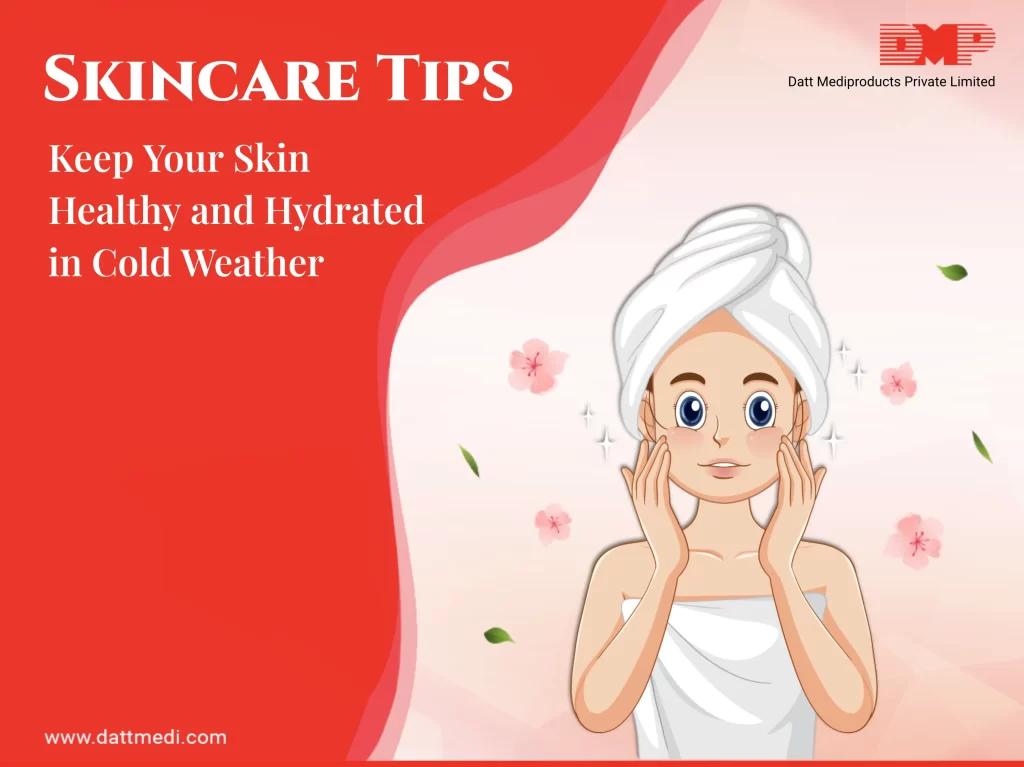
As winter approaches, it brings along cold temperatures and dry air, which can take a toll on our skin. To maintain a healthy and hydrated complexion during the chilly months, it’s important to adjust our skincare routine accordingly. In this blog, we will explore some effective winter skincare tips to help you protect and nourish your skin, ensuring it stays radiant and moisturized throughout the season.

Hydrate from Within:

In cold weather, it’s common for us to reduce our water intake, as we don’t feel as thirsty as we do during hot summer days. However, maintaining proper hydration is essential for healthy skin, regardless of the season.

Drinking an adequate amount of water will help keep your skin hydrated from within, preventing it from becoming dry and dull. Aim to drink at least 8 glasses of water per day, and consider incorporating hydrating beverages like herbal teas or infused water to add variety and flavour.

Moisturize Regularly:

One of the key steps in a winter skincare routine is moisturizing regularly. Cold air and low humidity levels can strip the skin of its natural moisture, leading to dryness and irritation. To combat this, opt for a rich, nourishing moisturizer that contains ingredients like hyaluronic acid, glycerine, or ceramides. Apply it generously to your face and body after cleansing, focusing on areas prone to dryness such as the hands, elbows, and knees. For added protection, consider using a thicker moisturizer at night and a lighter one during the day, along with a sunscreen to shield your skin from harmful UV rays.

Gentle Cleansing:

While it’s important to keep your skin clean, aggressive cleansing can strip away essential oils and disrupt the skin’s natural barrier. During winter, switch to a mild, hydrating cleanser that won’t further dry out your skin. Look for products that are free from harsh chemicals and fragrances, as these can be particularly drying. Additionally, avoid using hot water for cleansing, as it can deplete the skin’s natural moisture. Instead, use lukewarm water and pat your skin dry with a soft towel, leaving some moisture behind to help lock in hydration.

Protect Your Skin:

Cold weather often comes with harsh winds, which can cause windburn and exacerbate skin dryness. Shield your skin from these elements by wearing protective clothing, such as scarves, hats, and gloves, that cover exposed areas. Additionally, don’t forget to apply a broad-spectrum sunscreen with an SPF of 30 or higher, even on cloudy days. UV rays can still penetrate the clouds and cause damage to your skin. Reapply sunscreen every two hours, especially if you engage in outdoor activities.

Humidify Your Environment:

Indoor heating systems can further deplete the moisture levels in the air, leading to dry and irritated skin. To counteract this, invest in a humidifier to add moisture back into the environment. Place it in the rooms where you spend the most time, such as your bedroom or living room. A humidifier will help combat the dryness caused by artificial heating and create a more comfortable and skin-friendly environment. Remember to clean and maintain the humidifier regularly to prevent the growth of bacteria or mould.

Maintaining healthy and hydrated skin during the winter months requires a few adjustments to your skincare routine. By following these tips, including staying hydrated, moisturizing regularly, using gentle cleansers, protecting your skin, and humidifying your environment, you can keep your skin nourished and radiant despite the cold weather. Embrace these practices, and enjoy a winter season with healthy and glowing skin.

Logo

Datt Mediproducts Private Limited

Loading