

Showering with Wounds: Tips for Staying Clean and Safe During Healing
Keeping wounds clean and dry is essential for proper healing. However, many people worry about showering with wounds or bathing with an open wound and the potential risks of exposing wounds to water. Without proper precautions, water exposure can lead to complications like infections, delayed healing, or dressing displacement.
Risks of Showering with Wounds
- Infection Risks: Water, especially non-sterile water, can introduce bacteria into the wound, increasing the risk of infection.
- Delayed Healing: Excessive moisture can disrupt the wound environment, causing the skin to swell, affecting moisture balance and slowing the healing process.
- Dressing Displacement: Bathing may cause bandages or dressings to loosen or fall off, exposing the wound to contaminants.
Do’s for Wound Care When Bathing
- Use Waterproof Dressings: Protect your wound from water exposure by using waterproof dressings, which help prevent infection and promote proper healing.
- Cover the Wound: If waterproof dressings aren’t available, use plastic wrap or a waterproof barrier to keep the wound dry.
- Opt for Showers Over Baths: Showers reduce the risk of soaking wounds, as water flows off the body rather than submerging the wound.
Don’ts for Wound Care When Bathing
- Avoid Soaking: Stay away from tubs, pools, or hot tubs, as they introduce bacteria and disrupt the wound environment.
- Don’t Rub the Wound Area: Avoid scrubbing or applying soap directly on the wound to prevent irritation or removal of protective layers.
- Avoid High-Pressure Water: Strong water pressure can disturb scabs, disrupt dressings, or cause discomfort.
Waterproof Dressing Options
1. Adhesive Films:
Velfix® – T Film: Provides a waterproof, breathable seal to protect wounds from water exposure.
2. Foam Dressings with Borders:
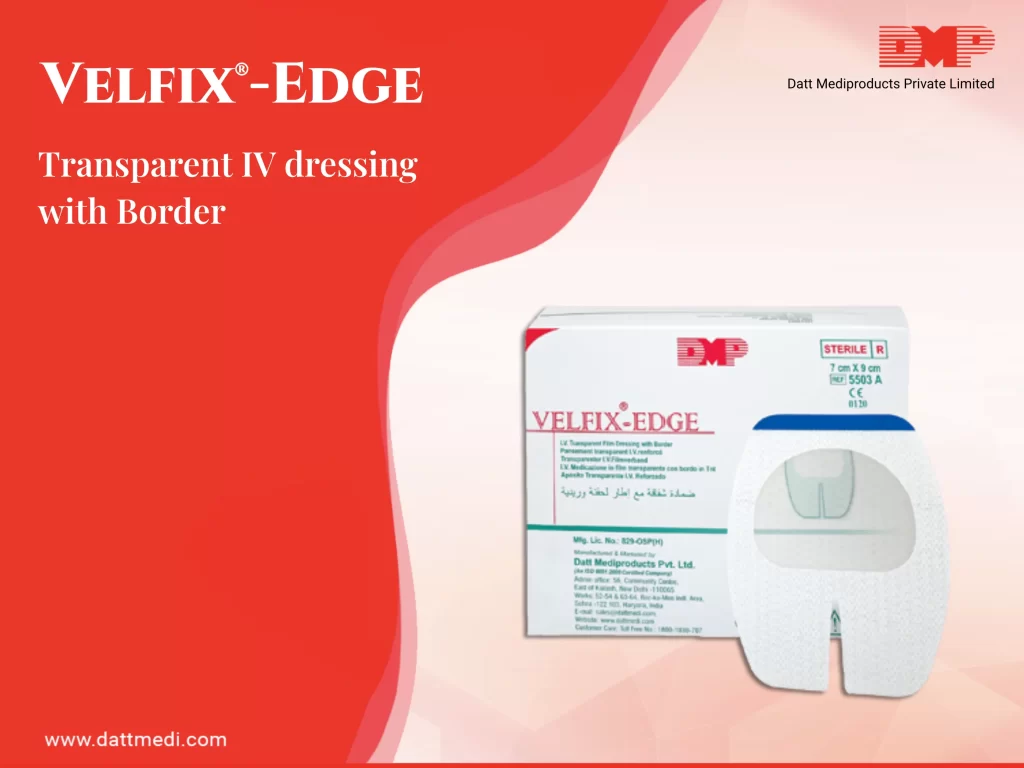
Velfix® – Edge: Features an adhesive border that creates a secure seal, preventing water from entering.
3. Silicone-Based Dressings:
Velfix® – Secure (PICC): Designed for long-term wound protection with a waterproof and skin-friendly seal.
4. Adhesive Tapes:
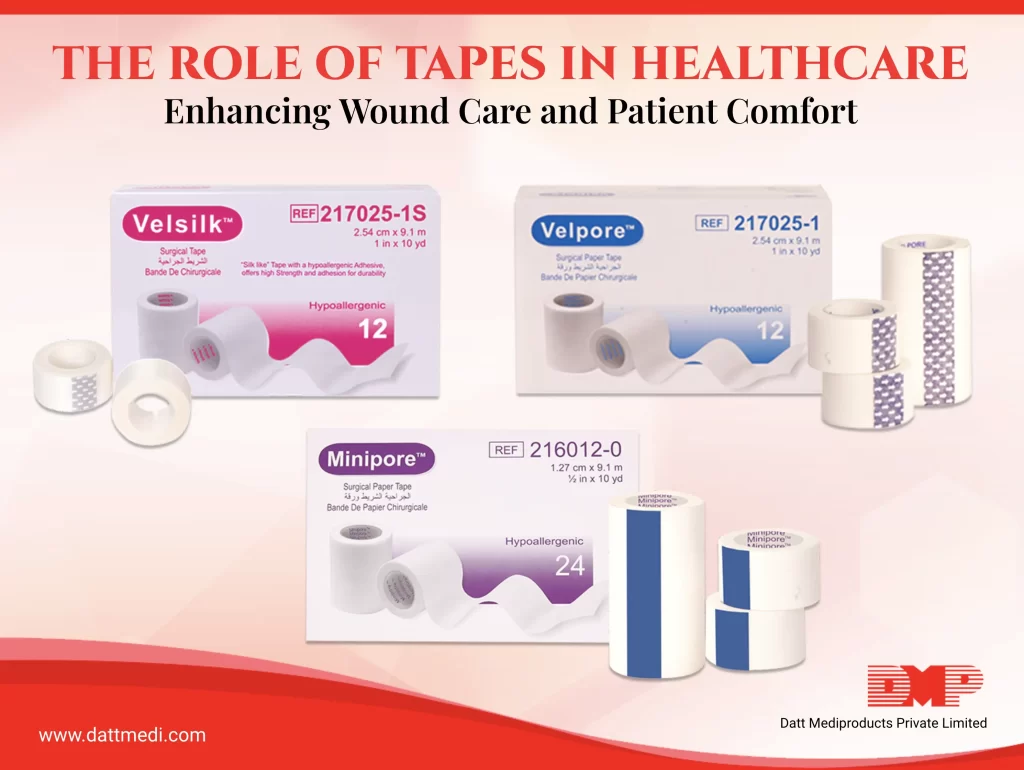
Velpore™ – T: A strong yet gentle adhesive tape that secures dressings in place, ensuring they remain effective during showers.
Steps for Showering with a Wound
- Prepare the Wound: Clean and dress the wound before showering to ensure protection.
- Use Lukewarm Water: Avoid hot or high-pressure water that could irritate the wound.
- Pat Dry Carefully: After showering, gently pat the dressing dry with a soft, clean towel.
Signs to Watch For
If you notice redness, swelling, unusual discharge, persistent discomfort, warmth around the wound, or a foul odor, contact a healthcare provider immediately. These may indicate an infection or irritation that requires medical attention.
With the right precautions and waterproof dressings, showering with a wound can be safe and manageable. Choosing high-quality products helps protect wounds and support optimal healing. Always follow your healthcare provider’s guidance for the best wound care practices.