


Search by Blog
Read by Category

Your healing journey continues beyond this blog

Find the right products for better recovery at online store
Cart Image
Skin Integrity in Extreme Weather

Protecting Skin Integrity in Extreme Weather: Hot and Cold Temperature Care Tips

Extreme weather conditions, whether hot or cold, can significantly affect skin integrity, potentially compromising the body’s natural healing process.

Maintaining healthy skin is vital not only for general well-being but also for promoting effective wound healing. In this blog, we’ll explore how extreme temperatures impact skin health and share tips to protect your skin and wounds year-round.

Challenges in Hot Weather

1. Heat and Humidity

Hot temperatures combined with high humidity levels increase perspiration, which can lead to moisture-related skin breakdown. The skin may become macerated, making it more vulnerable to irritation and infection, especially in sensitive areas like underarms and groin.

2. Sun Exposure

Excessive UV radiation from sun exposure can damage the skin, leading to sunburn, heat rashes, and increased risk of further skin issues. Sunburned skin is more prone to infection, which can delay the healing of existing wounds.

3. Dehydration Risks

Hot weather can cause dehydration, which impacts skin hydration and weakens the skin’s barrier function. When skin becomes dry and cracked, it loses its ability to protect against pathogens, affecting both general skin health and wound healing.

Challenges in Cold Weather

  • Dry Air – Cold air often lacks moisture, leading to dehydration of the skin, making it dry and prone to cracks or fissures. These cracks provide an entry point for bacteria, which can cause infections and delay healing.
  • Reduced Blood Flow – In colder temperatures, blood circulation to the skin decreases, which can hinder the delivery of essential nutrients and oxygen to skin cells, slowing down the skin’s natural repair processes and impeding wound healing.
  • Layered Clothing – While layering clothing can help retain warmth in cold weather, it may also cause friction, especially in sensitive or healing areas. This friction can irritate the skin and make it more susceptible to damage.

Tips for Maintaining Skin Integrity in Hot Weather

Stay Hydrated

Hydration is key for healthy skin. Drink plenty of water throughout the day to keep your skin moist from the inside out and to support overall skin health.

Protective Clothing

Wear lightweight, breathable fabrics to allow airflow and reduce sweating. UV-protective clothing can also help shield your skin from harmful sun exposure.

Skin Cleansing and Moisturization

To avoid sweat buildup, ensure regular skin cleansing, followed by the application of a lightweight, non-comedogenic moisturizer. This will help lock in hydration without clogging pores.

Tips for Maintaining Skin Integrity in Cold Weather

  • Hydrating Moisturizers – Cold air can strip the skin of moisture. Use thicker, oil-based moisturizers to prevent water loss and keep the skin barrier intact.
  • Humidify Indoor Air – Consider using humidifiers indoors to add moisture to the air and prevent skin dehydration caused by dry environments.
  • Gentle Skin Care Routine – Avoid using hot water when washing your face or body, as this can further dry out the skin. Opt for mild, fragrance-free cleansers that won’t irritate the skin or damage its natural protective layer.

Special Considerations for Wound Care

i) Temperature Regulation

Maintaining a moderate temperature for wound healing is essential. Extreme heat can worsen inflammation and slow down healing, while cold can cause a reduction in circulation. Aim for a comfortable, consistent environment to support optimal recovery.

ii) Dressing Types

For hot weather, choose dressings that can absorb excess moisture and prevent maceration. For cold weather, opt for dressings that retain moisture to keep the wound hydrated and prevent cracking or dryness.

Regular Inspection

In extreme weather conditions, skin changes can happen quickly. It’s important to inspect your skin and any wounds frequently to monitor for signs of irritation, infection, or other complications.

As the seasons change, so should your skincare routine. Understanding how hot and cold temperatures affect skin integrity is key to protecting your skin and supporting proper wound healing.

By making small adjustments to your daily habits, you can ensure that your skin remains healthy and wounds heal effectively, no matter the weather.

Stay vigilant and adjust your routine as needed to safeguard your skin and enhance your healing process throughout the year.
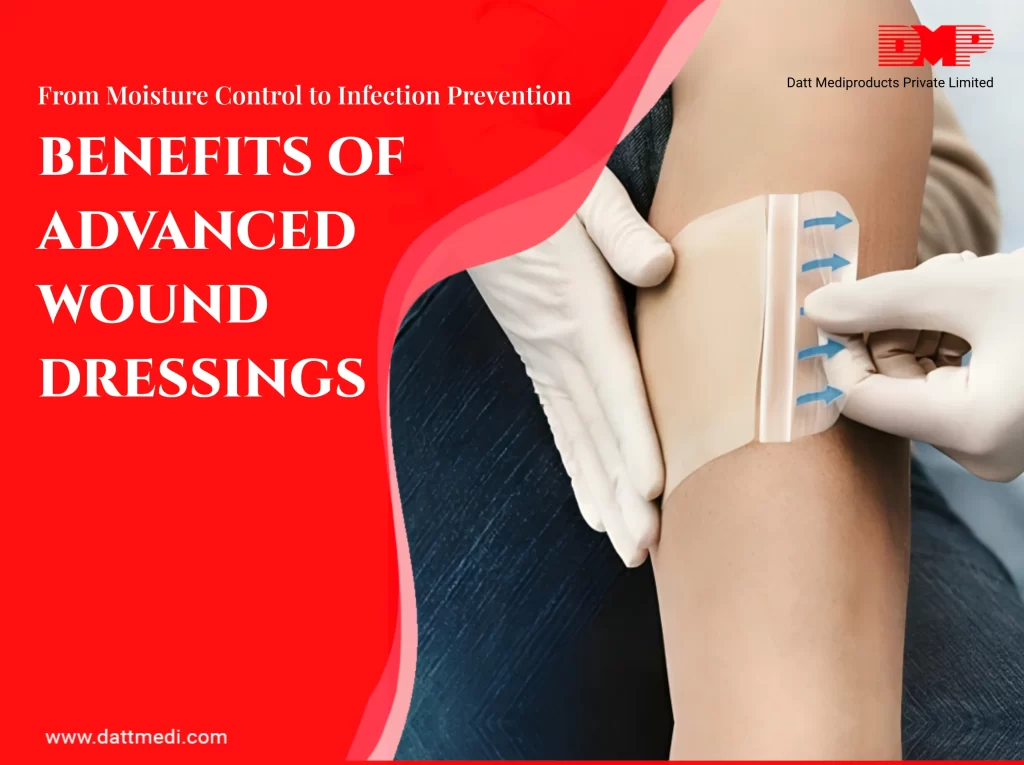
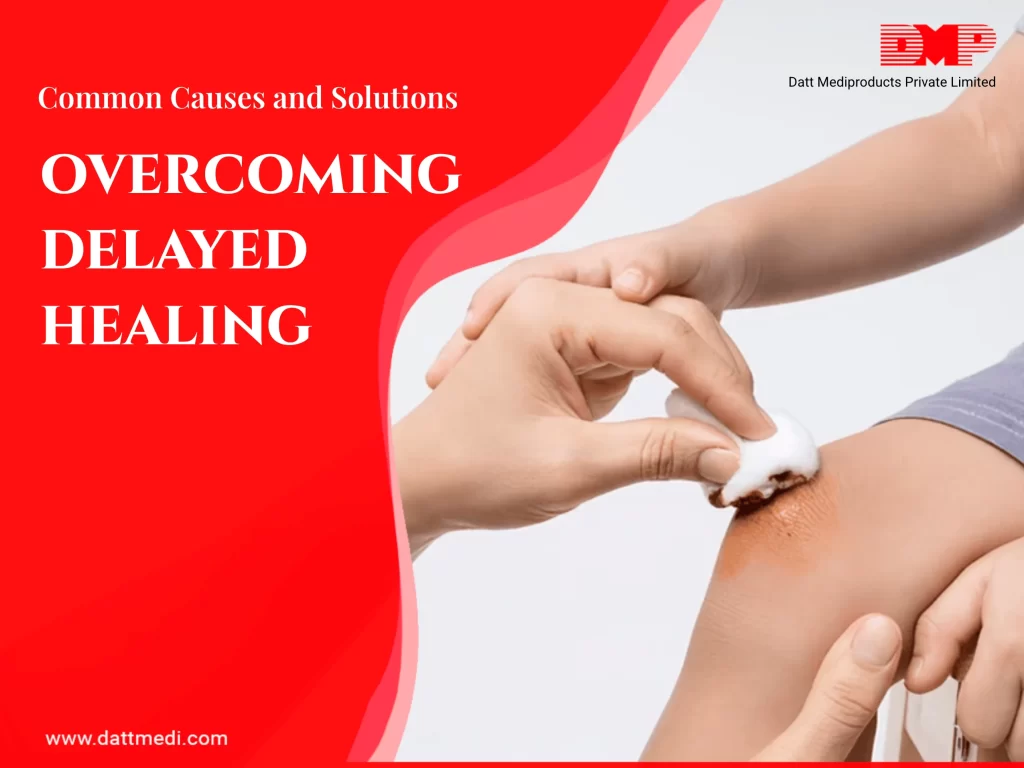
Visit www.dattmedi.com for more infomation.
Share:
Recent Blogs
Wound during physical activity

Healing on the Go: Orthopedic and Wound Care Solutions for Physical Activity

Recovery doesn’t mean slowing down. Staying active while recovering from an injury or managing a wound doesn’t have to be an impossible task. With the right products and strategies, you can keep moving while ensuring that your recovery stays on track.

Whether you’re returning to your workout routine after surgery, dealing with an orthopedic injury, or healing a wound, we’ve got you covered.  Let’s dive into how you can integrate orthopedic and wound care products into your active lifestyle to keep you on the move and in the game.

The hidden risks of being active during recovery

Exercise helps circulation and mental health, but certain movements can disrupt healing. 
For wounds, bending, twisting, or sweating can weaken dressings and delay recovery.

EXAMPLE

Imagine a wound that’s healing well, but every time you move, the bandage loosens or moisture from sweat causes irritation. That can delay healing, reopen a wound, or even introduce bacteria. Similarly, orthopedic injuries like fractures or sprains require careful management to avoid strain that hinders healing.

The first rule of staying active during recovery?

Keep wounds protected during physical activity. The right products will shield your injury from friction, dirt, and moisture while allowing the skin to breathe. Opt for dressings that stay secure, comfortable, and irritation-free.

Our top products for Active Healing

When it comes to active recovery, we understand that you need products that work with you, not against you. That’s why we recommend products designed for ultimate support and flexibility.

  • Velpore™, Pressure-Sensitive Adhesive Tape:
    Hypoallergenic and breathable, it keeps dressings in place during physical activity without skin irritation.
  • Velfix® T+Pad, Waterproof Dressing:
    Ideal for post-surgical recovery, this waterproof dressing provides a bacterial barrier while you stay active.
  • Velfix® -T Film, Transparent Dressing:
    Clear, waterproof, and flexible, it offers protection while maintaining full range of motion.

When dealing with an orthopedic injury, immobilization is essential—but that doesn’t mean you have to sit on the sidelines.  Whether it’s a sprain, strain, or fracture, finding the right orthopedic product can help ensure that your recovery stays on track, even as you navigate through your day-to-day activities.

Hygiene: Clean up after movement

Excess sweat and dirt can compromise wound care. Velfix® -T+Pad helps manage moisture and ensures easy post-workout cleaning, preventing infection while maintaining healing.

While staying active is crucial, some exercises may be more beneficial than others during recovery. Low-impact activities like walking, swimming, or cycling can promote healing without overstraining your injury.

Recognize when to pause

Pay attention to swelling, redness, or increased pain after activity. If these occur, rest and assess—early intervention ensures faster recovery.

Holistic Healing: Rest & Nutrition

Healing requires proper rest and nutrition. A balanced diet, hydration, and enough sleep support tissue repair and overall recovery. Include vitamins, protein, and antioxidants to aid healing. Stay active and heal efficiently by using the right wound care and orthopedic products. With proper protection, hygiene, and mindful activity, your recovery journey can stay on track.

Why Muscle Strains Happen

Understanding Muscle Strains: Causes and Effective Recovery Strategies

A muscle strain, or muscle pull, occurs when a muscle is overstretched or torn. This common injury can disrupt daily activities, causing pain and limiting mobility. Understanding the causes and effective recovery strategies can help you heal faster and prevent future injuries. Muscle strains typically happen when the muscle is pushed beyond its limit.

Key factors include:

  1. Overexertion: Intense activity without proper preparation.
  2. Sudden Movements: Abrupt actions, like twisting or jerking.
  3. Lack of Warm-up: Skipping stretching or warm-up exercises.
  4. Poor Posture or Repetitive Motion: These can strain muscles over time.

Recognizing the signs early helps with effective treatment:

  • Sharp or throbbing pain, especially during movement.
  • Inflammation in the affected area.
  • Difficulty moving the muscle fully.
  • Visible bruising from damaged blood vessels.

Start your recovery with these steps:

Rest: Avoid using the muscle until pain subsides.

Ice: Apply ice for 20 minutes every 2 hours to reduce swelling and numb the pain.

Compression: Use a compression bandage to stabilize the muscle and reduce swelling.

Elevation: Elevate the injured area to help reduce swelling.

Velcool®: Instant Cooling Relief

Cooling is one of the best ways to reduce inflammation post-activity. Cold therapy constricts blood vessels, decreases swelling, and slows inflammation. Velcool® offers a convenient and effective solution for reducing swelling and alleviating pain. Its long-lasting cooling effect ensures optimal comfort during the initial recovery phase.
Compression improves circulation and accelerates healing by reducing swelling. Our compression bandages provide targeted support to help the muscle heal more efficiently.

Cokomp™ : Reliable Compression Support

Once inflammation is controlled, compression is crucial for ongoing healing. Cokomp™ provides targeted support, ensuring consistent pressure that enhances circulation and accelerates the healing process. Its lightweight and durable material makes it a perfect choice for both acute care and ongoing recovery.

Once pain subsides:
Begin gentle stretches to restore flexibility.
Slowly incorporate exercises to rebuild muscle strength and prevent future injuries.
Don’t rush back into your normal routine.

Additional recovery tips:

  1. As healing progresses, physical therapy can restore range of motion.
  2. After 48 hours, apply heat to relax muscles and improve circulation.
  3. Stay hydrated and eat a balanced diet rich in protein and vitamins to support muscle repair.

When to consult a healthcare provider:

  1. Persistent pain despite rest.
  2. Inability to move the muscle.
  3. Severe swelling that doesn’t improve.

To reduce the risk of future strains:

  1. Always stretch before physical activity.
  2. Regular strength training can prevent strains.
  3. Ensure good form during exercise to avoid unnecessary strain.

By understanding muscle strains and following effective recovery strategies, you can heal faster and prevent re-injury. Our compression bandages are a key tool in your recovery, offering support and reducing swelling for quicker healing. Explore innovative solutions to support a healthier, more active season ahead.

Logo

Datt Mediproducts Private Limited

Loading
