
Discover Informative Blogs
on Healthcare Solutions

Discover Informative Blogs
on Healthcare Solutions

Tag: Datt Mediproducts

Search by Blog
Read by Category

Your healing journey continues beyond this blog

Find the right products for better recovery at online store
Cart Image
Knee brace and compression sleeve comparison

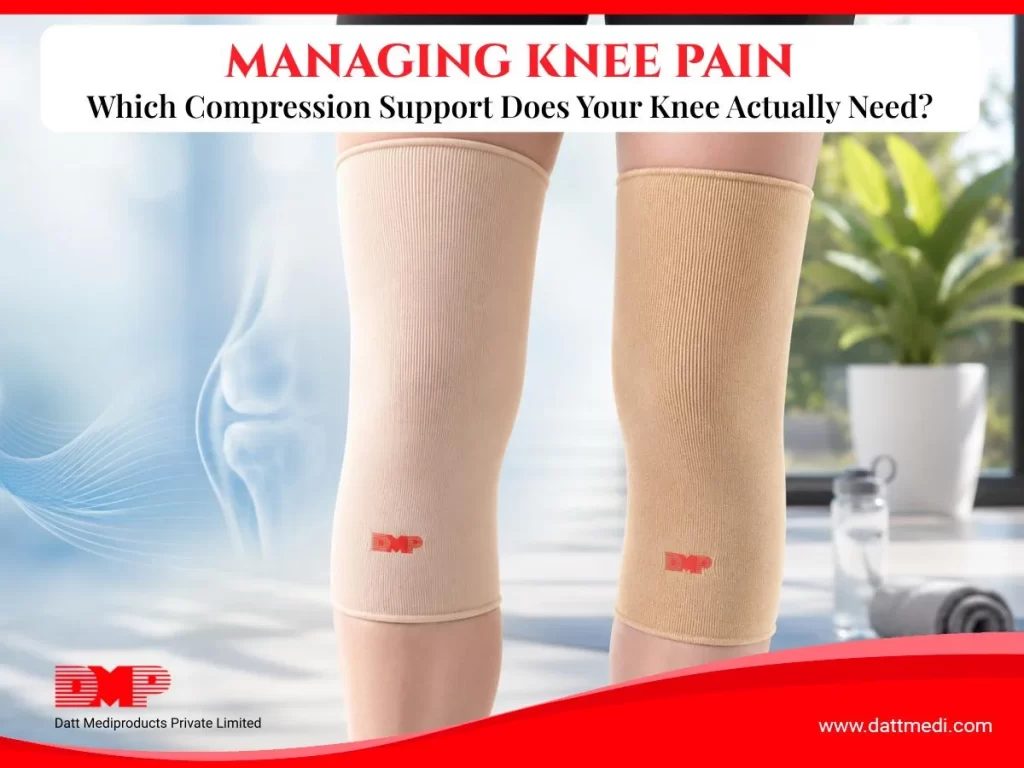
Knee compression supports are one of the most commonly used orthopaedic aids — for good reason. They reduce swelling, provide joint stability, and allow people to stay active during recovery. But picking the wrong one delivers less benefit than it should.

The Datt Mediproducts range includes two knee compression supports: the Knee Cap® and the Knee Cap Classic®. Both share the same anatomically tapered form and four-way elasticised construction, but differ in material composition — and that difference matters for fit, stretch, and the conditions each handles best.

This guide breaks down both products clearly so you can match the right support to the right situation.

Understanding Knee Compression Supports

Before comparing the two products, it helps to understand what knee compression supports actually do — and what they don’t.

A compression sleeve works by applying graduated pressure around the knee joint. This pressure does three things: it reduces fluid accumulation in the surrounding tissue (reducing swelling), it improves proprioception — the joint’s sense of its own position in space — which improves stability and coordination, and it provides mild structural support to the muscles and ligaments surrounding the joint.

Compression sleeves are not rigid braces. They do not prevent movement or immobilise the joint. Their role is to support the knee while allowing full, natural range of motion — making them suitable for both active use during daily activity and recovery phases where movement is encouraged.

Knee Cap® vs Knee Cap Classic®: What Is Actually Different?

Both products share the same core design: anatomically tapered, four-way elasticised fabric, breathable moisture-transporting weave, beige colour, and easy pull-on application. Available in S to XXL (37–67 cm thigh circumference). The key difference is material composition.

FeatureKnee Cap®Knee Cap Classic®
MaterialPolyamide, Polyester, Cotton, Nylon, Spandex, RubberPolyamide, Polyester, Cotton, Rubber
Key differentiatorContains Spandex + Nylon — higher elasticity and stretch recoveryNo Spandex — firmer, more structured fabric
Compression feelSofter, more flexible compression — moves freely with the jointFirmer, more structured compression — greater sense of support
Best forActive use, exercise, long-duration wear, mild-to-moderate conditionsRecovery, post-operative support, instability, conditions needing firmer hold
IndicationsArthritis, swelling, sprains, ligament/muscle injury, post-op, weak kneesArthritis, swelling, sprains, ligament/muscle injury, post-op, weak knees
SizesS, M, L, XL, XXLS, M, L, XL, XXL
ColourBeigeBeige

Knee Cap® — When to Choose It

The inclusion of Spandex and Nylon gives the Knee Cap® a higher degree of stretch and elastic recovery. The fabric moves with the joint rather than resisting it, making it more comfortable for extended wear and higher-activity use.

Best suited to:

  • Daily activity support — long hours of standing, walking, or commuting
  • Exercise and sports — where full range of motion is needed alongside compression
  • Mild-to-moderate swelling from arthritis or overuse
  • Sprains and strains in active recovery, where movement is encouraged
  • Individuals who have worn a rigid brace and are transitioning to lighter support
  • Long-duration wear where breathability and comfort are priorities

The four-way stretch and moisture-transporting weave make it particularly well-suited to warmer climates or extended wear through a full workday.

Knee Cap Classic® — When to Choose It

Without Spandex, the Knee Cap Classic® fabric is slightly firmer and provides a more structured feel against the joint. For some users — particularly those managing instability or recovering from injury — this firmer hold provides greater confidence during movement.

Best suited to:

  • Post-operative knee support — where firmer compression is preferred in the early recovery phase
  • Ligament injuries — where the joint needs a stronger sense of containment
  • Knee instability — where proprioceptive feedback from firmer compression helps prevent giving way
  • Arthritic pain management — particularly where the joint feels loose or unpredictable
  • Individuals who find softer sleeves feel insufficient for their level of discomfort
The Classic’s firmer structure makes it the better starting point when someone is first introducing compression support and needs the reassurance of a more defined hold.

Clinical Indications: Both Products

Both the Knee Cap® and Knee Cap Classic® are indicated for the same range of conditions. The choice between them is about compression feel and activity level, not about which conditions they cover.

  • Arthritic knee pain — reduces swelling and improves joint comfort during movement
  • Swelling from injury or post-operative recovery — graduated compression reduces fluid accumulation
  • Ligament and muscle injuries — supports the surrounding soft tissue during healing
  • Sprains and strains — protects the joint during active recovery
  • Stabilisation of weak knees — improves proprioception and confidence during weight-bearing
  • Post-operative knee support — provides compression during the rehabilitation phase

How to Size Correctly

Both products are sized by thigh circumference, measured approximately 15 cm above the centre of the kneecap. An incorrect size is one of the most common reasons compression sleeves underperform — too loose provides minimal compression; too tight restricts circulation.

SizeInchesCentimetres
S14.8 – 17.2″37 – 43 cm
M17.2 – 19.6″43 – 49 cm
L19.6 – 22″49 – 55 cm
XL22 – 24.4″55 – 61 cm
XXL24.4 – 26.8″61 – 67 cm

Safe Use Guidelines

When to Wear It

Compression sleeves are designed for use during periods of activity and weight-bearing — standing, walking, exercising. Most people do not need to wear them at night or during extended rest periods. If your clinician has advised otherwise, follow their specific guidance.

Combining with Rehabilitation

Compression support works alongside rehabilitation — not instead of it. Quadriceps strengthening, hamstring flexibility, and hip stability exercises address the underlying muscle weakness that contributes to knee instability and pain. A compression sleeve manages symptoms during activity; exercise addresses the cause.

Signs the Fit Needs Adjusting

  • Sleeve rolls down or bunches behind the knee — size may be too large
  • Visible skin bulging above or below the sleeve — size may be too small
  • Numbness, tingling, or increased swelling below the knee — too tight, remove immediately
  • No perceptible compression when standing — fabric has lost elasticity, replace the sleeve
Managing Orthopedic Injuries

Related reading: From the Field to Recovery: Orthopedic Injury Essentials for Athletes

When Compression Is Not Enough

Compression sleeves are appropriate for a wide range of common knee conditions. However, some situations require more rigid structural support than a sleeve can provide:

  • Significant ligament instability (ACL, PCL, MCL, LCL tears) — typically requires a hinged brace
  • Meniscal injuries with mechanical symptoms (locking, giving way) — requires clinical assessment
  • Post-operative immobilisation immediately after surgery — rigid brace or cast typically prescribed
  • Fractures or bone stress injuries — require immobilisation, not compression
If you are unsure which level of support your condition requires, consult a physiotherapist or orthopaedic specialist before selecting a product.

Choosing the Right Support from the Start

The difference between the Knee Cap® and Knee Cap Classic® comes down to how the compression feels against the joint and what activity level the sleeve needs to accommodate. For flexible, active, long-duration use — the Knee Cap®. For a firmer, more structured hold during recovery or instability — the Knee Cap Classic®.

Both are sized S to XXL, both are breathable and pull-on, and both cover the full range of common knee conditions. The right one is the one that matches how your knee feels and what you need it to do.

Browse: Knee Cap®  |  Knee Cap Classic®
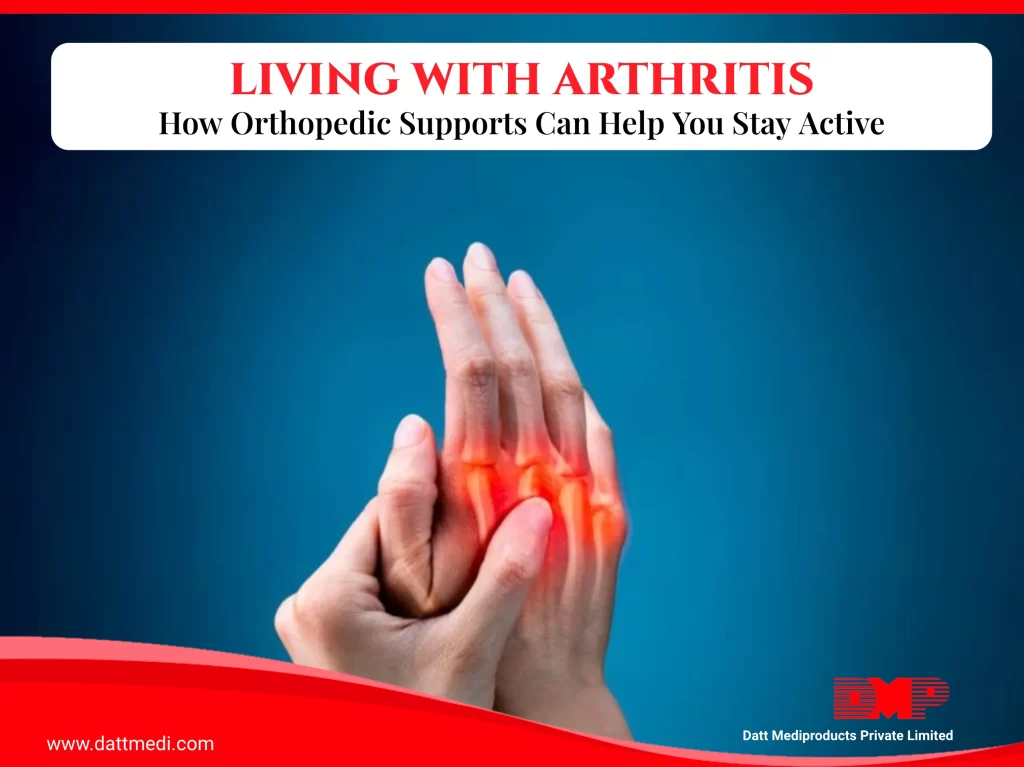
Understanding Arthritis

Related reading: The Role of Orthopedic Support Products in Arthritis Pain Management
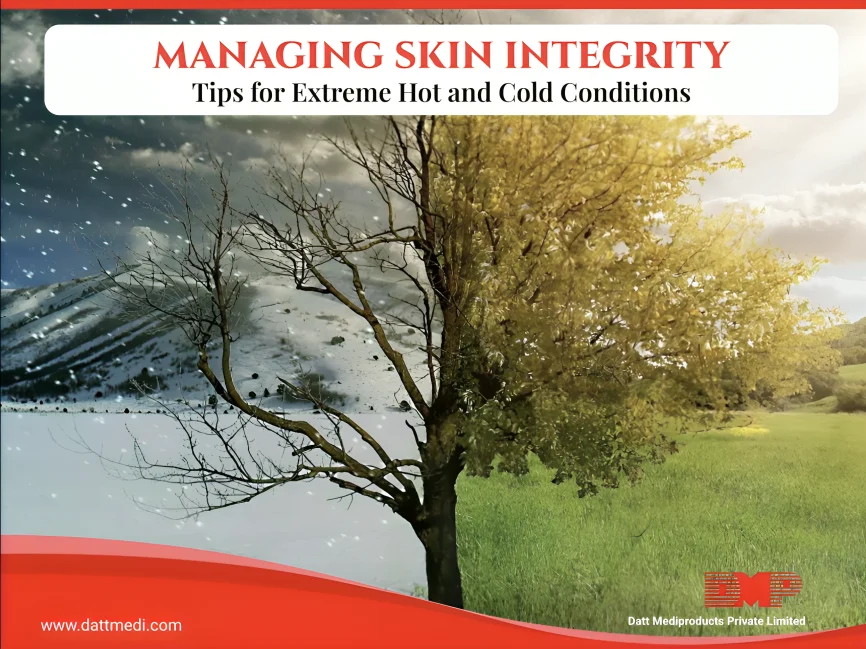
Skin Integrity in Extreme Weather

Protecting Skin Integrity in Extreme Weather: Hot and Cold Temperature Care Tips

Extreme weather conditions, whether hot or cold, can significantly affect skin integrity, potentially compromising the body’s natural healing process.

Maintaining healthy skin is vital not only for general well-being but also for promoting effective wound healing. In this blog, we’ll explore how extreme temperatures impact skin health and share tips to protect your skin and wounds year-round.

Challenges in Hot Weather

1. Heat and Humidity

Hot temperatures combined with high humidity levels increase perspiration, which can lead to moisture-related skin breakdown. The skin may become macerated, making it more vulnerable to irritation and infection, especially in sensitive areas like underarms and groin.

2. Sun Exposure

Excessive UV radiation from sun exposure can damage the skin, leading to sunburn, heat rashes, and increased risk of further skin issues. Sunburned skin is more prone to infection, which can delay the healing of existing wounds.

3. Dehydration Risks

Hot weather can cause dehydration, which impacts skin hydration and weakens the skin’s barrier function. When skin becomes dry and cracked, it loses its ability to protect against pathogens, affecting both general skin health and wound healing.

Challenges in Cold Weather

  • Dry Air – Cold air often lacks moisture, leading to dehydration of the skin, making it dry and prone to cracks or fissures. These cracks provide an entry point for bacteria, which can cause infections and delay healing.
  • Reduced Blood Flow – In colder temperatures, blood circulation to the skin decreases, which can hinder the delivery of essential nutrients and oxygen to skin cells, slowing down the skin’s natural repair processes and impeding wound healing.
  • Layered Clothing – While layering clothing can help retain warmth in cold weather, it may also cause friction, especially in sensitive or healing areas. This friction can irritate the skin and make it more susceptible to damage.

Tips for Maintaining Skin Integrity in Hot Weather

Stay Hydrated

Hydration is key for healthy skin. Drink plenty of water throughout the day to keep your skin moist from the inside out and to support overall skin health.

Protective Clothing

Wear lightweight, breathable fabrics to allow airflow and reduce sweating. UV-protective clothing can also help shield your skin from harmful sun exposure.

Skin Cleansing and Moisturization

To avoid sweat buildup, ensure regular skin cleansing, followed by the application of a lightweight, non-comedogenic moisturizer. This will help lock in hydration without clogging pores.

Tips for Maintaining Skin Integrity in Cold Weather

  • Hydrating Moisturizers – Cold air can strip the skin of moisture. Use thicker, oil-based moisturizers to prevent water loss and keep the skin barrier intact.
  • Humidify Indoor Air – Consider using humidifiers indoors to add moisture to the air and prevent skin dehydration caused by dry environments.
  • Gentle Skin Care Routine – Avoid using hot water when washing your face or body, as this can further dry out the skin. Opt for mild, fragrance-free cleansers that won’t irritate the skin or damage its natural protective layer.

Special Considerations for Wound Care

i) Temperature Regulation

Maintaining a moderate temperature for wound healing is essential. Extreme heat can worsen inflammation and slow down healing, while cold can cause a reduction in circulation. Aim for a comfortable, consistent environment to support optimal recovery.

ii) Dressing Types

For hot weather, choose dressings that can absorb excess moisture and prevent maceration. For cold weather, opt for dressings that retain moisture to keep the wound hydrated and prevent cracking or dryness.

Regular Inspection

In extreme weather conditions, skin changes can happen quickly. It’s important to inspect your skin and any wounds frequently to monitor for signs of irritation, infection, or other complications.

As the seasons change, so should your skincare routine. Understanding how hot and cold temperatures affect skin integrity is key to protecting your skin and supporting proper wound healing.

By making small adjustments to your daily habits, you can ensure that your skin remains healthy and wounds heal effectively, no matter the weather.

Stay vigilant and adjust your routine as needed to safeguard your skin and enhance your healing process throughout the year.

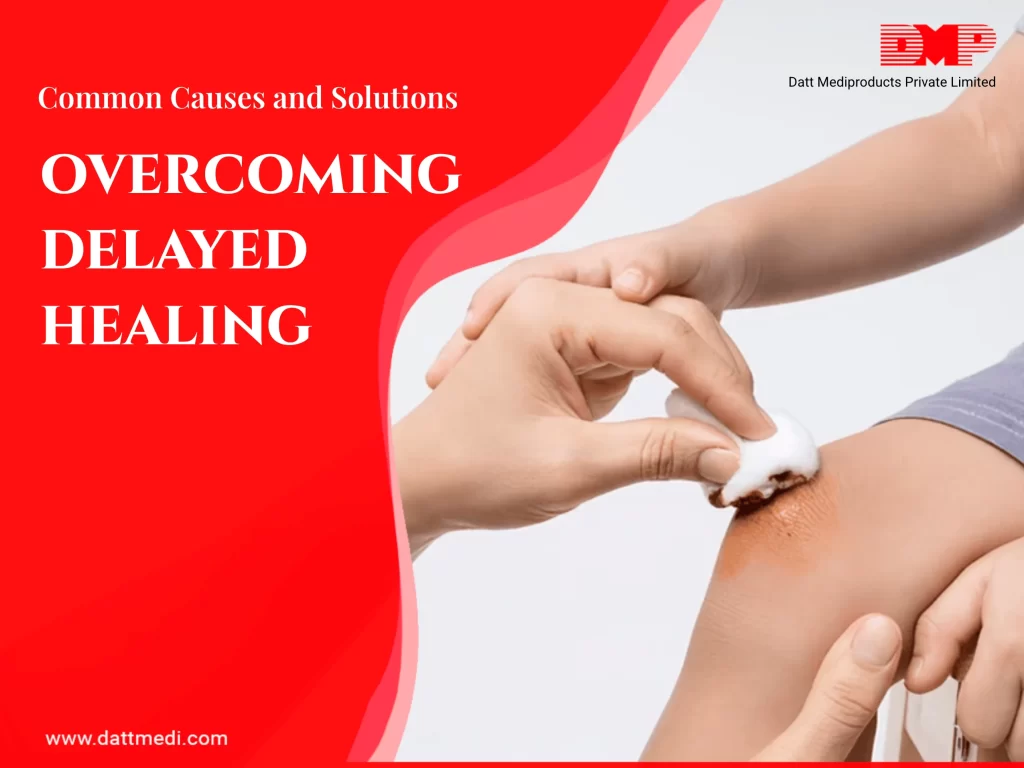
Overcoming Delayed Healing

Overcoming Delayed Healing: Common Causes and Practical Tips

Healing is a natural process—but sometimes, wounds don’t heal as quickly as expected. Delayed healing can impact physical comfort, increase the risk of infection, and reduce quality of life.

The good news…
Many common causes of delayed healing can be managed with simple lifestyle adjustments. Let’s explore these causes and discover actionable tips for improving the healing process.

Understanding Delayed Healing

Wound healing is influenced by various factors—some within our control, others that may require professional intervention. Identifying these causes is the first step toward a faster, more efficient recovery.

Common Causes of Delayed Healing

  • Poor Nutrition: Lack of essential nutrients, such as proteins, amino acids, fatty acids, carbohydrates, vitamins (A, C & E) and micronutrients (magnesium and zinc) to name a few, slows tissue repair by affecting one or more phases of the wound healing process.
  • Inadequate Hydration: Dehydration impairs skin regeneration.
  • Underlying Health Conditions: Conditions like diabetes, diabetes associated neuropathy, vascular diseases, or immune disorders can complicate healing.
  • Smoking or Alcohol Consumption: These enhance host susceptibility to infections that lead to impaired angiogenesis thereby reducing blood flow and oxygen delivery to tissues which are essential for wound healing.
  • Stress and Poor Sleep: Disrupt hormone balance and deregulate the immune system, which directly affects recovery. Additionally, stressed individuals are more likely to develop unhealthy habits such as inadequate nutrition, smoking, less exercise, poor sleep patterns; negatively modulating the healing mechanism.
  • Infection or Repeated Trauma to the Wound: Can significantly hinder the healing process. Microorganisms obtain easy access to the underlying tissues when skin is injured. The presence of replicating microorganisms in the wound elongates the inflammatory phase of the wound healing process. This can lead to the wound to enter into a chronic state with significant delay in wound healing.

Nutrition & Hydration Matter

Proper nutrition is essential for healing.

Incorporate the following into your diet:

  • Lean proteins (eggs, fish, legumes) for tissue repair
  • Fresh fruits and vegetables for vitamins and antioxidants
  • Whole grains to support energy levels and tissue growth
Tip: Staying well-hydrated ensures nutrients are transported to your cells, promoting faster healing and flushing out toxins.

Sleep & Stress Management

Proper rest accelerates healing. Focus on these habits:

  • Aim for 7–9 hours of sleep each night.
  • Practice mindfulness or relaxation techniques to reduce stress.
  • Limit screen time and caffeine before bed to enhance sleep quality.

Did You Know? Chronic stress raises cortisol levels, slowing wound recovery.

Daily Movement & Gentle Activity

Physical activity promotes circulation, which helps deliver oxygen and nutrients to healing tissues:

  • Engage in light activities, like short walks, if possible.
  • Avoid putting pressure on the wound site, and take care to avoid friction.
  • Elevate limbs to reduce swelling.
Important: Always follow your healthcare provider’s advice regarding movement and wound care.

Basic Wound Hygiene

Maintaining wound hygiene is crucial:

  • Keep the wound clean and protected with proper dressings.
  • Change dressings regularly, as advised by your healthcare provider.
  • Avoid touching or scratching the wound area.
Pro Tip: Wash your hands thoroughly before and after touching a wound to reduce infection risk.

When to Seek Help

If your wound isn’t healing as expected or you get fever or flu-like symptoms or the wound shows signs of infection (such as increased redness, heat, swelling, pus, or a foul odor), seek professional medical guidance. Conditions like diabetes or circulatory issues may require specialized wound care.

Take Small Steps Toward Better Healing

Every small change—from better hydration to taking a short walk—adds up. By staying informed and committed to your healing process, you give your body the best chance to recover naturally.

Empowering You with the Right Solutions

At Datt Mediproducts, we understand the importance of optimal healing. While we don’t provide medical treatment, our advanced wound care solutions are designed to support your recovery by offering comfort, protection, and care where it matters most.


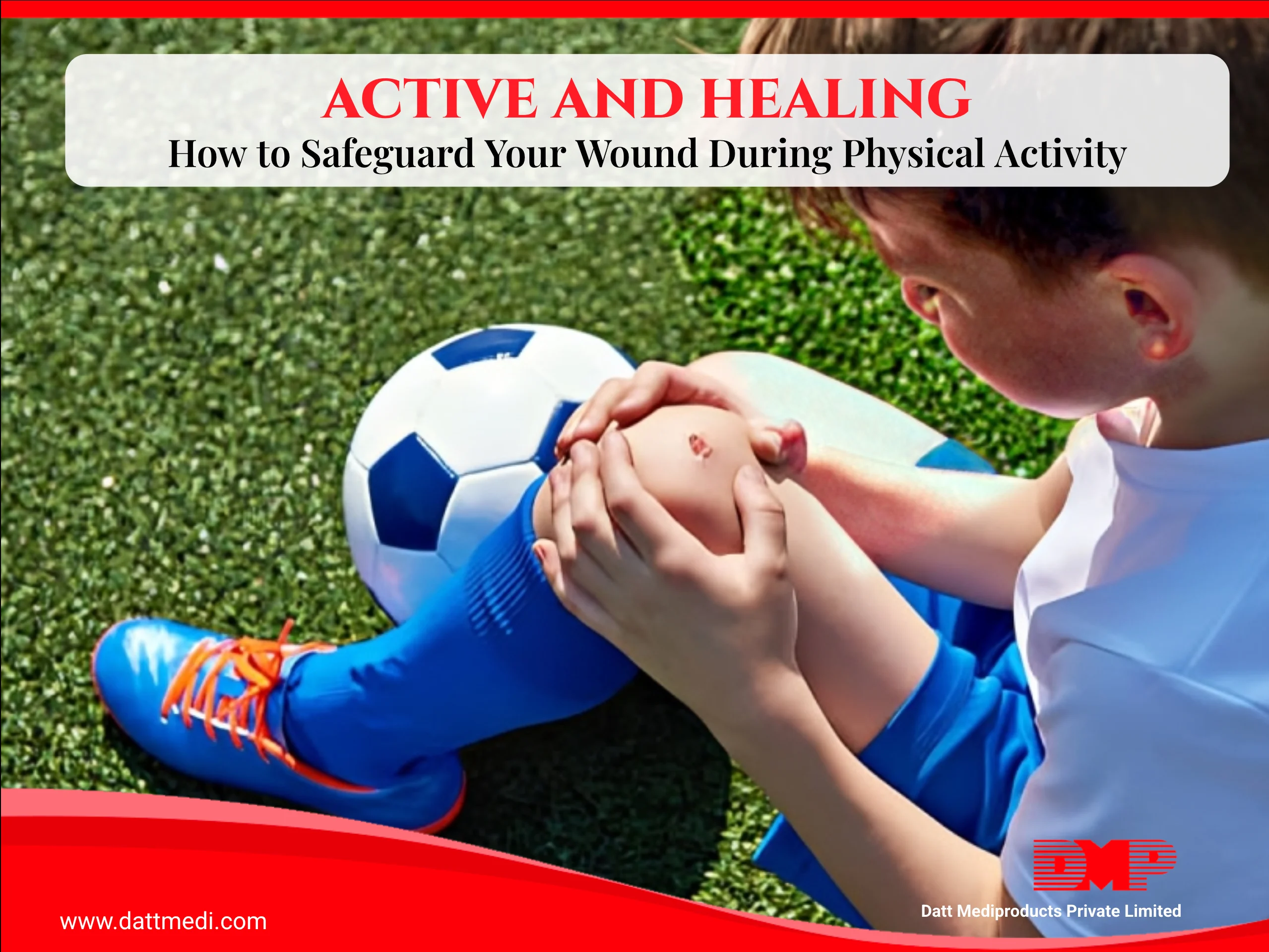
Wound during physical activity

Healing on the Go: Orthopedic and Wound Care Solutions for Physical Activity

Recovery doesn’t mean slowing down. Staying active while recovering from an injury or managing a wound doesn’t have to be an impossible task. With the right products and strategies, you can keep moving while ensuring that your recovery stays on track.

Whether you’re returning to your workout routine after surgery, dealing with an orthopedic injury, or healing a wound, we’ve got you covered.  Let’s dive into how you can integrate orthopedic and wound care products into your active lifestyle to keep you on the move and in the game.

The hidden risks of being active during recovery

Exercise helps circulation and mental health, but certain movements can disrupt healing. 
For wounds, bending, twisting, or sweating can weaken dressings and delay recovery.

EXAMPLE

Imagine a wound that’s healing well, but every time you move, the bandage loosens or moisture from sweat causes irritation. That can delay healing, reopen a wound, or even introduce bacteria. Similarly, orthopedic injuries like fractures or sprains require careful management to avoid strain that hinders healing.

The first rule of staying active during recovery?

Keep wounds protected during physical activity. The right products will shield your injury from friction, dirt, and moisture while allowing the skin to breathe. Opt for dressings that stay secure, comfortable, and irritation-free.

Our top products for Active Healing

When it comes to active recovery, we understand that you need products that work with you, not against you. That’s why we recommend products designed for ultimate support and flexibility.

  • Velpore™, Pressure-Sensitive Adhesive Tape:
    Hypoallergenic and breathable, it keeps dressings in place during physical activity without skin irritation.
  • Velfix® T+Pad, Waterproof Dressing:
    Ideal for post-surgical recovery, this waterproof dressing provides a bacterial barrier while you stay active.
  • Velfix® -T Film, Transparent Dressing:
    Clear, waterproof, and flexible, it offers protection while maintaining full range of motion.

When dealing with an orthopedic injury, immobilization is essential—but that doesn’t mean you have to sit on the sidelines.  Whether it’s a sprain, strain, or fracture, finding the right orthopedic product can help ensure that your recovery stays on track, even as you navigate through your day-to-day activities.

Hygiene: Clean up after movement

Excess sweat and dirt can compromise wound care. Velfix® -T+Pad helps manage moisture and ensures easy post-workout cleaning, preventing infection while maintaining healing.

While staying active is crucial, some exercises may be more beneficial than others during recovery. Low-impact activities like walking, swimming, or cycling can promote healing without overstraining your injury.

Recognize when to pause

Pay attention to swelling, redness, or increased pain after activity. If these occur, rest and assess—early intervention ensures faster recovery.

Holistic Healing: Rest & Nutrition

Healing requires proper rest and nutrition. A balanced diet, hydration, and enough sleep support tissue repair and overall recovery. Include vitamins, protein, and antioxidants to aid healing. Stay active and heal efficiently by using the right wound care and orthopedic products. With proper protection, hygiene, and mindful activity, your recovery journey can stay on track.

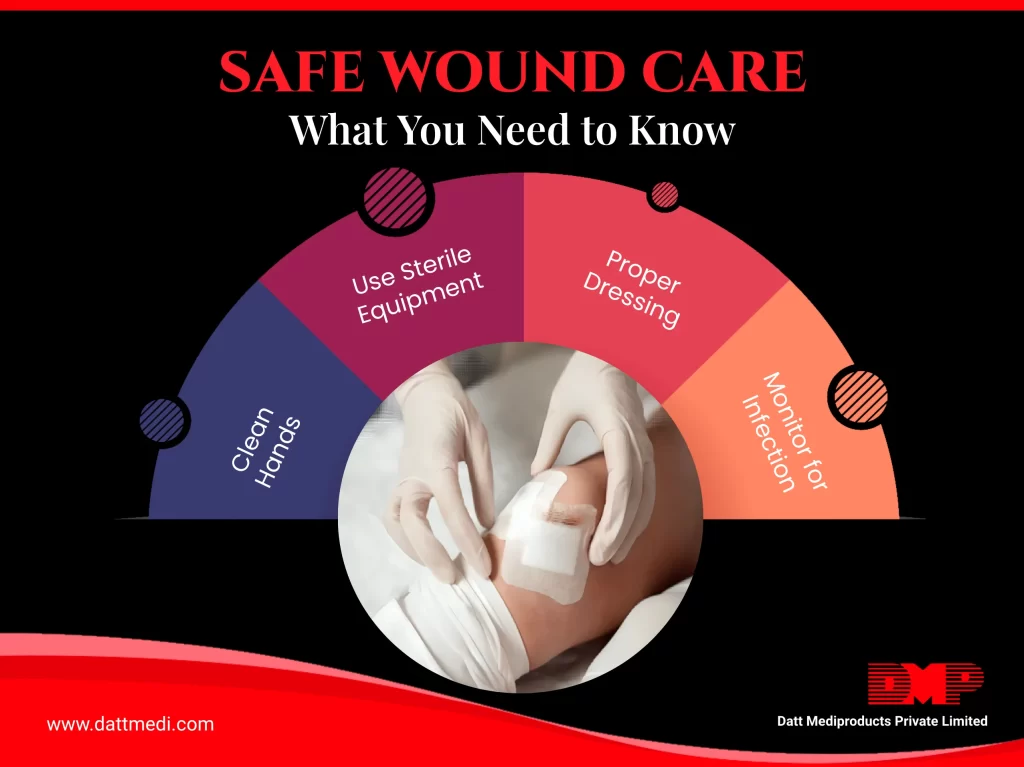
Ensuring Safe Wound Care Practices

It is a moment of pride and achievement for Datt Mediproducts to participate in EWMA Conference 2018 held in Krakow, Poland. The conference is all about gathering expert minds working on their innovation in the medical sector. Ruchita Datt Director, Datt Mediproducts and Sanjay Arora Executive Director, Datt Mediproducts will be attending the conference to share research and existing products on an international platform.

(more…)
Logo

Datt Mediproducts Private Limited

Loading