Discover Informative Blogs
on Healthcare Solutions

Discover Informative Blogs
on Healthcare Solutions

Tag: pain management

Search by Blog
Read by Category

Your healing journey continues beyond this blog

Find the right products for better recovery at online store
Cart Image
Poor posture while sitting causing back pain

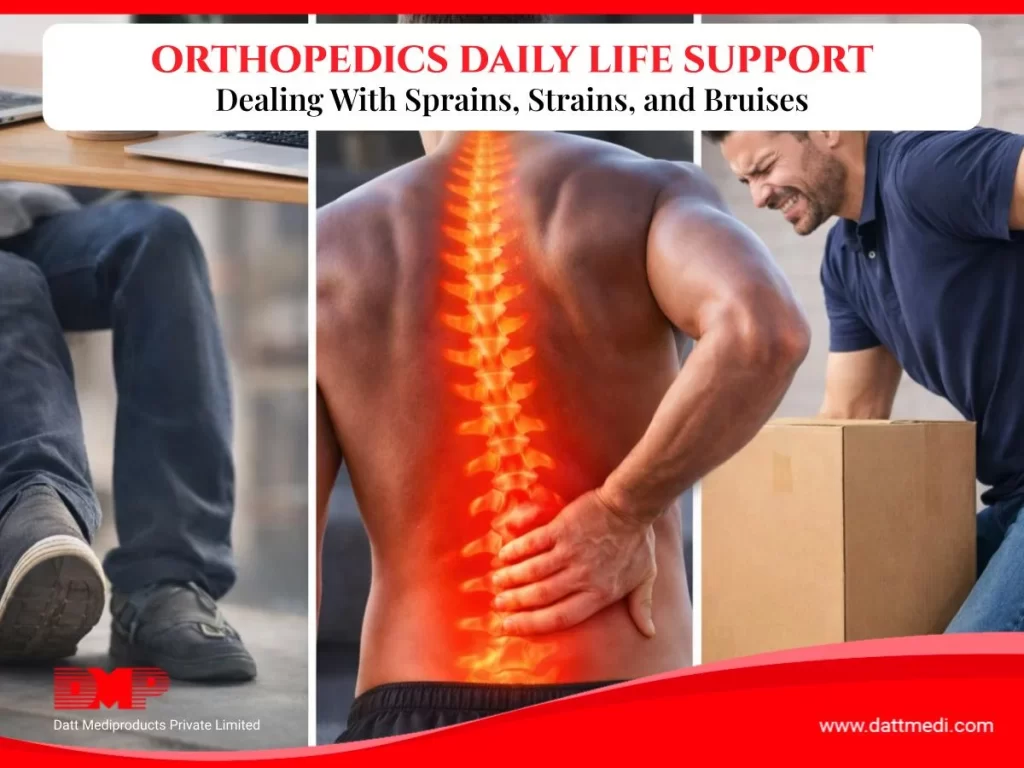
Back pain rarely comes from one dramatic moment. More often, it builds slowly — from how you sit, how you lift, and how much you move (or don’t) during an ordinary day.

The good news: because these habits are small and repeated, small corrections add up fast. Here are the five biggest everyday culprits, and what to actually do about each one.

1. Poor Posture During Screen Time

Slouching while looking at a screen pulls your head forward and loads your spine with extra weight it wasn’t built to carry in that position — over hours, this causes fatigue, stiffness, and pain.

Fix it:

  • Sit with your spine neutral and shoulders relaxed, not hunched forward
  • Raise screens to eye level so you’re not bending your neck down
  • Use an ergonomic chair or a lumbar support cushion
  • Stand or stretch every 30–45 minutes
If you're managing an existing strain or a support during long desk hours, a soft posture corrector can help retrain alignment. For a deeper look at why this matters beyond just back pain, see the health benefits of good posture.

2. Incorrect Lifting Techniques

Bending at the waist to lift — instead of bending your knees — puts sudden, concentrated pressure on your lower back. Do this repeatedly and you risk a genuine muscle strain, not just soreness.

Fix it:

  • Bend your knees, not your back
  • Keep the object close to your body
  • Keep your back straight through the lift
  • Never twist your torso while carrying weight
If a strain has already happened, our guide on muscle strain causes and recovery covers what actually supports healing — and what can slow it down. Muscle strains are also common in athletes, particularly in sports involving sprinting, jumping, kicking, and other explosive movements. For a broader look at sports-related orthopedic injuries, see our guide on orthopedic injuries in athletes.

3. Sitting for Long Periods Without Movement

Long, unbroken sitting stiffens the back and hips and slows circulation — and reduced blood flow means more muscle fatigue and discomfort, even without any single “wrong” movement.

Fix it:

  • Stand or walk for a few minutes every hour
  • Add simple back and leg stretches through the day
  • Use a standing desk if it’s available to you

Circulation-focused support can also help here. Compression bandages are sometimes used to support circulation during long periods of inactivity, particularly for the legs.

4. Weak Core Muscles

Your abdominal and lower-back muscles share the job of stabilizing your spine. When they’re weak, your spine has to work harder on its own — and that imbalance shows up as fatigue and pain over time.

Fix it — simple strengthening moves:

  • Bridges
  • Planks
  • Pelvic tilts
These don't need to be intense. Consistency matters more than difficulty here.

5. Lifestyle Factors That Strain the Spine

Extra body weight, an unsupportive mattress, and chronic stress all add ongoing load to your spine — none of these show up as a single injury, but together they compound.

Fix it:

  • Maintain a healthy body weight
  • Choose a mattress that supports spinal alignment
  • Build in relaxation techniques to ease muscle tension
If back pain has become a longer-term, ongoing issue rather than an occasional twinge, our guide on the role of exercise in chronic pain management covers how movement, not prolonged rest, can be part of a better long-term strategy. 

A physiotherapist can also assess what’s contributing to your pain and help you build an exercise and recovery plan suited to your needs. For lower back-specific support, a lumbo-sacral support may provide additional support during certain activities or periods of recovery.

When Back Pain Needs Medical Attention

Occasional discomfort that improves with posture changes and movement is common and usually not serious. See a doctor if:

  • Pain becomes severe or persistent
  • Movement becomes noticeably difficult
  • Pain spreads down into your legs or elsewhere
A healthcare professional can properly evaluate the cause and recommend the right treatment or rehab plan — self-managing is fine for mild, short-term discomfort, but not for these signs.

Supporting a Healthier Back

Most back pain isn’t caused by one bad moment — it’s built from small daily habits. Fixing your posture, lifting correctly, moving more, and strengthening your core will do more for your spine than almost anything else. For extra support during recovery or long days, browse the full orthopaedic products range.
Related reading:

Why Muscle Strains Happen

Understanding Muscle Strains: Causes and Effective Recovery Strategies

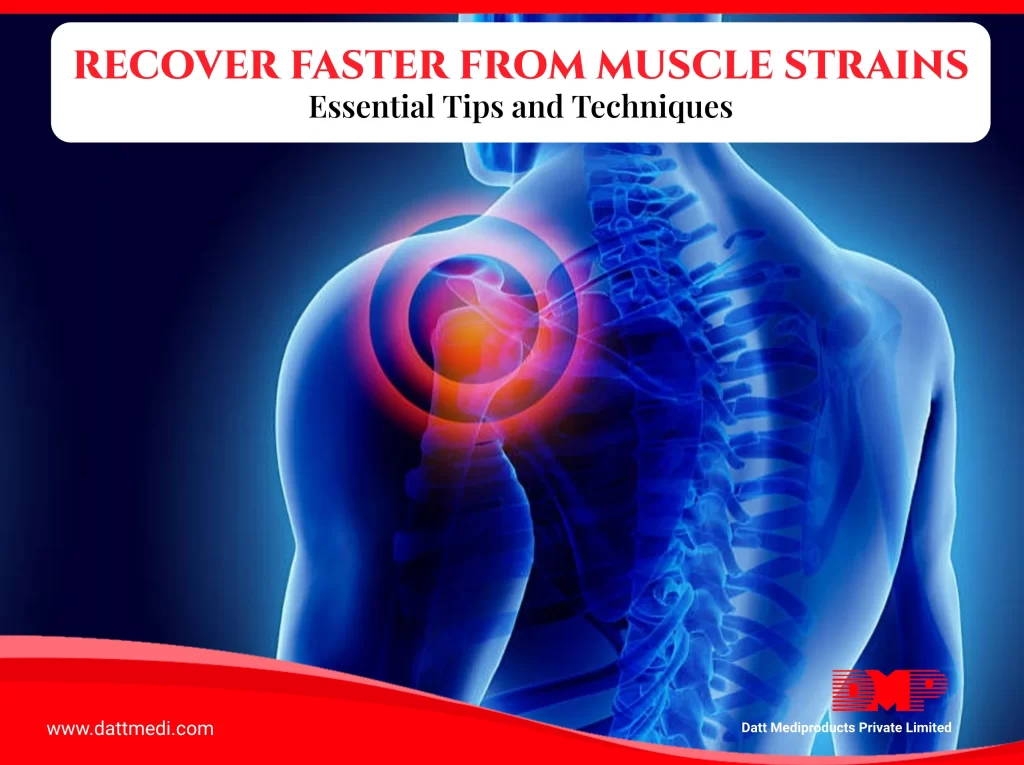
A muscle strain, or muscle pull, occurs when a muscle is overstretched or torn. This common injury can disrupt daily activities, causing pain and limiting mobility. Understanding the causes and effective recovery strategies can help you heal faster and prevent future injuries. Muscle strains typically happen when the muscle is pushed beyond its limit.

Key factors include:

  1. Overexertion: Intense activity without proper preparation.
  2. Sudden Movements: Abrupt actions, like twisting or jerking.
  3. Lack of Warm-up: Skipping stretching or warm-up exercises.
  4. Poor Posture or Repetitive Motion: These can strain muscles over time.

Recognizing the signs early helps with effective treatment:

  • Sharp or throbbing pain, especially during movement.
  • Inflammation in the affected area.
  • Difficulty moving the muscle fully.
  • Visible bruising from damaged blood vessels.

Start your recovery with these steps:

Rest: Avoid using the muscle until pain subsides.

Ice: Apply ice for 20 minutes every 2 hours to reduce swelling and numb the pain.

Compression: Use a compression bandage to stabilize the muscle and reduce swelling.

Elevation: Elevate the injured area to help reduce swelling.

Velcool®: Instant Cooling Relief

Cooling is one of the best ways to reduce inflammation post-activity. Cold therapy constricts blood vessels, decreases swelling, and slows inflammation. Velcool® offers a convenient and effective solution for reducing swelling and alleviating pain. Its long-lasting cooling effect ensures optimal comfort during the initial recovery phase.
Compression improves circulation and accelerates healing by reducing swelling. Our compression bandages provide targeted support to help the muscle heal more efficiently.

Cokomp™ : Reliable Compression Support

Once inflammation is controlled, compression is crucial for ongoing healing. Cokomp™ provides targeted support, ensuring consistent pressure that enhances circulation and accelerates the healing process. Its lightweight and durable material makes it a perfect choice for both acute care and ongoing recovery.

Once pain subsides:
Begin gentle stretches to restore flexibility.
Slowly incorporate exercises to rebuild muscle strength and prevent future injuries.
Don’t rush back into your normal routine.

Additional recovery tips:

  1. As healing progresses, physical therapy can restore range of motion.
  2. After 48 hours, apply heat to relax muscles and improve circulation.
  3. Stay hydrated and eat a balanced diet rich in protein and vitamins to support muscle repair.

When to consult a healthcare provider:

  1. Persistent pain despite rest.
  2. Inability to move the muscle.
  3. Severe swelling that doesn’t improve.

To reduce the risk of future strains:

  1. Always stretch before physical activity.
  2. Regular strength training can prevent strains.
  3. Ensure good form during exercise to avoid unnecessary strain.

By understanding muscle strains and following effective recovery strategies, you can heal faster and prevent re-injury. Our compression bandages are a key tool in your recovery, offering support and reducing swelling for quicker healing. Explore innovative solutions to support a healthier, more active season ahead.

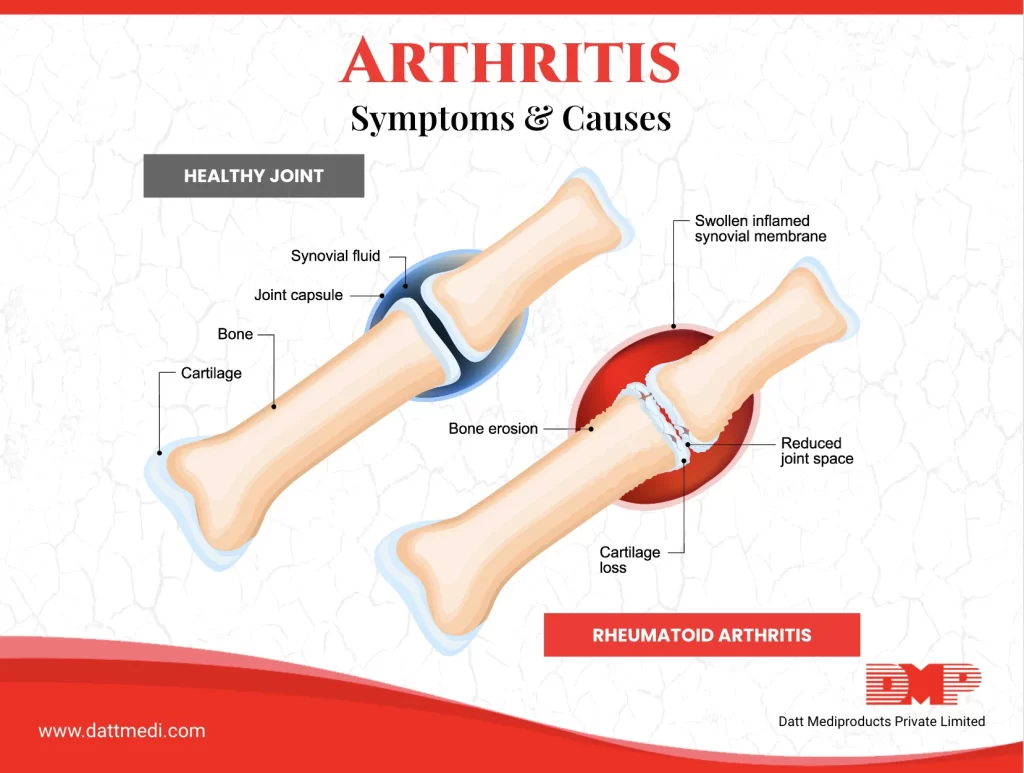
ARTHRITIS & Its Different Types

Have you ever felt pain, swelling, and stiffness in your joints or trouble moving around? You might be suffering from a condition called “Arthritis”.

Arthritis is defined as the inflammation or swelling in one or more joints.
The two most common types are Osteoarthritis and Rheumatoid Arthritis. Symptoms vary from person to person but the main ones include joint pain and stiffness. Arthritis treatment may depend on its type but the goal of treatment is to reduce symptoms and improve the quality of life of the affected person.

(more…)
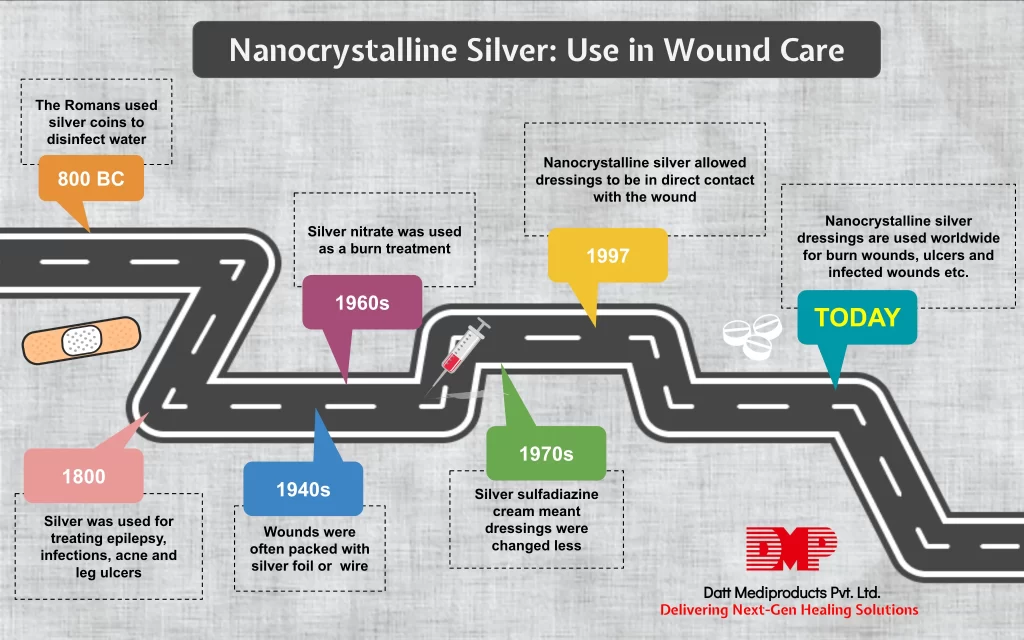
Nanocrystalline Silver Dressings

Silver has been used as an antimicrobial since the 1800s. But since the discovery of systemic antibiotics in the early 20th century, the use of silver had declined. In the last two decades, interest in silver for wound treatment has resurged. However, there are very few quantitative data available on the systemic absorption of silver and the associated clinical risk.

(more…)
Delivering Next Gen Healing Solutions Know us better

Founded in 1995, Datt Mediproducts Pvt. Ltd. started its journey as an Export Oriented Unit dealing in medical textile disposables. For the last 17 years, we have been providing our services to the medical industry. We now sell our products all over India as well as overseas also.

(more…)
Logo

Datt Mediproducts Private Limited

Loading
Buy Now