

Discover Informative Blogs
on Healthcare Solutions

Discover Informative Blogs
on Healthcare Solutions

Tag: wound care

Search by Blog
Read by Category

Your healing journey continues beyond this blog

Find the right products for better recovery at online store
Cart Image
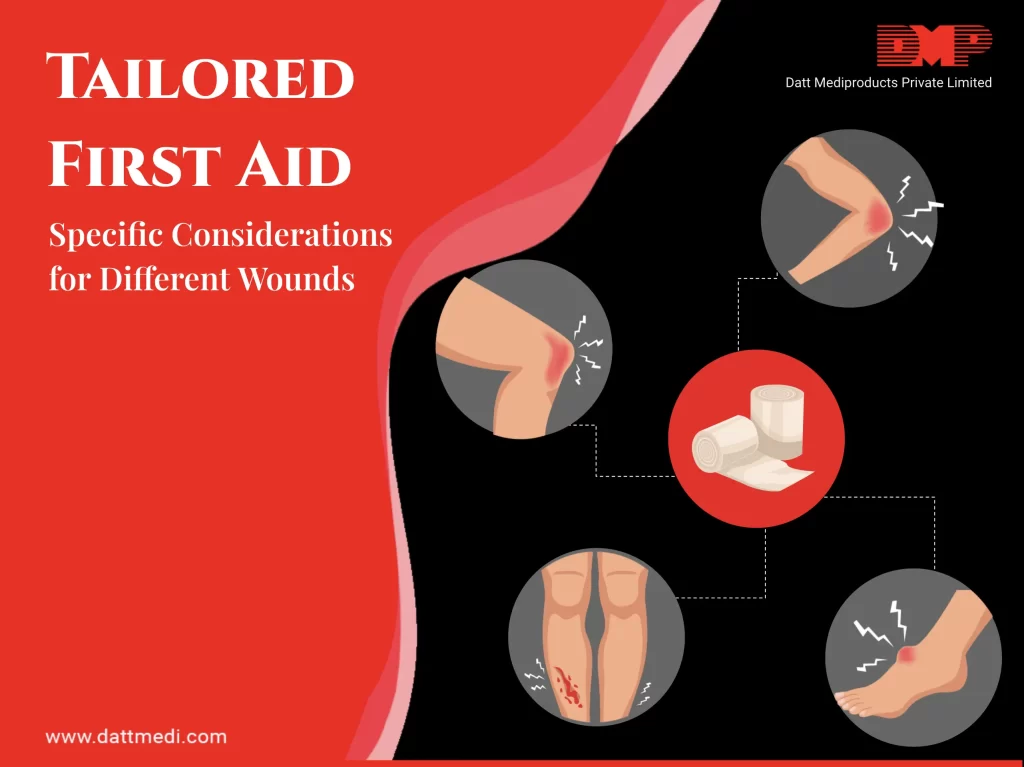
Specific Considerations for Different Wounds

Tailored First Aid: Custom Care for Different Wounds

When it comes to wound care, one size does not fit all. Each wound has its own unique characteristics and possible complications. Tailoring first aid steps to specific types of injuries can significantly impact healing outcomes and minimize complications. In this blog post, we look at different wounds with specific considerations emphasising the need for individualised care and additional precautions to enhance better results.

Understanding Different Wounds:

1. Burns:

  • First-degree burns: These affect only the outer layer of skin, causing redness and mild pain. Immediate first aid involves cooling the burn with cold water or a clean, damp cloth and then applying aloe vera gel. Cover the burn area with a sterile non stick bandage, this will help protect the damaged area from contaminants and the sun. 
  • Second-degree burns: These penetrate deeper into the skin, going through the first and second layer of the skin, causing blistering and severe pain. First aid includes cooling the burn, covering it loosely with a sterile gauze bandage, and seeking medical attention.
  • Third-degree burns: These are the most severe, affecting all layers of the skin and potentially deeper tissues. Third degree burns should always be treated by a healthcare provider and never at home. First aid involves not removing any clothing stuck to the burn, covering it with a clean, dry cloth, and seeking emergency medical help immediately.

2. Deep Cuts:

  • Apply pressure: Use a sterile gauze pad or clean cloth to apply firm pressure to stop bleeding.
  • Clean the wound: Once the bleeding has stopped rinse the cut with clean water to remove any debris and dirt.
  • Bandage the wound: Once it has been cleaned properly, cover the cut with a sterile bandage or gauze pad and secure it with medical tape.
  • Seek medical attention: Deep cuts may require stitches to promote proper healing and reduce the risk of infection.

3. Abrasions:

Abrasions, also known as scrapes, occur when the skin is rubbed or scraped against a rough surface, causing superficial damage.

  • First aid involves cleaning the abrasion with soap and water to remove debris and applying an antibiotic ointment to prevent infection.
  • Cover the abrasion with a sterile bandage or gauze pad to protect it from further irritation and promote healing.
  • Change the dressing on a regular basis and check the area daily
  • If there are any signs of an infection such as, fever, swelling, an increase in redness or fluid seek medical help from a healthcare provider.

4. Puncture Wounds: 

Puncture wounds are caused by sharp objects piercing the skin, such as nails, needles, or animal bites. Such types of wounds have a greater risk of infection as bacteria are being pushed into the skin.

  • First aid involves cleaning the wound thoroughly with soap and water to remove any dirt or debris.
  • Do not attempt to remove any object embedded in the skin. Instead, stabilize the object and seek medical attention immediately.
  • Cover the puncture wound with a clean cloth or sterile bandage to reduce the risk of infection until medical help arrives.

Therefore, understanding the characteristics and appropriate first aid measures for different types of wounds is essential for providing effective care and promoting optimal healing outcomes.

5. Tailored First Aid:

Children:

  • Children’s skin is more delicate and prone to infection. Use extra caution when cleaning and bandaging wounds.
  • Consider using adhesive bandages with fun designs to make the first aid process less intimidating for children.

Elderly:

  • Elderly individuals may have thinner skin and reduced circulation, making them more susceptible to skin tears and slow wound healing.
  • Be gentle when cleaning and bandaging wounds to avoid causing further damage.

Individuals with Diabetes:

  • Diabetes can impair blood flow and reduce sensation in the extremities, increasing the risk of foot ulcers and slow-healing wounds.
  • Inspect feet daily for any signs of injury and seek prompt medical attention for any cuts or sores.

Precautions and Practices:

In addition to first aid measures designed for specific wound types, there are several precautions and practices to keep in mind:

  • Always wash your hands thoroughly before and after your first treatment to prevent the spread of infection.
  • Use disposable gloves when treating the wound to reduce the risk of contamination.
  • Avoid using alcohol or hydrogen peroxide directly on the wound, as it can damage healthy tissue.
  • Keep first aid kits safe and easily accessible in an emergency.

Tailoring first aid measures to specific types of wounds is crucial for effective treatment and optimal healing. Whether it’s a minor burn or a deep cut, understanding the unique needs of each injury and taking appropriate action can make a significant difference in recovery outcomes and help in reducing the risk of complications.

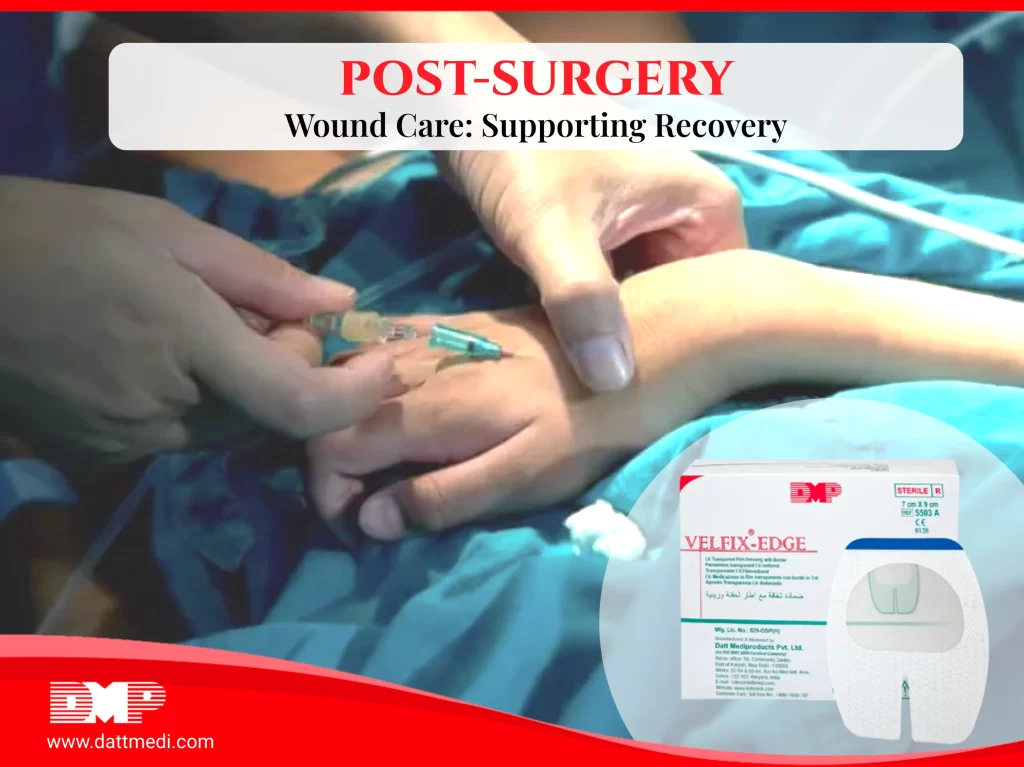
Post-Surgery Wound Care Supporting Recovery

Post-Surgery Wound Care Supporting Recovery 

Post-surgery wound care is a critical component in the journey towards a smooth recovery, minimizing complications, and promoting effective healing. This blog post seeks to offer comprehensive insights for both patients and healthcare providers, emphasizing key aspects of post-surgery wound care.

Understanding the Healing Process:

To navigate the recovery journey successfully, it’s essential to grasp the intricacies of the body’s natural healing process. From the initial inflammatory response to tissue remodeling, patients should be aware of these stages to set realistic expectations for the recovery timeline. 

Preparation Before Surgery: 

A proactive approach to wound care begins before the surgical procedure. Adequate preparation involves thorough consultation with healthcare professionals, understanding the surgery specifics, and adhering to pre-surgery instructions. This groundwork sets the stage for a more seamless recovery. 

Maintaining a Sterile Environment: 

Fundamental to effective wound care is the maintenance of a clean and sterile environment. This includes keeping the surgical site and surrounding areas free from contaminants. Proper wound hygiene significantly reduces the risk of infections, a common concern post-surgery. 

Nutrition and Hydration for Optimal Healing: 

Supporting the body’s healing mechanisms requires a well-balanced diet rich in essential nutrients. Proper nutrition promotes tissue repair and helps prevent complications. Adequate hydration is equally crucial, supporting overall bodily functions and facilitating nutrient transportation to the wound site. 

Monitoring and Recognizing Warning Signs: 

Vigilance is key during the recovery phase. Patients should be educated on monitoring wounds for warning signs like increased redness, swelling, or discharge.

Recognizing these signs early enables prompt intervention, minimizing the risk of serious complications. 

Introducing Our Innovative Solution: 

Elevating the standards of patient recovery involves introducing innovative products like Velfix® -Edge. This exceptional dressing goes beyond traditional solutions with its non-woven bordered design, frame delivery system, and deep notched barrier against infections. The latex-free adhesive ensures compatibility with diverse patients, while the window-framed delivery system simplifies application. Incorporating Velfix® -Edge into post-surgery wound care routines prioritizes precision, patient comfort, and infection prevention, contributing to an enhanced and smoother recovery journey for every patient.

Therefore, post-surgery wound care is a collaborative effort between healthcare providers and patients. Empowering individuals with knowledge about the healing process, preparing adequately before surgery, maintaining a sterile environment, prioritizing nutrition and hydration, and being vigilant for warning signs actively contribute to a successful recovery journey. 

Choosing Velfix® -Edge for optimal post-surgery care is a conscious decision towards improved recovery outcomes, ensuring a holistic and effective approach to the healing process.

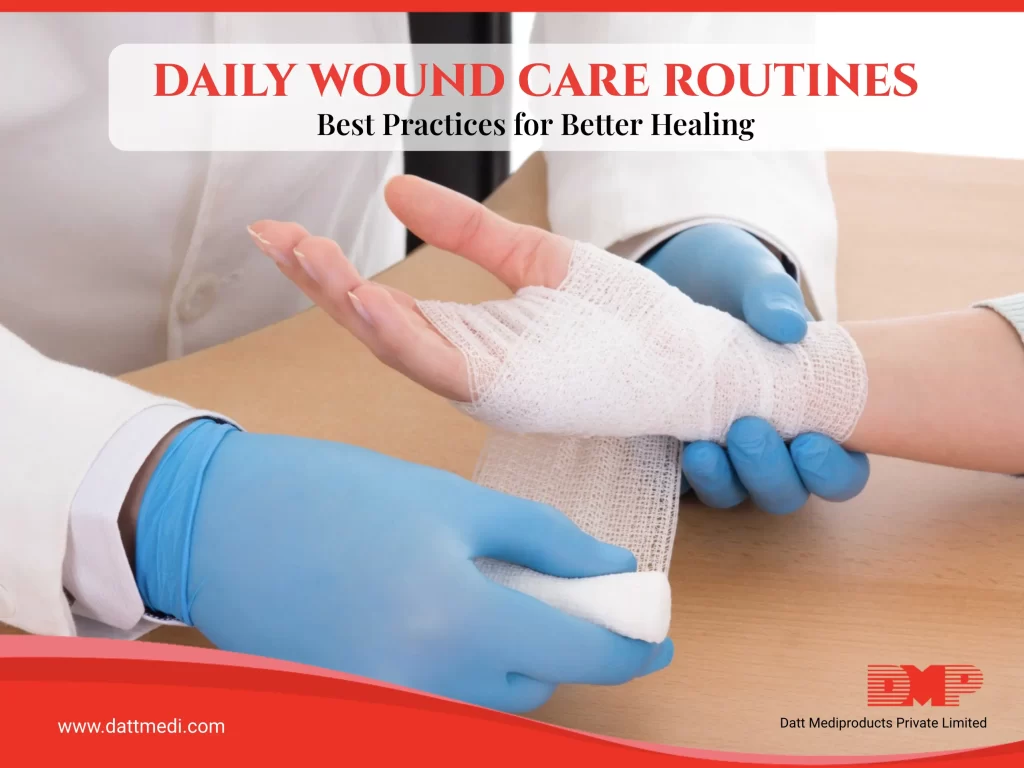
Daily Wound Care Routine

Daily Wound Care Routines: Simple Practices for Healing

When it comes to wound care, establishing a daily wound care routine is crucial for ensuring optimal healing and preventing complications. Daily wound inspection is the cornerstone of this routine, as it allows individuals to monitor changes and identify potential signs of infection early on. Gentle cleaning is another fundamental aspect, and using mild soap and water or a saline solution can effectively remove debris without causing further harm. This step not only promotes cleanliness but also prepares the wound for the next crucial element in the routine – dressing selection.

The choice of dressing plays a pivotal role in the healing process:

Understanding the wound type and condition is essential for selecting the appropriate dressing. Different wounds require different approaches, and the right dressing helps maintain a moist environment, creating an ideal setting for the healing to progress.

Regular changing of dressings is equally important:

This practice not only prevents infections but also promotes a conducive environment for the wound to heal efficiently. Alongside changing dressings, ensuring that the wound is adequately protected from external contaminants is vital.

Pain management is a common concern during the healing process:

Strategies for managing pain and ensuring comfort should be part of the daily routine. This can include over-the-counter pain relievers or prescribed medications, tailored to individual needs and the severity of the wound.

Nutrition and hydration play a significant role in supporting the body’s natural healing process:

A well-balanced diet with emphasis on proper nutrition provides the necessary nutrients for tissue repair and regeneration. Additionally, staying hydrated is key to optimal recovery.

Avoiding irritants and risk factors is a proactive measure in the daily wound care routine:

Activities or substances that can irritate the wound should be strictly avoided. Smoking and excessive alcohol consumption can hinder the healing process, making it crucial to steer clear of these risk factors.

Regular follow-ups with healthcare professionals are essential for ongoing evaluation:

Consulting healthcare providers ensures that any signs of complications are addressed promptly, contributing to the overall success of the wound care routine.

A well-rounded daily wound care routine involves daily inspection and cleaning, appropriate dressing selection, regular changing of dressings, pain management, proper nutrition and hydration, avoidance of irritants and risk factors, and consistent consultation with healthcare professionals. By incorporating these practices into daily life, individuals can contribute significantly to the effective healing of wounds.

Stay healthy!

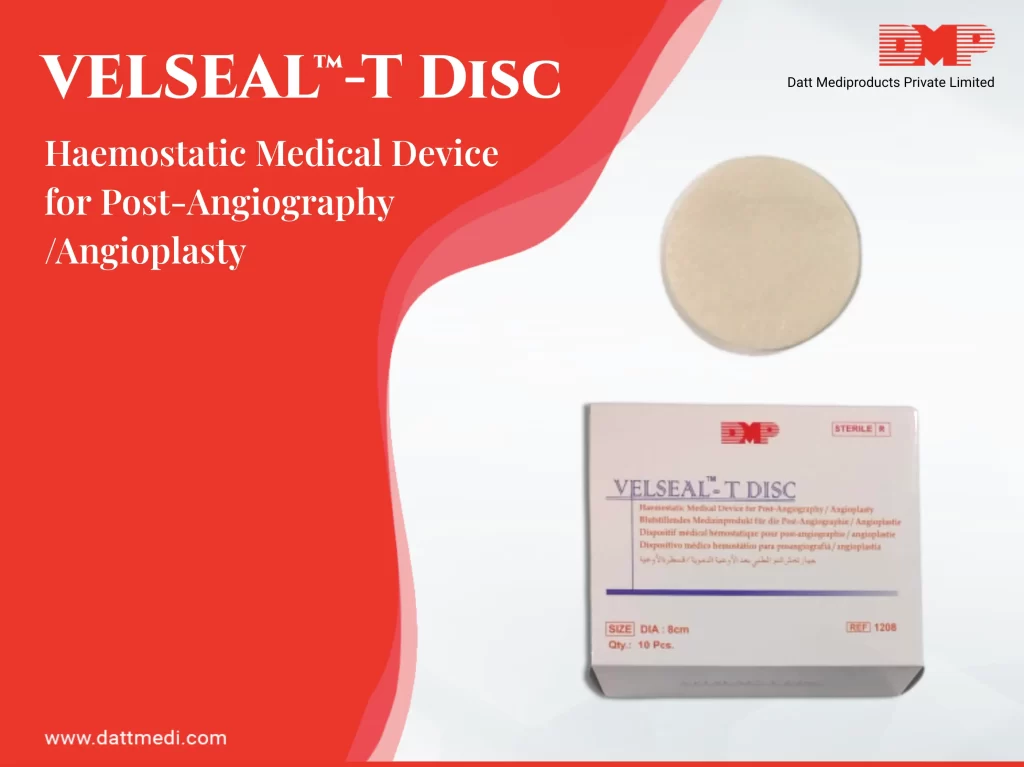
In the realm of wound care, continuous advancements are constantly improving the way we treat and manage various types of wounds. Among the latest innovations, Velseal® -T Disc has emerged as a game-changer. This revolutionary product offers an effective and convenient solution for promoting wound healing and enhancing patient comfort.

Understanding Velseal® -T Disc

It is a cutting-edge wound care product designed to optimize the healing process while minimizing discomfort for patients. Velseal® -T Disc promotes haemostasis by absorbing the blood and accumulates clotting factor within the voids and initiate the clotting by interaction with Thrombin, Calcium chloride and Tranexamic acid.

Key Features and Benefits:

1. Advanced Composition:

It is composed of high-quality materials that offer excellent absorption and retention capacities, reducing the risk of maceration and infection. However, it does not provide moisture balance or directly contribute to wound healing.

2. Easy Application:

Thee disc-shaped design of Velseal® -T Disc allows for simple and hassle-free application. Its non-adherent nature eliminates the need for additional fixation methods, providing a secure and comfortable fit. The dressing is available in various sizes to accommodate different wound types and locations.

3. Enhanced Patient Comfort:

It prioritizes patient comfort by minimizing pain and trauma during dressing changes. The non-adherent surface prevents the dressing from sticking to the wound bed, reducing discomfort and potential damage to healing tissue.

4. Cost-Effective Solution:

It offers a cost-effective wound care solution, as it requires no dressing changes. A single application helps in achieving complete hemostasis, contributing to overall healthcare cost savings. Its durability and prolonged wear time further enhance its cost-effectiveness.

Clinical Efficacy and Evidence

The product has undergone rigorous testing and evaluation to validate its clinical efficacy. Clinical studies have demonstrated its effectiveness in promoting faster wound healing, reducing pain, and minimizing complications such as infection. These studies highlight the dressing’s superior moisture management capabilities and its ability to facilitate granulation tissue formation, resulting in improved patient outcomes.

In the rapidly evolving field of wound care, the Velseal® -T Disc stands out as a remarkable innovation. Its unique composition, easy application, and patient-centric design make it a valuable addition to any healthcare setting. With its demonstrated clinical efficacy and cost-effectiveness, this advanced dressing offers a promising solution for healthcare professionals and patients alike. By leveraging the benefits of Velseal® -T Disc, healthcare providers can enhance wound healing outcomes and improve the overall quality of care for patients with acute or chronic wounds.

In the field of healthcare, compression therapy plays a crucial role in the treatment of various conditions, particularly in wound care and managing lymphatic and vascular disorders. Compression therapy involves the application of pressure to affected areas to improve blood circulation, reduce swelling, and promote healing.

One important component of compression therapy is the compression bandages, specifically short-stretch bandages, which offer numerous benefits and are instrumental in achieving effective compression. In this blog, we will explore the purpose of Velkomp® Short Stretch Bandage and discuss the advantages and proper application techniques.

Understanding the Purpose of Short Stretch Bandages:

Short-stretch bandages are compression bandages that have the ability to stretch to a limited extent. Unlike long-stretch bandages, which can stretch significantly, short-stretch bandages provide firm and sustained compression. They are designed to exert pressure on the underlying tissues, offering support and reducing edema or swelling. The unique properties of short-stretch bandages make them ideal for providing moderate compression in a variety of healthcare applications.

Overview of Velkomp®

Short Stretch Bandage for Moderate Compression

Velkomp® Short Stretch Bandage is a high-quality, latex-free product widely used in compression therapy. It is specifically designed to deliver moderate compression, making it suitable for a range of conditions such as venous insufficiency, lymphedema, and chronic wounds. The bandage is made from a blend of cotton, ensuring a comfortable fit while maintaining the necessary compression levels. Its woven structure allows for air permeability, preventing excessive moisture build-up and promoting a healthy wound environment.

Key Advantages

Short Stretch Bandages for Compression Therapy

1. Controlled and Sustained Compression:

They provide controlled compression by exerting constant pressure on the affected area. This helps to reduce swelling, promote blood circulation, and alleviate discomfort.

2. Enhanced Patient Comfort:

They offer excellent conformability and elasticity, ensuring a snug fit without compromising patient comfort. The bandage adapts to body contours and movements, allowing for a full range of motion while providing the necessary compression.

3. Reduced Slippage and Shifting:

They have minimal recoil, which means they maintain their applied tension and stay securely in place. This prevents the bandage from slipping or shifting during movement, ensuring consistent compression therapy.

4. Proper Application Techniques:

When applying, it is essential to follow proper techniques to achieve optimal results.

Here are a few considerations to keep in mind:

  • Prepare the Skin:
    Ensure the skin is clean and dry before application to promote adherence and prevent skin irritation.
  • Apply with Appropriate Tension:
    Begin by applying the bandage with low tension and gradually increase the tension as you wrap. This helps achieve the desired compression while avoiding excessive pressure.
  • Overlap and Secure:
    Overlap each wrap by at least 50% to ensure even compression. Secure the end of the bandage with tape or clips to prevent unravelling.
Short stretch bandages, such as Velkomp®, play a vital role in compression therapy. They offer controlled compression, enhanced patient comfort, and reduced slippage, making them a valuable tool in managing various conditions.

By understanding the purpose of short-stretch bandages and employing proper application techniques, healthcare professionals can optimize the benefits of compression therapy and contribute to better patient outcomes. Embracing the significance of short-stretch bandages is essential for advancing wound care and promoting the overall well-being of patients in need of compression.  We are committed to providing valuable information and insights to support your journey toward improved wound healing and patient well-being.

Wound dressings are indispensable in wound care management. With several advancements, dressings have emerged from a passive to a more active role involving moisture-retention and delivery systems.

Foam dressings are absorbent dressings used as primary and secondary dressings in partial or full thickness wounds with varying levels of exudate levels. When used as primary dressings, these provide absorption and insulation; and when used as secondary dressings, for wounds, with packing.

(more…)
Logo

Datt Mediproducts Private Limited

Loading