Discover Informative Blogs
on Healthcare Solutions

Discover Informative Blogs
on Healthcare Solutions

Tag: wound healing

Search by Blog
Read by Category

Your healing journey continues beyond this blog

Find the right products for better recovery at online store
Cart Image
Wound Care Myths Debunked

Unveiling the Truth: Debunking Common Wound Care Myths

When it comes to wound care, there’s a lot of advice floating around. Some of it is helpful, while other bits are more myth than fact. Let’s clear up some common wound care myths and get to the truth behind them.

Myth 1: Wounds Need Sunlight to Heal

Fact: While sunshine is great for your mood, it’s not beneficial for healing wounds. In fact, direct sunlight can actually cause burns and damage the tissues that are trying to heal. So, to promote proper healing, keep wounds covered and out of direct sunlight.
Source : Cleveland Clinic

Myth 2: Wound Itching Means Healing

Fact: A bit of itching around a wound can be a sign that it’s healing, but it’s not always the case. Itching might also indicate an allergic reaction or infection. Monitor any itching along with other symptoms to ensure the healing process is on track.
Source : Advanced Tissue

Myth 3: Hydrogen Peroxide is the Best Cleaner for Wounds

Fact: Using hydrogen peroxide to clean wounds can actually slow down the healing process by damaging healthy cells. Instead, stick to gentle cleansing with mild soap and water to keep things clean without causing additional damage.
Source : University of Utah Healthcare & Atlantic Foot & Ankle Specialists

Myth 4: Keep Wounds Dry for Faster Healing

Fact: While it’s essential to keep wounds clean, keeping them too dry can actually slow down the healing process. Wounds heal better in a moist environment, so using dressings to maintain the right level of moisture can speed up recovery.
Source : LifeMD™

Understanding the Importance of Proper Wound Care

Wound care isn’t just about cleaning and covering a wound; it’s about understanding the underlying processes that help your body repair itself. Following evidence-based practices ensures that wounds heal properly and complications are minimized. Here’s why these practices are crucial:

  • Preventing Infections: Proper wound care minimizes the risk of infection, which can complicate healing and lead to more serious health issues.
  • Promoting Faster Healing: By maintaining a moist environment and protecting the wound, you accelerate the natural healing process.

When to Seek Professional Help

While minor cuts and scrapes can often be treated at home, certain situations warrant professional medical attention:

  • Deep or Large Wounds: Significant injuries that penetrate deep into the skin or are extensive in size require medical assessment.
  • Signs of Infection: Redness, swelling, increased pain, warmth around the wound, or pus are signs of infection that need medical intervention.
  • Delayed Healing: If a wound does not show signs of healing within a reasonable period, it’s important to consult a healthcare provider.

In a nutshell, taking care of wounds isn’t complicated, but it’s important to distinguish fact from fiction. By following evidence-based practices and seeking professional advice when needed, you can ensure your wounds heal properly and without unnecessary complications.

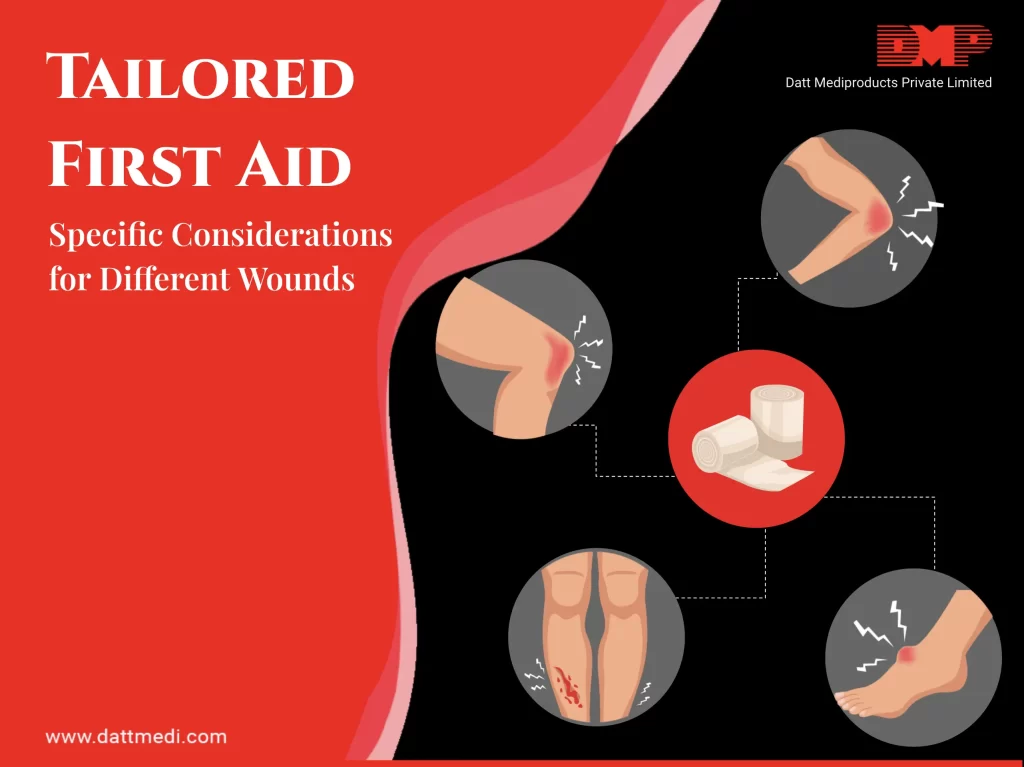
Specific Considerations for Different Wounds

Tailored First Aid: Custom Care for Different Wounds

When it comes to wound care, one size does not fit all. Each wound has its own unique characteristics and possible complications. Tailoring first aid steps to specific types of injuries can significantly impact healing outcomes and minimize complications. In this blog post, we look at different wounds with specific considerations emphasising the need for individualised care and additional precautions to enhance better results.

Understanding Different Wounds:

1. Burns:

  • First-degree burns: These affect only the outer layer of skin, causing redness and mild pain. Immediate first aid involves cooling the burn with cold water or a clean, damp cloth and then applying aloe vera gel. Cover the burn area with a sterile non stick bandage, this will help protect the damaged area from contaminants and the sun. 
  • Second-degree burns: These penetrate deeper into the skin, going through the first and second layer of the skin, causing blistering and severe pain. First aid includes cooling the burn, covering it loosely with a sterile gauze bandage, and seeking medical attention.
  • Third-degree burns: These are the most severe, affecting all layers of the skin and potentially deeper tissues. Third degree burns should always be treated by a healthcare provider and never at home. First aid involves not removing any clothing stuck to the burn, covering it with a clean, dry cloth, and seeking emergency medical help immediately.

2. Deep Cuts:

  • Apply pressure: Use a sterile gauze pad or clean cloth to apply firm pressure to stop bleeding.
  • Clean the wound: Once the bleeding has stopped rinse the cut with clean water to remove any debris and dirt.
  • Bandage the wound: Once it has been cleaned properly, cover the cut with a sterile bandage or gauze pad and secure it with medical tape.
  • Seek medical attention: Deep cuts may require stitches to promote proper healing and reduce the risk of infection.

3. Abrasions:

Abrasions, also known as scrapes, occur when the skin is rubbed or scraped against a rough surface, causing superficial damage.

  • First aid involves cleaning the abrasion with soap and water to remove debris and applying an antibiotic ointment to prevent infection.
  • Cover the abrasion with a sterile bandage or gauze pad to protect it from further irritation and promote healing.
  • Change the dressing on a regular basis and check the area daily
  • If there are any signs of an infection such as, fever, swelling, an increase in redness or fluid seek medical help from a healthcare provider.

4. Puncture Wounds: 

Puncture wounds are caused by sharp objects piercing the skin, such as nails, needles, or animal bites. Such types of wounds have a greater risk of infection as bacteria are being pushed into the skin.

  • First aid involves cleaning the wound thoroughly with soap and water to remove any dirt or debris.
  • Do not attempt to remove any object embedded in the skin. Instead, stabilize the object and seek medical attention immediately.
  • Cover the puncture wound with a clean cloth or sterile bandage to reduce the risk of infection until medical help arrives.

Therefore, understanding the characteristics and appropriate first aid measures for different types of wounds is essential for providing effective care and promoting optimal healing outcomes.

5. Tailored First Aid:

Children:

  • Children’s skin is more delicate and prone to infection. Use extra caution when cleaning and bandaging wounds.
  • Consider using adhesive bandages with fun designs to make the first aid process less intimidating for children.

Elderly:

  • Elderly individuals may have thinner skin and reduced circulation, making them more susceptible to skin tears and slow wound healing.
  • Be gentle when cleaning and bandaging wounds to avoid causing further damage.

Individuals with Diabetes:

  • Diabetes can impair blood flow and reduce sensation in the extremities, increasing the risk of foot ulcers and slow-healing wounds.
  • Inspect feet daily for any signs of injury and seek prompt medical attention for any cuts or sores.

Precautions and Practices:

In addition to first aid measures designed for specific wound types, there are several precautions and practices to keep in mind:

  • Always wash your hands thoroughly before and after your first treatment to prevent the spread of infection.
  • Use disposable gloves when treating the wound to reduce the risk of contamination.
  • Avoid using alcohol or hydrogen peroxide directly on the wound, as it can damage healthy tissue.
  • Keep first aid kits safe and easily accessible in an emergency.

Tailoring first aid measures to specific types of wounds is crucial for effective treatment and optimal healing. Whether it’s a minor burn or a deep cut, understanding the unique needs of each injury and taking appropriate action can make a significant difference in recovery outcomes and help in reducing the risk of complications.

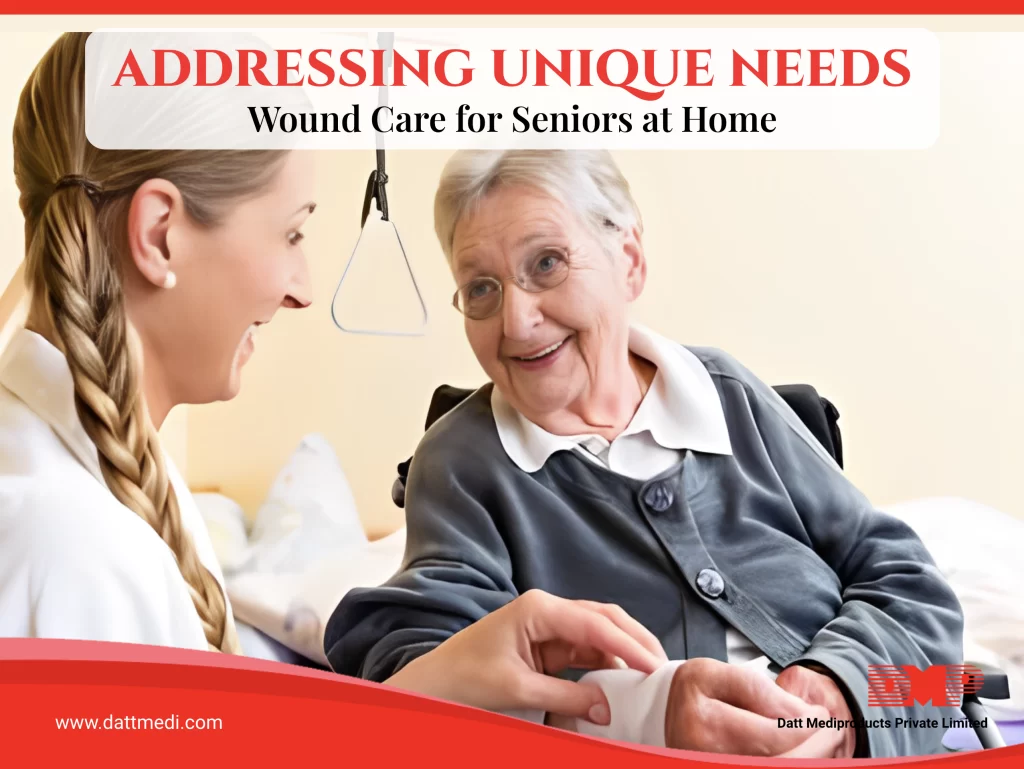
Wound care for seniors

Wound Care for Seniors at Home: Addressing Unique Needs

As we age, our bodies undergo various changes, and one aspect that demands special attention is wound healing. Seniors, due to their aging skin, often face challenges in this regard. In this blog post, we’ll delve into the unique needs of wound care for seniors at home, providing insights and recommendations for a more effective and comfortable healing process.

1. Understanding Age-Related Wound Healing

The aging process affects the skin’s ability to heal. Seniors may experience a slower healing process due to factors like reduced collagen production and thinner skin. It’s crucial to comprehend these changes to implement targeted wound care.

2. Mobility and Accessibility Considerations

Seniors might encounter difficulties in accessing wound care supplies. To address this, consider creating a designated and easily accessible area for supplies. This minimizes the challenges related to mobility, ensuring that seniors can conveniently reach essential items for dressing changes.

3. Sensitive Skin and Wound Care Products

Seniors often have sensitive skin that requires special attention. Opt for hypoallergenic and non-irritating wound care products. This choice not only promotes healing but also prevents additional discomfort for seniors with delicate skin.

4. Regular Monitoring and Assistance

Regular monitoring of wounds is crucial. Encourage caregivers or family members to play an active role in this process. Timely detection of any changes can help prevent complications and ensure a smooth healing journey for seniors.

5. Pain Management and Comfort

Managing pain effectively is paramount for seniors. Recommend suitable pain relief methods and medications appropriate for their age group. Ensuring comfort during the healing process contributes significantly to overall well-being.

6. Preventing Complications and Infections

Prevention is key to avoiding complications, especially infections. Educate seniors on the signs of infection and stress the importance of seeking immediate medical attention if any concerns arise. A proactive approach significantly reduces the risk of complications.

7. Communication with Healthcare Providers

Encourage open communication between seniors and their healthcare providers. Stress the importance of reporting any changes or concerns promptly. A collaborative effort between seniors, caregivers, and healthcare professionals ensures a comprehensive and personalized approach to wound care.

Therefore, addressing the unique needs of wound care for seniors at home involves a multifaceted approach. Understanding age-related changes, considering mobility challenges, using gentle products, regular monitoring, effective pain management, preventive measures, and open communication are key elements in promoting optimal healing for seniors.

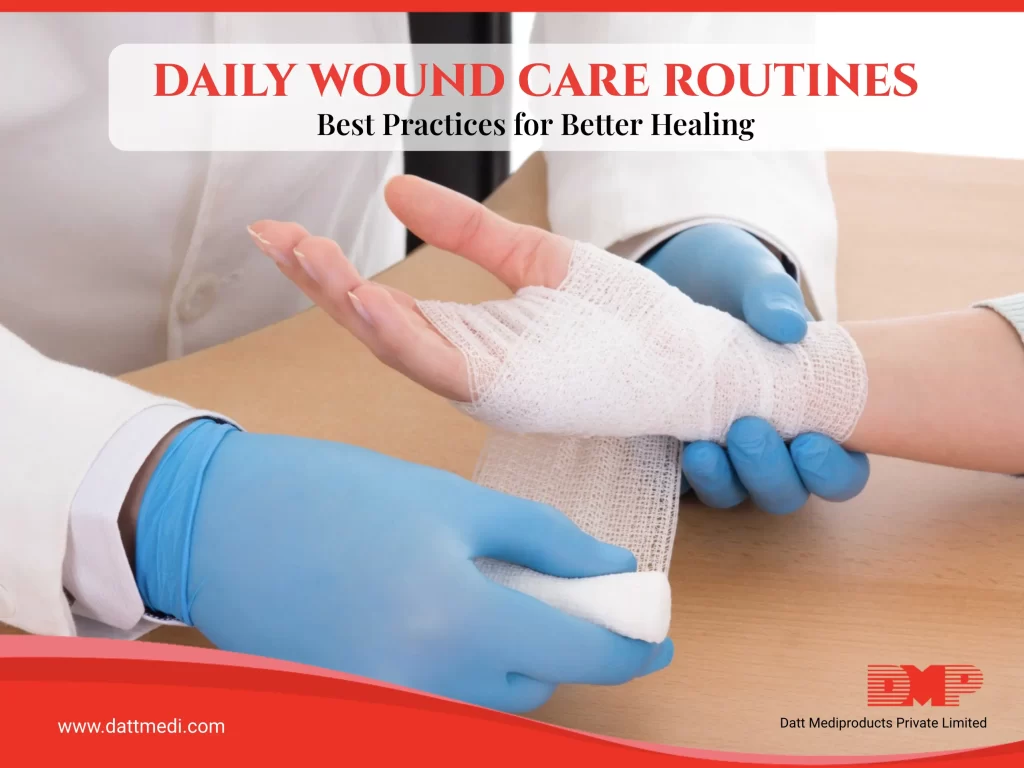
Daily Wound Care Routine

Daily Wound Care Routines: Simple Practices for Healing

When it comes to wound care, establishing a daily wound care routine is crucial for ensuring optimal healing and preventing complications. Daily wound inspection is the cornerstone of this routine, as it allows individuals to monitor changes and identify potential signs of infection early on. Gentle cleaning is another fundamental aspect, and using mild soap and water or a saline solution can effectively remove debris without causing further harm. This step not only promotes cleanliness but also prepares the wound for the next crucial element in the routine – dressing selection.

The choice of dressing plays a pivotal role in the healing process:

Understanding the wound type and condition is essential for selecting the appropriate dressing. Different wounds require different approaches, and the right dressing helps maintain a moist environment, creating an ideal setting for the healing to progress.

Regular changing of dressings is equally important:

This practice not only prevents infections but also promotes a conducive environment for the wound to heal efficiently. Alongside changing dressings, ensuring that the wound is adequately protected from external contaminants is vital.

Pain management is a common concern during the healing process:

Strategies for managing pain and ensuring comfort should be part of the daily routine. This can include over-the-counter pain relievers or prescribed medications, tailored to individual needs and the severity of the wound.

Nutrition and hydration play a significant role in supporting the body’s natural healing process:

A well-balanced diet with emphasis on proper nutrition provides the necessary nutrients for tissue repair and regeneration. Additionally, staying hydrated is key to optimal recovery.

Avoiding irritants and risk factors is a proactive measure in the daily wound care routine:

Activities or substances that can irritate the wound should be strictly avoided. Smoking and excessive alcohol consumption can hinder the healing process, making it crucial to steer clear of these risk factors.

Regular follow-ups with healthcare professionals are essential for ongoing evaluation:

Consulting healthcare providers ensures that any signs of complications are addressed promptly, contributing to the overall success of the wound care routine.

A well-rounded daily wound care routine involves daily inspection and cleaning, appropriate dressing selection, regular changing of dressings, pain management, proper nutrition and hydration, avoidance of irritants and risk factors, and consistent consultation with healthcare professionals. By incorporating these practices into daily life, individuals can contribute significantly to the effective healing of wounds.

Stay healthy!

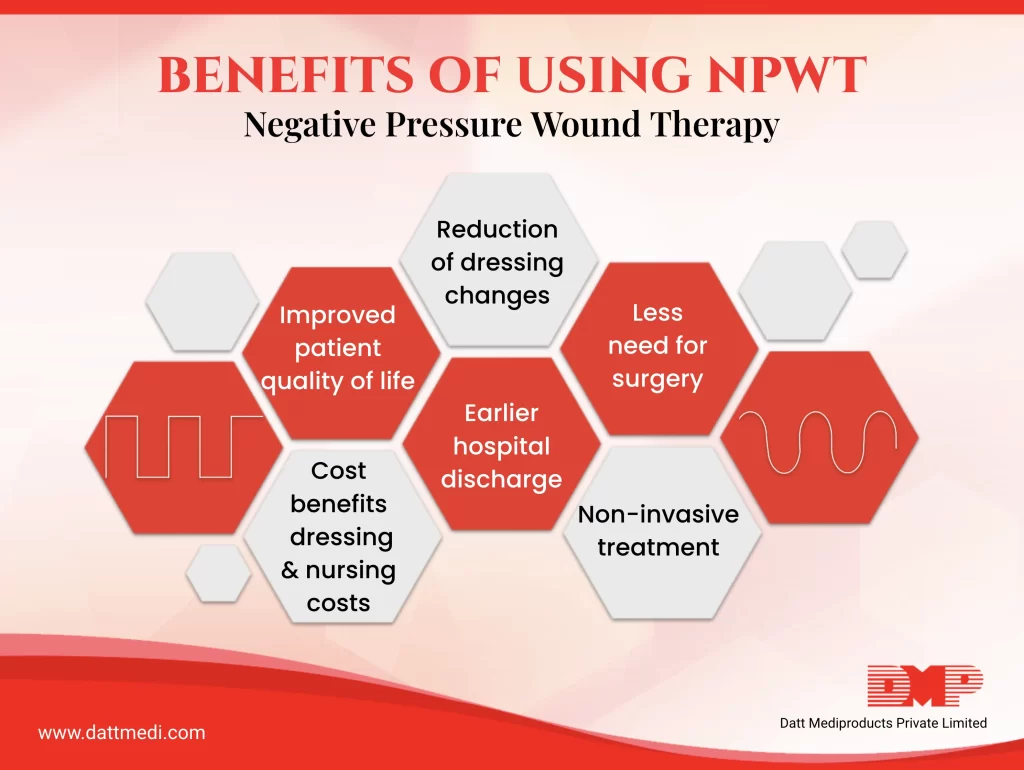
Benefits of using NPWT

Wound Healing is a complex and dynamic process. It involves 3 to 4 distinctive phases in order to replace devitalised and missing cellular structures and tissue layers.

Wound healing is a normal biological process of human body.

(more…)
How Sleep Impacts Your Mind and Wound Healing

Sleep is an inevitable part of our lives. Nobody can live without sleep like we can’t live without food and water. Its an important part of our lives and we spend almost one-third of our time in sleep. A sound quality sleep is important to create new memories, concentrate and respond quickly.

Do you know that your need for sleep varies with your age?

(more…)
Logo

Datt Mediproducts Private Limited

Loading