

Search by Blog
Read by Category

Your healing journey continues beyond this blog

Find the right products for better recovery at online store
Cart Image
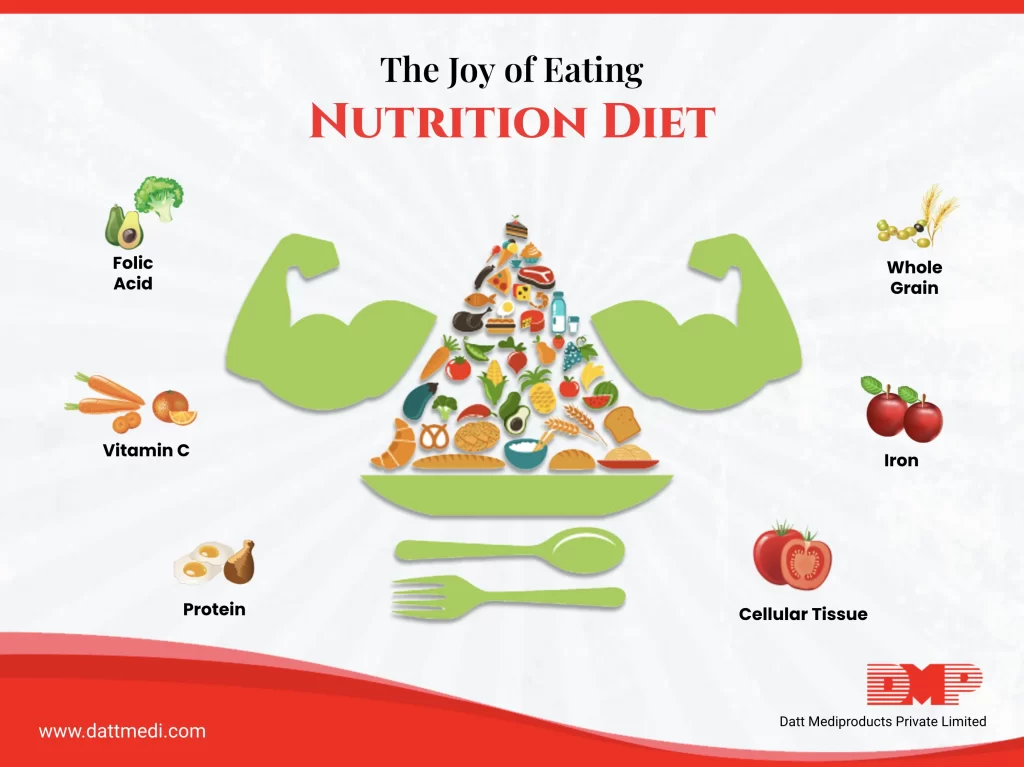
The Joy of Eating Nutrition Diet

Do you feel a little tired or feel pain in your stomach when you wake up in the morning? Are you suffering from health issues like indigestion? If so, then this can be a sign of an unhealthy diet.

To maintain a healthy body, you need to follow a balanced diet. Now if you are wondering what consists of a balanced diet, let’s first find out how Nutrition helps our body.

Nutrition is very vital in making sure that the body functions properly. The advantages of nutrition are numerous. It will help you get the desired body weight, get rid of excess fat in the body, promote sleep and provide the body with energy to do work. If you attain all these, you are sure to feel more energetic and fresh.

The term balanced diet refers to the consumption of all the nutrients our body requires, to function properly, in the correct proportions. Different nutrients have different purposes to fulfill.

The deficit of any one nutrient in the body can lead to problems. It is, therefore, advisable to consume all the nutrients in correct proportions, to make sure that the body derives the utmost benefit out of the meal.

Importance of a balanced diet:
1. Proper nutrition to the body makes a balanced diet, and this helps a person to remain active and fresh all day long.

2. A balanced diet not only fixes stomach problems but also strengthens the immunity power of a human body.

3. A healthy lifestyle is also easy to achieve through the maintenance of a balanced diet.

4. Reduction and control of high levels of stress, anxiety, depression and emotional problems can also be possible by following a balanced diet.

Elements that form a balanced diet
Proper intake of proteins, vitamins, minerals, carbohydrates, and fats every day makes a balanced diet. Now, if you are searching for a rough estimate about what kind of nutritional food you must take every day to maintain your balanced diet, then they are as under-

Carbohydrates- a person should get 45%-55% of their daily calories from carbohydrates. Try to have healthy carbs like bread, lentils, beans, brown rice, etc.

Proteins- 12% to 40%of calories must come from proteins. Foods like meat, fish, egg, etc. are rich in proteins.

Fats- you should have an intake of 20% of fat every day.

Vitamins and minerals- milk, citrus fruits, and sprouts are rich in vitamins and minerals and are needed by 8 to 10 mg every day.

Water- one must drink 2-3 litres of water every day.

Be careful about your fat consumption
Fat is an essential requirement for the body so as to ensure its all-round development. But there are so many types of fat, so one should clearly know which fat leaves what kind of impact on the human body. 

For instance, trans fat should be avoided at every cost as it contributes largely to the increase in unhealthy cholesterol. Derived mostly from oil, trans fat diminishes the quantity of the healthy cholesterol (HDL) in the body, thereby, increasing the risk of certain cardiovascular diseases.

However, not all fats are harmful to the body. Monounsaturated fat, on the other hand, which is found in a wide variety of oils and food, are known to improve the level of blood cholesterol and also decrease the risks of cardiac diseases in a person. A fat that comes mostly from plants, monounsaturated fat also benefits the levels of insulin.

Programmes of Nutrition
To ensure the importance of food and a balanced diet, several programmes are established. For example like programs of proper nutrition, integrated service scheme of child development, for women the program of community nutrition, etc. are held all over India.

A healthy body is a key to the success of a person. If someone isn’t healthy, he cannot concentrate on anything he tries to do. A tired body leads to a tired mind. Make sure you set your diet right and you are good to go!
 

Visit www.dattmedi.com for more infomation.
Share:
Recent Blogs

As we age, our bodies undergo several changes that can affect our overall health. These changes include a decrease in muscle mass and bone density, a slower metabolism, and a decline in cognitive function. Additionally, our immune system may weaken, making us more susceptible to infections and illnesses.

However, it’s important to remember that aging doesn’t necessarily mean poor health. By taking care of our bodies and adopting healthy habits, we can age gracefully and maintain our health and independence.

Issues Faced with Aging:

There are several issues that can arise as we age. Some of the most common include:

1. Chronic conditions:

As we age, we are more likely to develop chronic health conditions such as diabetes, arthritis, and heart disease.

2. Mobility issues:

Muscles and joints can become stiff and less flexible with age, which can make it harder to move around.

3. Cognitive decline:

Memory loss and other cognitive changes can occur with age.

4. Social isolation:

Older adults may experience social isolation and loneliness, which can lead to depression and other health problems.

5. Caregiver burden:

Family members or other caregivers may experience stress and burnout when caring for an older adult.

Ways to Overcome in a Healthy Way:

A. Stay active:

Regular exercise can help maintain muscle strength, flexibility, and balance. Try to engage in physical activity for at least 30 minutes a day, five days a week. This could be as simple as taking a walk or doing some light stretching.

B. Eat a healthy diet:

A balanced diet with plenty of fruits, vegetables, whole grains, and lean protein can help maintain overall health. It’s also important to stay hydrated by drinking plenty of water.

C. Keep your mind active:

Engage in activities that challenge your brain, such as reading, doing puzzles, or learning a new skill. This can help maintain cognitive function and prevent memory loss.

D. Stay socially engaged:

Join clubs or groups that interest you, volunteer in your community, or spend time with family and friends. Staying socially engaged can help prevent loneliness and depression.

E. Be proactive about healthcare:

Regular check-ups with your healthcare provider can help detect and treat health problems early on. It’s also important to follow recommended screening guidelines for conditions such as cancer and heart disease.

While it’s important to take care of ourselves as we age, it’s also important to take precautions to prevent falls and other accidents.

Some ways to do this include:

  • Keep your home well-lit and free of clutter.
  • Install grab bars in the bathroom and other areas where you may need extra support.
  • Use assistive devices such as a cane or walker if needed.
  • Wear proper footwear with good support and non-slip soles.
  • Be aware of potential hazards such as uneven sidewalks or slippery floors.

Healthy aging is achievable with the right mindset and healthy habits. By staying active, eating a healthy diet, keeping our minds active, staying socially engaged, and being proactive about healthcare, we can maintain our health and independence as we age.

We advice to take precautions to prevent falls and other accidents, and don’t be afraid to ask for help when needed. With these tips and strategies, we can age gracefully and enjoy a healthy and fulfilling life.

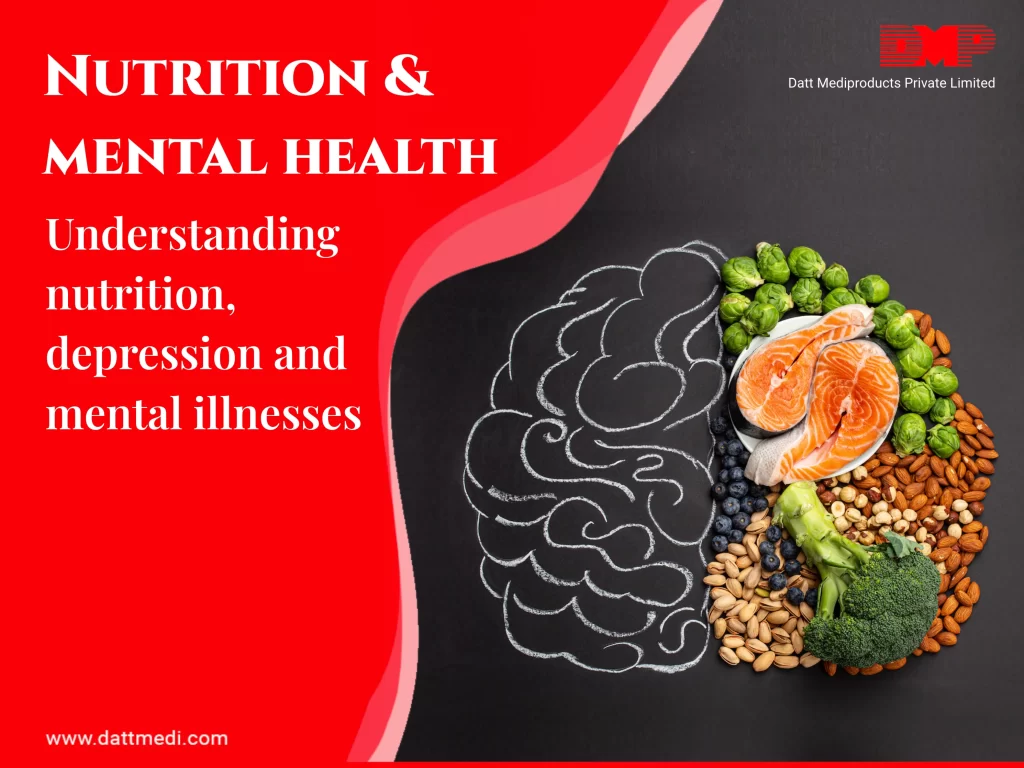
The Link Between Nutrition and Mental Health

Good nutrition is essential for our physical health, but did you know it can also have a significant impact on our mental health? In recent years, researchers have discovered a strong link between what we eat and our mood, emotions, and overall mental well-being. In this blog, we’ll explore this connection in more depth and provide practical tips for how to balance both nutrition and mental health for optimal overall health.

(more…)
Logo

Datt Mediproducts Private Limited

Loading