
Search by Blog
Read by Category

Your healing journey continues beyond this blog

Find the right products for better recovery at online store
Cart Image
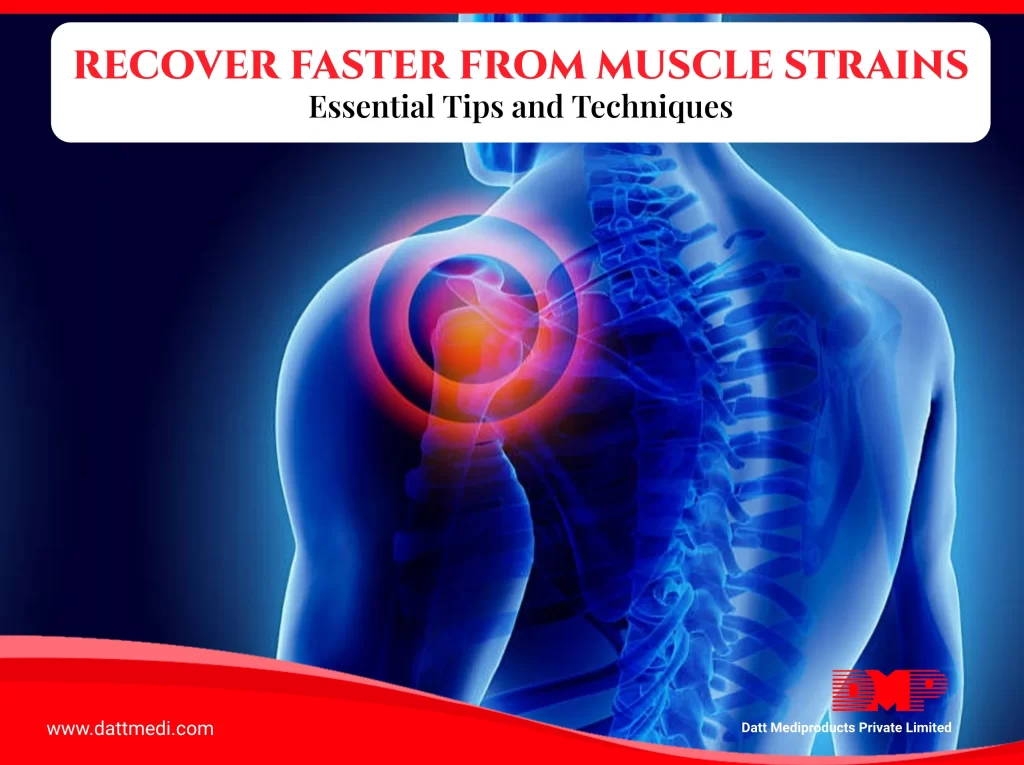
Why Muscle Strains Happen

Understanding Muscle Strains: Causes and Effective Recovery Strategies

A muscle strain, or muscle pull, occurs when a muscle is overstretched or torn. This common injury can disrupt daily activities, causing pain and limiting mobility. Understanding the causes and effective recovery strategies can help you heal faster and prevent future injuries. Muscle strains typically happen when the muscle is pushed beyond its limit.

Key factors include:

  1. Overexertion: Intense activity without proper preparation.
  2. Sudden Movements: Abrupt actions, like twisting or jerking.
  3. Lack of Warm-up: Skipping stretching or warm-up exercises.
  4. Poor Posture or Repetitive Motion: These can strain muscles over time.

Recognizing the signs early helps with effective treatment:

  • Sharp or throbbing pain, especially during movement.
  • Inflammation in the affected area.
  • Difficulty moving the muscle fully.
  • Visible bruising from damaged blood vessels.

Start your recovery with these steps:

Rest: Avoid using the muscle until pain subsides.

Ice: Apply ice for 20 minutes every 2 hours to reduce swelling and numb the pain.

Compression: Use a compression bandage to stabilize the muscle and reduce swelling.

Elevation: Elevate the injured area to help reduce swelling.

Velcool®: Instant Cooling Relief

Cooling is one of the best ways to reduce inflammation post-activity. Cold therapy constricts blood vessels, decreases swelling, and slows inflammation. Velcool® offers a convenient and effective solution for reducing swelling and alleviating pain. Its long-lasting cooling effect ensures optimal comfort during the initial recovery phase.
Compression improves circulation and accelerates healing by reducing swelling. Our compression bandages provide targeted support to help the muscle heal more efficiently.

Cokomp™ : Reliable Compression Support

Once inflammation is controlled, compression is crucial for ongoing healing. Cokomp™ provides targeted support, ensuring consistent pressure that enhances circulation and accelerates the healing process. Its lightweight and durable material makes it a perfect choice for both acute care and ongoing recovery.

Once pain subsides:
Begin gentle stretches to restore flexibility.
Slowly incorporate exercises to rebuild muscle strength and prevent future injuries.
Don’t rush back into your normal routine.

Additional recovery tips:

  1. As healing progresses, physical therapy can restore range of motion.
  2. After 48 hours, apply heat to relax muscles and improve circulation.
  3. Stay hydrated and eat a balanced diet rich in protein and vitamins to support muscle repair.

When to consult a healthcare provider:

  1. Persistent pain despite rest.
  2. Inability to move the muscle.
  3. Severe swelling that doesn’t improve.

To reduce the risk of future strains:

  1. Always stretch before physical activity.
  2. Regular strength training can prevent strains.
  3. Ensure good form during exercise to avoid unnecessary strain.

By understanding muscle strains and following effective recovery strategies, you can heal faster and prevent re-injury. Our compression bandages are a key tool in your recovery, offering support and reducing swelling for quicker healing. Explore innovative solutions to support a healthier, more active season ahead.
Visit www.dattmedi.com for more infomation.
Share:
Recent Blogs
Seasonal Wound Care

Optimizing Wound Healing Across Seasons: Tips for Adaptive Care

As the seasons change, so do the challenges faced by those managing wounds. Whether you’re a healthcare professional or a wound care patient, understanding how weather conditions can impact wound healing is crucial for maintaining optimal recovery. Let’s explore the importance of seasonal wound care and how to adjust your routine for different weather conditions.

Importance of Seasonal Wound Care:

Wound healing is a complex process influenced by various factors, including temperature, humidity, and moisture levels. Different weather conditions can affect this process, potentially slowing down or complicating recovery.

Effects of Hot Weather on Wound Healing:

During the summer months, hot weather can increase perspiration, leading to moisture buildup around wounds. This excess moisture creates an ideal environment for bacterial growth, increasing the risk of infections. To combat this, it’s essential to keep wounds clean and dry, regularly changing dressings to prevent maceration.

Adjusting Wound Care Routine for Summer:

In hot weather, it’s crucial to opt for breathable dressings that allow airflow to the wound while absorbing excess moisture. Consider using moisture-wicking fabrics to minimize sweat buildup and prevent skin irritation.

Managing Increased Perspiration:

To manage increased perspiration, gently cleanse the area around the wound with a mild soap and water solution. Pat the skin dry thoroughly before applying a new dressing. Avoid using harsh antiseptic solutions, as they can irritate the skin and delay healing.

Preventing Infections from Heat and Humidity:

To prevent infections in hot and humid conditions, keep the wound site clean and protected. Change dressings more frequently if necessary, and monitor for signs of infection, such as redness, swelling, or increased pain.

Effects of Cold Weather on Wound Healing:

In colder climates, dry air and low temperatures can lead to skin dryness and cracking, posing challenges for wound care. Protecting the wound from exposure to cold air and keeping the surrounding skin moisturized are essential for promoting healing.

Protecting Wounds from Dryness and Cracking:

During the winter months, use emollient-rich moisturizers to keep the skin hydrated and prevent dryness and cracking. Choose dressings that provide a barrier against cold air while maintaining moisture balance.

Tips for Wound Care During Rainy Seasons:

In rainy seasons, preventing wound maceration is key. Ensure that dressings are waterproof and change them promptly if they become wet. Keep the wound site clean and dry to minimize the risk of infection.

Adapting Wound Care Products to Seasonal Changes:

Consider using specialized wound care products designed for specific weather conditions. Look for options that offer moisture control, antimicrobial properties, and protection against environmental factors.

By understanding the impact of seasonal changes on wound healing and adjusting your care routine accordingly, you can promote optimal recovery and minimize complications. Stay proactive, stay informed, and prioritize your wound care, regardless of the weather.

Wound Care for Athletes

Peak Performance, Optimal Recovery: A Guide to Wound Care in Sports

Athletes constantly push their bodies to the limit, making them more prone to injuries and wounds. From minor cuts and bruises to more serious sprains and strains, managing these injuries effectively is crucial for maintaining peak performance and ensuring a swift recovery. This blog delves into effective wound care strategies for athletes and highlights how the innovative Velcool® cooling and compression bandage can play a pivotal role in their recovery.

Understanding Common Athletic Injuries

Athletic activities can lead to a variety of injuries, including:

  • Sprains and Strains: Overstretching or tearing of ligaments and muscles.
  • Bruises: Caused by impact, leading to bleeding under the skin.
  • Cuts and Abrasions: Resulting from falls or contact with rough surfaces.
  • Overuse Injuries: Such as tendonitis, caused by repetitive motion.

The RICE Method: A Foundation for Acute Injury Management

The RICE method is a tried-and-true approach for managing acute sports injuries. It stands for Rest, Ice, Compression, and Elevation, each component playing a vital role in minimizing damage and speeding up recovery.

  • Rest: Essential to prevent further injury and allow the body to begin the healing process. Avoiding stress on the injured area helps prevent exacerbation of the damage.
  • Ice: Applying ice reduces pain and inflammation by constricting blood vessels, limiting blood flow to the affected area.
  • Compression: Helps reduce swelling and provides support to the injured tissue by limiting fluid accumulation around the injury.
  • Elevation: Keeping the injured part above the level of the heart reduces swelling, associated pain, and discomfort.

Introducing Velcool® : Enhancing the RICE Method

Velcool®  is a state-of-the-art cooling and compression bandage that adheres perfectly to the principles of the RICE method. It offers several benefits that make it an indispensable tool for athletes.

Strategies for Effective Wound Care in Athletes

1. Immediate Attention:

  • Address injuries immediately to prevent them from worsening.
  • Use products like Velcool® for instant cold and compression therapy.

2. Proper Cleansing:

  • Clean cuts and abrasions thoroughly to prevent infection.
  • Use antiseptic solutions and keep the wound covered with sterile dressings.

3. Monitor Healing:

  • Regularly check the injury for signs of infection or complications.
  • Adjust the level of activity based on the healing progress.

4. Nutrition and Hydration:

  • 4a. Maintain a balanced diet rich in proteins, vitamins, and minerals to support the healing process.
  • 4b. Stay hydrated to promote overall health and recovery.

5. Gradual Return to Activity:

  • Gradually reintroduce physical activity to avoid re-injury.
  • Follow a rehabilitation plan designed by a healthcare professional.

Effective wound care is vital for athletes to maintain their active lifestyles and ensure quick recovery from injuries. The RICE method provides a solid foundation for managing acute injuries, and innovations like the Velcool® cooling and compression bandage enhance this approach. By incorporating these strategies and utilizing advanced products, athletes can minimize downtime, promote healing, and get back to their peak performance levels swiftly.

For athletes and sports enthusiasts, embracing the right wound care techniques and products like Velcool® can make a significant difference in their overall health and performance. Stay active, stay safe, and ensure your body gets the care it deserves.

Logo

Datt Mediproducts Private Limited

Loading