
Search by Blog
Read by Category

Your healing journey continues beyond this blog

Find the right products for better recovery at online store
Cart Image
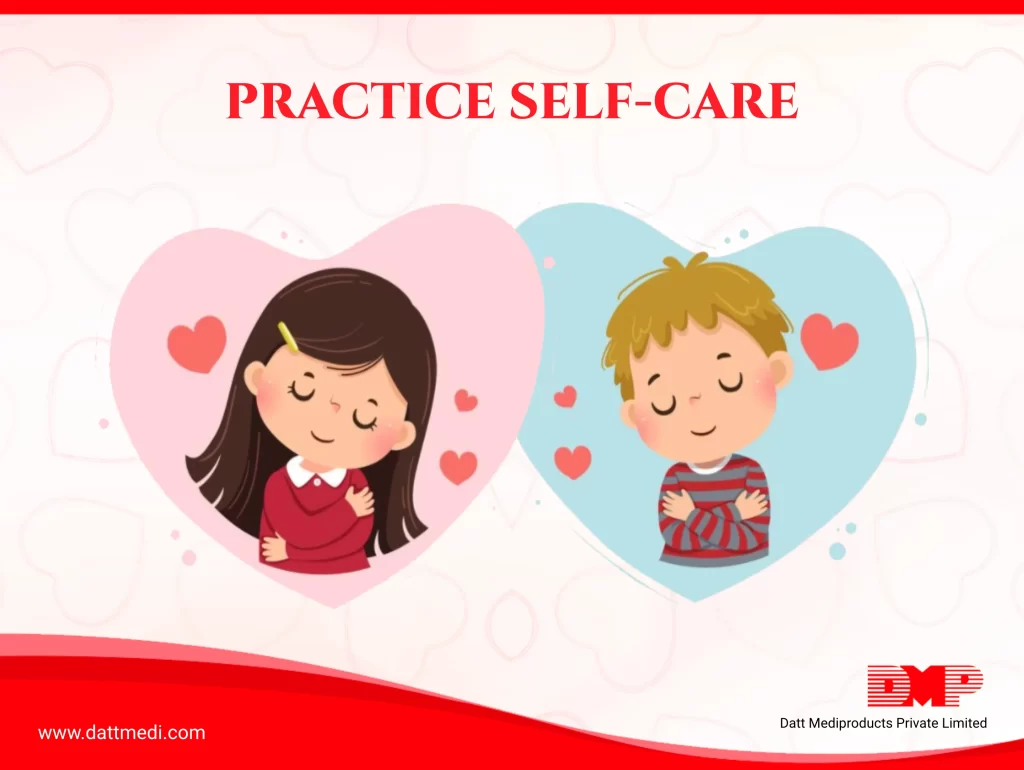
Ways to Practice Self Care During Lockdown

The ongoing Covid pandemic seems like a Sci-Fi thriller movie that we all have been living through. This pandemic outbreak and ensuing lockdown measures have taken a toll on the mental health of everyone. When life gets stressful, one thing that gets sacrificed is “Self-Care”.

We can’t manage the outside world, but what we can do is practice self-care to give ourselves the comfort we all need. In our last blog on Self-care we discussed what self-care is and its importance in life. In this blog, we are going to discuss some ways to practice self-care during the lockdown.

MAKE A DAILY ROUTINE STRUCTURE:
Maintain and follow a daily routine of good habits. In the current challenging times, it’s important to keep hold of the important qualities. Try to observe a healthy routine of morning activities, bedtime, eating schedule, and work-life balance.

DEAL WITH UNWANTED THOUGHTS:
It’s not always about the physical self, mental care is essential too. Stay on top of your feelings and it’s okay to experience any unwanted thoughts during the lockdown. Do not hesitate to share what you feel with your dear ones and get professional support if you are really struggling. 

STAY CONNECTED WITH DEAR ONES:
Most of us live in a world surrounded by people we don’t know. Keeping in touch with family and friends is indispensable, especially with the ones who live alone and the elderly to make them know that you are thinking of them.

SLEEP:
Sleep works wonders in dual ways. It not only recharges your outer self; it rejuvenates your mind too. Try to have a regular and healthy sleeping pattern. Leave your electronic items aside at least 30 minutes before sleeping and make your bed a no electronic zone. 

TAKE REST:
Taking rest does not always mean sleeping. Sometimes it’s sitting in a garden or your balcony to see clouds float by, chatting with friends, watching children playing, or just enjoying a good book or music. It’s not about resting your physical self; your brain needs a rest too from the modern online world.

SWEAT IT OUT:
Stick to a regular exercise routine, set goals, and work towards achieving the same. Be it any exercise, it does help to boost your mental health, in addition to making you physically fit. 

THE WORRY TREE:
National Health Services UK defines “The Worry Tree” as a path which aids you to stop dwelling on things that can’t be controlled and assist you to refocus your mind on the choices which can be controlled. It’s important to keep the mantra in mind “It’s always OK to ask for help if you need it”.

USE SOCIAL MEDIA WISELY:
When cooped up during covid pandemic, many of us clock some serious length of hours online. Following celebrities, influencers and being affected by their picture-perfect lives impose some significant impacts on our lives. It’s better to avoid getting stressed out by limiting the hours you spend online. Read our last blog “Screen Time vs. Mental Health” to go through their relation both positive and negative.

HAVE FUN:
The best way to take care of yourself is to have fun. Explore your creative side, learn something new you have been thinking about for a long time, listen to your favourite numbers, pursue a hobby, dance freely, sing loudly, reconnect with the simplest of pleasures and make time for laughter.

We understand that at the macro-level, authorities can take several health measures followed by economic reforms, resumption of transport, and other everyday life activities.

At the micro-level, people need support as they battle with their inner self, conflicts, worries, losses, etc. This blog may help those in isolation; both personal & interpersonal lives.

Take time to do what makes your soul happy.
After all, you’ve got to nourish to flourish.
Visit www.dattmedi.com for more infomation.
Share:
Recent Blogs

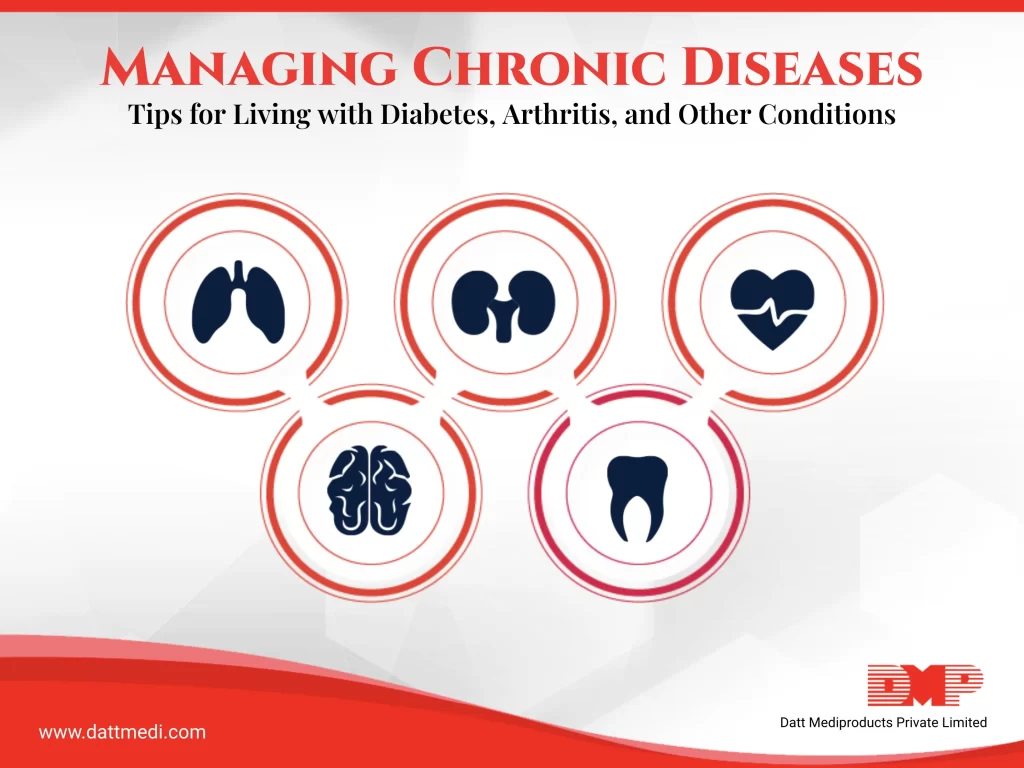
Chronic diseases are conditions that must be managed continuously and have a big effect on a person’s quality of life. Diabetes, rheumatoid arthritis, heart disease, and cancer are a few of the most prevalent chronic illnesses. Although managing these illnesses can be difficult, it is doable with the correct approaches and lifestyle modifications. This blog will cover all aspects of offering helpful guidance for treating various chronic conditions at home. You will know about the preventive measures you need to take to reduce and regulate your condition in a short time.

Chronic diseases are long-term conditions that typically progresses slowly over time and requires ongoing medical attention and management. Unlike acute conditions, which are typically short-term, chronic diseases often require ongoing medical care and lifestyle modifications to prevent complications and improve quality of life. There are many different types of chronic diseases, each with their own unique symptoms, causes, and treatment options.

Here are some of the most common types of chronic diseases:

  • Heart diseases
  • Diabetes
  • Arthritis 
  • Lung cancer
  • Osteoporosis
  • Colorectal cancer
  • Depression 
  • Asthma
  • Type 2 diabetes

Preventive measures you can take at home to regulate chronic diseases

Chronic diseases can significantly impact a person’s quality of life, but with proper management and medical care, it is possible to live well with these conditions. In addition to routine doctor visits, a healthy diet, and prescription medicine, certain efficient preventive actions might help you feel better quickly. 

These tips work with medical attention side-by-side to provide you with more pain relief and improve your daily functionalities. Take a look at the best tips to manage chronic diseases below.

Tip 1: Follow a Healthy Diet

A healthy diet is essential for managing chronic diseases. A balanced diet rich in fruits, vegetables, whole grains, and lean protein can help people manage blood sugar levels, lower the risk of inflammation, and keep a healthy weight.

Tip 2: Stay Active

Regular exercise can help treat, delay, or prevent chronic diseases. Aim for at least 150 minutes each week of physical activity, such as walking or cycling. Moreover, two days of strength-training exercises. Low-impact activities like walking, swimming, and yoga are great options for people with arthritis, while resistance training can help build strength and improve bone health.

Tip 3: Get Enough Sleep

Getting enough sleep is important for overall health and well-being, but it’s especially important for people with chronic diseases. Inflammation, blood sugar levels, and weight growth can all be impacted by sleep deprivation. Set a consistent sleep routine and aim for 7-9 hours of sleep each night.

Tip 4: Manage Stress

Stress can have a significant impact on chronic diseases by increasing inflammation, blood pressure, and blood sugar levels. The ability to manage stress through practises like yoga, deep breathing, or meditation can enhance general well-being and lower the risk of problems from chronic illnesses.

Tip 5: Take care of your Mental Health

Fatigue, body pain, and other prevailing symptoms of chronic illness are often invisible, so others may not always be able to assess their impact. Worrying and thinking adversely about potential circumstances can cause anxiety and stress, which can have an adverse effect on general health. Working on mental health concerns should be done in consultation with a doctor. 

Tip 6: Take Medications as Prescribed

Managing chronic diseases often involves taking medications to control symptoms and prevent complications. It’s critical to follow up frequently to check on the effectiveness of your meds and to take them as directed by your physician. Talk to your doctor or chemist about any side effects or worries.

Living with chronic diseases like diabetes, arthritis, and other conditions can be challenging, but by following these tips, it’s possible to manage them effectively. A healthy diet, regular exercise, adequate sleep, stress management, medication adherence, and staying informed are all key components of managing chronic diseases. By working with healthcare providers, making lifestyle changes, and taking control of your health, you can live a full and active life with chronic diseases.

We advice to stay informed about your condition and its management is essential for living well with chronic diseases. Attend support groups, read reputable sources of information, and ask your healthcare provider any questions you may have. This can help you better understand your condition and how to manage it effectively. Follow us for more such information.

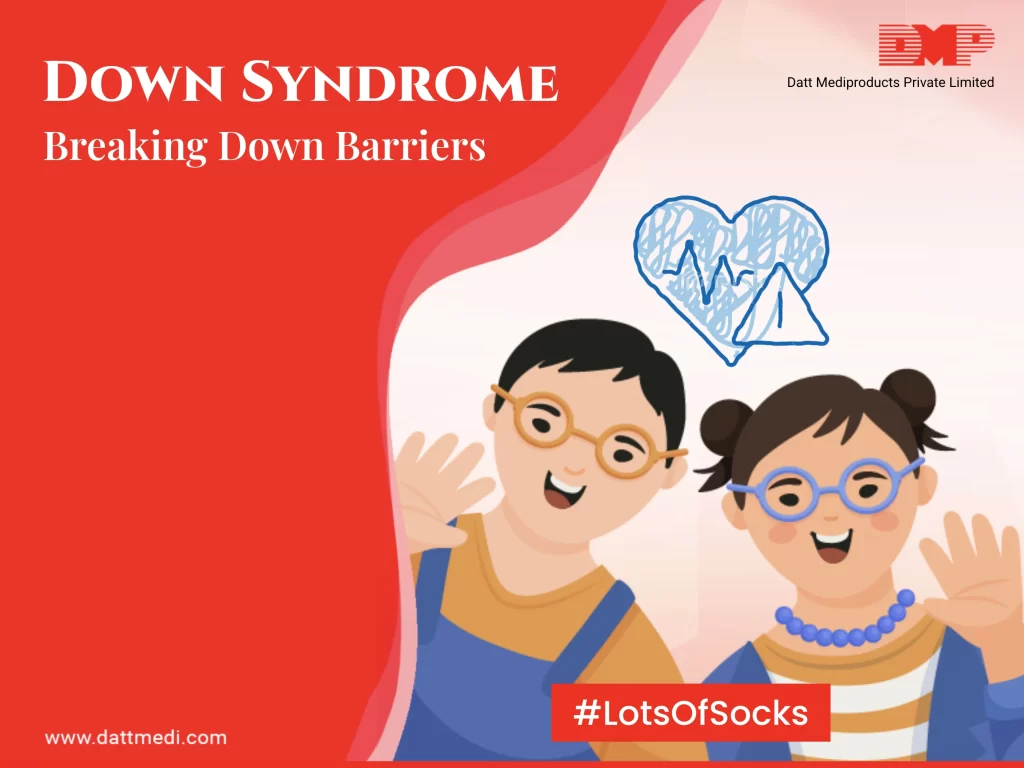
DOWN SYNDROME Breaking Down Barriers

Down Syndrome, also called Trisomy 21, is a genetic condition in which a person has an extra
chromosome. This leads to physical and intellectual disabilities and certain other associated medical issues among children such as hearing loss, obstructive sleep apnea, ear infections, eye diseases or heart defects.

Even though people with Down Syndrome may act or look similar, they have varying degrees of abilities. Their IQ range from mild to moderate and they usually speak slower than normal children. There is no known cause of Down Syndrome. However, with the right support and opportunities, people with Down Syndrome can lead happy and fulfilling lives.

(more…)
Logo

Datt Mediproducts Private Limited

Loading